
Introduction
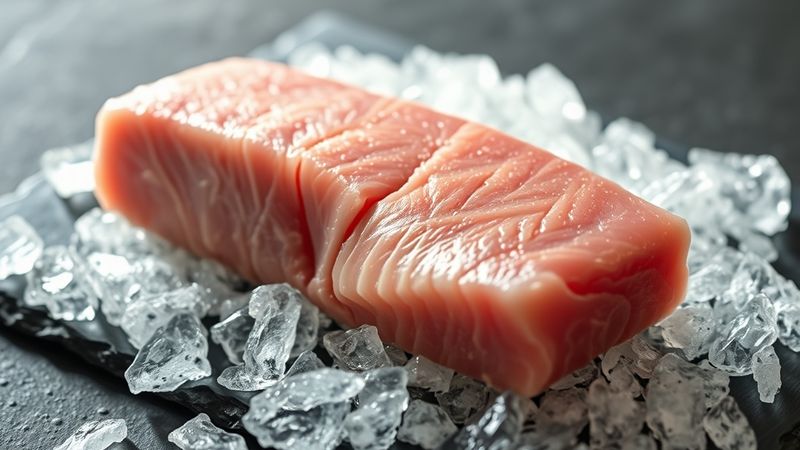
Canned tuna is a dietary staple for millions, offering convenience and protein. However, navigating the shelves reveals a stark contrast between sustainable wild-caught options and those laden with heavy metals or additives. When prioritizing health and environmental impact, two brands consistently rise to the top: Wild Planet and Safe Catch. This article examines their origins, nutritional profiles, and ingredients to help you make an informed choice at the grocery store. To understand the broader landscape of clean eating, you might find it useful to review our guide on How to read baby food labels: quick and safe guide.
What They Are: Definition and Origins
Wild Planet is a pioneer in the sustainable fishing movement, specifically targeting skipjack and albacore tuna caught using pole-and-line methods, which minimize bycatch. Safe Catch, on the other hand, is renowned for its rigorous quality control, claiming to have the strictest mercury standards in the industry. While both brands offer high-quality tuna, their primary focus differs slightly; Wild Planet emphasizes the fishing method and flavor profile, whereas Safe Catch emphasizes safety testing. Today, both brands offer various product lines, including chunk light and albacore, catering to different taste preferences and dietary needs.
How They're Made
The production process for these premium brands begins with the catch. Wild Planet utilizes pole-and-line fishing, a traditional technique that allows for the selective capture of individual tuna, significantly reducing the bycatch of non-target species. Safe Catch employs a mix of pole-and-line and purse seine methods but distinguishes itself through a proprietary testing protocol. Once caught, the tuna is steam-cooked to preserve texture and nutrients before being packed, usually in water or olive oil, depending on the product variant.
Detailed Nutritional Comparison
The nutritional content of these two brands highlights their distinct strengths. Below is a comparison of key nutritional markers for a standard 5-ounce serving of each brand's albacore tuna.
| Nutrient | Wild Planet | Safe Catch |
|---|---|---|
| Mercury Level (ppm) | 0.13 | 0.12 |
| Calories | 160 | 140 |
| Protein | 28g | 26g |
| Omega-3 (DHA/EPA) | 2000mg | 1500mg |
The data reveals that while both brands offer excellent protein sources, Safe Catch maintains a slightly lower mercury level, making it a safer option for vulnerable populations like pregnant women and children. Conversely, Wild Planet provides a higher density of Omega-3 fatty acids, which are crucial for heart and brain health. For those looking to incorporate more healthy fats into their diet, our article on Natural Tuna with Olive Oil and Vegetables offers complementary insights on preparation.
In-Depth Ingredient Analysis
Transparency in ingredients is a hallmark of both Wild Planet and Safe Catch. A typical can of Wild Planet albacore usually contains only tuna and water or olive oil, with minimal added salt. Safe Catch maintains an even shorter ingredient list, often consisting of tuna and salt. The use of olive oil in Wild Planet products enhances the absorption of fat-soluble vitamins and provides a richer mouthfeel, though it increases the calorie count. Both brands avoid artificial preservatives, fillers, and added sugars, ensuring that the consumer gets pure protein without hidden additives.
Additives and Controversial Substances
Consumers should be vigilant about additives such as "Globa," a tuna flake product often found in cheaper canned goods that can indicate lower-quality processing. Additionally, some budget brands include tomato puree or sugar to mask the taste of rancid oil or lower-grade fish. Neither Wild Planet nor Safe Catch utilize these fillers. They also avoid controversial stabilizers or artificial coloring, relying instead on the natural integrity of the fish itself.
Health Effects and Benefits
Consuming tuna rich in Omega-3s supports cardiovascular health and reduces inflammation. The primary health concern with canned tuna is mercury accumulation, particularly from larger species like albacore. Safe Catch’s lower mercury levels mitigate this risk significantly, making it a preferred choice for frequent consumers. However, both brands are excellent sources of lean protein. Individuals monitoring their sodium intake should opt for the water-packed versions of either brand, as oil-packed options contain higher sodium levels naturally present in the fish.
How to Read the Label: A Practical Guide
When selecting canned tuna, scrutinizing the label is essential to avoid misleading marketing terms. Look for specific terms like "pole-and-line caught" or "sustainably sourced" to ensure the environmental impact is low. Red flags include "Globa" (tuna flakes) or products containing tomato puree and sugar, which are common in cheaper, lower-quality varieties. Be wary of vague terms like "wild-caught" without specifying the method, as longline fishing can still result in significant bycatch. Always check the ingredient list for added oils or excessive salt to ensure the product aligns with your dietary goals.
Best Products on the Market
Wild Planet Albacore Wild Tuna: Key ingredients include water and wild-caught albacore tuna. Two strengths are its significantly lower mercury levels compared to conventional brands and its commitment to pole-and-line fishing, which minimizes bycatch. One weakness is the premium price point. This product is ideal for health-conscious families looking for the safest possible option for regular consumption. It pairs perfectly with the recipe found in our guide to Tuna Soup with Olive Oil and Veggies.
Safe Catch Elite Tuna: Key ingredients include skipjack tuna and salt. Two strengths are its strict testing protocol, which ensures it is the only brand to meet the FDA's action level for mercury without exceeding it, and its high protein content. One weakness is the cost, which is often the highest on the market. This product is ideal for pregnant women, nursing mothers, and individuals with mercury sensitivity who require absolute certainty regarding contaminant levels.
Bumble Bee Wild Caught Chunk Light Tuna: Key ingredients include water, tuna, and salt. Two strengths are its affordability and accessibility, making it a staple for budget-conscious shoppers. One weakness is that it typically contains higher levels of mercury than Wild Planet or Safe Catch due to the species used. This product is ideal for occasional meals where cost is a primary factor, provided it is not consumed daily.
Recipes and Kitchen Uses
- Creamy Tuna & Spinach Pasta
- 8oz whole wheat pasta
- 1 can (5oz) Wild Planet tuna, drained
- 2 cups fresh spinach
- 4oz cream cheese
- 1 clove garlic, minced
- Salt and pepper to taste
Instructions:
- Boil the pasta in salted water according to package directions.
- While pasta cooks, sauté garlic in a pan until fragrant, then add spinach and cook until wilted.
- Drain the pasta and return it to the pot.
- Stir in the cream cheese, tuna, and spinach mixture until the cheese melts and the tuna is warmed through.
- Season with salt and pepper, serve immediately.
Prep time: 15 minutes.
- *Tuna & Avocado Salad Sandwich
- 2 slices whole grain bread
- 1 can (5oz) Safe Catch tuna, drained
- 1/2 ripe avocado, mashed
- 1 tbsp lemon juice
- Lettuce leaves
- Tomato slices
Instructions:
- Mash the avocado with lemon juice in a small bowl.
- In another bowl, mix the drained tuna with a pinch of salt.
- Spread the avocado mixture generously onto one slice of bread.
- Top with the tuna mixture, lettuce, and tomato.
- Place the second slice of bread on top and press down gently before slicing in half.
Prep time: 10 minutes.
Sustainability and Environmental Impact
The sustainability of canned tuna largely depends on the fishing method used. Pole-and-line and troll fishing, utilized by premium brands like Wild Planet, target individual fish and have minimal impact on other marine life, significantly reducing bycatch. In contrast, purse seine nets can accidentally trap dolphins or non-target species. Consumers can choose responsibly by looking for certifications from the Marine Stewardship Council (MSC) or opting for brands that explicitly state their fishing method to support ocean health.
Frequently Asked Questions
Is canned tuna safe to eat during pregnancy?
Yes, but you must choose the right type. Due to high mercury levels, pregnant women should avoid albacore tuna and stick to "chunk light" tuna from smaller species like skipjack. Brands like Safe Catch are also excellent choices as they are tested to ensure mercury levels are well below safety limits.
What is the difference between albacore and chunk light tuna?
Albacore is a larger species of tuna found in temperate waters and has a lighter color and milder flavor. However, because it lives longer, it accumulates more mercury. Chunk light tuna comes from skipjack or yellowfin tuna, which are smaller and live shorter lives, resulting in lower mercury levels but a darker color and stronger flavor.
Why is Wild Planet tuna so expensive?
The higher price reflects the quality of the fish and the ethical fishing practices. Wild Planet uses pole-and-line fishing, which is labor-intensive and results in a higher yield of usable meat per fish compared to industrial methods. Additionally, their rigorous testing for mercury and focus on wild-caught, sustainable stocks contribute to the cost.
Final Verdict
After a detailed comparison of nutrition, taste, and price, the choice between Wild Planet and Safe Catch largely depends on your specific needs. If you are looking for the best all-around product for daily consumption, Wild Planet offers the best balance of low mercury, high Omega-3 content, and ethical sourcing. If you are pregnant or have a specific medical condition requiring strict mercury avoidance, Safe Catch is the superior choice despite the higher cost. For budget-conscious consumers, standard brands are acceptable but should be limited to once a week. To further diversify your pantry sustainably, consider adding [Canned Legumes: A Sustainable Option](https://foodreveal.app/en/blog/canned-legumes-a-sustainable-option) to your shopping list.
🔍 FoodReveal helps you decode nutrition labels beyond marketing. Available for Android and iOS.
Sources and Further Reading
- Wild Planet vs Safe Catch: Which Canned Tuna is Better?
- Canned vs. Fresh Tuna: Is Canned Tuna Healthy? - Safe Catch
- How Worried Should You Be About Mercury in Your Tuna?
- How much Mercury does Safe Catch Wild Elite Pure Tuna (Skipjack) Have, Exactly?
- Safe Catch Elite Canned Tuna - The Lowest Mercury of Any Brand
Leave a review