
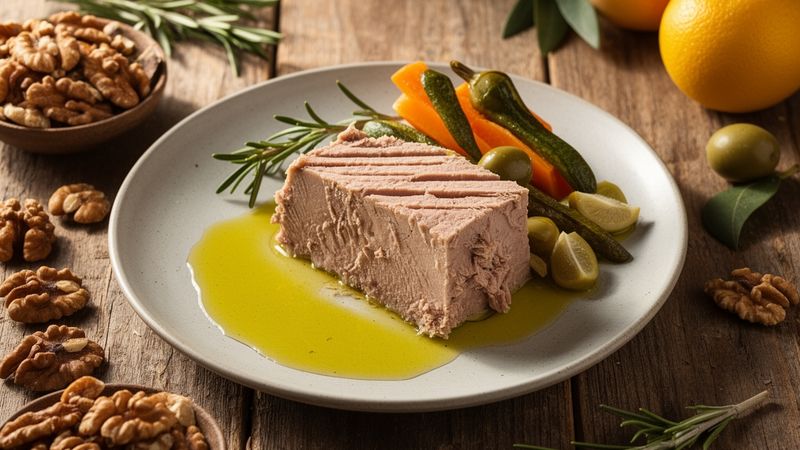
Imagine opening a can of tuna and being greeted not just with flaky fish, but with a vibrant medley of vegetables, all bathed in rich, fruity olive oil. This isn’t a futuristic fantasy – it’s the reality of Natural Tuna with Olive Oil and Vegetables, a convenient and increasingly popular pantry staple. But beyond the convenience, is it truly a healthy choice? The market is flooded with tuna options, from those packed in water to those swimming in soybean oil. This article dives deep into the world of natural tuna, dissecting its nutritional profile, evaluating ingredient quality, and helping you determine if it deserves a place in your diet. We’ll explore how this preparation stacks up against traditional tuna options, offering insights for the health-conscious consumer
What Are Natural Tuna with Olive Oil and Vegetables
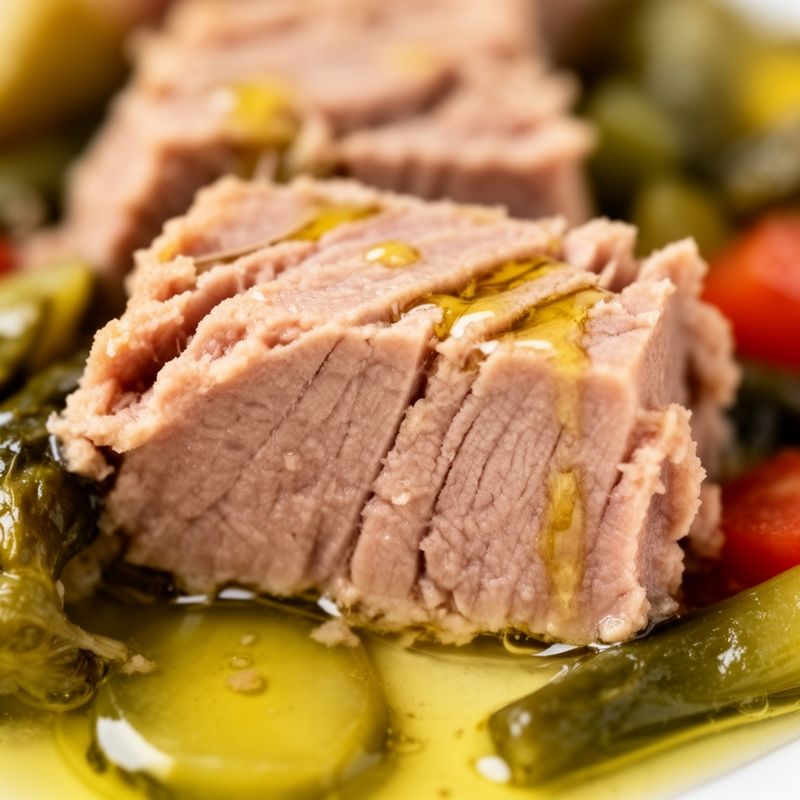
Natural Tuna with Olive Oil and Vegetables typically consists of solid white albacore or skipjack tuna, combined with a variety of vegetables like carrots, peas, green beans, or bell peppers, all preserved in olive oil. Unlike tuna packed in water or soybean oil, the olive oil contributes significantly to the flavor profile and nutritional content. Many brands aim for a “natural” designation by avoiding artificial flavors, colors, and preservatives. However, “natural” isn’t a strictly regulated term, so it’s crucial to read labels carefully. Brands like Wild Planet and Safe Catch are known for their commitment to sustainable fishing practices and high-quality ingredients. The addition of vegetables enhances the nutritional value beyond just protein and omega-3 fatty acids. These canned options offer a convenient way to incorporate both fish and vegetables into your diet without extensive preparation
Detailed Nutritional Comparison
A 3.5 oz (100g) serving of Natural Tuna with Olive Oil and Vegetables (using Wild Planet as a reference) provides approximately
| Nutrient | Amount | % Daily Value |
|---|---|---|
| Calories | 200 | 10% |
| Protein | 25g | 50% |
| Fat | 8g | 12% |
| Saturated Fat | 1g | 5% |
| Carbohydrates | 0g | 0% |
| Fiber | 0g | 0% |
| Sugar | 0g | 0% |
| Sodium | 80mg | 3% |
| Omega-3 Fatty Acids | 1.2g | - |
| Vitamin D | 15% | - |
Daily Values are based on a 2,000 calorie diet
Compared to tuna packed in water (approximately 99 calories and 24g protein per 3oz serving), the olive oil adds significant calories and fat. However, these are primarily healthy monounsaturated fats. Traditional tuna salads often include mayonnaise, which contributes saturated fat and potentially unhealthy additives. Natural Tuna with Olive Oil and Vegetables offers a healthier alternative while still delivering a satisfying flavor and texture
Ingredients and Quality Analysis
The quality of Natural Tuna with Olive Oil and Vegetables hinges on several key factors: the type of tuna used, the source of the olive oil, and the quality of the added vegetables. Albacore tuna generally contains higher levels of omega-3 fatty acids but also carries a slightly higher risk of mercury accumulation. Skipjack tuna is lower in omega-3s but also lower in mercury. Look for brands that specify the species of tuna used. The olive oil should ideally be extra virgin olive oil (EVOO), known for its antioxidant properties. However, many brands use refined olive oil due to cost considerations; this still provides healthy fats but lacks some of the beneficial compounds found in EVOO. The vegetables should be non-GMO and free from artificial preservatives. It's important to be aware that some brands may add salt or other seasonings – always check the label if you're watching your sodium intake. As we discussed in Unlock the Power of Informed Food Choices with understanding ingredient lists is paramount to making healthy choices
Benefits and Potential Downsides
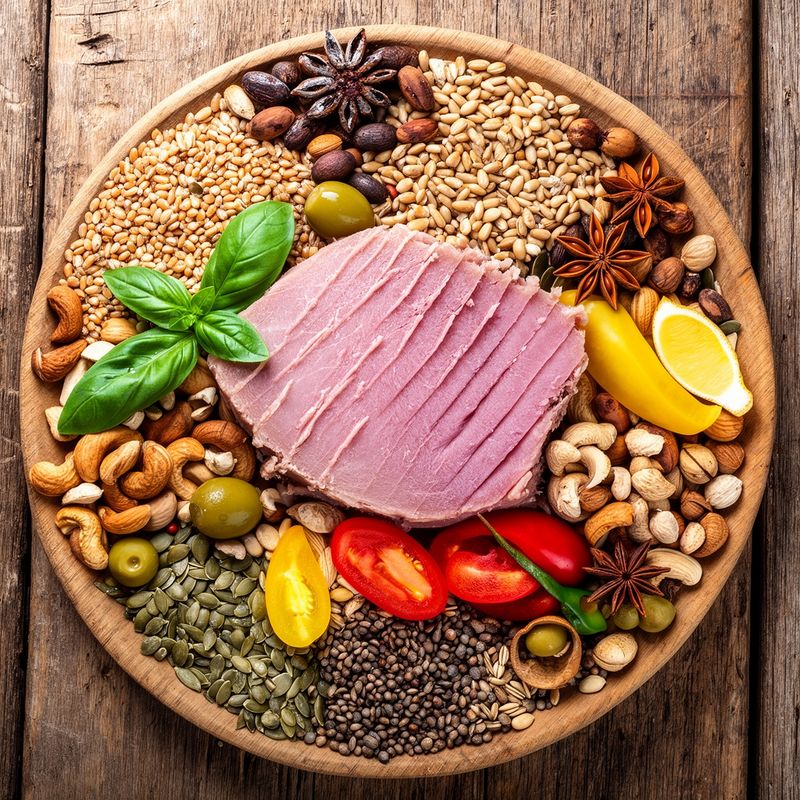
The benefits of incorporating Natural Tuna with Olive Oil and Vegetables into your diet are numerous. Tuna is an excellent source of high-quality protein, essential for muscle building and repair. The omega-3 fatty acids contribute to heart health, brain function, and reduced inflammation. Olive oil provides additional monounsaturated fats, further supporting cardiovascular health. The added vegetables offer vitamins, minerals, and fiber – though often in small quantities due to processing. However, there are potential downsides to consider. Mercury contamination is a concern with all tuna species; pregnant women and young children should limit their consumption. Sodium content can be relatively high depending on the brand; choosing low-sodium options is advisable for those monitoring their salt intake. Some individuals may be allergic to fish or soy (if soy lecithin is used as an emulsifier). According to studies published in the Journal of Nutrition , regular consumption of omega-3 fatty acids can significantly reduce the risk of chronic diseases
Which Should You Choose: A Practical Guide
Selecting the best Natural Tuna with Olive Oil and Vegetables requires careful consideration of several factors. Prioritize brands committed to sustainable fishing practices – look for certifications like Marine Stewardship Council (MSC). Check the ingredient list carefully; avoid products containing artificial flavors, colors, or preservatives. Opt for brands that specify the species of tuna used (albacore or skipjack) and ideally use extra virgin olive oil. Compare sodium content across different brands; choose low-sodium options whenever possible. Consider your personal dietary needs: if you're concerned about mercury levels, opt for skipjack tuna over albacore or limit your consumption frequency overall. Price can also be a factor; however, investing in higher-quality brands often translates to better taste and nutritional value – it's worth paying a little extra for peace of mind knowing what you’re consuming . For more information on balancing your diet around protein intake consider reading our article on Kidney health: balancing protein, potassium & phosphorus
Recipes and Pairing Suggestions
Natural Tuna with Olive Oil and Vegetables is incredibly versatile; it requires minimal preparation making it ideal for quick meals
- Mediterranean Tuna Salad Combine one can of Natural Tuna with Olive Oil and Vegetables with chopped cucumber, tomatoes, red onion, Kalamata olives, feta cheese, and a drizzle of lemon juice. Serve over a bed of mixed greens or whole-wheat pita bread
- Tuna & Vegetable Pasta Toss cooked whole wheat pasta with one can of Natural Tuna with Olive Oil and Vegetables , some chopped spinach , cherry tomatoes ,and a sprinkle of parmesan cheese . Add some red pepper flakes for heat
You can also enjoy it straight from the can as part of a snack plate alongside whole grain crackers or sliced vegetables such as bell peppers or carrots . For an extra boost of flavor try pairing it with Roasted Vegetable Chips with Spring Spices
Final Verdict
Natural Tuna with Olive Oil and Vegetables offers a convenient, flavorful, and relatively healthy option for incorporating fish into your diet – particularly when compared to traditionally prepared tuna salads laden with mayonnaise . While mercury content remains a concern , choosing sustainable brands , opting for skipjack tuna when possible ,and moderating consumption frequency can mitigate this risk . Paying attention to ingredient lists – prioritizing natural ingredients , low sodium levels ,and extra virgin olive oil – will ensure you’re making the best choice for your health . It's a pantry staple worth considering for busy individuals seeking a nutritious meal option
🔍 Want to know exactly what's in a product before you buy it? With you scan the label in seconds and get a full breakdown of ingredients, additives and nutritional values — in plain language, no expertise required
🔍 FoodReveal helps you decode nutrition labels beyond marketing. Available for Android and iOS.
Leave a review