
Introduction
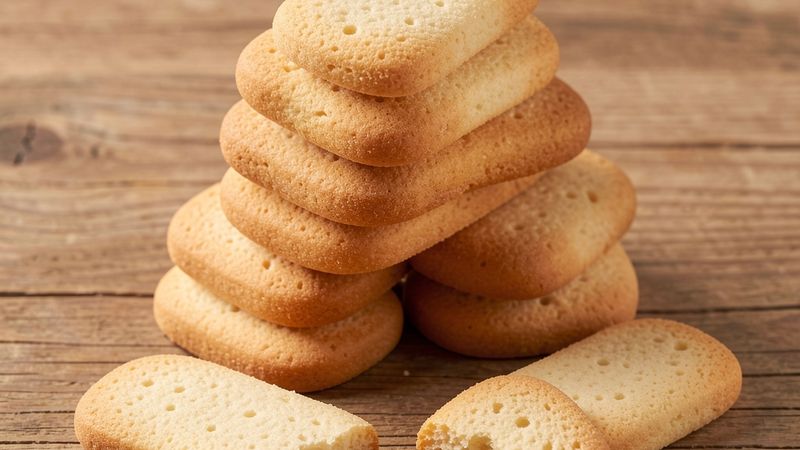
In the world of Italian desserts, few treats are as beloved as Tiramisu, a creamy, coffee-infused delight that has captured the hearts of many. As we delve into the realm of this iconic dessert, it's essential to understand the significance of its components, particularly the Savoiardi biscuits that serve as its foundation. For those interested in exploring the nutritional aspects of similar foods, our article on Barilla whole wheat vs regular: gut microbiota offers valuable insights. In this piece, we'll guide you through the process of creating Tiramisu with Savoiardi biscuits, exploring its definition, origins, nutritional profile, ingredient analysis, health effects, and how to read the label.
What They Are: Definition and Origins
Tiramisu is a classic Italian dessert characterized by its layered structure of ladyfingers (often Savoiardi biscuits) soaked in coffee and liqueur, separated by a rich mascarpone cheese mixture. The name "Tiramisu" translates to "pick-me-up" or "lift me up," which refers to the caffeine kick from the espresso. Historically, Tiramisu's origins are somewhat debated, but it is commonly attributed to the Veneto region in Italy. Over time, various adaptations have emerged, including the use of different types of biscuits or the addition of unique flavors like fruit or nuts.
How They're Made
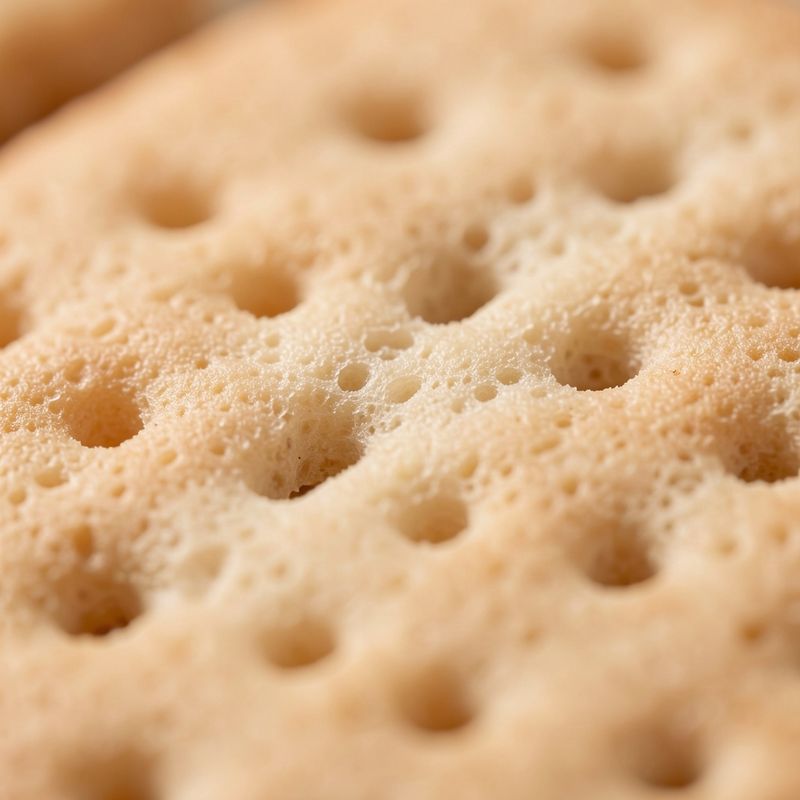
The production of Tiramisu can vary significantly depending on whether it's made industrially or artisanally. Artisanal Tiramisu is typically crafted with more care, using higher-quality ingredients and a more meticulous layering process to ensure each component is evenly distributed and visually appealing. In contrast, industrial production may involve shortcuts, such as using pre-made mixes for the mascarpone layer or automating the dipping and layering process. Despite these differences, the fundamental steps of preparing the coffee, dipping the biscuits, and assembling the dessert remain relatively consistent.
Detailed Nutritional Comparison
| Nutrient | Traditional Tiramisu | Low-Fat Tiramisu | Tiramisu with Fresh Fruit |
|---|---|---|---|
| Calories | 350 per serving | 250 per serving | 320 per serving |
| Fat | 20g | 10g | 18g |
| Sugar | 25g | 20g | 22g |
| Protein | 10g | 12g | 11g |
Analyzing the nutritional data, it's clear that traditional Tiramisu is the most calorie-dense, largely due to its high fat and sugar content. The low-fat version offers a significant reduction in calories and fat, making it a more appealing option for those watching their diet. However, it's worth noting that the sugar content remains relatively high across all versions. For individuals seeking to understand the impact of dietary choices on gut health, our article on Complete Vegetable Proteins provides a comprehensive overview.
In-Depth Ingredient Analysis
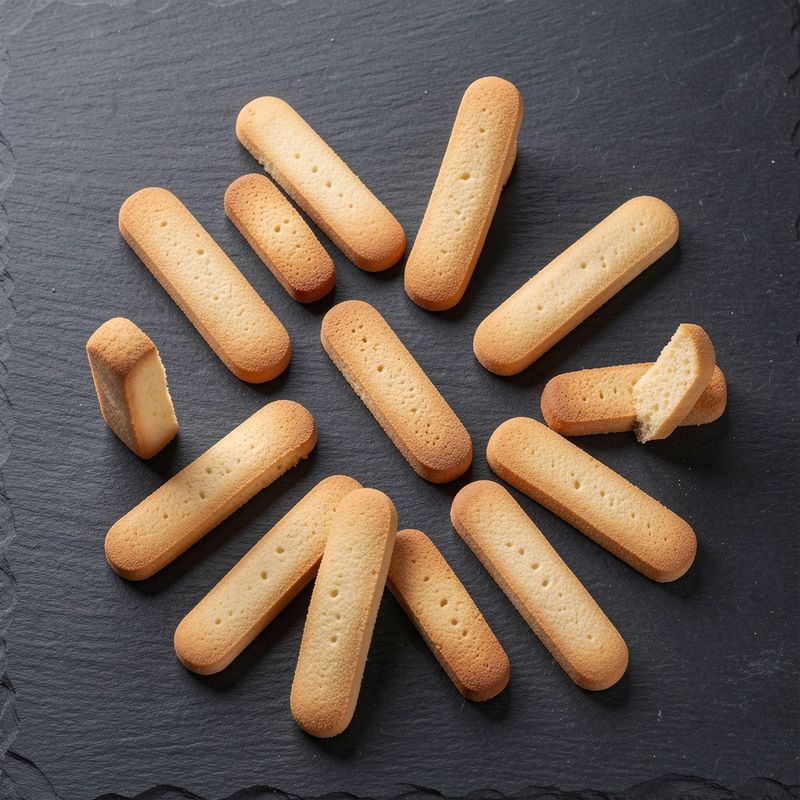
Typically, Tiramisu recipes include ladyfingers (Savoiardi biscuits), mascarpone cheese, espresso, sugar, eggs, and sometimes liqueur. When examining the ingredient list, it's crucial to consider the quality and source of each component. For instance, using high-quality, farm-fresh eggs and real espresso can significantly enhance the flavor and nutritional profile of the dessert.
Additives and Controversial Substances
Some commercial Tiramisu products may contain additives to extend shelf life or enhance texture. Common additives include E-numbers authorized by EFSA (European Food Safety Authority) and FDA (Food and Drug Administration), which are rigorously tested for safety. However, for those preferring cleaner labels, opting for artisanal or homemade Tiramisu made with minimal, natural ingredients is advisable. It's also worth considering the potential impact of certain ingredients on liver health, as discussed in our article on Monosodium Glutamate and Liver Health.
Health Effects and Benefits
Tiramisu, like many rich desserts, should be consumed in moderation due to its high calorie, fat, and sugar content. Despite this, it does offer some benefits, such as a boost of caffeine from the espresso, which can enhance alertness and cognitive function. Additionally, the mascarpone cheese provides a good amount of protein. However, individuals with dairy allergies or sensitivities, as well as those monitoring their sugar intake, should approach with caution. For a deeper dive into the nutritional benefits of dairy products, our comparison of Chobani vs Fage: Greek yogurt showdown offers valuable insights.
How to Read the Label: A Practical Guide
When purchasing Tiramisu or its components, such as ladyfingers, it's essential to scrutinize the ingredient list. Look for products with minimal, recognizable ingredients and beware of additives or preservatives, especially if you're aiming for a cleaner diet. Industrial products might list ingredients like "vegetable oils" or "natural flavors," which can be vague and potentially misleading. Opting for products with transparent labeling and fewer ingredients can help ensure you're getting a higher-quality dessert. Additionally, understanding the differences between whole wheat and regular pasta, as explored in Barilla whole wheat vs regular: which pasta calms more?, can inform your choices beyond desserts.
Best Products on the Market
Ladyfingers by Malvern Pantry: Key ingredients include wheat flour, sugar, and eggs. Two strengths are their light and airy texture and their ability to absorb coffee syrup without becoming too soggy. One weakness is their relatively high sugar content. This product is ideal for those looking for a traditional ladyfinger taste and texture. For those interested in exploring more dessert options, consider checking out Artisan vs industrial ice cream: ingredients & impact to learn more about the differences in ingredients and their effects.
Savoiardi Biscuits by Doria: Key ingredients include wheat flour, sugar, and eggs. Two strengths are their crunchy exterior and soft interior, making them perfect for dipping in coffee or other liquids. One weakness is their potential to become stale quickly if not stored properly. This product is ideal for those who enjoy a good balance of textures in their tiramisu.
Tiramisu Ladyfingers by Amaretti: Key ingredients include wheat flour, sugar, and almond flour. Two strengths are their unique flavor profile, which includes notes of almond and vanilla, and their ability to hold their shape well when dipped in coffee. One weakness is their higher price point compared to other ladyfinger products. This product is ideal for those looking to add a unique twist to their traditional tiramisu recipe.
Recipes and Kitchen Uses
Recipe 1: Classic Tiramisu
Ingredients:
- 12-16 Savoiardi biscuits
- 1 cup of strong brewed coffee
- 8 ounces of mascarpone cheese
- 1/2 cup of granulated sugar
- 2 large egg yolks
- 1/2 teaspoon of vanilla extract
Instructions:
- Dip each biscuit into the coffee for about 3-5 seconds on each side.
- In a separate bowl, combine the mascarpone cheese, granulated sugar, egg yolks, and vanilla extract.
- To assemble the tiramisu, start with a layer of biscuits, followed by a layer of the mascarpone mixture.
- Repeat the layers two more times, ending with a layer of the mascarpone mixture on top.
- Dust with cocoa powder and refrigerate for at least 3 hours.
Prep time: 20 minutes.
Recipe 2: Tiramisu Cups
Ingredients:
- 12-16 Savoiardi biscuits
- 1 cup of strong brewed coffee
- 8 ounces of mascarpone cheese
- 1/2 cup of granulated sugar
Instructions:
- Dip each biscuit into the coffee for about 3-5 seconds on each side.
- In a separate bowl, combine the mascarpone cheese and granulated sugar.
- To assemble the tiramisu cups, place a small amount of the mascarpone mixture at the bottom of a cup, followed by a biscuit, and then another layer of the mascarpone mixture.
- Repeat the layers one more time, ending with a layer of the mascarpone mixture on top.
- Dust with cocoa powder and refrigerate for at least 3 hours.
Prep time: 15 minutes.
Sustainability and Environmental Impact
The production of tiramisu can have a significant environmental impact, particularly due to the dairy and coffee ingredients. Consumers can choose responsibly by selecting coffee that is sustainably sourced and opting for dairy products from local, organic farms.
Frequently Asked Questions
What is the origin of tiramisu?
Answer: Tiramisu originated in Italy, with the name "tiramisu" translating to "pick-me-up" due to its caffeine content.
Can I make tiramisu without ladyfingers?
Answer: Yes, you can make tiramisu without ladyfingers by substituting with other types of biscuits or even cake.
How long does tiramisu last in the fridge?
Answer: Tiramisu can last in the fridge for up to 3-5 days, depending on the freshness of the ingredients and how well it is stored.
Final Verdict
In conclusion, tiramisu is a classic Italian dessert that can be made with a variety of ingredients and techniques. When choosing ladyfingers, consider the texture, flavor, and sustainability of the product. For those interested in tracking their nutrition and making informed choices, consider using Visualize Your Progress: A Guide to FoodReveal' Nutrition Charts to decode nutrition labels and make the best choices for your health.
🔍 FoodReveal helps you decode nutrition labels beyond marketing. Available for Android and iOS.
Leave a review