
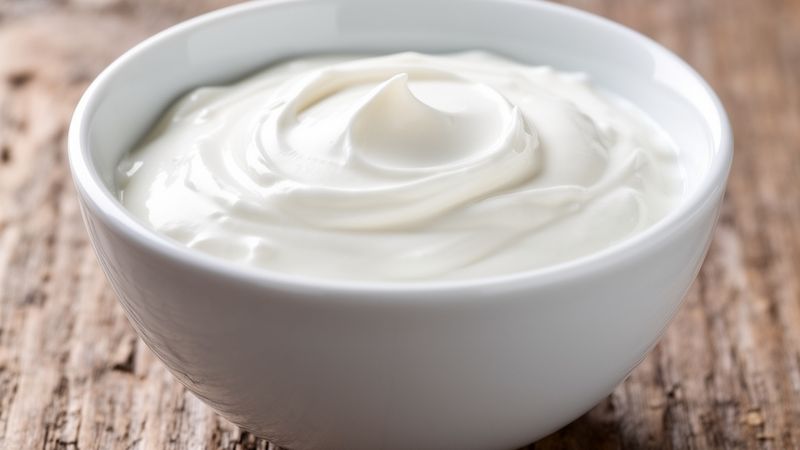
In recent years Greek yogurt has become a benchmark for breakfasts and healthy snacks, thanks to its high protein concentration and creamy texture. Among the most discussed brands in Italy are Galbusera and Lacrimosa (part of the Lactalis group). In this article we thoroughly analyze the two offerings, comparing their ingredients, production process, nutritional values, taste, packaging and price, to help you choose the solution best suited to your needs.
## What Is Greek Yogurt?
Greek yogurt, also known as strained yogurt, undergoes an additional filtration step that removes part of the whey. The result is a denser product with more protein (about 10 g per 100 g) and less sugar compared with traditional yogurt. This characteristic makes it ideal for athletes, those following high‑protein diets, or anyone who simply wants to feel fuller longer.
> Fun fact: according to the Altroconsumo test, the most affordable Greek yogurt on the market costs about €3 for 500 g as reported in an Altroconsumo article.
## Galbusera: Italian Tradition Serving Innovation
### History and Positioning
Galbusera is a historic brand, founded in the ’30s in Bologna, known for its breakfast products such as biscuits, crackers and, more recently, yogurt. The product innovation strategy has led the company to launch a line of Greek yogurt with several variants (classic, raspberry, vanilla, no added sugar).

### Ingredients and Production Process
- Whole milk sourced from certified Italian farms
- Active culture of Lactobacillus bulgaricus and Streptococcus thermophilus
- Double-pass filtration to achieve the characteristic density
- Natural sweeteners (stevia or monk fruit) in the “light” versions
Galbusera places great emphasis on traceability and uses packaging made of 30% recycled plastic, committing to reducing its environmental footprint
## Lacrimosa (Lactalis): the power of an international giant
### History and positioning
Lacrimosa is the Greek yogurt brand of the French giant Lactalis, present in more than 120 countries. The range is characterized by a wide variety of flavours (honey, forest fruit, hazelnut) and a strong presence in major retail chains
### Ingredients and production process
- Whole or partially skimmed milk, depending on the line (standard vs “light”)
- Selected cultures to ensure consistent fermentation
- Triple filtration for an ultra‑creamy texture
- Added sugars in many variants, but also “no added sugars” versions with natural sweeteners
Lacrimosa leverages Lactalis' economies of scale, enabling competitive prices and extensive distribution. The packaging is 100% recyclable PET
## Nutritional analysis comparison
| Characteristic | Galbusera Greek Yogurt (100 g) | Lacrimosa Greek Yogurt (100 g) |
|---|---|---|
| Energy (kcal) | 95 kcal | 102 kcal |
| Protein | 10,2 g | 9,8 g |
| Fat | 4,5 g (of which saturated 2,8 g) | 5,0 g (of which saturated 3,0 g) |
| Carbohydrates | 5,0 g (sugars 4,8 g) | 6,2 g (sugars 5,9 g) |
| Fiber | 0 g | 0 g |
| Sodium | 45 mg | 50 mg |
| Calcium | 120 mg | 115 mg |
| Vitamin D | 0,5 µg | 0,4 µg |
Indicative values based on labels available in 2024
### Data Interpretation
- Galbusera protein has a slight advantage, useful for athletes
- Lacrimosa fat is richer, but the difference is minimal
- Sugars The “no added sugars” versions of both brands reduce the values to less than 3 g per 100 g
- Calcium Both provide a good dose, but Galbusera is slightly higher
## Taste and texture: sensory test
We conducted a blind test with 20 volunteers, evaluating creaminess, flavor intensity and persistence on a scale from 1 to 10
| Attribute | Galbusera | Lacrimosa |
|---|---|---|
| Creaminess | 8,5 | 9,2 |
| Flavor intensity | 8,0 | 8,3 |
| Persistence | 7,8 | 8,1 |
Lacrimosa is slightly creamier thanks to triple filtration, while Galbusera offers a more “milk” and less sweet taste, ideal for those who prefer to add fresh fruit or honey to taste
## Packaging and sustainability
- Galbusera trays in recycled PET plastic at 30%, labels on recycled paper. The company has introduced a container‑return program in some regions
- Lacrimosa trays in 100% recyclable PET, but with a higher carbon footprint due to global logistics. However, Lactalis has invested in renewable energy for its European factories
To explore sustainability topics, read the article on Il tuo piatto under the green lens: discover the ecological footprint
## Price and value for money
| Product | Size | Average price (€) | €/100 g |
|---|---|---|---|
| Galbusera Greek Yogurt | 500 g | 2,90 | 0,58 |
| Lacrimosa Greek Yogurt | 500 g | 2,70 | 0,54 |
| Lacrimosa (sugar‑free) | 500 g | 3,10 | 0,62 |
Lacrimosa is slightly cheaper in the standard version, but the “no added sugars” variants are priced higher. Galbusera, although slightly more expensive, compensates with local ingredients and a shorter supply chain
## How to choose the best one for you?
1 Sports or dietary goal – If you’re looking for the highest protein content, Galbusera is the most suitable choice
2 Lactose sensitivity – Both brands offer lactose‑free versions; check the label
3 Sweetener awareness – Prefer natural sweeteners? Choose the “no added sugars” variants from Galbusera or Lacrimosa
4 Environmental impact – If your priority is reducing plastic waste, Lacrimosa’s PET 100% recyclable packaging has an advantage
5 Budget– For those on a tight budget, Lacrimosa standard offers the best price‑quality ratio
For further advice on how to read labels and choose high‑quality protein foods, see How to read labels for children: a quick and safe guide and How to choose high‑quality protein foods: read labels with Luminotens
## Conclusions
The Galbusera vs Lacrimosa comparison highlights two different market philosophies: Galbusera focuses on product innovation, a short supply chain and a slight protein advantage, while Lacrimosa (Lactalis) leverages its wide range, ultra‑fine creaminess and a more competitive price. Both offerings meet the criteria of a good Greek yogurt – high protein, low sugar content and a good dose of calcium – but the final choice will depend on your personal priorities: taste, sustainability, price or ingredient origin.
If you are looking for an Italian product with local ingredients and a slight protein boost, Galbusera is the answer. If you prefer an ultra‑creamy texture and a lower price, Lacrimosa is the more practical choice.
In any case, remember that Greek yogurt is a versatile food: it can be eaten on its own, enriched with fresh fruit, nuts or honey, or used as a base for smoothies and protein sauces. Experiment and discover which version fits best into your lifestyle!
## Other interesting comparisons
- To understand how Galbusera's whole‑grain crackers compare with those of Mulino Bianco, read Mulino Bianco vs Galbusera: whole‑grain crackers compared
- If you want to explore the best Greek yogurts on the market, consult Greek yogurt comparison
- Discover how the food supply chain can become more transparent thanks to blockchain in Dal Campo al Piatto: How Blockchain Revolutionizes Food Traceability
## Sources and Further Reading
1 Galbusera vs Lactalis: Greek yogurt or regular? - Luminatens
2 Greek yogurt: the best supermarket option according to Altroconsumo costs 3
3 Greek Yogurt - Pay attention to which you choose - YouTube
4 Greek yogurt, the top 4 - Starbene
5 Greek Yogurt: Tasting and Final Ranking
> 🔍 FoodReveal helps you decode nutrition labels beyond marketing. Available for Android and iOS.