
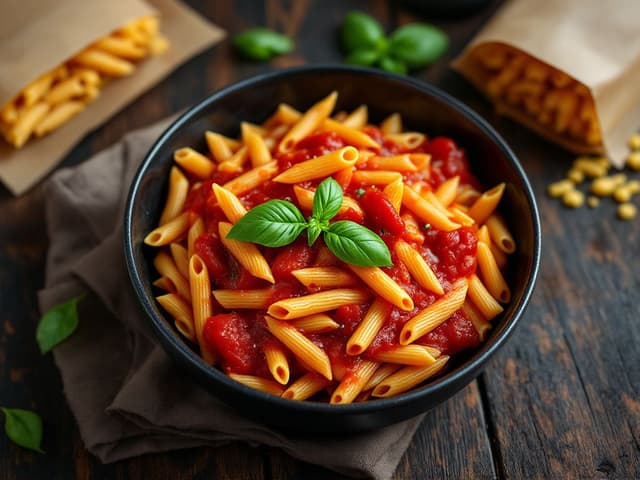



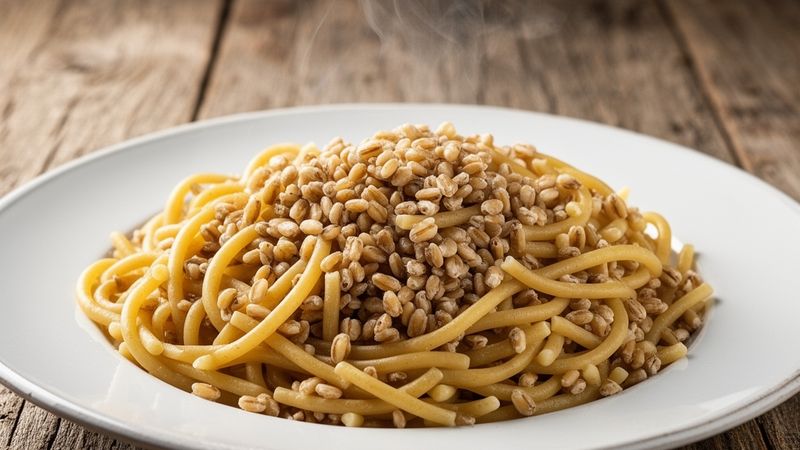
barilla whole wheat vs regular: gut microbiota: a detailed nutritional comparison. Key nutritional values include 100 %, 7 g, 56 g. Sources: Studies Research published in Nutrients (2021) showed that participants who swapped refined pasta for whole‑grain pasta increased fecal butyrate levels by 30 %
Key Facts
When you twirl a forkful of Barilla pasta, you might be thinking about taste, texture, or the calories on the label. Yet beneath the surface of those golden strands lies a subtle but powerful conversation between the food you eat and the trillions of microbes that call your gut home. In this deep‑dive we compare Barilla Whole Wheat with Barilla’s classic regular (semolina) pasta focusing on how their nutritional fingerprints shape the gut microbiota influence blood sugar, and ultimately affect heart health and overall well‑being
The Basics: What Makes Whole Wheat Different?
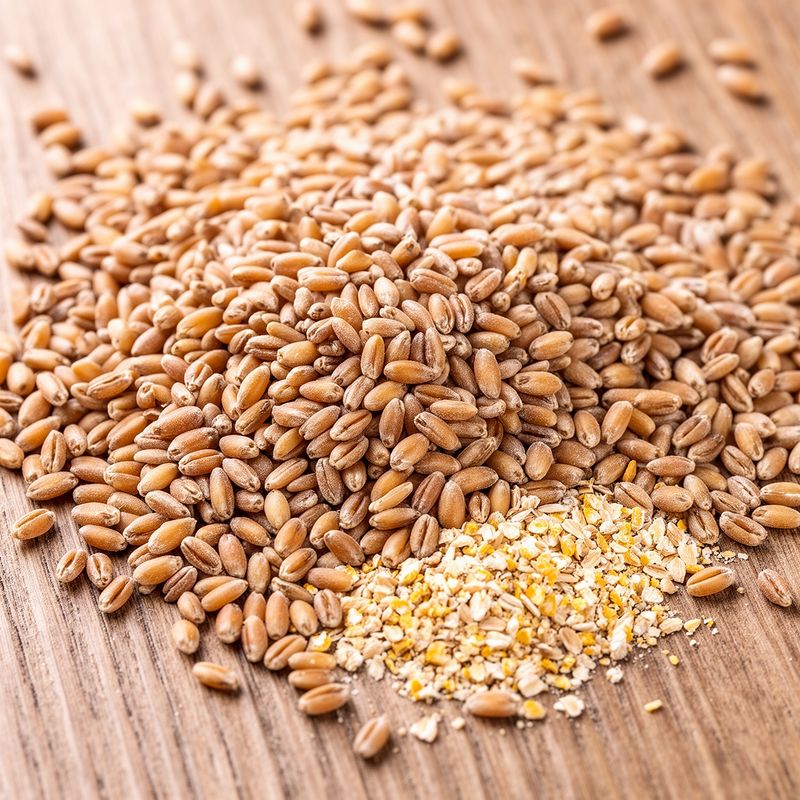
Barilla’s whole‑grain line is made 100 % whole‑grain durum wheat flour– the same grain that powers regular pasta, but the bran and germ are left intact during milling. This simple change does three things
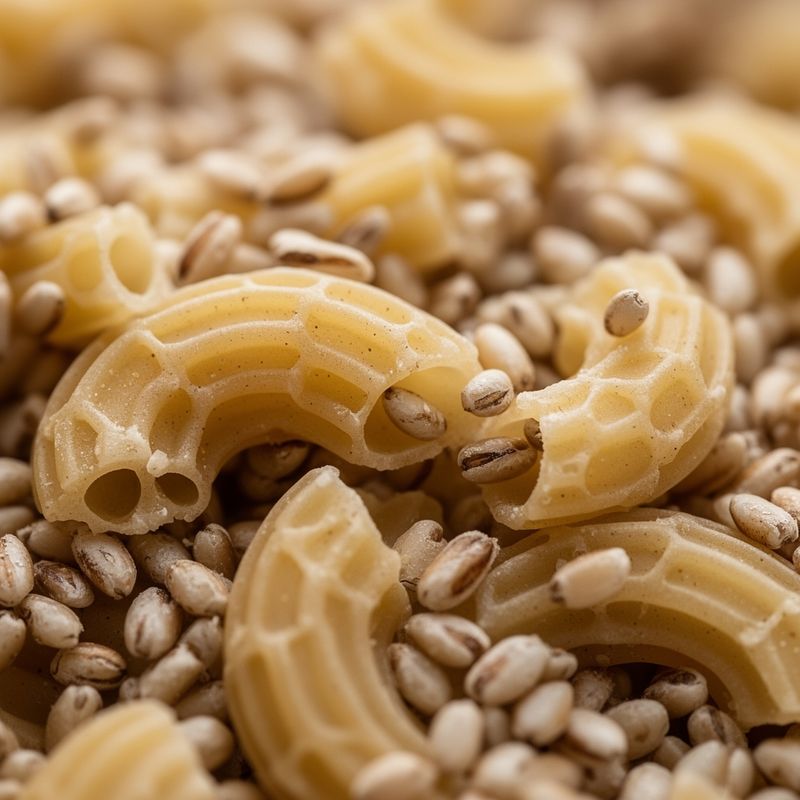
1 Boosts dietary fiber– whole wheat delivers roughly 6‑7 g of fiber per 2‑oz (56 g) serving, compared with 2‑3 g in the white version. Fiber is the primary prebiotic that fuels beneficial bacteria
2 Adds micronutrients– iron, magnesium, zinc, and B‑vitamins are concentrated in the bran and germ, giving whole wheat a richer nutrient profile
3 Lowers the glycemic index (GI)– the intact fiber slows carbohydrate absorption, resulting in a gentler rise in blood glucose
The regular Barilla pasta, on the other hand, uses refined durum wheat semolina The milling process strips away the outer layers, leaving a product that’s lower in fiber but still high in protein (about 7 g per serving) and gluten, which preserves that satisfying "al dente" bite
Nutritional Snapshot: Whole Wheat vs. Regular
| Nutrient (per 2 oz / 56 g cooked) | Barilla Whole Wheat | Barilla Regular (Semolina) |
|---|---|---|
| Calories | 190 kcal | 200 kcal |
| Protein | 7 g | 7 g |
| Total Carbohydrate | 39 g | 42 g |
| Dietary Fiber | 6 g | 2 g |
| Sugar | 1 g | 1 g |
| Fat | 1 g | 1 g |
| Sodium | 0 mg | 0 mg |
| Glycemic Index (estimated) | 45‑50 | 55‑60 |
| Micronutrients (per serving) | ↑ Iron, Mg, B‑vitamins | Lower levels |
These numbers come from Barilla’s own label breakdown and USDA FoodData Central entries (see the Barilla: fiber, protein & GI analysis for the exact values). The most striking difference is the four‑fold increase in fiber in the whole‑grain version
Fiber: The Fuel for Your Microbial Engine
How Fiber Talks to Bacteria
When you eat fiber, it travels largely untouched through the stomach and small intestine. Once it reaches the colon beneficial bacteria ferment the fiber producing short‑chain fatty acids (SCFAs) such as acetate, propionate, and butyrate These SCFAs serve several crucial functions
Butyrate feeds colon cells, reinforcing the gut barrier and reducing inflammation
Propionate helps regulate appetite and glucose production in the liver
Acetate enters the bloodstream and can be used for energy by peripheral tissues
A diet rich in whole‑grain pasta therefore promotes a diverse, SCFA‑producing microbiota In contrast, low‑fiber refined pasta provides little substrate for these microbes, potentially allowing less beneficial species to dominate
Evidence from Human Studies
Research published in Nutrients (2021) showed that participants who swapped refined pasta for whole‑grain pasta increased fecal butyrate levels by 30 % after just four weeks. The same study reported a rise in Bifidobacterium and Lactobacillus counts—both hallmark genera of a healthy gut
If you’re looking for a quick way to boost your gut microbiome swapping a single serving of regular pasta for whole‑grain can be a low‑effort, high‑reward strategy
Glycemic Index: Why It Matters for Microbes and Metabolism
The glycemic index (GI) measures how quickly carbohydrate‑rich foods raise blood glucose. High‑GI foods cause rapid spikes, which can lead to insulin surges and, over time, insulin resistance. But the story doesn’t stop at your pancreas
GI and Microbial Composition
A high‑GI diet tends to favor proteolytic bacteria that break down proteins rather than carbohydrates. These bacteria produce potentially harmful metabolites like ammonia and phenols Conversely, lower‑GI foods like whole‑grain pasta encourage carbohydrate‑fermenting bacteria fostering a healthier SCFA profile
Practical Implications
For athletes, the slightly higher GI of regular pasta can be useful post‑workout when rapid glycogen replenishment is desired. However, for everyday meals aimed at steady energy and gut health the lower GI of whole‑grain pasta is the smarter choice
Protein: More Than Muscle Building
Both Barilla whole‑wheat and regular pasta deliver about 7 g of protein per serving making them comparable in this macronutrient. What differs is the amino‑acid profile and the interaction with fiber
Protein‑Fiber Synergy
When protein and fiber are consumed together, the fiber slows protein digestion, leading to a more gradual release of amino acids This can improve satiety and reduce the post‑meal spike in blood urea nitrogen, which is beneficial for kidney health
The Protein+ Alternative
Barilla also offers a Protein+line that provides 10 g of protein per serving (see the Barilla Protein Pasta vs Regular label breakdown). While the extra protein may appeal to strength‑focused eaters, the product still contains refined wheat, meaning it lacks the fiber boost that whole‑grain provides for the microbiome
Whole Wheat Pasta and Cardiovascular Health
The American Heart Association cites dietary fiber as a key factor in lowering LDL cholesterol and reducing heart disease risk. Whole‑grain pasta, with its higher fiber content, can lower total cholesterol by 5‑10 mg/dL when incorporated into a heart‑healthy diet
A 2020 meta‑analysis of randomized controlled trials found that whole‑grain consumption reduced systolic blood pressure by 1.5 mm Hg on average. While pasta is only one component of a diet, swapping refined pasta for whole‑grain can contribute to these cumulative benefits
Practical Tips: Making the Switch Seamlessly
| Situation | Recommended Pasta | Serving Suggestion | Gut‑Boosting Add‑Ons |
|---|---|---|---|
| Weeknight family dinner | Barilla Whole Wheat | 2 oz (dry) per adult | Add a handful of broccoli florets and a drizzle of extra‑virgin olive oil (olive oil contains polyphenols that further support gut health) |
| Post‑workout carb refill | Barilla Regular (if speed matters) | 1.5 oz (dry) + protein‑rich sauce (e.g., turkey Bolognese) | Pair with fermented veggies like kimchi for a probiotic punch (see our guide on [Fermented foods: kimchi, kefir, miso & gut microbiome](https://www.luminatens.com/en/blog/fermented-foods-kimchi-kefir-miso-gut-microbiome)) |
| Weight‑management plan | Barilla Whole Wheat | 2 oz (dry) + low‑calorie tomato sauce | Sprinkle ground flaxseed for omega‑3s and extra soluble fiber (learn why soluble fiber matters in [Soluble Fiber: Boost Gut Health & Blood Sugar](https://www.luminatens.com/en/blog/soluble-fiber-boost-gut-health-blood-sugar)) |
Cooking Hacks
Don’t overcook Over‑cooking destroys some of the fiber’s structural integrity, making it easier for bacteria to access, but it also reduces the "al dente" texture that signals slower digestion
Use a splash of water from the pasta when mixing with sauce. The starchy water contains resistant starch, another prebiotic that feeds beneficial microbes
Add a pinch of sea salt– sodium itself doesn’t affect the microbiome, but it enhances flavor, encouraging you to enjoy the meal and stick with the healthy habit
Whole Wheat vs. Regular: Which Is Better for the Microbiome?
Short answerWhole‑grain Barilla pasta wins for gut health.
Why?
1 Higher fiber→ more substrate for SCFA‑producing bacteria
2 Lower GI→ promotes carbohydrate‑fermenting microbes over proteolytic ones
3 Micronutrient density→ supports overall metabolic health, indirectly benefiting the gut
That said individual goals matter If you need a quick carb boost after intense training, the regular pasta’s slightly higher GI can be advantageous, especially when paired with a protein‑rich sauce and a side of fermented vegetables to keep the microbiome happy
Frequently Asked Questions
Q: Does whole‑grain pasta contain gluten?
A: Yes. Barilla Whole Wheat is made from durum wheat, so it contains gluten. Those with celiac disease should opt for gluten‑free alternatives like lentil or quinoa pasta
Q: How much whole‑grain pasta should I eat daily?
A: The Dietary Guidelines for Americans recommend at least 3 servings of whole grains per day One serving of whole‑grain pasta (2 oz dry) counts as one of those servings
Q: Can I freeze cooked whole‑grain pasta?
A: Absolutely. Cool the pasta quickly, toss with a little olive oil, and store in airtight containers for up to 3 months. Thaw and reheat for a gut‑friendly meal anytime
Bottom Line: A Small Swap with Big Benefits
Choosing Barilla Whole Wheat over the regular version is more than a calorie‑counting decision; it’s a strategic move to feed your gut microbiota stabilize blood sugar, and support heart health. By integrating whole‑grain pasta into balanced meals—paired with vegetables, healthy fats, and occasional fermented foods—you’ll create a dietary pattern that nurtures the trillions of microbes that, in turn, nurture you
For a deeper dive into how fiber works in the body, check out our article on Soluble Fiber: Boost Gut Health & Blood Sugar Want to explore the broader world of gut‑friendly foods? Our guide on Fermented foods: kimchi, kefir, miso & gut microbiome is a great next step. And if you’re curious about the full nutrient profile of Barilla’s pasta lines, see the comprehensive breakdown in Barilla: fiber, protein & GI of whole, semi & white pasta
Takeaway Swap one regular pasta dinner a week for whole‑grain, and you’ll be feeding your gut the fiber it craves, supporting a balanced microbiome, and moving a step closer to optimal health
🔍 FoodReveal helps you decode nutrition labels beyond marketing. Available for Android and iOS.