

When you stand in the pasta aisle or browse the bread section at your local grocery store, you’re likely encountering two dominant players in the wheat world durum wheat and common wheat (often labeled as whole wheat or bread wheat). While both come from the same botanical family, their differences in texture, nutrition, and culinary applications can significantly impact your meals—and your health. Did you know that durum wheat contains nearly six times more selenium than the average gluten-free grain, while common wheat doughs bounce back with higher elasticity, making them ideal for bread? Or that despite their similar caloric content, the type of wheat you choose can influence everything from digestion to blood sugar levels?
This deep dive explores the genetic, nutritional, and functional distinctions between durum wheat and other wheat varieties, including whole wheat Triticum aestivum (common wheat), and heritage grains like Einkorn. Whether you're a home cook, an athlete monitoring macros, or someone managing gluten sensitivity, understanding these differences will help you make informed choices for your pantry—and your well-being
What Is Durum Wheat—and How Does It Compare to Other Wheat Types?
Origins and Production
Durum wheat (Triticum durum), often called pasta wheat is a hard wheat cultivated primarily in the Mediterranean, North America, and parts of India. Its name derives from the Latin durum meaning "hard," which refers to its dense, vitreous kernel—essential for producing high-quality pasta. Unlike common wheat (Triticum aestivum), which dominates global bread production, durum wheat thrives in drier climates and has a longer shelf life due to its lower moisture content
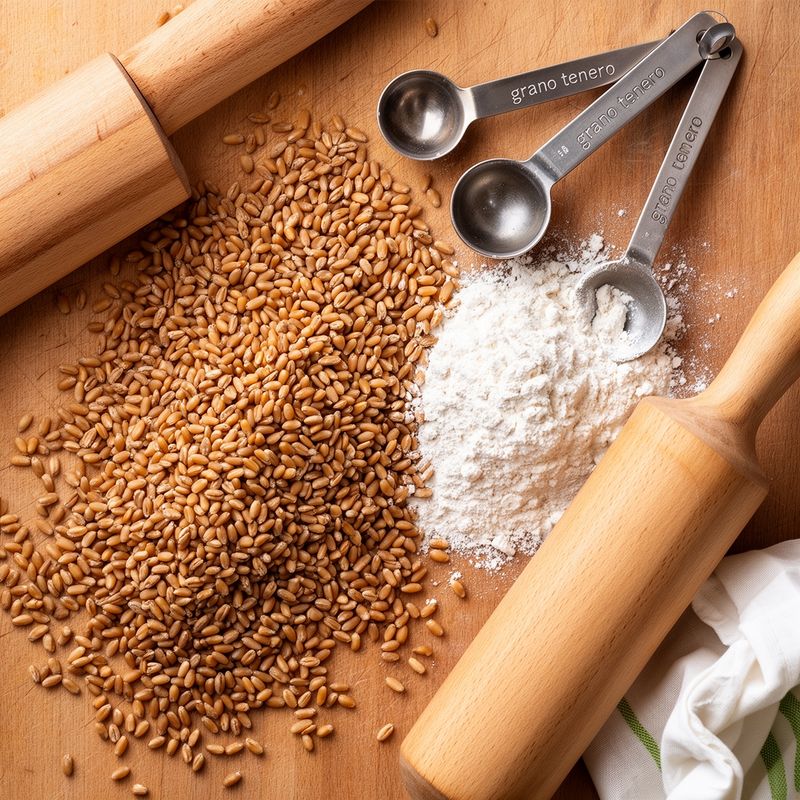
Common wheat, on the other hand, is the world’s most widely grown cereal crop, accounting for 95% of global wheat production It’s softer, more elastic, and better suited for bread, pastries, and crackers. Whole wheat refers to unrefined common wheat where the bran, germ, and endosperm are retained, offering higher fiber and nutrients than white flour
Other notable wheat varieties include
- Einkorn (Triticum monococcum): One of the oldest cultivated wheats, prized for itscontent but rarely used in modern commercial products
- Kamut® (Triticum turanicum): A heritage grain withthan gluten-free grains and a nutty flavor, often used in artisanal bread
- Rajwadi Wheat A regional Indian variety with 12.2g of fiber per 100g nearly double that of standard whole wheat
Processing Differences
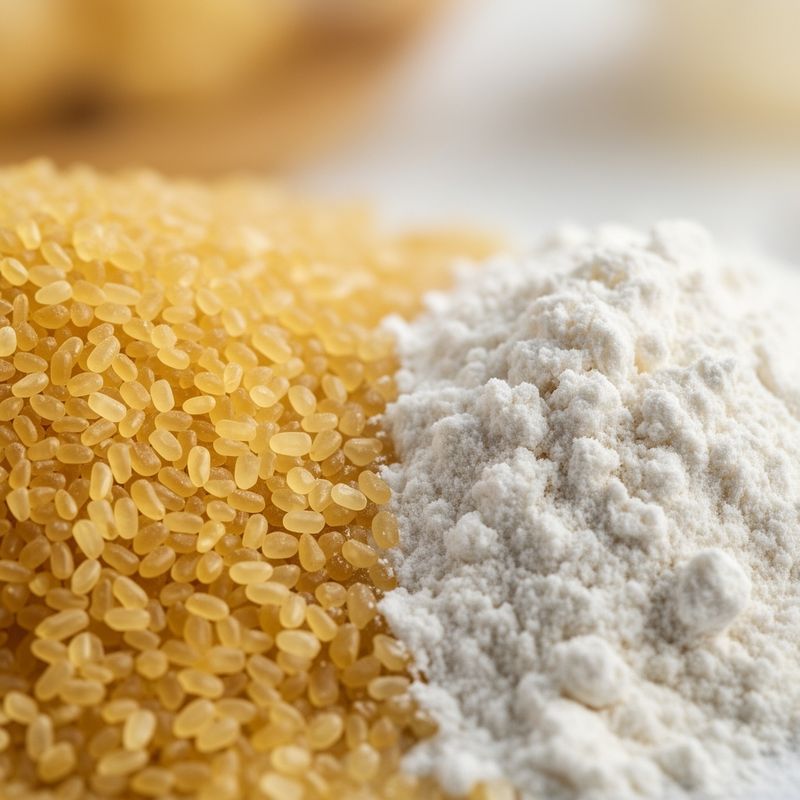
Durum wheat undergoes semolina milling where the grain is ground into coarse particles ideal for pasta. This process preserves its golden-yellow color and firm texture, preventing mushiness when cooked. Common wheat, however, is typically milled into fine flour for bread, requiring higher elasticity to trap gases during fermentation
Fun fact: The "al dente" texture of pasta comes from durum wheat’s high protein content (12–15%), which forms a strong gluten network. Common wheat, with slightly less protein (10–12%), makes doughs that stretch but don’t hold shape as firmly
For a closer look at how milling affects nutritional quality, check out our guide on Barilla whole wheat vs regular: which pasta calms more? where we break down glycaemic responses
Detailed Nutritional Comparison: Durum Wheat vs Common Wheat vs Whole Wheat
To truly understand the differences, let’s compare the nutritional profiles of 100g servings of durum wheat semolina, common wheat flour, and whole wheat flour Note: Values may vary slightly by brand and growing conditions
| Nutrient | Durum Wheat Semolina | Common Wheat Flour (White) | Whole Wheat Flour | Einkorn Flour | Rajwadi Wheat |
|---|---|---|---|---|---|
| Calories | 339 | 364 | 339 | 338 | 339 |
| Carbohydrates (g) | 71.1 | 76.3 | 71.2 | 68.0 | 71.2 |
| Protein (g) | 13.7 | 10.3 | 13.2 | 14.5 | 11.8 |
| Fat (g) | 1.5 | 1.0 | 1.9 | 2.5 | 1.9 |
| Dietary Fiber (g) | 3.9 | 2.7 | 10.7 | 10.0 | 12.2 |
| Iron (mg) | 3.5 | 4.4 | 3.6 | 4.2 | 3.6 |
| Zinc (mg) | 2.2 | 0.7 | 2.6 | 3.0 | 2.8 |
| Magnesium (mg) | 120 | 22 | 138 | 140 | 127 |
| Selenium (µg) | 89.4 | 33.9 | 70.7 | 60.0 | Official data not currently available |
| Phosphorus (mg) | 508 | 108 | 357 | 400 | Official data not currently available |
| Potassium (mg) | 186 | 107 | 363 | 400 | Official data not currently available |
Key Takeaways
Fiber Content Whole wheat flour leads with 10.7g of fiber per 100g nearly three times that of durum wheat (3.9g) and white flour (2.7g). Rajwadi wheat, a regional variety, boasts an impressive 12.2g making it one of the highest-fiber options
- Why it matters Higher fiber supports gut health regulates blood sugar, and promotes satiety. For a deeper dive into fiber’s role, explore our article on Whole Grain Crackers: Best Choices
Protein Durum wheat (13.7g) and Einkorn (14.5g) outperform common wheat (10.3g), making them better for muscle repair and pasta firmness However, common wheat’s lower protein content is ideal for soft, airy breads
Micronutrients
- Selenium Durum wheat and Kamut® have 6–8 times more selenium than gluten-free grains, supporting thyroid function and antioxidant activity
- Magnesium Whole wheat (138mg) and Einkorn (140mg) double the amount in white flour (22mg), crucial for nerve function and blood pressure regulation
- Zinc Durum wheat (2.2mg) and Rajwadi (2.8mg) surpass white flour (0.7mg), aiding immune health
Phosphorus and Potassium Durum wheat stands out with 508mg phosphorus and 186mg potassium nearly five times the levels in white flour. These minerals support bone health and muscle contraction
Important note: While Einkorn and heritage wheats often boast higher nutrient levels, they’re less accessible and more expensive. Durum and whole wheat offer a balanced, cost-effective alternative for daily consumption
Ingredients and Quality Analysis: What’s Really in Your Wheat?
Label Decoding
When purchasing wheat products ingredient lists and processing methods reveal more than nutrition labels alone. Here’s what to look for
Durum Wheat Products (Pasta, Couscous)
- Ideal Ingredients Durum wheat semolina, water (or whole durum wheat for whole-grain versions)
- Red Flags
- Enriched wheat flour Indicates refined flour, stripped of bran and germ
- Additives Preservatives like sodium metabisulfite (used in some commercial pastas to extend shelf life) or mono- and diglycerides (emulsifiers)
Common Wheat Products (Bread, Pastries, Crackers)
- Ideal Ingredients Whole wheat flour, water, yeast, salt (for bread) whole grain flour (for crackers)
- Red Flags
- Bleached flour Treated with chemicals like chlorine dioxide to whiten flour, which may reduce nutrient availability
- High-fructose corn syrup (HFCS) Often added to commercial bread for softness
- DATEM (Diacetyl Tartaric Acid Esters of Mono- and Diglycerides) An emulsifier that improves dough stability but may disrupt gut microbiota (see our article on Barilla whole wheat vs regular: gut microbiota for details)
Heritage Wheats (Einkorn, Kamut®, Spelt)
- Ideal Ingredients Organic [grain name] flour, water (no additives)
- Red Flags
- Non-organic certification Heritage wheats are often more pesticide-sensitive than conventional wheat
- Cross-contamination labels May contain traces of gluten (though Einkorn has lower gluten toxicity for some sensitive individuals)
Processing Methods Matter
- Stone-Ground vs Steel-Rolled Stone-ground flour retains more nutrients because the germ isn’t removed. Steel-rolled flour, common in commercial products, often lacks vitamin E and B vitamins
- Sprouted Grains Sprouting increases digestibility and nutrient absorption (e.g., sprouted whole wheat bread). Look for brands like Angelic Bakehouse or Food for Life
Pro tip: If you’re gluten-sensitive, Einkorn and Kamut® may be gentler options than durum or common wheat due to their different gluten protein structures. However, they’re not safe for celiacs
Benefits and Potential Downsides: Who Should Choose What?
Benefits of Durum Wheat
✅Superior Pasta Texture The high protein and gluten strength of durum wheat create al dente pasta that holds up during cooking
✅Rich in Selenium Supports thyroid function and antioxidant defense reducing inflammation
✅Longer Shelf Life Lower moisture content prevents rancidity, making it ideal for pantry staples like pasta and couscous
Downsides of Durum Wheat
❌Lower Fiber With only 3.9g per 100g it’s less filling than whole wheat (10.7g), potentially spiking blood sugar
❌Limited Bread Applications Its low elasticity makes it poor for bread, leading to dense, crumbly loaves
❌Potential Inflammatory Effects Some studies suggest modern dwarf wheat varieties (including durum) may trigger insulin resistance and weight gain in susceptible individuals, though more research is needed
Benefits of Common Wheat (Whole Wheat)
✅Versatility Works for bread, pastries, and crackers due to its high elasticity
✅Higher Fiber Whole wheat flour promotes digestive health, satiety, and stable blood sugar
✅Widely Available Affordable and accessible in all grocery stores unlike heritage grains
Downsides of Common Wheat
❌Gluten Sensitivity Contains gliadin and glutenin proteins that can trigger celiac disease or non-celiac gluten sensitivity in some people
❌Refined Flour Risks White flour lacks fiber and micronutrients, contributing to blood sugar spikes and nutrient deficiencies
❌Additives Many commercial breads contain preservatives, dough conditioners, and sugars that negate health benefits
Who Should Choose Which?
| Audience | Best Choice | Avoid | Why? |
|---|---|---|---|
| Athletes | Durum wheat pasta | White flour bread | Higher protein for muscle repair; complex carbs for sustained energy. |
| Diabetics/Pre-Diabetics | Whole wheat or Einkorn | Durum wheat pasta | Lower glycemic index due to higher fiber. |
| Children | Whole wheat bread/crackers | Refined flour products | Higher fiber and nutrients support growth and cognitive function. |
| Gluten-Sensitive | Einkorn or Kamut® | Durum/Common wheat | Lower gluten toxicity; consult a doctor before trying. |
| Elderly | Whole wheat or Rajwadi | White flour | Higher fiber and magnesium support heart health and digestion. |
| Budget-Conscious | Whole wheat or common wheat | Heritage grains | More affordable while still offering health benefits. |
For a comparison of how protein sources stack up, check out Plant vs Animal Protein: Vega vs Optimum Nutrition
Which Should You Choose? A Practical Guide
For Pasta Lovers
Choose durum wheat if
- You prioritize texture and cooking performance (e.g., al dente spaghetti)
- You’re not gluten-sensitive and want a high-protein, selenium-rich option
- You’re making Mediterranean dishes like lasagna or couscous
Avoid durum wheat if
- You’re watching blood sugar levels (opt for whole wheat or legume-based pasta)
- You prefer softer, bread-like textures (e.g., gnocchi)
Try this Whole wheat durum pasta (e.g., Barilla’s Whole Grain line) offers a middle ground— fiber from whole wheat + protein from durum
For Bread and Baking
Choose common wheat (whole wheat) if
- You’re making sandwich bread, rolls, or pizza dough
- You want higher fiber and micronutrients for better digestion
- You’re baking pastries (whole wheat adds a nutty flavor)
Avoid common wheat if
- You have celiac disease or gluten intolerance (try Einkorn or gluten-free blends)
- You’re sensitive to FODMAPs (whole wheat can cause bloating)
Try this Sprouted whole wheat bread (e.g Dave’s Killer Bread) for easier digestion and higher nutrient absorption
For Snacks and Crackers
Choose whole wheat or heritage grains if
- You want crunchy, fiber-rich snacks (e.g., Trader Joe’s Whole Wheat Crackers)
- You’re pairing with cheese or dips (whole wheat holds up better)
Avoid refined flour crackers if
- You’re monitoring weight or blood sugar (opt for nut-based or seed-based crackers)
Try this Homemade whole wheat crackers with flaxseeds and olive oil for a nutrient-dense snack
For Special Diets
- Low-Carb/Keto Replace wheat with almond flour or coconut flour
- Paleo Use cassava flour or arrowroot starch
- Diabetic-Friendly Pair durum wheat pasta with protein/fiber (e.g., chicken and vegetables) to lower glycemic impact
Recipes and Pairing Suggestions: How to Use Each Wheat Type
Classic Durum Wheat Pasta with Garlic and Olive Oil
Ingredients
- 8 oz (225g) durum wheat spaghetti (e.g., Barilla)
- 3 tbsp extra-virgin olive oil
- 4 garlic cloves thinly sliced
- ½ tsp red pepper flakes
- ¼ cup fresh parsley chopped
- ½ cup grated Parmesan (optional)
- Salt and black pepper to taste
Instructions
- Cook pasta al dente in salted boiling water for 8–10 minutes Reserve ½ cup pasta water
- In a large skillet, heat olive oil over medium-low heat Add garlic and red pepper flakes; sauté until fragrant (30 seconds)
- Add cooked pasta, tossing to coat. Add 2–3 tbsp pasta water to emulsify
- Stir in parsley and Parmesan. Season with salt and pepper
Pairing Serve with grilled shrimp or roasted vegetables for a balanced meal
Whole Wheat Sourdough Bread
Ingredients
- 3 cups (360g) whole wheat flour
- 1 ¼ cups (300ml) warm water
- 1 tsp active dry yeast
- 1 tsp salt
- 1 tbsp honey (optional, for fermentation)
- ½ cup sourdough starter (or 1 packet instant yeast)
Instructions
- Mix flour, water, yeast, salt, and honey. Let rest 30 minutes (autolyse)
- Add sourdough starter and knead for 10 minutes until elastic
- Proof for 4–6 hours (or overnight in the fridge)
- Shape into a loaf, proof again for 1–2 hours then bake at 450°F (230°C) for 30–35 minutes
Pairing Toast with avocado and everything bagel seasoning or use for grilled cheese
Einkorn Banana Pancakes (Gluten-Friendly)
Ingredients
- 1 cup (120g) Einkorn flour
- 1 tsp baking powder
- ½ tsp cinnamon
- 1 ripe banana mashed
- 1 egg
- ½ cup (120ml) milk (or almond milk)
- 1 tbsp maple syrup
- 1 tsp vanilla extract
Instructions
- Whisk dry ingredients. In another bowl, mix banana, egg, milk, syrup, and vanilla
- Combine wet and dry ingredients; let batter rest 5 minutes
- Cook on a greased skillet over medium heat until bubbles form (2–3 minutes per side)
Pairing Top with Greek yogurt and berries for a high-protein breakfast
Final Verdict: Durum Wheat vs Others—Which Wins?
The "best" wheat depends on your goals, health, and culinary needs Here’s a quick cheat sheet
| Goal | Winner | Runner-Up | Avoid |
|---|---|---|---|
| Best Pasta | Durum wheat | Whole wheat | White flour pasta |
| Best Bread | Whole wheat | Common wheat (white) | Refined flour bread |
| Highest Fiber | Rajwadi or whole wheat | Einkorn | White flour |
| Highest Protein | Einkorn | Durum wheat | White flour |
| Blood Sugar Control | Whole wheat or Einkorn | Durum wheat | White flour |
| Gluten Sensitivity | Einkorn or Kamut® | – | Durum/Common wheat |
| Budget-Friendly | Whole wheat | Common wheat | Heritage grains |
For most people whole wheat is the healthiest choice due to its fiber, versatility, and affordability However durum wheat shines for pasta lovers offering superior texture and selenium content If you can splurge Einkorn or Kamut®provide higher nutrients and digestibility though they’re less accessible
🔍 Want to know exactly what's in a product before you buy it? With you scan the label in seconds and get a full breakdown of ingredients, additives and nutritional values — in plain language, no expertise required
🔍 FoodReveal helps you decode nutrition labels beyond marketing. Available for Android and iOS.
Leave a review