



plant vs animal protein: vega: a detailed nutritional comparison. Key nutritional values include 100%, 24 g, 30 g. Learn the differences and make informed choices at the supermarket with FoodReveal.
Key Facts
The protein supplement aisle has become a battleground of choices. On one side you have the classic, milk‑derived whey powders that have dominated gyms for decades. On the other, a wave of plant‑based options promising the same muscle‑building power without animal ingredients. Two of the most recognizable names in this debate are Vega the pioneer of vegan protein blends, and Optimum Nutrition (ON) the gold standard of whey. In this deep‑dive we’ll unpack the science, nutrition, taste, sustainability, and price of each product so you can decide which fits your goals and lifestyle
The Basics: What Makes a Protein “Complete”?
Protein is made up of 20 different amino acids. Nine of these are essential amino acids (EAAs) that your body cannot synthesize and must obtain from food. A complete protein supplies all nine EAAs in sufficient quantities. Traditionally, animal proteins—meat, dairy, eggs—have been labeled complete, while most single‑source plant proteins (like rice or pea) fall short on one or more EAAs
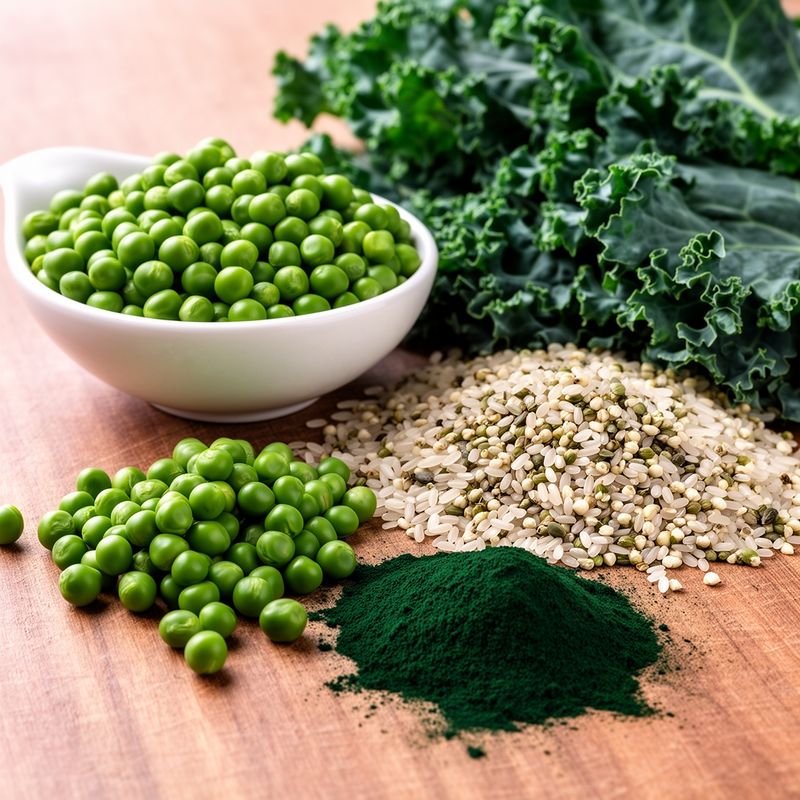
However, modern plant blends can achieve completeness by combining complementary sources. For example, pea is low in methionine but high in lysine, while rice is the opposite. When mixed, they cover the full EAA spectrum. This is the strategy behind Vega’s formulas
Animal vs. Plant Protein – The Science
| Aspect | Animal (Whey) | Plant (Vega blend) |
|---|---|---|
| Complete? | Yes – naturally contains all 9 EAAs | Yes – achieved through multi‑source blend (pea, pumpkin seed, sunflower seed, etc.) |
| Digestibility | Very high (PDCAAS 1.0) | Slightly lower (PDCAAS 0.8‑0.9) but improved by processing |
| Leucine content | Typically 10‑12% of total protein (key for muscle protein synthesis) | Around 8‑9% – still adequate for most active adults |
| BCAA profile | Rich in branched‑chain amino acids (BCAAs) | Lower BCAAs, but still present |
| Fiber & Phytonutrients | Minimal – whey is a milk isolate | Contains dietary fiber, antioxidants, and micronutrients |
| Allergen potential | Lactose, dairy allergy | Generally soy‑free; may contain pumpkin or sunflower allergens |
The differences matter most when you consider your personal goals If you’re chasing maximal post‑workout muscle protein synthesis (MPS), the higher leucine and BCAA content of whey gives it a slight edge. If you value gut health, fiber, or follow a vegan lifestyle, the plant blend offers broader benefits
Vega’s Plant‑Based Powerhouse
Vega’s flagship Gold Standard 100% Plant (or Vega One All‑In‑One) delivers 24 g of protein per 30 g scoop (≈ 1 oz). The protein matrix includes
Pea protein isolate– the primary source, rich in lysine
Pumpkin seed protein– adds methionine and healthy fats
Sunflower seed protein– contributes additional EAAs and vitamin E
Alfalfa and spinach powders– boost micronutrients and antioxidants
Beyond protein, each scoop provides 5 g of fiber 2 g of sugar and a blend of vitamins and minerals (vitamin C, B‑complex, iron, calcium). The formula is non‑GMO, gluten‑free, soy‑free and sweetened with stevia and natural flavors
Nutritional Snapshot (per 30 g scoop)
| Nutrient | Amount |
|---|---|
| Calories | 130 kcal |
| Protein | 24 g |
| Carbohydrates | 7 g |
| – Sugar | 2 g |
| – Fiber | 5 g |
| Fat | 2 g |
| Sodium | 150 mg |
| BCAAs | ~5 g |
| Leucine | ~2 g |
| Vitamin C | 30 % DV |
| Iron | 15 % DV |
BCAAs are an estimate based on ingredient analysis
Optimum Nutrition’s Whey Gold Standard
Optimum Nutrition (ON) is a staple in the bodybuilding community. Their Gold Standard 100% Whey provides 24 g of protein per 30 g scoop (≈ 1 oz) from a blend of
Whey protein isolates– ~90 % of the blend, offering the highest purity
Whey protein concentrate– adds a small amount of carbs and flavor
Digestive enzymes– lactase and aminogen for smoother digestion
The product is flavored with natural and artificial flavors sweetened with sucralose and acesulfame potassium, and contains no soy or gluten
Nutritional Snapshot (per 30 g scoop)
| Nutrient | Amount | |||
|---|---|---|---|---|
| Calories | 120 kcal | |||
| Protein | 24 g | |||
| Carbohydrates | 3 g | |||
| – Sugar | 1 g | |||
| – Fiber | 0 g | |||
| Fat | 1 g | \s | Sodium | 100 mg |
| BCAAs | 5.5 g | |||
| Leucine | 2.5 g |
BCAAs are listed on the label
Direct Nutritional Comparison
| Feature | Vega Gold Standard 100% Plant | Optimum Nutrition Gold Standard 100% Whey |
|---|---|---|
| Protein (g) per scoop | 24 | 24 |
| Calories (kcal) | 130 | 120 |
| Carbs (g) | 7 | 3 |
| – Sugar (g) | 2 | 1 |
| – Fiber (g) | 5 | 0 |
| Fat (g) | 2 | 1 |
| Sodium (mg) | 150 | 100 |
| BCAAs (g) | ~5 | 5.5 |
| Leucine (g) | ~2 | 2.5 |
| Vitamin & mineral blend | Yes (C, B‑complex, iron, calcium) | No |
| Sweetener | Stevia (natural) | Sucralose + acesulfame K |
| Allergen profile | Soy‑free, gluten‑free, dairy‑free | Dairy (milk), may contain trace soy |
| Sustainability rating | High – plant‑based, lower water footprint | Moderate – dairy farming impact |
Based on typical lifecycle assessments for plant vs. animal protein production
Digestibility & Amino Acid Quality
Whey’s Protein Digestibility‑Corrected Amino Acid Score (PDCAAS) is the gold standard at 1.0 meaning virtually all the protein is absorbed. Plant blends usually score 0.8‑0.9 because of anti‑nutrients like phytates, but modern processing (spray‑drying, enzyme treatment) narrows the gap
For most recreational athletes, the slight digestibility edge of whey won’t translate into noticeable performance differences. However, elite strength athletes or those training in a fasted state may benefit from whey’s rapid absorption (peak plasma amino acids within 30‑60 minutes)
Health Benefits Beyond Muscle
Gut Health & Satiety
Vega’s inclusion of 5 g of fiber per scoop supports regularity, feeds beneficial gut bacteria, and can blunt post‑meal glucose spikes. If you’re managing blood sugar, the fiber advantage is significant—see also our guide on Zero Added Sugar: facts, label tricks & 5 snacks
Micronutrients & Antioxidants
The added vitamins and minerals in Vega give a modest nutritional boost, especially for vegans who might otherwise fall short on iron or B‑12 (though B‑12 is not present in this blend). The plant matrix also provides phytonutrients like lutein and flavonoids, which have anti‑inflammatory properties
Kidney Considerations
High protein intake can stress the kidneys in individuals with pre‑existing renal disease. Plant proteins generate lower renal acid load compared to animal proteins, making them a gentler option for those monitoring kidney health. For a deeper dive, read our article on Kidney health: balancing protein, potassium & phosphorus
Weight Management
Both powders are low‑calorie, but Vega’s fiber can promote fullness, potentially reducing overall calorie intake. Whey’s rapid amino acid surge, however, may better preserve lean mass during calorie restriction
Taste, Mixability, and Real‑World Use
Flavor Profile
- Vega The natural‑sweet stevia base yields a subtle, earthy sweetness. Many users report a mild “green” aftertaste, especially in chocolate or vanilla flavors
- ON Whey Known for its smooth, dessert‑like taste. The artificial sweeteners give a clean finish with virtually no aftertaste
Mixability
- Vega Works well with water, almond milk, or oat milk; may require a shaker bottle or blender to avoid clumping due to the fiber content
- ON Whey Dissolves quickly in cold water or milk; ideal for a quick shake on the go
Culinary Flexibility
Both powders can be added to smoothies, oatmeal, or baked goods. Vega’s extra fiber makes it a handy thickener for recipes, while whey’s neutral flavor pairs well with fruit‑based desserts
Sustainability and Environmental Impact
Producing 1 kg of whey protein typically requires~10 L of water and generates higher greenhouse gas emissions due to dairy farming. Plant proteins, especially peas, have a water footprint 5‑10× lower and emit far fewer CO₂ equivalents
If environmental stewardship is a priority, Vega’s plant‑based approach aligns better with the Dietary Guidelines for Americans recommendation to increase plant protein intake for both health and planetary reasons
Cost, Availability, and Brand Trust
| Brand | Approx. Price (USD) per 2‑lb (≈ 907 g) | Availability |
|---|---|---|
| Vega Gold Standard 100% Plant | $45‑$55 | Amazon, Whole Foods 365, Trader Joe’s (select SKUs) |
| Optimum Nutrition Gold Standard 100% Whey | $30‑$40 | Amazon, GNC, Walmart, most big‑box gyms |
ON enjoys broader retail penetration and often runs promotions, making it the more budget‑friendly option. Vega’s premium positioning reflects its plant‑based ingredient list and added micronutrients
Who Should Choose Which?
| Goal / Preference | Choose Vega | Choose ON Whey |
|---|---|---|
| Vegan / dairy‑free diet | ✅ | ❌ |
| Prioritize gut health & fiber | ✅ | ❌ |
| Maximize rapid MPS post‑workout | ❌ (good but slower) | ✅ |
| Tight budget / widespread retail | ❌ (slightly pricier) | ✅ |
| Low environmental impact | ✅ | ❌ |
| Sensitive to artificial sweeteners | ✅ (stevia) | ❌ (sucralose) |
Bottom Line
Both Vega and Optimum Nutrition deliver 24 g of high‑quality protein per serving but they do so with distinct trade‑offs Vega shines for vegans, gut health enthusiasts, and eco‑conscious consumers, offering added fiber, micronutrients, and a lower carbon footprint Optimum Nutrition Whey remains the go‑to for athletes seeking the fastest amino acid delivery, a clean flavor, and a lower price point
Your choice should align with your dietary ethics, performance goals, and budget. Many athletes even rotate both—using whey around intense training sessions and Vega on rest days or when they want a nutrient‑dense shake
For a side‑by‑side taste test, see our previous comparison of Vegan MyProtein vs whey Quest bars: macros & low‑sugar
If you’re curious about how protein interacts with blood sugar, check out the article on Zero Added Sugar: facts, label tricks & 5 snacks
Concerned about kidney health while upping protein? Our deep dive on Kidney health: balancing protein, potassium & phosphorus provides practical tips.
Takeaway Whether you pick Vega’s plant‑centric blend or ON’s whey classic, the most important factor is consistency. Pair your chosen protein with a balanced diet, adequate hydration, and a training program that matches your ambitions, and you’ll see results
Frequently Asked Questions
Q: Can I use Vega as a post‑workout shake?
A: Absolutely. While whey spikes amino acids faster, Vega’s 24 g of protein plus 5 g of fiber still supports recovery, especially if you’re training in a fasted state or prefer a vegan option
Q: Is whey safe for lactose‑intolerant people?
A: Optimum Nutrition’s isolate‑heavy formula contains≤1 % lactose making it tolerable for many with mild intolerance, but those with severe lactose sensitivity may still experience discomfort
Q: How many scoops per day are advisable?
A: Most adults need 0.8‑1.2 g of protein per kilogram of body weight from all sources. A single scoop (24 g) typically covers 20‑30 % of daily needs for active individuals; additional servings are fine if total protein stays within 1.6‑2.2 g/kg for muscle gain
Q: Do plant proteins cause bloating?
A: The fiber in Vega can cause gas for some, especially if you’re not used to high‑fiber diets. Start with half a scoop mixed with water and gradually increase
Q: Which product is better for weight loss?
A: Both are low‑calorie, but Vega’s fiber can aid satiety. Pair either with a calorie‑controlled diet and regular exercise for optimal results
Final recommendation If you’re vegan, environmentally conscious, or looking for extra micronutrients go with Vega Gold Standard 100% Plant If you prioritize rapid muscle recovery, love a classic dessert‑like flavor, and want a budget‑friendly option Optimum Nutrition Gold Standard Whey remains the benchmark
Enjoy your protein journey—whichever side you choose, consistency and quality will drive the gains
🔍 FoodReveal helps you decode nutrition labels beyond marketing. Available for Android and iOS.
Sources and Further Reading
1 Plant Vs. Whey Protein: Which is Right for Me?
2 Animal vs. Plant Protein — What's the Difference?
3 The Difference Between Animal Protein and Plant Protein