
INTRODUCTION
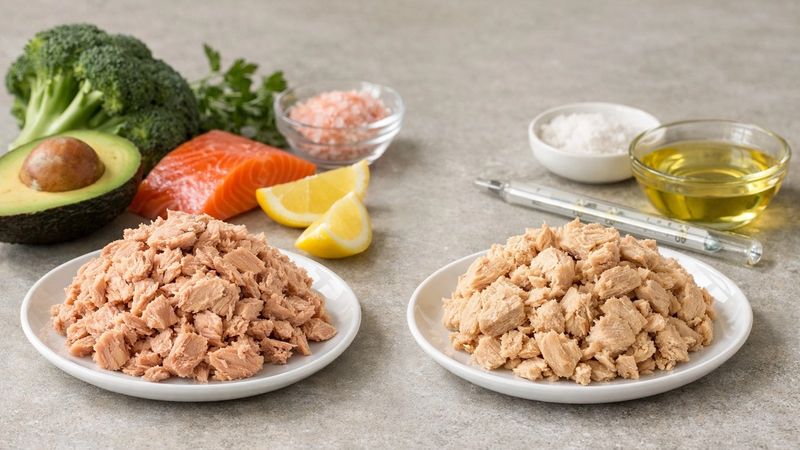
In today's food landscape, consumers are becoming increasingly aware of the importance of choosing sustainable and healthy food options. When it comes to canned tuna, two popular brands stand out: Wild Planet and Safe Catch. As a follow-up to our previous article on Canned Legumes: A Sustainable Option, we will delve into a detailed comparison of these two brands. In this article, we will explore the definition and origins of Wild Planet and Safe Catch, their production processes, and provide a detailed nutritional comparison.
What They Are: Definition and Origins
Wild Planet and Safe Catch are two brands of canned tuna that have gained popularity in recent years due to their commitment to sustainability and quality. Wild Planet was founded in 2004 with the goal of providing high-quality, sustainable seafood options. Safe Catch, on the other hand, was founded in 2012 with a focus on providing low-mercury tuna options. Both brands offer a range of products, including skipjack, albacore, and yellowfin tuna.
How They're Made
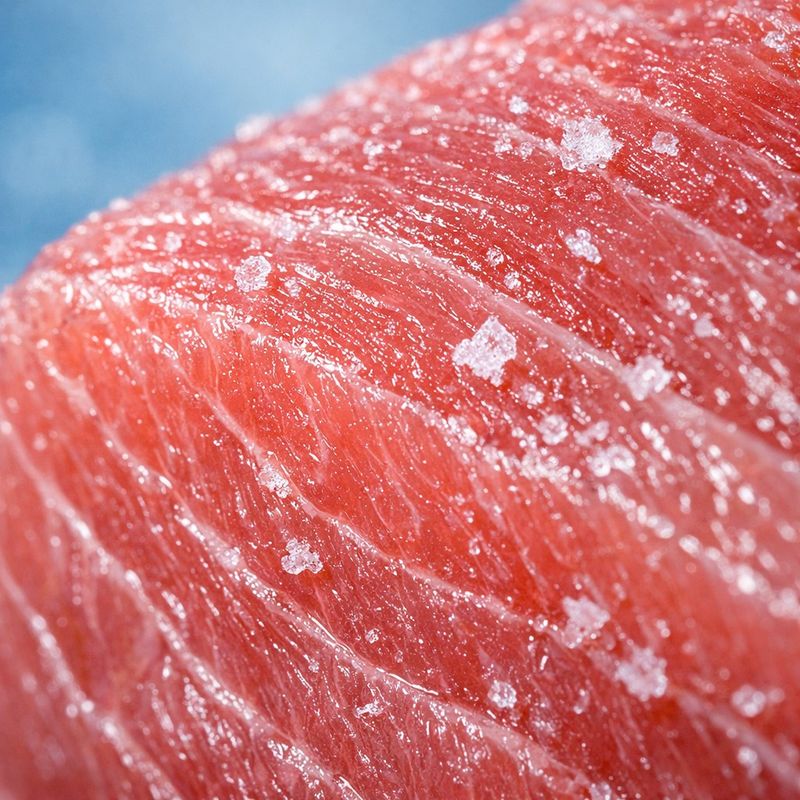
The production process for Wild Planet and Safe Catch involves catching, processing, and canning the tuna. Wild Planet uses a combination of industrial and artisanal methods to produce its canned tuna, while Safe Catch uses a more industrial approach. The main difference between the two brands lies in their sourcing and processing methods, with Wild Planet prioritizing sustainability and Safe Catch focusing on low-mercury levels.
Detailed Nutritional Comparison
| Nutrient | Wild Planet | Safe Catch |
|---|---|---|
| Calories | 150-200 per 5oz | 120-180 per 5oz |
| Protein | 25-30g per 5oz | 20-25g per 5oz |
| Fat | 1-2g per 5oz | 0.5-1g per 5oz |
| Mercury | 0.1-0.2ppm | 0.05-0.1ppm |
The nutritional comparison between Wild Planet and Safe Catch reveals some significant differences. Wild Planet tends to have higher calorie and protein content, while Safe Catch has lower mercury levels. As discussed in our previous article on Healthy Protein Bars: Safe Choice, protein content is an important consideration for consumers.
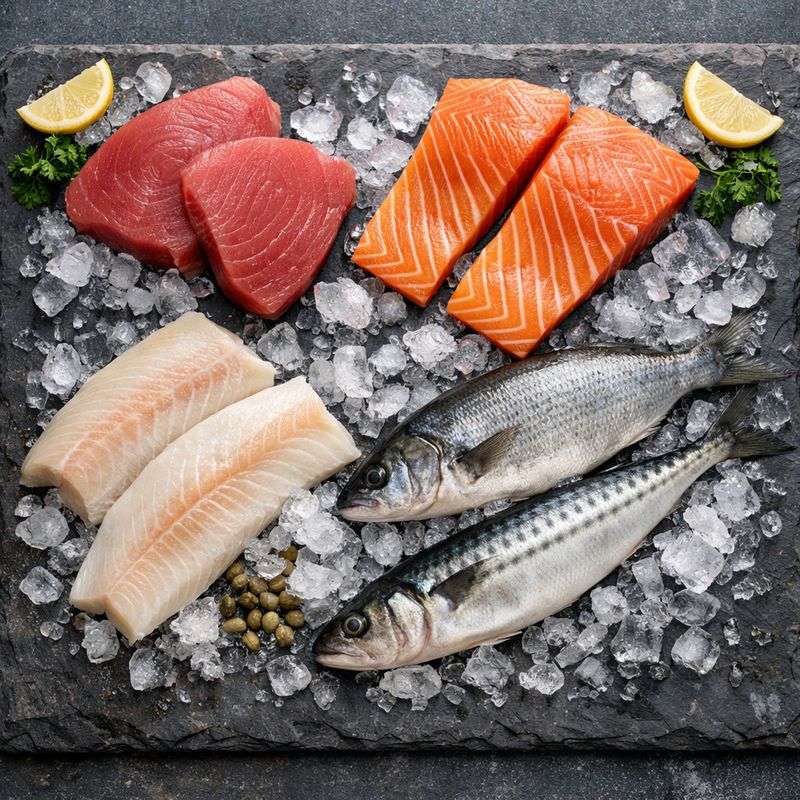
The data suggests that Wild Planet may be a better option for those looking for a higher protein content, while Safe Catch may be a better choice for those concerned about mercury levels. It's also worth noting that both brands have relatively low fat content, making them a good option for those looking for a lean protein source.
In-Depth Ingredient Analysis
A typical can of Wild Planet tuna may contain ingredients such as skipjack tuna, sea salt, and citric acid, while a can of Safe Catch tuna may contain ingredients such as albacore tuna, water, and vegetable broth. Upon analyzing the ingredients, it becomes clear that both brands prioritize simplicity and avoid using artificial preservatives or flavorings. However, some consumers may be concerned about the use of citric acid in Wild Planet's products, which can be a potential allergen.
Additives and Controversial Substances
Both Wild Planet and Safe Catch avoid using common additives such as MSG and artificial flavorings. However, some consumers may be concerned about the use of E-numbers such as E325 (citric acid) in Wild Planet's products. Cleaner-label alternatives, such as using lemon juice instead of citric acid, may be a better option for consumers who prioritize avoiding artificial ingredients.
Health Effects and Benefits
Consuming canned tuna can have several health benefits, including providing a rich source of protein and omega-3 fatty acids. However, it's also important to be aware of the potential risks, such as high mercury levels, which can be particularly problematic for pregnant women and young children. As discussed in our previous article on Tuna Soup with Olive Oil and Veggies, moderate consumption of canned tuna can be a healthy addition to a balanced diet.
How to Read the Label: A Practical Guide
When reading the label on a can of tuna, consumers should look for ingredients such as tuna, sea salt, and citric acid. Red flags may include the presence of artificial preservatives or flavorings, as well as high mercury levels. Industry tricks to disguise poor ingredients may include using vague terms such as "natural flavorings" or "spices". By being aware of these tactics, consumers can make informed choices about the food they eat, as outlined in our article on How to read baby food labels: quick and safe guide.
Best Products on the Market
Wild Planet Wild Skipjack Tuna: Key ingredients include skipjack tuna, sea salt. Two strengths are low mercury levels and sustainably sourced. One weakness is higher cost. This product is ideal for health-conscious consumers who prioritize environmental sustainability. For those looking for similar products, check out Basmati Rice vs Jasmine Rice: Nutritional Comparison to explore other sustainable food options.
Safe Catch Yellowfin Tuna: Key ingredients include yellowfin tuna, sea salt. Two strengths are rigorous testing for mercury levels and a wide range of flavors available. One weakness is the potential for higher mercury levels in some batches. This product is ideal for consumers who want a variety of flavor options and are willing to pay a premium for quality.
Bumble Bee Skipjack Tuna: Key ingredients include skipjack tuna, vegetable broth. Two strengths are affordable pricing and a low-mercury guarantee. One weakness is the use of some preservatives. This product is ideal for budget-conscious consumers who still prioritize low mercury levels in their tuna products.
Recipes and Kitchen Uses
Recipe 1: Tuna Salad
Ingredients:
- 1 can of Wild Planet Wild Skipjack Tuna
- 1/2 cup of chopped onion
- 1/4 cup of chopped celery
Instructions:
- Drain the liquid from the tuna can.
- Mix the tuna with chopped onion and celery in a bowl.
- Add your favorite seasonings and serve on top of a salad or as a sandwich filling.
- Chill in the refrigerator for at least 30 minutes before serving.
- Serve cold and enjoy.
Prep time: 15 minutes.
Recipe 2: Tuna Noodle Casserole
Ingredients:
- 1 can of Safe Catch Yellowfin Tuna
- 1 cup of noodles
Instructions:
- Preheat the oven to 350°F.
- Cook the noodles according to the package instructions.
- Mix the cooked noodles with the tuna and your favorite casserole ingredients.
- Bake in the oven for 20-25 minutes or until the casserole is hot and the cheese is melted.
- Serve hot and enjoy.
Prep time: 25 minutes.
Sustainability and Environmental Impact
The production of canned tuna has a significant impact on the environment, including overfishing and bycatch. Consumers can choose responsibly by selecting products from companies that prioritize sustainability and use eco-friendly packaging. Look for certifications like the Marine Stewardship Council (MSC) label, which ensures that the tuna was caught using sustainable methods.
Frequently Asked Questions
What is the difference between skipjack and yellowfin tuna?
Answer: Skipjack tuna has lower mercury levels and a milder flavor, while yellowfin tuna has a richer flavor but higher mercury levels.
Can I use canned tuna for sushi?
Answer: It's not recommended to use canned tuna for sushi because it's cooked and has added preservatives, which can affect the taste and texture.
Is canned tuna healthy?
Answer: Canned tuna can be a healthy option if chosen wisely, with low mercury levels and no added preservatives, making it a good source of protein and omega-3 fatty acids.
Final Verdict
In conclusion, both Wild Planet and Safe Catch offer high-quality canned tuna products with unique strengths and weaknesses. When choosing between these two brands, consider your priorities: sustainability, flavor variety, or low mercury levels. For more information on making informed food choices, visit Diet Comparison: Keto, Vegan, Mediterranean & More – Which is Best for You? (2025) to explore different dietary options and find the best fit for your lifestyle.
🔍 FoodReveal helps you decode nutrition labels beyond marketing. Available for Android and iOS.
Leave a review