
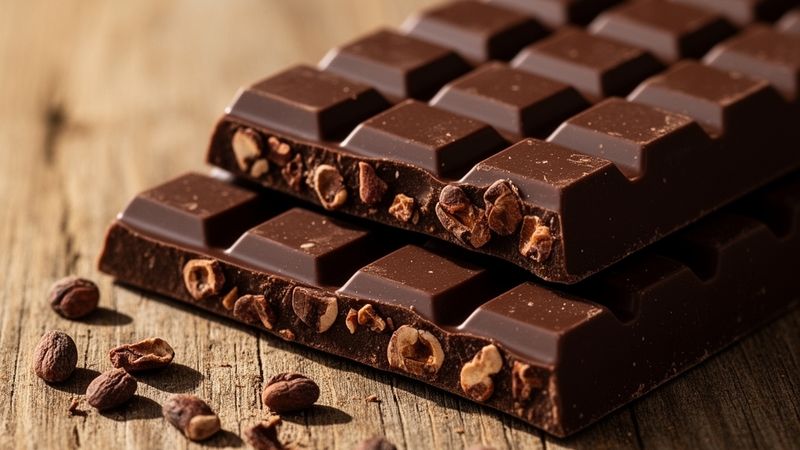
Sugar-Free Chocolate: A Guide to Taste, Health, and Smart Choices
For decades, chocolate has been synonymous with indulgence—and guilt. The rich, velvety taste of a well-made chocolate bar comes at a cost: sugar, often in staggering amounts. A standard milk chocolate bar can pack as much as 24 grams of sugar per serving, nearly the entire daily recommended limit for added sugars in a single snack. But what if you could enjoy chocolate without the sugar crash, the calorie overload, or the rollercoaster of blood glucose spikes? Enter sugar-free chocolate, a category that has evolved far beyond the chalky, artificial-tasting bars of the past. Today’s options range from 100% cacao blocks that taste like earthy, bitter poetry to creamy, sweetened alternatives that mimic the real thing—all while keeping your macros in check
Yet not all sugar-free chocolates are created equal. Some rely on sugar alcohols that can cause digestive discomfort, while others swap sugar for questionable fillers that offer little nutritional benefit. The key is knowing what to look for—and what to avoid. In this guide, we’ll break down the science, the ingredients, and the practical choices that define the world of sugar-free chocolate, helping you navigate the aisle with confidence
What Is Sugar-Free Chocolate?
At its core, sugar-free chocolate is chocolate that omits traditional cane sugar or high-fructose corn syrup. But the term "sugar-free" is more nuanced than it appears. The FDA defines "sugar-free" as containing less than 0.5 grams of sugars per serving, but this doesn’t account for the sweeteners used in place of sugar. These alternatives fall into two broad categories: natural sugars from cacao itself and artificial or bulk sweeteners
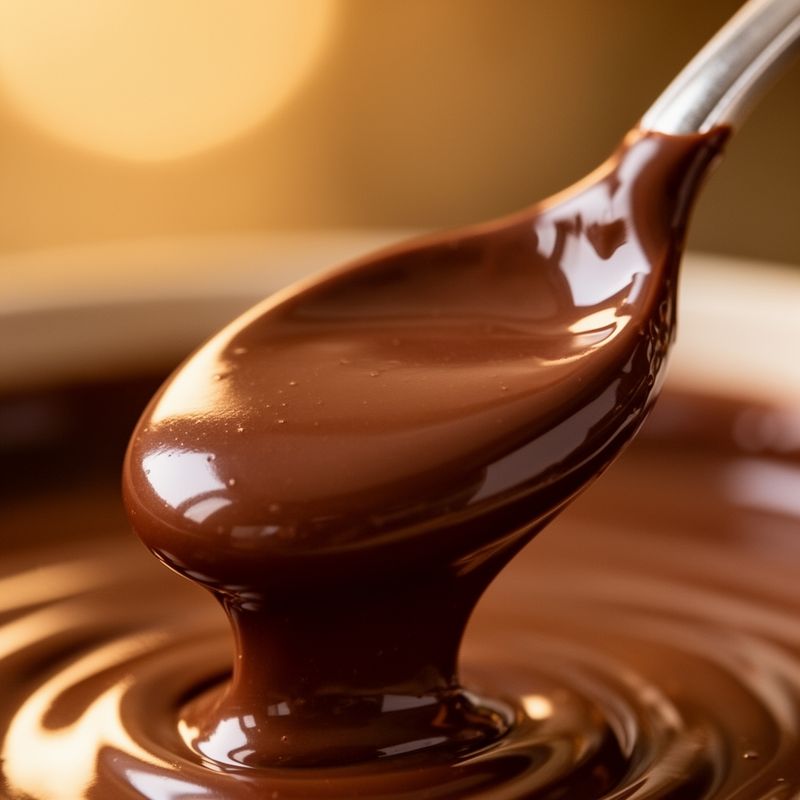
100% cacao chocolate often labeled as "unsweetened," contains no added sweeteners at all. It relies on the natural sugars present in cacao pulp—about 1-2 grams per ounce—which have minimal impact on blood glucose levels due to their complex carbohydrate structure. The flavor is intensely bitter, with notes of roasted coffee, dried fruit, and even earthy mushrooms. While an acquired taste, it’s a powerhouse of antioxidants, fiber, and minerals like magnesium and iron, making it a favorite among health enthusiasts and those with metabolic concerns
On the other end of the spectrum are sweetened sugar-free chocolates which use bulk sweeteners to replicate the taste of traditional chocolate. The most common are sugar alcohols—erythritol, xylitol, and maltitol—which provide sweetness without the glycemic impact of sugar. However, they’re not identical in function: erythritol, for instance, contributes nearly zero calories and has the lowest digestive side effects, while maltitol behaves more like sugar in the body, offering a similar texture but with a higher likelihood of causing bloating or gas in sensitive individuals
Then there’s no sugar added chocolate a term often confused with sugar-free. These products may contain naturally occurring sugars from ingredients like milk or fruit but don’t have added sweeteners. For example, a bar labeled "no sugar added" might include dried fruit, which contains fructose, but no cane sugar. The distinction matters: while these chocolates may be lower in sugar than conventional options, they’re not truly sugar-free and can still affect blood glucose levels
Detailed Nutritional Comparison
To understand how sugar-free chocolates stack up, let’s compare a few popular options based on the data available. The table below highlights key nutritional metrics for a standard 1-ounce (28g) serving of different chocolate types. Note that values can vary by brand and formulation, so always check labels for precise information
| Metric | Milk Chocolate (Standard) | 100% Cacao Chocolate | Sugar-Free (Erythritol-Sweetened) | Sugar-Free (Maltitol-Sweetened) | No Sugar Added (Dried Fruit) |
|---|---|---|---|---|---|
| Calories | 150 | 120 | 130 | 140 | 130 |
| Total Fat (g) | 8 | 12 | 10 | 9 | 8 |
| Saturated Fat (g) | 5 | 7 | 6 | 5 | 5 |
| Total Carbohydrate (g) | 17 | 7 | 12 | 16 | 15 |
| Fiber (g) | 1 | 3 | 2 | 2 | 2 |
| Sugars (g) | 15 | 0 | <1 | <1 | 6 |
| Sugar Alcohols (g) | 0 | 0 | 8 | 12 | 0 |
| Protein (g) | 2 | 3 | 2 | 2 | 2 |
| Iron (% DV) | 4% | 20% | 10% | 10% | 6% |
| Magnesium (% DV) | 6% | 25% | 15% | 12% | 10% |
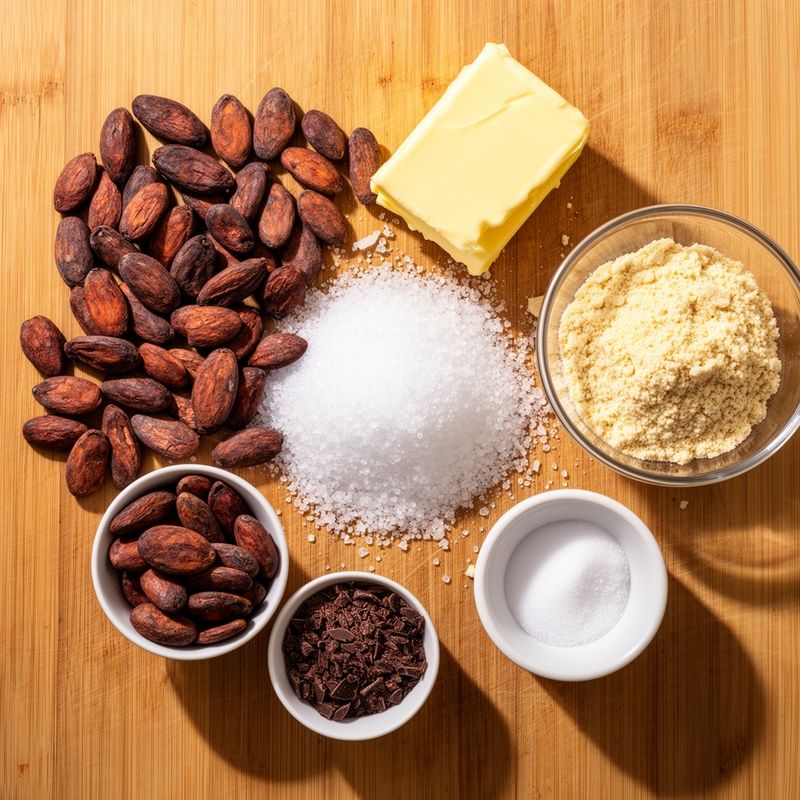
A few key takeaways emerge from this comparison 100% cacao chocolate stands out for its high fiber and mineral content, particularly iron and magnesium, which are often lacking in modern diets. It’s also the only option with zero added sugars, making it ideal for those strictly monitoring carbohydrate intake. However, its high fat content—though mostly heart-healthy cocoa butter—means it’s calorie-dense, so portion control is essential
Sugar-free chocolates sweetened with erythritol offer a middle ground: they’re lower in net carbs (total carbs minus fiber and sugar alcohols) and calories compared to milk chocolate, with a moderate amount of minerals. The trade-off is the sugar alcohol content, which can cause digestive issues in some people Maltitol-sweetened chocolates while similar in taste to sugar, have a higher glycemic impact and calorie count, making them less ideal for those managing blood sugar or weight
No sugar added chocolates are a wildcard. They often contain naturally occurring sugars from ingredients like dried fruit or milk solids, which can add up. While they may be lower in sugar than conventional chocolate, they’re not a free pass for those avoiding sugar entirely
Ingredients and Quality Analysis
The ingredient list is where sugar-free chocolates reveal their true nature—and where many brands cut corners. A high-quality sugar-free chocolate should have a short, recognizable ingredient list, with cacao (or cocoa) as the first ingredient. Look for terms like "cacao mass," "cocoa butter," or "chocolate liquor"—these indicate a higher proportion of actual cacao, which translates to better flavor and nutritional benefits
Sweeteners are the next critical component. As mentioned earlier erythritol is the gold standard among sugar alcohols. It’s nearly zero-calorie, doesn’t raise blood sugar, and has the lowest risk of digestive upset Xylitol is another solid choice, though it’s slightly higher in calories and can be toxic to dogs, so pet owners should handle it with care Maltitol while widely used, is the least desirable: it has about half the calories of sugar and a glycemic index of 35 (compared to sugar’s 65), meaning it can still impact blood glucose levels. It’s also more likely to cause bloating or gas, especially in larger quantities
Beware of bulk fillers like maltodextrin or polydextrose. These ingredients are often used to add volume or improve texture but offer little nutritional value. Some brands also add inulin a fiber that can improve digestive health but may cause discomfort in sensitive individuals. Another red flag is artificial flavors or emulsifiers like soy lecithin, which are common in mass-produced chocolates but can detract from the purity of the product
For those seeking the cleanest option 100% cacao chocolate is the way to go—it should contain nothing more than cacao and perhaps a touch of cocoa butter. If you’re looking for sweetness, opt for brands that use stevia or monk fruit in combination with erythritol. These natural, zero-calorie sweeteners complement the flavor of cacao without the digestive downsides of sugar alcohols
If you’re curious about how food additives impact health, our guide to food additives breaks down common E-numbers and their risks in plain language
Benefits and Potential Downsides
Sugar-free chocolate isn’t just about avoiding sugar—it’s about unlocking a range of health benefits, provided you choose the right type 100% cacao chocolate is arguably the healthiest option, thanks to its high concentration of flavanols, a type of antioxidant that supports cardiovascular health by improving blood flow and reducing inflammation. A study published in the Journal of Nutrition found that consuming dark chocolate with at least 70% cacao improved endothelial function—a key factor in heart health—within hours of consumption. Cacao is also rich in theobromine a compound that may enhance mood and cognitive function, and phenylethylamine which triggers the release of endorphins
For those managing diabetes or insulin resistance, sugar-free chocolates sweetened with erythritol or stevia can be a game-changer. Unlike sugar, these sweeteners don’t cause spikes in blood glucose levels, making them suitable for low-carb or ketogenic diets. They’re also lower in calories than traditional chocolate, which can aid in weight management—though it’s worth noting that portion control is still critical as sugar-free doesn’t always mean calorie-free
However, sugar-free chocolate isn’t without its downsides. The most common issue is digestive discomfort particularly with sugar alcohols. Maltitol and sorbitol are notorious for causing bloating, gas, or even diarrhea, especially when consumed in excess. Erythritol is better tolerated, but some people still report mild stomach upset. If you’re sensitive, start with small servings and monitor your body’s response
Another consideration is taste and texture Sugar does more than sweeten chocolate—it balances bitterness, adds creaminess, and contributes to the smooth melt-in-your-mouth sensation. Sugar-free chocolates, especially those sweetened with erythritol, can taste slightly waxy or have a cooling effect on the palate. Some brands compensate by adding extra cocoa butter or milk solids, but these can increase calorie and fat content
Finally cost can be a barrier. High-quality sugar-free chocolates are often more expensive than their conventional counterparts, reflecting the cost of premium ingredients and smaller production scales. However, the investment can be worth it for those prioritizing health or dietary restrictions
For a deeper dive into how sugar-free options compare to other low-sugar products, check out our case study on Diet Coke which explores similar trade-offs in the beverage aisle
Which Should You Choose: A Practical Guide
With so many options on the market, how do you pick the right sugar-free chocolate? The answer depends on your goals, dietary needs, and taste preferences. Here’s a practical guide to help you decide
For purists and health maximalists Choose 100% cacao chocolate It’s the only option with zero added sweeteners, making it ideal for strict low-carb, ketogenic, or whole-food diets. Pair it with nuts, nut butter, or a sprinkle of cinnamon to balance its intense bitterness. If you’re new to unsweetened chocolate, start with a small piece—think the size of a chocolate chip—and let it melt slowly on your tongue to acclimate to the flavor
For those managing diabetes or insulin resistance Opt for chocolates sweetened with erythritol or stevia These sweeteners have minimal impact on blood glucose levels and are generally well-tolerated. Look for bars with at least 70% cacao to maximize flavanols. Avoid maltitol-sweetened chocolates, as their glycemic index is closer to sugar’s
For weight management or low-calorie diets Sugar-free chocolates can be a helpful tool, but be mindful of portion sizes. A 1-ounce serving is a reasonable indulgence, but it’s easy to overconsume, especially with creamy, sweetened varieties. Pair your chocolate with a source of protein or fiber—like a handful of almonds or a few slices of apple—to slow digestion and prevent blood sugar spikes
For digestive sensitivity If sugar alcohols upset your stomach, stick to 100% cacao chocolate or look for brands that use monk fruit or stevia instead. These sweeteners are gentler on the digestive system and don’t ferment in the gut like some sugar alcohols
For budget-conscious shoppers While premium sugar-free chocolates can be pricey, there are affordable options Trader Joe’s and Lily’s offer well-reviewed sugar-free chocolate bars at a lower cost per ounce than boutique brands. Check the ingredient list to ensure you’re getting value—sometimes, a higher price tag reflects better-quality sweeteners or fewer fillers
For parents or those with young children If you’re introducing sugar-free chocolate to kids, opt for mildly sweetened varieties with at least 50% cacao. Avoid 100% cacao, as its bitterness can be off-putting to young palates. Be cautious with sugar alcohols, as children may be more sensitive to their digestive effects
Recipes and Pairing Suggestions
Sugar-free chocolate isn’t just for snacking—it can be a versatile ingredient in the kitchen. Here are a few ways to incorporate it into your diet, along with pairing suggestions to enhance its flavor and nutritional profile
Homemade Sugar-Free Chocolate Bark
A simple, customizable treat that takes less than 10 minutes to prepare. Melt 1 cup (170g) of 100% cacao chocolate or a sugar-free chocolate bar in a double boiler. Once smooth, pour onto a parchment-lined baking sheet and spread into a thin layer. Top with a mix of your favorite nuts, seeds, and dried fruits—think almonds, pumpkin seeds, and unsweetened coconut flakes. Sprinkle with a pinch of sea salt and freeze for 20 minutes. Break into pieces and store in an airtight container
Nutritional boost Add a teaspoon of chia seeds or hemp hearts for extra fiber and omega-3s
Sugar-Free Chocolate Smoothie
Blend 1 cup (240ml) of unsweetened almond milk, 1 frozen banana, 1 tablespoon (5g) of 100% cacao powder 1 scoop of your favorite protein powder, and a handful of ice. For sweetness, add a few drops of liquid stevia or a teaspoon of erythritol This smoothie is packed with protein, fiber, and antioxidants—perfect for a post-workout recovery drink or breakfast on the go
Pairing suggestion Serve with a side of whole-grain toast for a balanced meal. If you’re curious about the benefits of whole grains, our breakdown of Kellogg’s All-Bran explains how they compare to refined options
Sugar-Free Chocolate-Dipped Fruit
A quick and elegant dessert that highlights the natural sweetness of fruit. Melt sugar-free chocolate (erythritol-sweetened works best) in a microwave-safe bowl in 30-second intervals, stirring between each. Dip strawberries, banana slices, or orange segments halfway into the chocolate, then place on parchment paper to set. For extra flair, sprinkle with crushed nuts or a dash of cinnamon
Nutritional tip Pair with fresh fruit rather than dried fruit to keep added sugars in check. If you’re unsure about the differences, our comparison of fresh vs. dried fruit explores their impact on health
Savory Pairings
Chocolate isn’t just for dessert. Its rich, complex flavors pair surprisingly well with savory ingredients. Try grating 100% cacao chocolate over a bowl of chili or mole sauce for depth. For a snack, spread sugar-free chocolate on whole-grain crackers and top with a slice of aged cheddar or avocado The saltiness of the cheese or the creaminess of the avocado balances the bitterness of the chocolate, creating a harmonious bite
Final Verdict
Sugar-free chocolate has come a long way from the cloying, artificial-tasting bars of the past. Today, the options range from the unadulterated purity of 100% cacao to carefully crafted bars that mimic the sweetness of traditional chocolate—all without the sugar spike. The key to making the right choice lies in understanding your goals: Are you prioritizing health, taste, digestive comfort, or budget?
For those seeking the most nutritional benefits 100% cacao chocolate is the clear winner. It’s packed with antioxidants, fiber, and minerals, and it contains no added sweeteners or fillers. However, its intense bitterness isn’t for everyone, and it may take time to acquire the taste. If you’re looking for something sweeter erythritol-sweetened chocolates offer a good balance of flavor and digestive tolerance, though they’re not entirely calorie-free
Avoid chocolates with maltitol if you’re sensitive to sugar alcohols or managing blood sugar levels, as it behaves more like sugar in the body. Similarly, steer clear of bars with artificial flavors, excessive fillers, or questionable additives—these often sacrifice quality for cost savings
Ultimately, the best sugar-free chocolate is the one you’ll actually enjoy eating. Whether you’re savoring a square of dark chocolate with your morning coffee, blending it into a post-workout smoothie, or gifting a beautifully packaged bar to a health-conscious friend, the options are now better—and more varied—than ever. The next time you’re in the candy aisle, flip that package over and read the label. Your taste buds and your blood sugar will thank you
🔍 Want to know exactly what's in a product before you buy it? With you scan the label in seconds and get a full breakdown of ingredients, additives and nutritional values — in plain language, no expertise required
Sources and Further Reading
- The Ultimate Guide to Sugar-Free Chocolate for Diabetics and
- [PDF] Cocoa Processing: Sugar-free Chocolate - Purdue Extension
- Sugar Free vs. No Sugar Added Chocolate: Mystery Unwrapped
- Hershey's Chocolate Zero Sugar Candy ... - EWG's Food Scores
- A Guide to the Healthiest Chocolate
🔍 FoodReveal helps you decode nutrition labels beyond marketing. Available for Android and iOS.
Leave a review