
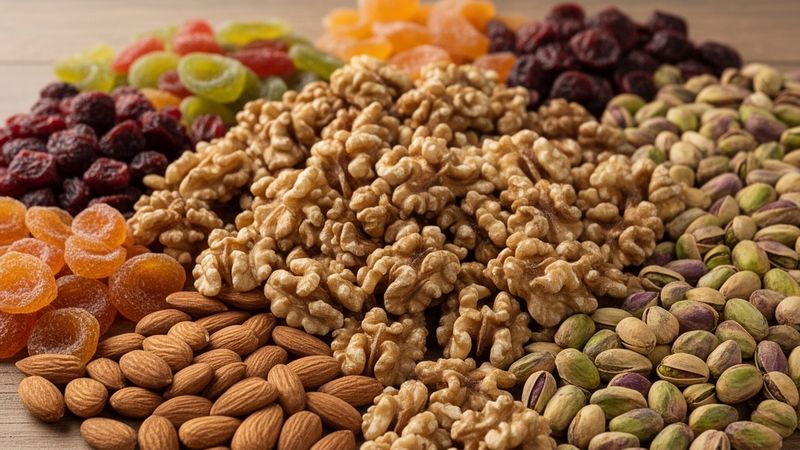
Fresh Fruit vs Dried Fruit: Which Helps Prevent More Health Issues?
When you reach for a snack, the decision often comes down to fresh fruit or its dried counterpart Both are celebrated for their natural sweetness, vibrant colors, and the promise of vitamins and minerals. Yet, research shows they don’t deliver the exact same health benefits per bite. In this deep‑dive we’ll explore the science behind fresh and dried fruit, compare their nutrient profiles, and answer the burning question: Which form better protects you from chronic disease?
The Basics – What Changes When Fruit Is Dried?

Drying is essentially a concentration process By removing water (which can make up 80‑90 % of a fruit’s weight), the remaining nutrients become more dense. This means a handful of raisins packs the calories of a banana, but also delivers more fiber, potassium, and phenolic antioxidants per gram than the fresh version. However, the drying process can also increase sugar concentration and, depending on the method, may lead to a loss of heat‑sensitive vitamins like vitamin C
> “Ounce per ounce, there’s more fiber and an antioxidant called phenols in dried fruit over fresh, primarily because dried fruits are much more concentrated.” – Nutrition expert Burnstine (source [2])
The trade‑off is clear nutrient density vs. sugar load Let’s break down the key nutrients that influence disease prevention
Nutrient Density – Calories, Fiber, and Sugar
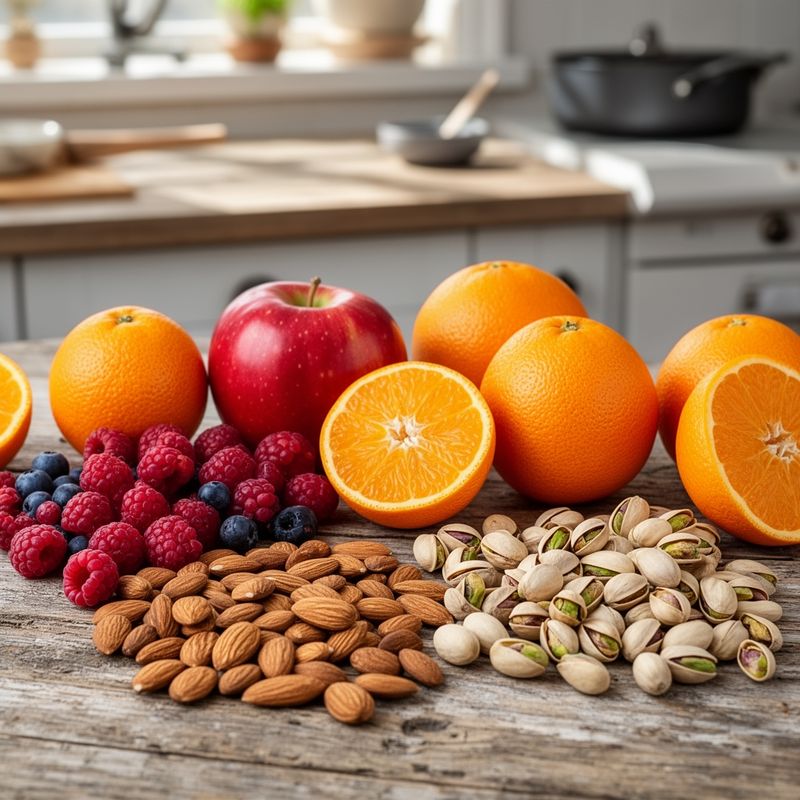
| Nutrient (per 100 g) | Fresh Apple | Dried Apple (unsweetened) |
|---|---|---|
| Calories | 52 kcal (0.18 oz) | 240 kcal (8.5 oz) |
| Carbohydrate | 14 g | 66 g |
| • Sugars | 10 g | 45 g |
| • Dietary Fiber | 2.4 g | 12 g |
| Vitamin C | 4.6 mg | 1.2 mg |
| Potassium | 107 mg | 720 mg |
| Phenolic Antioxidants | 110 µg GAE | 460 µg GAE |
GAE = Gallic Acid Equivalents, a standard measure for phenols
Key takeaways
- Calories jump dramatically because water is gone
- Fiber increases ~5‑fold, which is great for satiety and gut health
- Sugar becomes more concentrated, which can affect blood glucose spikes
- Vitamin C drops, but minerals like potassium become more abundant
Fiber: The Unsung Hero of Disease Prevention
Both fresh and dried fruit are excellent sources of dietary fiber but the type and amount matter. Soluble fiber (e.g., pectin) helps lower LDL cholesterol, while insoluble fiber promotes regular bowel movements. Dried fruit’s higher fiber content can enhance gut motility and feed beneficial bacteria
A 2021 study published in the Journal of the Academy of Nutrition and Dietetics found that regular consumption of dried fruit was linked to a 12 % lower risk of coronary heart disease a benefit attributed largely to its fiber and phenol concentration. For a deeper look at fiber’s role in blood sugar regulation, see the article Soluble Fiber: Boost Gut Health & Blood Sugar
Antioxidants & Phenols – Fighting Oxidative Stress
Phenolic compounds (flavonoids, anthocyanins, etc.) protect cells from oxidative damage, a root cause of aging and many chronic diseases. Because drying concentrates these compounds dried fruit often contains 2‑5× more phenols per gram than fresh fruit
Research highlighted in Nutrients (2024) demonstrated that higher dried‑fruit intake was associated with a reduced risk of type‑2 diabetes (Guan et al., 2024). The authors suggest that phenols improve insulin sensitivity and reduce inflammation
That said, some phenols are heat‑sensitive and sun‑drying or high‑temperature dehydration can degrade certain antioxidants. Nonetheless, the overall antioxidant capacity of most commercially dried fruits remains robust
Cardiovascular Protection
Both fruit forms support heart health, but they do so in slightly different ways
- Fresh fruit provides potassium and vitamin C both of which help lower blood pressure and improve endothelial function
- Dried fruit delivers more fiber and concentrated phenols which can lower LDL cholesterol and reduce arterial inflammation
A meta‑analysis of 15 cohort studies (published 2020) concluded that people who ate at least three servings of fruit per day—whether fresh or dried—had a 15 % lower risk of cardiovascular events The protective effect was strongest when the diet included a mix of both forms, suggesting a synergistic benefit
Diabetes Prevention – The Sweet Spot
The relationship between fruit and blood glucose is nuanced. While fruit’s natural sugars are generally less problematic than added sugars portion size and form matter
- Fresh fruit has a lower glycemic load because the water dilutes the sugars
- Dried fruit can cause a rapid glucose rise if consumed in large amounts, but its high fiber can blunt that spike
A Mendelian randomization study (Guan et al., 2024) found that genetically higher dried‑fruit consumption correlated with a modestly lower risk of type‑2 diabetes The authors hypothesize that the fiber‑phenol combo improves insulin signaling
For practical tips on stabilizing blood sugar, check out Low Glycemic Diet: 5 Practical Tips to Stabilize Blood Sugar
Weight Management – Calories vs. Satiety
Weight loss hinges on calorie balance but satiety plays a pivotal role in adherence. Dried fruit’s higher calorie density means you need to be mindful of portion sizes (usually ¼ cup or ~30 g). However, the fiber boost can promote fullness, helping you eat fewer calories overall
A randomized trial published in Nutrients (2021) showed that participants who added a small daily serving of dried apricots to a calorie‑restricted diet reported greater satiety and lost 1.2 lb (0.55 kg) more than the control group over 8 weeks
Gut Microbiome – Feeding the Good Bacteria
Both fresh and dried fruit act as prebiotic foods—they supply fermentable fibers that nourish beneficial gut microbes. The higher fiber concentration in dried fruit can lead to greater short‑chain fatty acid (SCFA) production which supports colon health and may reduce inflammation
A 2020 study from the American Journal of Clinical Nutrition linked regular dried‑fruit consumption with increased microbial diversity and a lower prevalence of gastrointestinal disorders The researchers noted that the absence of added sugars was crucial; many commercial dried fruits contain sugar coatings that negate these benefits
Practical Considerations – Choosing the Right Fruit for Your Lifestyle
| Factor | Fresh Fruit | Dried Fruit |
|---|---|---|
| Portability | Requires refrigeration, can bruise | Shelf‑stable, easy to pack for travel or work |
| Prep Time | Wash, maybe peel or core | Ready‑to‑eat, no prep needed |
| Added Sugars | Naturally low (unless sweetened) | Often coated with sugar or oil; choose “unsweetened” varieties |
| Shelf Life | 1‑2 weeks (depends on type) | 6‑12 months in a cool, dry place |
| Cost per Serving | Typically lower for common fruits (apples, bananas) | Higher per gram, but a small portion goes a long way |
When selecting dried fruit read the label Look for products that list only the fruit and perhaps a natural preservative like ascorbic acid Avoid those with added sucrose, corn syrup, or hydrogenated oils
How to Incorporate Both Forms into a Balanced Diet
1 Morning Boost– Add½ cup of fresh berries to oatmeal for vitamin C and antioxidants, then sprinkle¼ cup of unsweetened dried cranberries for extra fiber
2 Snack Smart– Keep a small zip‑top bag (≈30 g) of dried apricots or figs in your desk drawer; pair with a handful of nuts for a balanced protein‑fiber combo
3 Salad Upgrade– Toss fresh apple slices into a spinach salad for crunch, and finish with a tablespoon of dried cherries for a sweet‑tart accent
4 Baking & Cooking– Replace some of the sugar in muffins with pureed fresh banana and add chopped dried dates for natural sweetness and moisture
By mixing both you reap the hydrating benefits of fresh fruit and the concentrated nutrients of dried fruit
Bottom Line – Which Prevents More?
The short answer Neither form is universally superior; each shines in different preventive arenas
- Fresh fruit excels at hydration, vitamin C, and lower calorie density making it ideal for blood‑pressure control and weight‑management when eaten in larger portions
- Dried fruit shines in fiber, phenolic antioxidants, and convenience offering strong protection against cholesterol buildup, insulin resistance, and gut dysbiosis when consumed mindfully
The most evidence‑based recommendation from the Dietary Guidelines for Americans 2020‑2025 is to include a variety of whole fruits aiming for at least 2 cups of fresh fruit and ½ cup of dried fruit per week This blend maximizes the preventive power of both forms while keeping added sugars and excess calories in check
Frequently Asked Questions
Q: Does the drying method affect health benefits?
A: Yes. Sun‑drying retains more heat‑sensitive nutrients but can expose fruit to contaminants. Freeze‑drying preserves most nutrients but is more expensive Low‑heat dehydrators strike a good balance
Q: Are dried fruits safe for people with kidney disease?
A: Dried fruits are high in potassium and phosphorus so those on a renal diet should limit intake and choose low‑potassium options like dried apples over prunes
Q: Can I eat dried fruit every day?
A: Absolutely— as long as you stick to a ¼‑cup (≈30 g) portion and select unsweetened varieties, daily dried fruit can be part of a heart‑healthy, diabetes‑preventive diet
Takeaway Checklist
- ✅ Choose unsweetened, no‑oil dried fruits
- ✅ Pair dried fruit with protein or healthy fat to moderate glucose response
- ✅ Aim for 2 cups fresh + ½ cup dried fruit per week
- ✅ Store dried fruit in a cool, airtight container to preserve antioxidants
- ✅ Rotate fruit types to capture a broad spectrum of phytonutrients
By following these guidelines, you’ll harness the preventive power of both fresh and dried fruit supporting heart health, blood‑sugar stability, weight management, and a thriving gut microbiome
Ready to dive deeper? Explore related reads on our site:
- Polyphenol‑rich foods: anti‑inflammatory & anti‑aging benefits
- Fermented foods: kimchi, kefir, miso & gut microbiome
- Low Glycemic Diet: 5 Practical Tips to Stabilize Blood Sugar
Enjoy the best of both worlds, and let your snack choices work for your health, not against it!
🔍 FoodReveal helps you decode nutrition labels beyond marketing. Available for Android and iOS.
Sources and Further Reading
1 Dried vs. Fresh Fruit: Is There a Nutritional Difference?
2 Dried vs. Fresh Fruit: Which One Is Healthier?
3 Dried Fruit vs. Fresh Fruit: Which Is the Healthier Option?
Leave a review