
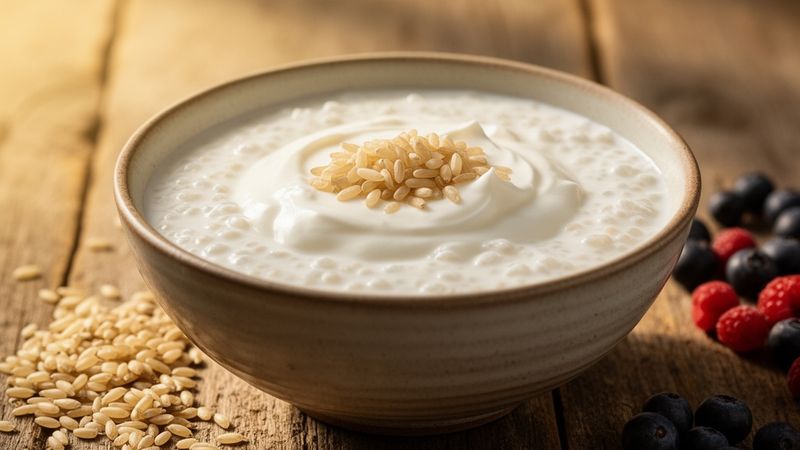
Fermented foods have gained popularity for their potential health benefits, but few are as widely consumed as Greek yogurt and kefir. However, a lesser-known variant—rice kefir—has emerged as a plant-based alternative for those avoiding dairy. But how do these two compare at a chemical level? From protein structures to probiotic activity, this article explores the intricate chemistry behind rice kefir and Greek yogurt, helping you make informed choices for your diet
What Is Rice Kefir and What Is Greek Yogurt?
Rice Kefir is a plant-based fermented beverage made by culturing rice milk with kefir grains or bacterial starter cultures. Unlike traditional dairy kefir, rice kefir uses water rice that has been soaked, cooked, and blended, then strained to create a milk-like base. The fermentation process involves lactic acid bacteria (Lactobacillus spp.) and yeasts, which convert the rice sugars into lactic acid, creating a tangy flavor and thick texture. This process also generates a complex matrix of proteins, fibers, and bioactive compounds
Greek Yogurt by contrast, is a dairy product made by fermenting milk with two specific bacterial strains Lactobacillus bulgaricus and Streptococcus thermophilus The milk is pasteurized, inoculated with cultures, and incubated at 110°F (43°C) until the pH drops to around 4.6, causing the proteins (casein and whey) to coagulate. The curds are then strained through cloth to remove whey, resulting in a thicker, creamier product with concentrated protein content

The chemical foundation of these products differs significantly. Rice kefir’s protein comes from rice (primarily gluten proteins like glutenin and gliadin), while Greek yogurt relies on casein and whey. Fermentation in rice kefir involves both bacteria and yeasts, producing trace amounts of alcohol (0.3–0.8%), whereas Greek yogurt is strictly lactic acid-driven, with minimal alcohol
Detailed Nutritional Comparison
The nutritional profiles of rice kefir and Greek yogurt vary markedly due to their base ingredients and processing methods. Below is a comparative analysis of key nutrients per 100g serving
| Nutrient | Rice Kefir (100g) | Greek Yogurt (100g) |
|---|---|---|
| Calories | 45–60 kcal | 100–150 kcal |
| Protein | 1–2g | 10–20g |
| Fat | 0.5–1g | 5–15g |
| Carbohydrates | 8–12g | 3–6g |
| Fiber | 1–2g | 0g |
| Sugar | 6–10g | 3–5g |
| Calcium | 20–50mg (unless fortified) | 100–200mg |
| Vitamin B12 | 0mcg (unless fortified) | 1–2mcg |
| Probiotics | Lactobacillus, Bifidobacterium, yeasts | Lactobacillus, Streptococcus |
| pH Level | 3.8–4.2 | 4.0–4.5 |
Key Takeaways
- Protein Content Greek yogurt is a complete protein source, while rice kefir’s protein is lower and plant-derived

- Carbohydrates Rice kefir retains more carbs from rice, making it unsuitable for low-carb diets
- Fortification Rice kefir often requires added vitamins (e.g., B12, D) to match dairy’s nutritional profile
- Probiotic Diversity Rice kefir may contain yeasts (e.g Saccharomyces) in addition to bacteria, offering broader microbial diversity
Ingredients and Quality Analysis
Rice Kefir Ingredients
- Rice milk (water, rice)
- Kefir cultures (Lactobacillus Bifidobacterium Saccharomyces)
- Optional: Thickeners (xanthan gum, locust bean gum), sweeteners (stevia, erythritol), vitamins
Greek Yogurt Ingredients
- Milk
- Live cultures (Lactobacillus bulgaricus Streptococcus thermophilus)
- Optional: Lactose, milkfat, sweeteners, flavorings
What to Look For
- Rice Kefir Avoid products with excessive added sugars or artificial thickeners. Opt for unsweetened versions with live cultures
- Greek Yogurt Choose plain, unsweetened varieties to avoid added sugars. Full-fat versions retain more fat-soluble vitamins (A, D, E)
As noted in Fermentations in World Food Processing lactic acid fermentation enhances the bioavailability of nutrients. However, rice kefir’s lower protein content means it may not satisfy hunger as effectively as Greek yogurt
Benefits and Potential Downsides
Rice Kefir Benefits
- Dairy-Free Suitable for lactose-intolerant individuals or vegans
- Probiotic Diversity Contains yeasts and bacteria that may support gut health differently than dairy kefir
- Lower Saturated Fat A heart-healthier option for those monitoring fat intake
Rice Kefir Downsides
- Low Protein Insufficient for muscle repair or satiety in active individuals
- Fortification Needs Often lacks calcium and vitamin B12 unless added
- Carb Content May not align with low-carb or ketogenic diets
Greek Yogurt Benefits
- High-Quality Protein Supports muscle synthesis and weight management
- Calcium Content Promotes bone health
- Conjugated Linoleic Acid (CLA) A fatty acid linked to anti-inflammatory effects (as highlighted in Proceedings of the UniTo)
Greek Yogurt Downsides
- Saturated Fat Full-fat versions may raise LDL cholesterol
- Lactose Content Can cause discomfort in lactose-intolerant individuals
- Added Sugars Flavored varieties often contain excessive sugar
As discussed in Fermented diet for mental health: probiotics & prebiotics both products offer gut-health benefits, but their microbial profiles differ significantly
Which Should You Choose: A Practical Guide
- Athletes/Protein Seekers Opt for Greek yogurt for its high protein content
- Vegans/Lactose-Intolerant Rice kefir is a better choice, but pair it with protein-rich foods
- Bone Health Focus Greek yogurt’s natural calcium content makes it preferable
- Gut Diversity Rice kefir’s yeast strains may offer unique benefits for microbiome balance
For those following a low-glycemic diet, Greek yogurt’s lower carb content is advantageous, as noted in Low Glycemic Diet: 5 Practical Tips to Stabilize Blood Sugar
Recipes and Pairing Suggestions
Rice Kefir Smoothie Bowl
- 1 cup rice kefir
- 1 frozen banana
- 1/2 cup frozen berries
- 1 tbsp chia seeds
- Toppings: Granola, coconut flakes, cacao nibs
Blend kefir, banana, and berries. Top with chia seeds and granola for added crunch and fiber
Greek Yogurt Parfait
- 1 cup Greek yogurt
- 1/2 cup mixed berries
- 1/4 cup granola
- 1 tsp honey
Layer yogurt, berries, and granola in a glass. Drizzle with honey for natural sweetness
Final Verdict
Rice kefir and Greek yogurt cater to different dietary needs. Greek yogurt excels in protein and bone-supporting nutrients, while rice kefir offers a probiotic-rich, dairy-free alternative. Your choice should align with your health goals, dietary restrictions, and taste preferences. For a balanced approach, consider incorporating both into your diet to leverage their unique benefits
Internal links: [Fermented diet for mental health: probiotics & prebiotics Low Glycemic Diet: 5 Practical Tips to Stabilize Blood Sugar Kefir vs Greek Yogurt: Which is Healthier?]
🔍 FoodReveal helps you decode nutrition labels beyond marketing. Available for Android and iOS.
Leave a review