
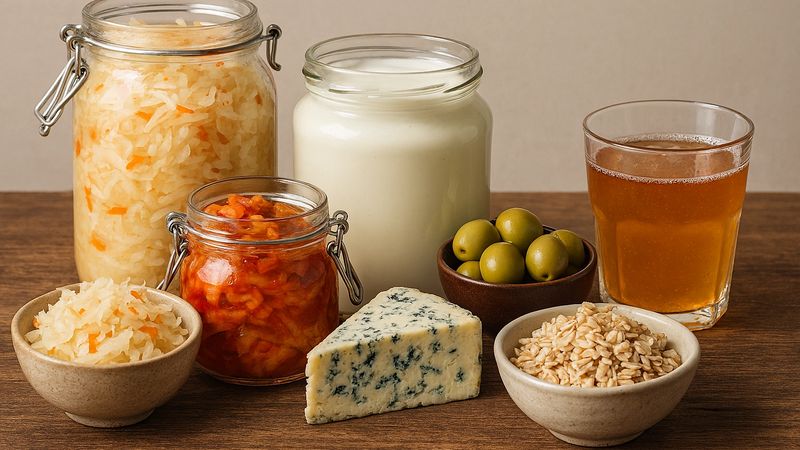
Fermented Diet for Mental Health: Probiotics & Prebiotics
The gut‑brain connection is no longer a scientific curiosity—it’s a cornerstone of modern mental‑health nutrition In the past decade, researchers have uncovered how probiotics (live beneficial microbes) and prebiotics (the food that fuels them) can shape mood, anxiety, and stress resilience. This article breaks down the science, highlights the most compelling studies, and gives you a practical roadmap to harness fermented foods for a calmer mind
The Gut‑Brain Axis: A Two‑Way Street
What the Axis Is
The microbiota‑gut‑brain axis is a complex communication network linking the trillions of microbes in our intestines with the brain. Signals travel via
- Neural pathways– primarily the vagus nerve
- Immune signaling– cytokines that can cross the blood‑brain barrier
- Metabolic routes– short‑chain fatty acids (SCFAs) and neurotransmitter precursors produced by microbes
Key takeaway A balanced gut microbiome can dampen stress hormones and modulate brain regions that govern emotion, such as the amygdala
Why It Matters for Mental Health
When the microbial community is disrupted (dysbiosis), the brain may receive exaggerated stress signals, contributing to anxiety depression and cognitive fog Conversely, nurturing a diverse, thriving microbiome can promote the release of serotonin GABA and dopamine—the very chemicals that underpin mood regulation
Probiotics: Live Microbial Allies
Definition & Common Strains
Probiotics are live microorganisms that, when consumed in adequate amounts, confer a health benefit. The most studied genera include Lactobacillus Bifidobacterium and Saccharomyces
Popular Strains for Mood
- Lactobacillus rhamnosus shown to reduce cortisol and amygdala activity
- Bifidobacterium longum linked to lower anxiety scores
- Lactobacillus helveticus improves self‑reported stress
How Probiotics Influence the Brain
- Neurotransmitter Production Certain strains synthesize GABA and serotonin directly
- Barrier Protection They strengthen the intestinal lining, preventing inflammatory molecules from reaching the brain
- Modulating the HPA Axis Regular intake can blunt the hypothalamic‑pituitary‑adrenal response to stress
Evidence Snapshot
A meta‑analysis of 34 human trials (see source [4]) found that daily probiotic supplementation modestly reduces negative mood over a 4‑ to 12‑week period. However, effect sizes vary by strain, dosage, and baseline mental‑health status
Prebiotics: Feeding the Good Guys
What Are Prebiotics?
Prebiotics are nondigestible fibers that serve as fuel for beneficial gut bacteria. Classic examples include inulin fructooligosaccharides (FOS) and galactooligosaccharides (GOS)
Whole‑Food Sources
- Chicory root & Jerusalem artichoke (high in inulin)
- Bananas, onions, garlic, and leeks (rich in FOS)
- Whole grains like barley and oats (contain β‑glucan)
Mechanisms for Mood Support
- SCFA Production Fermentation of prebiotics yields butyrate, propionate, and acetate, which have anti‑inflammatory and neuroprotective effects
- Enhanced Probiotic Growth By feeding resident Lactobacillus and Bifidobacterium prebiotics amplify the natural probiotic pool
- Hormonal Balance SCFAs influence the release of peptide YY and GLP‑1, hormones that interact with brain reward pathways
Ground‑Breaking RCT
Source [1] reports the first randomized controlled trial comparing a high‑prebiotic diet, probiotic capsules, and their combination. Participants on the prebiotic‑rich whole‑plant diet reported significant reductions in mood disturbance, anxiety, and perceived stress compared with baseline, outperforming the probiotic‑only group
Fermented Foods: Nature’s Probiotic Powerhouses
What Makes Fermented Foods Special?
Fermented foods contain live cultures that are already adapted to survive the acidic gut environment. Unlike isolated probiotic supplements, they deliver a synergistic matrix of microbes, enzymes, and bioactive compounds
Top Fermented Foods for Mental Wellness
| Food | Primary Microbes | Typical Serving | Mood‑Boosting Compounds |
|---|---|---|---|
| Kimchi | Lactobacillus plantarum, Leuconostoc spp. | ½ cup | GABA, vitamin C, polyphenols |
| Miso | Tetragenococcus halophilus, Lactobacillus spp. | 1 tbsp | Isoflavones, peptides |
| Sauerkraut | Leuconostoc mesenteroides, Lactobacillus brevis | ¼ cup | SCFAs, antioxidants |
| Kombucha | Brettanomyces, Acetobacter spp. | 8 oz | Organic acids, polyphenols |
| Yogurt (live‑culture) | Lactobacillus bulgaricus, Streptococcus thermophilus | 1 cup | Calcium, vitamin B12 |
Science Highlights
- A study summarized in source [2] demonstrated that specific probiotic strains in kimchi and miso reduced amygdala activation during fear‑processing tasks, correlating with lower self‑reported anxiety
- Review [3] emphasizes that psychobiotics—the subset of probiotics with mental‑health benefits—are abundant in traditional fermented foods, offering a whole‑food approach that may be more sustainable than pills
High‑Prebiotic Diets: Whole‑Food Strategy
Core Principles
- Diversity Over Quantity Aim for a rainbow of fiber‑rich plant foods
- Seasonal & Local Fresh produce tends to retain more prebiotic fibers
- Minimal Processing Preserve the intact fiber matrix
Sample Daily Plate
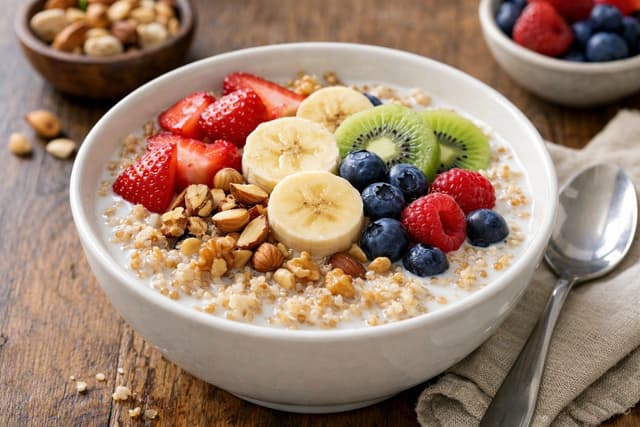
- Breakfast Oatmeal topped with sliced banana, chia seeds, and a drizzle of honey
- Lunch Mixed‑bean salad with roasted chickpeas, kale, and a lemon‑tahini dressing
- Snack Apple slices with a tablespoon of almond butter
- Dinner Stir‑fried tempeh, broccoli, and carrots served over quinoa
- Fermented Side A small bowl of kimchi or a glass of kombucha
Clinical Insight
The RCT from source [1] showed that participants who followed a high‑prebiotic diet for eight weeks experienced a 15‑20% drop in perceived stress and a 10% improvement in mood‑disturbance scores outperforming probiotic supplementation alone
Combining Probiotics & Prebiotics: Synbiotic Synergy
What Is a Synbiotic?
When probiotic organisms are paired with prebiotic substrates they create a synbiotic—a mutually reinforcing system that enhances microbial survival and activity
Practical Synbiotic Foods
- Yogurt with a sprinkle of ground flaxseed (live cultures + fiber)
- Miso soup with added seaweed (probiotic broth + polysaccharides)
- Kefir blended with berries and oats (live microbes + prebiotic carbs)
Comparative Table
| Approach | Typical Dose | Main Benefits | Evidence Strength |
|---|---|---|---|
| Probiotic Supplements | 1–10 × 10⁹ CFU/day | Targeted strain delivery; convenient | Moderate (mixed RCTs) |
| High‑Prebiotic Diet | 20–30 g fiber/day | Broad microbiome diversity; metabolic health | Strong (RCTs, cohort studies) |
| Synbiotic Foods | Food‑based; variable | Enhanced colonization, dual‑action on mood | Emerging (promising pilot trials) |
Practical Tips to Get Started
- Start Small Add one fermented food to your routine each week
- Mind the Sugar Choose low‑sugar kimchi, sauerkraut, and kombucha to avoid gut‑disruptive spikes
- Rotate Fibers Switch between inulin‑rich chicory, FOS‑rich onions, and GOS‑rich legumes to feed different bacterial species
- Track Mood Use a simple journal (e.g., daily rating of anxiety, stress, and happiness) to notice trends
- Stay Consistent Benefits accrue after 4–8 weeks of regular intake
Potential Risks & Considerations
- Histamine Sensitivity Some fermented foods (especially aged cheeses and sauerkraut) can be high in histamine, which may trigger headaches or anxiety in susceptible individuals
- Digestive Upset Introducing large amounts of fiber abruptly can cause bloating; increase intake gradually
- Quality Matters Opt for raw, unpasteurized products when possible, as pasteurization kills beneficial microbes
- Medical Conditions Those with compromised immune systems should consult a healthcare provider before consuming live‑culture foods
Future Directions: From Lab Bench to Kitchen Counter
Researchers are now exploring next‑generation psychobiotics—engineered strains designed to produce specific neurotransmitters on demand. Meanwhile, large‑scale population studies are evaluating the long‑term mental‑health outcomes of fermented‑food‑rich diets across diverse cultures
The takeaway for today’s reader while the science continues to evolve evidence already supports the inclusion of probiotic‑laden fermented foods and fiber‑rich prebiotic plants as low‑cost, low‑risk strategies to bolster mental resilience
Conclusion
A fermented diet that blends probiotic foods with prebiotic‑rich plant sources offers a powerful, evidence‑backed pathway to support mental health. By nourishing the gut microbiome, we can modulate stress hormones, calm the amygdala, and promote a more balanced mood—all without prescription medication
Start small, stay consistent, and watch your mind feel lighter as your gut flourishes
Frequently Asked Questions
Can I replace probiotic supplements with fermented foods?
Yes. Most healthy adults can obtain sufficient probiotic strains from a varied intake of fermented foods like kimchi, yogurt, and kombucha. Supplements may still be useful for targeted strains or when dietary options are limited
How much prebiotic fiber should I aim for each day?
Current guidelines suggest 25‑30 g of total dietary fiber per day, with at least 5‑10 g coming from prebiotic sources such as onions, garlic, bananas, and whole grains
Is there a risk of taking too many fermented foods?
While generally safe, excessive consumption can lead to excess sodium (in pickled vegetables) or histamine reactions in sensitive individuals. Balance fermented foods with fresh vegetables and stay hydrated
🔍 FoodReveal helps you decode nutrition labels beyond marketing. Available for Android and iOS.
Sources and Further Reading
- Effects of a high-prebiotic diet versus probiotic supplements versus
- Foods Like Kimchi and Miso May Have Major Mental Health Benefits
- Fermented foods: Harnessing their potential to modulate the
- Probiotics reduce negative mood over time: the value of daily self
- Probiotics and prebiotics: What you should know - Mayo Clinic