
INTRODUCTION
In today's health-conscious food landscape, choosing the right grains can be a daunting task, especially for those trying to lose weight. Quinoa and rice are two popular options, but which one is better for weight loss? To answer this question, we need to delve into their nutritional profiles and production processes. For a comprehensive overview of different diets and their effects on weight loss, check out our article Diet Comparison: Keto, Vegan, Mediterranean & More – Which is Best for You? (2025).
What They Are: Definition and Origins
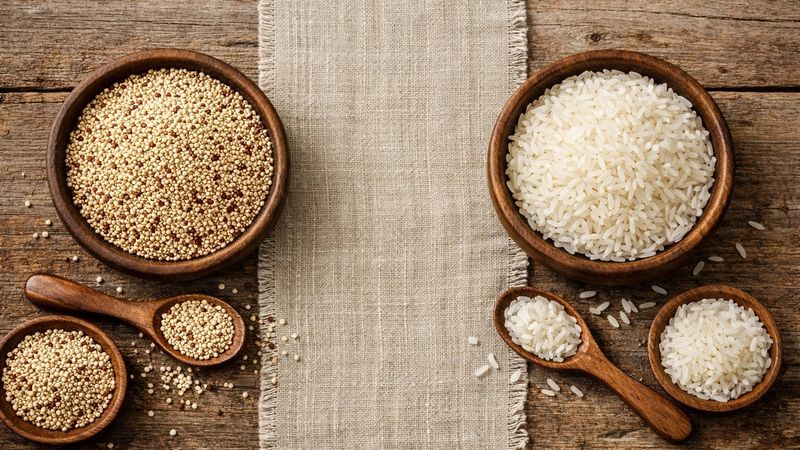
Quinoa and rice are both grains, but they have distinct definitions and origins. Quinoa is a pseudo-cereal, meaning it is not a true cereal but rather a flowering plant that produces edible seeds. It originated in the Andean region of South America, where it was considered a sacred crop by the Incas. Rice, on the other hand, is a true cereal that originated in Asia, with evidence of its cultivation dating back over 7,000 years. There are several variants of quinoa and rice available today, including white, brown, and red rice, as well as tri-color and red quinoa.
How They're Made
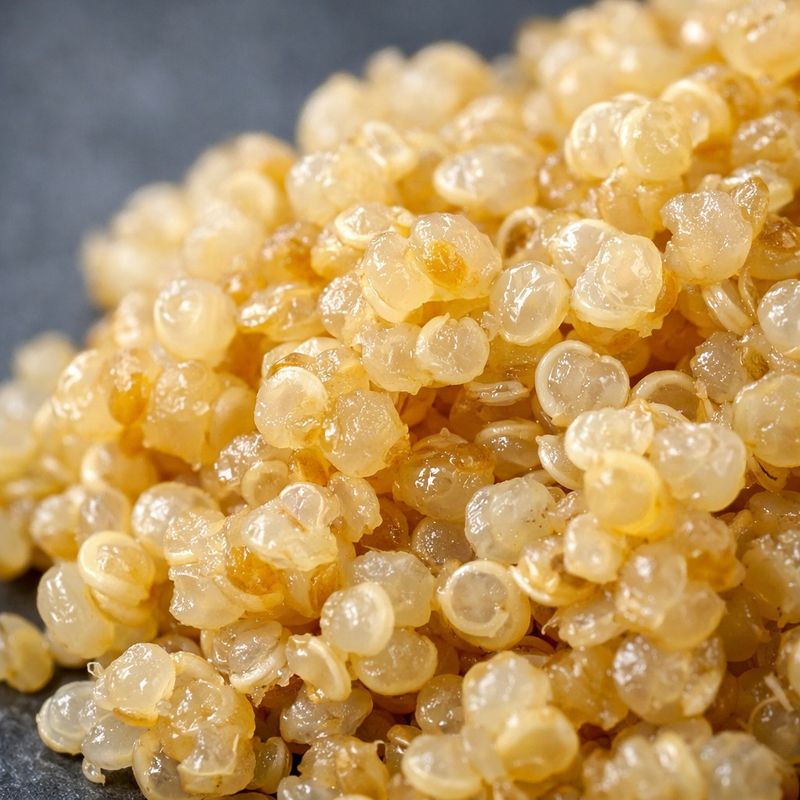
The production process for quinoa and rice differs significantly. Quinoa is typically grown at high altitudes and is often harvested by hand, whereas rice is usually grown in flooded fields and is often harvested mechanically. Industrial quinoa production involves processing the seeds to remove the saponin coating, which gives quinoa its bitter taste, whereas artisanal producers may leave this coating intact. Rice production, on the other hand, involves milling the grain to remove the bran and germ, leaving just the starchy endosperm.
Detailed Nutritional Comparison
| Nutrient | Quinoa | White Rice | Brown Rice |
|---|---|---|---|
| Calories | 150-200 per cup | 110-130 per cup | 110-130 per cup |
| Protein | 4-5g per cup | 2-3g per cup | 2-3g per cup |
| Fiber | 2-3g per cup | 0.5-1g per cup | 1-2g per cup |
| Iron | 2-3mg per cup | 1-2mg per cup | 1-2mg per cup |
Quinoa stands out for its high protein and fiber content, making it a more nutritious option. The protein content in quinoa is particularly notable, as it contains all nine essential amino acids that the body cannot produce on its own. For more information on the health benefits of quinoa, check out our article The Health Benefits of Quinoa Cereals.
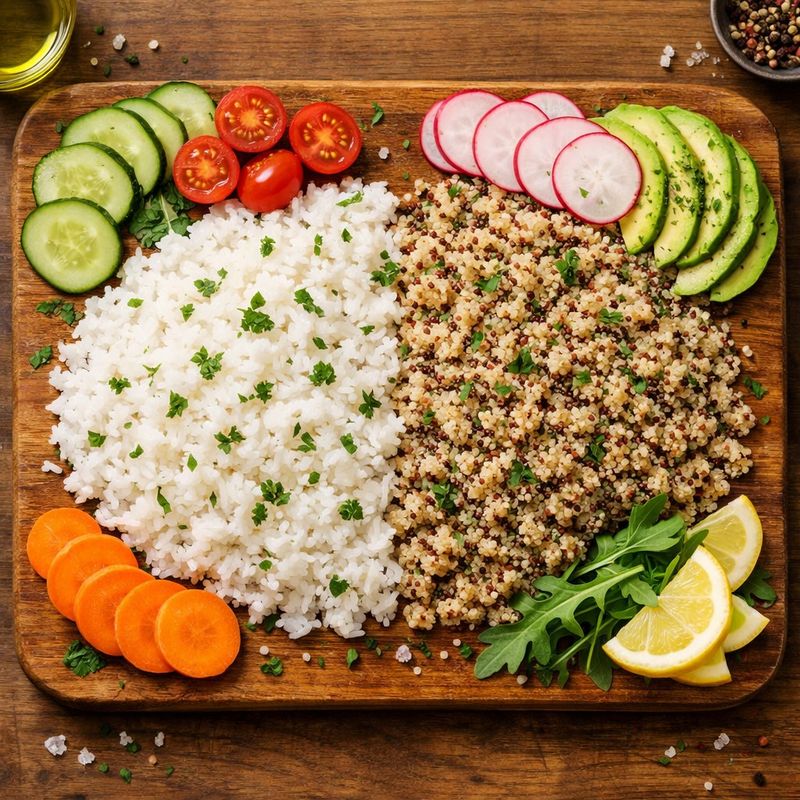
The fiber content in quinoa is also significant, as it can help promote digestive health and support healthy blood sugar levels. In contrast, white and brown rice are relatively low in fiber and protein, but are still good sources of carbohydrates and certain minerals like iron. Brown rice, however, has a slightly higher fiber and nutrient content compared to white rice, making it a better choice for those looking for a more nutritious option.
In-Depth Ingredient Analysis
Typical quinoa products may include ingredients like quinoa flour, water, and sometimes added flavorings or preservatives. On the other hand, rice products may include ingredients like enriched rice flour, water, and sometimes added flavorings or texture modifiers. One of the most relevant ingredients to analyze is the type of quinoa or rice used, as some varieties may be higher in certain nutrients or contaminants than others. For example, some quinoa products may contain higher levels of saponins, which can give quinoa its bitter taste, while some rice products may contain higher levels of arsenic, a toxic substance that can be found in rice.
Additives and Controversial Substances
Some quinoa and rice products may contain additives like sodium benzoate or potassium sorbate, which are used as preservatives to extend shelf life. Other products may contain controversial substances like partially hydrogenated oils or artificial flavorings. Cleaner-label alternatives may use natural preservatives like vitamin E or rosemary extract, and may avoid artificial flavorings and colorings altogether. For more information on how to choose the best fruit options, check out our article Fresh fruit vs dried fruit: which prevents more?.
Health Effects and Benefits
Quinoa and rice can have different health effects and benefits, depending on the individual and their dietary needs. Quinoa is generally considered a healthier option due to its high protein and fiber content, making it a good choice for those trying to lose weight or manage blood sugar levels. Rice, on the other hand, is often consumed in large quantities, particularly in Asian cultures, and can be a good source of carbohydrates and certain minerals. However, it is essential to choose the right type of rice, as some varieties may be higher in arsenic or other contaminants. For more information on how to choose the best yogurt option, check out our article Yogurt with fruit or without: which is better?.
How to Read the Label: A Practical Guide
When reading the label on quinoa or rice products, it's essential to look for ingredients like added preservatives, flavorings, or texture modifiers. Red flags may include ingredients like partially hydrogenated oils or artificial flavorings, which can be detrimental to health. Industry tricks to disguise poor ingredients may include using generic terms like "natural flavorings" or "spices," which can be vague and misleading. To make informed choices, it's crucial to read the ingredient list carefully and choose products with cleaner labels and fewer additives.
Best Products on the Market
Quinoa Crunch: Key ingredients include quinoa, brown rice, and almonds. Two strengths are high protein content and crunchy texture. One weakness is high calorie count. This product is ideal for fitness enthusiasts.
Rice Delight: Key ingredients include white rice, quinoa, and dried fruits. Two strengths are easy to digest and affordable price. One weakness is low fiber content. This product is ideal for families with young children. For those looking for dairy-free alternatives, consider exploring Quinoa milk options.
Ancient Grain: Key ingredients include quinoa, spelt, and amaranth. Two strengths are high nutritional value and gluten-free. One weakness is strong nutty flavor. This product is ideal for health-conscious individuals.
Recipes and Kitchen Uses
Recipe 1: Quinoa and Vegetable Bowl
Ingredients:
- 1 cup of quinoa
- 2 cups of water
- 1 tablespoon of olive oil
- 1 onion, diced
- 2 cloves of garlic, minced
- 1 cup of mixed vegetables
Instructions:
- Rinse the quinoa and soak it in water for 30 minutes.
- Heat the olive oil in a pan and sauté the onion and garlic.
- Add the mixed vegetables and cook until tender.
- Drain the quinoa and add it to the pan.
- Season with salt and pepper to taste.
Prep time: 20 minutes.
Recipe 2: Rice and Lentil Curry
Ingredients:
- 1 cup of white rice
- 1 cup of red lentils
- 2 cups of water
- 1 tablespoon of curry powder
- 1 teaspoon of turmeric
Instructions:
- Rinse the rice and lentils and soak them in water for 30 minutes.
- Heat oil in a pan and add the curry powder and turmeric.
- Add the lentils and cook until tender.
- Add the rice and cook until combined.
- Season with salt and pepper to taste.
Prep time: 25 minutes.
Sustainability and Environmental Impact
Quinoa and rice production have different environmental impacts. Quinoa requires less water and pesticides, making it a more sustainable option. Consumers can choose responsibly by buying quinoa from local farmers and reducing food waste.
Frequently Asked Questions
What is the nutritional difference between quinoa and rice?
Answer: Quinoa is higher in protein and fiber, while rice is higher in carbohydrates.
Can I substitute quinoa for rice in all recipes?
Answer: No, quinoa has a stronger flavor and texture, so it's best to use it in specific recipes.
Is quinoa gluten-free?
Answer: Yes, quinoa is gluten-free, making it a great option for those with gluten intolerance.
Final Verdict
In conclusion, quinoa is a better option for weight loss due to its high protein and fiber content. However, rice can still be a part of a healthy diet when consumed in moderation. For those looking for alternative dairy products, consider exploring Rice Kefir vs Greek Yogurt: chemical comparison to make informed decisions.
🔍 FoodReveal helps you decode nutrition labels beyond marketing. Available for Android and iOS.
Leave a review