
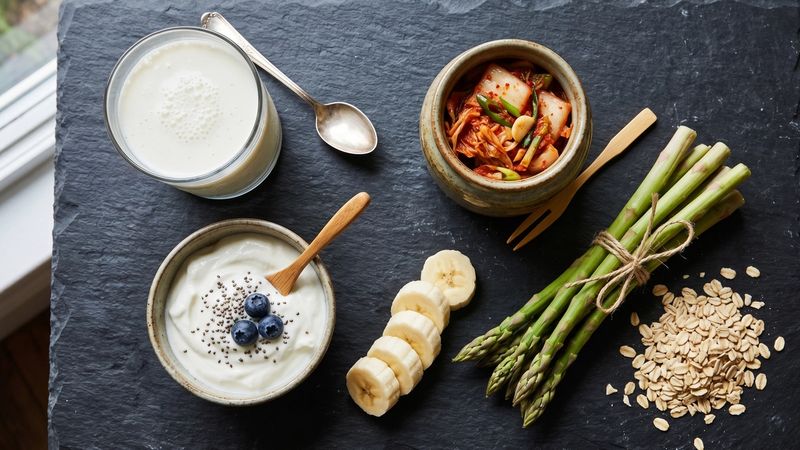
INTRODUCTION
In today's food landscape, the demand for plant-based diets has increased significantly, with many individuals opting for vegetarian and vegan lifestyles. As a result, it's essential to understand the differences and benefits of these diets, which can be achieved by exploring the various types of vegetarianism, including veganism, and their nutritional implications. For those interested in exploring vegan options, our previous article on Summer Magnum Ice Cream: Classic, Light & Vegan Review provides an in-depth look at the vegan ice cream market
What They Are: Definition and Origins
Vegetarian and vegan diets have been around for centuries, with roots in ancient cultures and philosophies. The term " vegetarian " was coined in the 19th century, while veganism emerged as a distinct movement in the 20th century. There are several types of vegetarian diets, including lacto-ovo-vegetarian, lacto-vegetarian, and vegan, each with its own set of dietary restrictions and guidelines. Understanding these differences is crucial for making informed choices about one's diet and lifestyle
How They're Made
The production process for vegetarian and vegan products varies depending on the type of product and the manufacturer. Industrial production often involves large-scale processing and packaging, while artisanal producers focus on smaller batches and more traditional methods. The choice between industrial and artisanal products depends on individual preferences and values, with some prioritizing convenience and affordability, while others emphasize quality and sustainability
Detailed Nutritional Comparison
The nutritional comparison between vegetarian, vegan, and omnivore diets reveals some interesting insights. While all three diets can provide adequate nutrition, the vegan diet requires more careful planning to ensure sufficient intake of certain nutrients, such as vitamin B12 and omega-3 fatty acids. Our previous article on Carrageenan: What Is It and Benefits highlights the importance of seaweed-based ingredients in vegan diets
The data also suggests that vegetarian and vegan diets tend to be lower in calories and fat compared to omnivore diets, which can be beneficial for weight management and overall health. However, it's essential to note that individual nutritional needs may vary, and a well-planned diet that takes into account specific requirements is crucial for optimal health
In-Depth Ingredient Analysis
Typical ingredients in vegetarian and vegan products include plant-based proteins, whole grains, and a variety of fruits and vegetables. For example, a vegan protein powder might contain pea protein, brown rice protein, and hemp protein, while a vegetarian yogurt alternative might be made from soy milk, coconut milk, or almond milk. Analyzing the ingredients of these products can help consumers make informed choices about their diet and lifestyle
Additives and Controversial Substances
Some vegetarian and vegan products may contain additives and controversial substances, such as carrageenan, which has been linked to potential health risks. However, many manufacturers are now opting for cleaner-label alternatives, such as using seaweed-based ingredients instead of carrageenan. Consumers can make informed choices by reading labels carefully and choosing products with simpler, more natural ingredients
Health Effects and Benefits
Documented benefits of vegetarian and vegan diets include reduced risk of chronic diseases, such as heart disease, type 2 diabetes, and certain types of cancer. However, it's essential to note that a well-planned diet is crucial to ensure adequate nutrition and prevent potential health risks. Our previous article on Fermented diet for mental health: probiotics & prebiotics highlights the importance of fermented foods in supporting mental health and overall well-being
How to Read the Label: A Practical Guide
When reading labels, it's essential to look for ingredients that are whole, natural, and minimally processed. Red flags include long lists of unrecognizable ingredients, added sugars, and saturated fats. Industry tricks to disguise poor ingredients include using misleading labeling and hiding unwanted ingredients behind generic terms. By being aware of these tactics, consumers can make informed choices and opt for products that align with their dietary values and preferences
Best Products on the Market
Quaker Oats: Key ingredients include rolled oats, sugar, and flavorings. Two strengths are high fiber content and convenience. One weakness is the presence of added sugars. This product is ideal for busy individuals looking for a quick and healthy breakfast option. For those interested in comparing different diets, check out Diet Comparison: Keto, Vegan, Mediterranean & More – Which is Best for You? (2025)
Alpro Soya Milk: Key ingredients include soya protein, water, and vegetable oils. Two strengths are low calorie count and rich in protein. One weakness is the potential for allergens. This product is ideal for those with dairy intolerance or preferences
Kellogg's Vegetarian Sausages: Key ingredients include vegetable protein, wheat flour, and spices. Two strengths are high protein content and versatile cooking options. One weakness is the presence of preservatives. This product is ideal for families looking for a meat-free alternative for breakfast or dinner
Recipes and Kitchen Uses
Recipe 1: Vegan Lentil Soup
Ingredients
- 1 cup of red lentils
- 2 cups of vegetable broth
- 1 onion, chopped
- 2 cloves of garlic, minced
- 1 carrot, chopped
Instructions
- Saute the onion and garlic in a pot
- Add the lentils, broth, and carrot
- Bring to a boil, then simmer for 30 minutes
- Season with salt and pepper to taste
- Serve hot with crusty bread
Prep time: 40 minutes
Recipe 2: Roasted Vegetables
Ingredients
- 2 cups of mixed vegetables (such as broccoli, cauliflower, and Brussels sprouts)
- 2 tablespoons of olive oil
Instructions
- Preheat the oven to 400°F (200°C)
- Toss the vegetables with olive oil and seasonings
- Spread on a baking sheet and roast for 20-25 minutes
- Serve hot as a side dish
Prep time: 25 minutes
Sustainability and Environmental Impact
The production of vegetarian and vegan products can have a significant impact on the environment, depending on factors such as transportation, packaging, and ingredient sourcing. Consumers can choose responsibly by opting for locally sourced, organic, and minimally packaged products. Additionally, reducing food waste and supporting sustainable agriculture can also contribute to a more environmentally friendly diet
Frequently Asked Questions
What is the difference between a vegetarian and vegan diet?
A vegetarian diet excludes meat, but may include animal by-products such as dairy and eggs, while a vegan diet excludes all animal products
Can a vegetarian or vegan diet provide enough protein?
Yes, a well-planned vegetarian or vegan diet can provide enough protein from plant-based sources such as legumes, beans, and nuts
Are vegetarian and vegan diets suitable for all ages?
Yes, with proper planning, vegetarian and vegan diets can be suitable for all ages, including children, pregnant women, and older adults
Final Verdict
In conclusion, a well-planned vegetarian or vegan diet can provide numerous health benefits, including reduced risk of chronic diseases and improved weight management. For those interested in exploring vegan snack options, check out Vegan snacks vs traditional snacks With the right knowledge and resources, anyone can adopt a healthy and sustainable vegetarian or vegan lifestyle
🔍 FoodReveal helps you decode nutrition labels beyond marketing. Available for Android and iOS.