
INTRODUCTION
In today's food landscape, consumers are becoming increasingly health-conscious, driving the demand for gluten-free products. Gluten-free crackers, in particular, have gained popularity as a convenient and allegedly healthier alternative to traditional crackers. However, it's essential to separate fact from fiction and understand what gluten-free crackers are, how they're made, and their nutritional content. For those looking to make informed choices Decoding Food Labels: A Complete Guide to Healthier Choices can provide valuable insights
What They Are: Definition and Origins
Gluten-free crackers are baked goods made from gluten-free flours, such as rice, corn, or almond flour, and are designed for individuals with gluten intolerance or sensitivity. The history of gluten-free crackers dates back to the early 20th century, when they were first developed for individuals with celiac disease. Today, there are various types of gluten-free crackers available, including rice-based, corn-based, and seed-based crackers. Some popular brands offer a range of flavors and textures, making them a staple in many health-conscious households
How They're Made
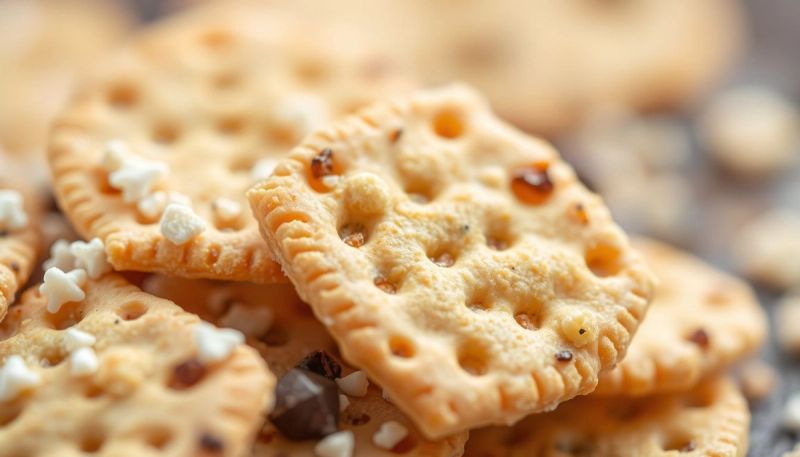
The production process of gluten-free crackers involves mixing gluten-free flours with other ingredients, such as starches, gums, and emulsifiers, to create a dough. The dough is then rolled out, cut into shapes, and baked until crispy. Industrial manufacturers often use automated processes to produce large quantities of gluten-free crackers, while artisanal producers may use traditional methods to create smaller batches. The difference in production methods can affect the texture, taste, and nutritional content of the final product
Detailed Nutritional Comparison
| Product | Calories | Protein | Total Fat | Saturated Fat | Carbohydrates | Sugars | Fiber | Sodium |
|---|---|---|---|---|---|---|---|---|
| Rice Crackers | 120 | 2g | 2g | 0g | 25g | 1g | 1g | 50mg |
| Corn Crackers | 140 | 3g | 3g | 0.5g | 30g | 2g | 2g | 100mg |
| Almond Flour Crackers | 160 | 6g | 10g | 1g | 15g | 1g | 3g | 50mg |
| Quinoa Crackers | 150 | 4g | 2g | 0g | 30g | 1g | 2g | 100mg |
| Chickpea Flour Crackers | 120 | 5g | 2g | 0g | 20g | 1g | 3g | 50mg |
| Pumpkin Seed Crackers | 140 | 7g | 10g | 1.5g | 15g | 1g | 2g | 100mg |
| Gluten-Free Oat Crackers | 130 | 3g | 2g | 0g | 25g | 1g | 2g | 50mg |
| Ancient Grain Crackers | 140 | 4g | 3g | 0.5g | 30g | 2g | 3g | 100mg |
The nutritional content of gluten-free crackers varies widely depending on the type of flour used and the added ingredients. Generally, rice-based crackers tend to be lower in calories and fat, while almond flour-based crackers are higher in calories and fat. Quinoa and chickpea flour-based crackers offer a good balance of protein and fiber. For a more detailed analysis of nutritional labels, refer to How to Read Food Labels: The Ultimate Guide to Healthier Choices
In-Depth Ingredient Analysis
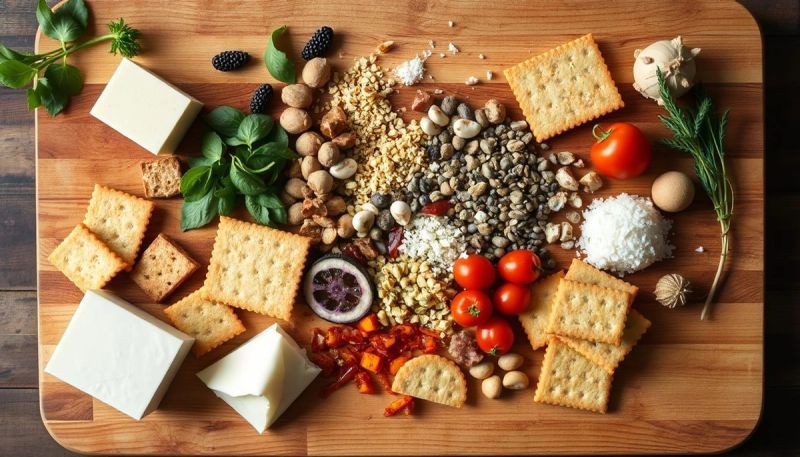
Typical ingredients of gluten-free crackers include rice flour, cornstarch, potato starch, and tapioca flour. Other ingredients may include gums, emulsifiers, and flavorings. Almond flour-based crackers often contain additional ingredients like sugar, salt, and spices. The most relevant ingredients to analyze are the types of flour used, as they can affect the nutritional content and texture of the crackers. Cleaner-label alternatives may use fewer ingredients and more wholesome ingredients, such as ancient grains or seeds
Additives and Controversial Substances
Common additives in gluten-free crackers include xanthan gum, guar gum, and sodium stearoyl lactylate. Some products may contain controversial substances like artificial flavorings or preservatives. Cleaner-label alternatives may use natural flavorings and preservatives, such as rosemary extract or vitamin E. Consumers should be aware of the potential risks associated with certain additives and choose products with simpler ingredient lists
Health Effects and Benefits
Gluten-free crackers can be a healthy alternative for individuals with gluten intolerance or sensitivity. However, some products may be high in calories, fat, or sodium, which can have negative health effects if consumed excessively. Documented benefits of gluten-free crackers include improved digestion and reduced inflammation. However, it's essential to choose products made with wholesome ingredients and to consume them in moderation. For more information on managing gluten intolerance, refer to Gluten-Free Crackers - Food Research Lab
How to Read the Label: A Practical Guide
When reading the label of gluten-free crackers, look for the type of flour used, the ingredient list, and the nutritional content. Red flags include long ingredient lists, artificial flavorings, and high amounts of added sugars or sodium. Industry tricks to disguise poor ingredients include using generic terms like "natural flavorings" or "spices." Consumers should also be aware of certifications like the Gluten-Free Certification Organization (GFCO) or the Celiac Support Association (CSA), which ensure that products meet certain standards for gluten-free products. By being informed and vigilant, consumers can make healthier choices and enjoy gluten-free crackers as part of a balanced diet
Best Products on the Market
Analyzing three specific gluten-free cracker products available in stores, we have
- Mary's Gone Crackers Made with key ingredients like brown rice, quinoa, and sesame seeds, this product has strengths in its high nutritional value and crunchy texture. However, a weakness is its higher price point compared to other options. Ideal for health-conscious consumers
- Glutino Crackers With key ingredients including rice flour, cornstarch, and sugar, Glutino offers strengths in its wide availability and variety of flavors. A weakness is the presence of added sugars. Ideal for those looking for a convenient, widely available gluten-free option
- Schar Table Crackers Made with ingredients like rice flour, potato starch, and olive oil, Schar offers strengths in its light, crisp texture and low calorie count. A weakness is its lower nutritional value compared to other options. Ideal for those watching their calorie intake
Ranked from highest to lowest recommendation based on nutritional value and consumer needs, the order is: Mary's Gone Crackers, Glutino Crackers, and then Schar Table Crackers
Recipes and Kitchen Uses
Recipe 1: Gluten-Free Herb and Cheese Crackers
- 1/2 cups gluten-free flour
- 1/4 cup grated cheese
- 1/4 cup chopped fresh herbs (like parsley or dill)
- 1/2 teaspoon salt
- 1/4 teaspoon black pepper
- 1/2 cup cold butter, cut into small pieces
- 1/4 cup ice-cold water
Instructions
- Preheat oven to 375°F (190°C). Line a baking sheet with parchment paper
- In a bowl, mix flour, cheese, herbs, salt, and pepper
- Add butter and use a pastry blender or fingers to work it into the flour mixture until it resembles coarse crumbs
- Gradually add water, stirring with a fork until the dough comes together
- Roll out dough to about 1/4 inch thickness. Cut into desired shapes
- Place on the prepared baking sheet and bake for 15-20 minutes or until lightly golden
Prep time: 20 minutes
Recipe 2: Spinach and Artichoke Dip with Gluten-Free Crackers
- (14 oz) can artichoke hearts, drained and chopped
- package frozen spinach, thawed and drained
- cup mayonnaise
- cup shredded cheese
- 1/2 cup grated Parmesan
- 1/2 teaspoon lemon juice
- Salt and pepper to taste
- box gluten-free crackers
Instructions
- Preheat oven to 350°F (175°C)
- In a bowl, combine artichoke hearts, spinach, mayonnaise, cheese, Parmesan, lemon juice, salt, and pepper. Mix well
- Transfer the mixture to a baking dish
- Bake for 20-25 minutes or until the cheese is melted and bubbly
- Serve warm with gluten-free crackers
Prep time: 15 minutes
Sustainability and Environmental Impact
The production of gluten-free crackers can have a significant environmental impact due to the sourcing of ingredients, manufacturing process, and packaging. Consumers can choose responsibly by selecting products with minimal packaging, buying in bulk, and opting for brands that use sustainable practices and source ingredients locally
Frequently Asked Questions
What are gluten-free crackers made of?
Gluten-free crackers are made from a variety of ingredients such as rice flour, corn flour, and other gluten-free grains
Are all gluten-free crackers healthy?
Not all gluten-free crackers are healthy; some may contain high amounts of sugar, salt, or unhealthy fats
Can I make my own gluten-free crackers at home?
Yes, you can make your own gluten-free crackers at home using simple ingredients like gluten-free flours, water, and salt
Final Verdict
In summary, gluten-free crackers offer a versatile and healthy snack option for those with gluten intolerance or preference. With a variety of products available, consumers can choose based on nutritional value, taste, and sustainability. For the best experience, consider making your own gluten-free crackers at home or opting for high-quality, sustainably sourced store-bought options. 🔍 Want to know exactly what's in a product before you buy it? With you scan the label in seconds and get a full breakdown of ingredients, additives and nutritional values — in plain language, no expertise required
🔍 FoodReveal helps you decode nutrition labels beyond marketing. Available for Android and iOS.
Leave a review