
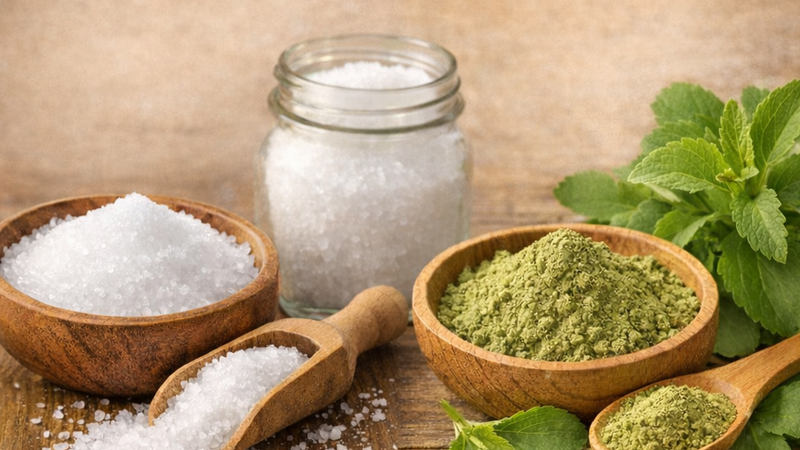
As the demand for natural and low-calorie sweeteners continues to rise, two popular options—erythritol and stevia—have emerged as staples in health-conscious households. Both offer a sugar-like experience without the calories, but their differences in taste, nutritional impact, and usability can leave consumers confused. This article delves into the science, benefits, and practical applications of erythritol and stevia, helping you decide which aligns best with your wellness goals. Whether you’re managing blood sugar, seeking gut health benefits, or simply reducing added sugars, this comparison will guide your choices
What Is Erythritol and What Is Stevia?
Erythritol and stevia originate from vastly different sources, influencing their production methods and perceived naturalness. Erythritol, a sugar alcohol (polyol), is derived through a fermentation process using natural enzymes, often from cornstarch. This hydrogenated sugar compound is approximately 60–80% as sweet as sucrose but contains virtually no calories (0.2–0.4 cal/g). It has been used in Japan since the 1990s and gained FDA approval in the U.S. in 2001. Unlike other polyols, erythritol doesn’t cause significant gastrointestinal distress, making it a favorite among sugar substitutes
Stevia, on the other hand, is a plant-derived sweetener extracted from the Stevia rebaudiana leaf, native to South America. The active compounds, steviol glycosides, are 200–300 times sweeter than sugar and calorie-free. While stevia has been used for centuries in traditional medicine, its commercial use in the U.S. began in the 2000s after FDA approval. However, its bitter aftertaste and licorice-like notes have led many manufacturers to blend it with other sweeteners, including erythritol, to improve palatability
Detailed Nutritional Comparison
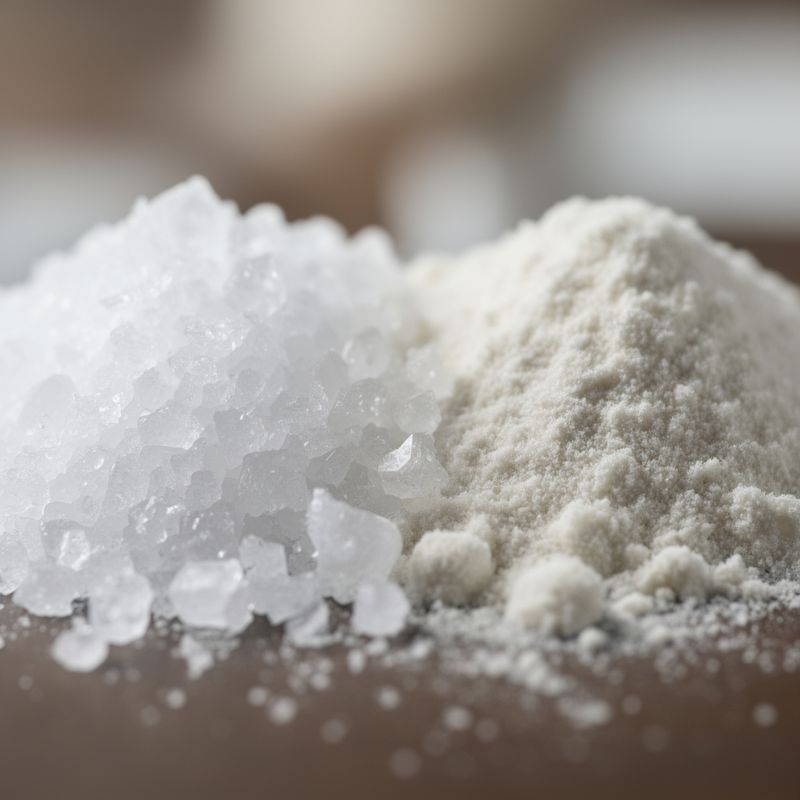
The nutritional profiles of erythritol and stevia highlight their suitability for low-carb and diabetic diets. Below is a comparison of their key attributes
| Attribute | Erythritol | Stevia |
|---|---|---|
| Calories per gram | 0.2–0.4 | 0 |
| Carbohydrates | 0.1–0.3g (not metabolized) | 0g |
| Glycemic Index (GI) | 0 | 0 |
| Sweetness vs. Sugar | 60–80% | 200–300% |
| Digestibility | Generally well-tolerated | May cause bloating in sensitive individuals |
| Shelf Life | 2–3 years (solid), 1–2 years (liquid) | 2–5 years (powder/liquid) |
| Common Uses | Baking, beverages, tabletop | Beverages, desserts, powdered blends |
Erythritol’s mild sweetness makes it ideal for bulk baking substitutions, while stevia’s potency allows for minute quantities in recipes. Both are non-cariogenic, meaning they don’t contribute to tooth decay, a key advantage over sugar
Ingredients and Quality Analysis
When evaluating erythritol and stevia products, ingredient labels reveal critical differences. Pure erythritol is typically listed as “erythritol” or “natural erythritol,” though some brands may include small amounts of natural flavors or anti-caking agents. Organic and non-GMO varieties are available, often certified by organizations like USDA Organic. However, consumers should be cautious of erythritol blends containing maltodextrin or dextrose, which may spikes blood sugar
Stevia products vary widely in purity. High-quality stevia extracts list “stevia leaf extract” or “steviol glycosides” as the primary ingredient, whereas lower-quality options may include fillers like dextrose, maltodextrin, or even erythritol itself. Liquid stevia drops often contain minimal additives, making them a cleaner choice. Notably, the FDA classifies stevia as a dietary supplement rather than a food additive, which affects labeling regulations

For those prioritizing gut health, some studies suggest erythritol may promote beneficial gut bacteria. As noted in our article on Zero Added Sugar: Facts, Label Tricks & 5 Snacks hidden additives in sweeteners can undermine health goals, emphasizing the need for label scrutiny
Benefits and Potential Downsides
Both sweeteners offer distinct advantages but come with caveats. Erythritol’s primary benefit is its bulk and sugar-like texture, making it ideal for baking and cooking. It also doesn’t raise blood glucose levels, aligning with ketogenic and diabetic diets. However, recent studies, including one published in Scientific American have linked high doses of erythritol to increased thrombosis risk, suggesting moderation is key
Stevia’s benefits include its intense sweetness and non-nutritive profile, appealing to those reducing caloric intake. It’s also recognized as safe (GRAS) by the FDA. However, its aftertaste can be off-putting, and some individuals report mild digestive discomfort. Additionally, stevia’s impact on hormone regulation remains under study, though no conclusive risks have been identified
Which Should You Choose: A Practical Guide
The decision between erythritol and stevia depends on individual needs
- Athletes/Active Individuals Erythritol’s energy-neutral profile suits low-carb athletes, while stevia’s lack of carbs may not provide needed energy during prolonged workouts
- Children Erythritol is generally safer for children due to stevia’s potential for digestive upset in sensitive young digestive systems
- Elderly/Diabetics Both are suitable, but erythritol’s minimal impact on glucose makes it a slight edge for blood sugar management
For more on dietary considerations across life stages, explore our comparison of Plant vs. Animal Protein: Vega vs. Optimum Nutrition
Recipes and Pairing Suggestions
Recipe 1: Erythritol-Sweetened Chocolate Avocado Mousse
- ripe avocados
- 1/4 cup erythritol
- 1/4 cup cocoa powder
- 1/2 cup unsweetened almond milk
- tsp vanilla extract
- Pinch of salt
Combine all ingredients in a blender until smooth. Chill for 2 hours. Top with fresh berries for added fiber
Recipe 2: Stevia-Sweetened Iced Green Tea
- cups brewed green tea (cooled)
- 10–15 drops liquid stevia
- tsp fresh lemon juice
- Ice cubes
Mix stevia and lemon juice into tea. Serve over ice for a refreshing, zero-calorie beverage
Final Verdict
Erythritol and stevia each have merits, but the choice hinges on personal preferences and health goals. Opt for erythritol if you need a bulk sweetener with minimal digestive effects, or choose stevia for potent, calorie-free sweetness in beverages and desserts. Always prioritize purity by checking labels for unnecessary additives, and consider combining both for balanced recipes. As with any dietary change, consult a healthcare provider to ensure alignment with your unique needs
According to a study in Diabetes regular consumption of non-nutritive sweeteners like erythritol and stevia may aid in weight management and glycemic control when used appropriately
When selecting products, remember that not all sugar-free options are created equal. For insights into navigating labels, revisit our analysis of Barilla Whole Wheat vs. Regular Pasta
Both sweeteners can play a role in a balanced diet, but mindful usage ensures their benefits outweigh potential downsides
🔍 FoodReveal helps you decode nutrition labels beyond marketing. Available for Android and iOS.
Sources and Further Reading
- Stevia vs. Erythritol: Nutrients, Benefits, Downsides - Healthline
- Erythritol vs Stevia: Ultimate Taste Test Guide - True Citrus
- [PDF] CANSA Fact Sheet on the Sugar Substitute Stevia
- The Battle of Natural Sweeteners: A Comprehensive Guide to Monk
- Artificial Sweetener Erythritol Linked to Blood Clots, Study Warns
Leave a review