

INTRODUCTION
In today's complex food landscape, understanding the ingredients in our food is more crucial than ever. One such ingredient that has garnered attention in recent years is E471, an emulsifier used in a wide range of food products. As consumers become more health-conscious, it's essential to delve into what E471 is, its origins, and whether it's safe for consumption. For those interested in making informed choices about their diet, reading labels carefully is key, as discussed in our guide on How to read baby food labels: quick and safe guide. In this article, we will explore E471 in depth, covering its definition, production process, nutritional comparison, ingredient analysis, health effects, and finally, how to read labels to make informed choices.
What They Are: Definition and Origins
E471, also known as mono- and di-glycerides of fatty acids, is a type of emulsifier used in food products to stabilize mixtures of oil and water. It is commonly derived from animal fats or vegetable oils. The history of E471 dates back to the early days of food processing, where natural emulsifiers were first discovered and utilized. Today, E471 is produced both industrially and artisanally, with the industrial process involving the reaction of glycerol with fatty acids, and the artisanal process often using natural sources like lecithin from eggs or soybeans.
How They're Made
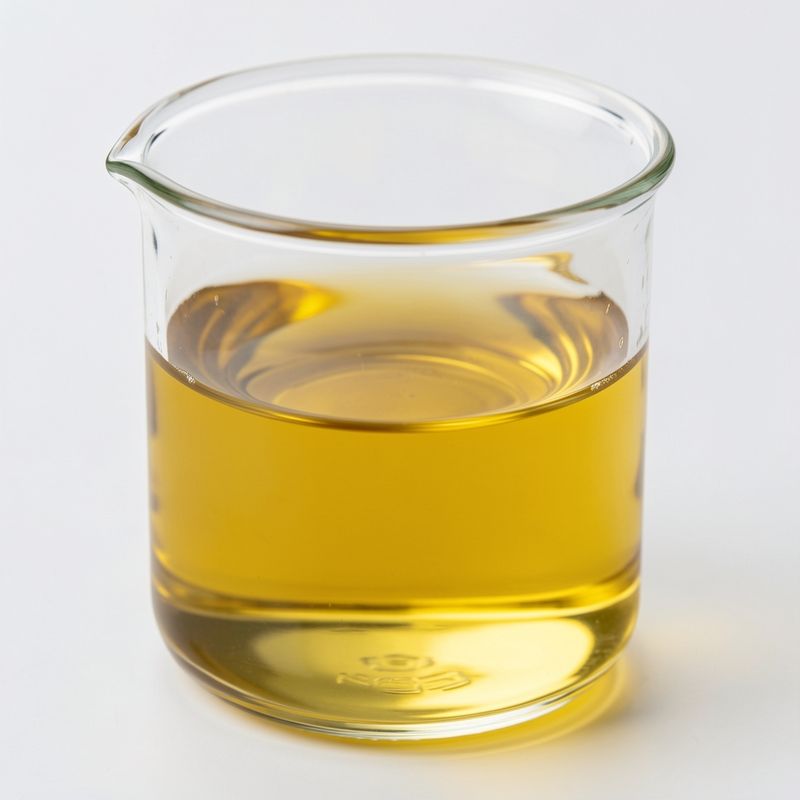
The production of E471 involves the esterification of glycerol with fatty acids, which can be derived from either animal or vegetable sources. The industrial process is more standardized and controlled, ensuring consistency in the final product. In contrast, artisanal producers may use more traditional methods, focusing on natural ingredients and minimal processing. This difference in production methods can affect the final product's quality and nutritional content.
Detailed Nutritional Comparison
| Nutrient | E471 (Mono- and Di-glycerides) | Lecithin | Glycerol | Fatty Acids |
|---|---|---|---|---|
| Calories | 0-2 per 8oz | 0-2 per 8oz | 4.3 per gram | variable |
| Protein | 0g per 8oz | 0-1g per 8oz | 0g per gram | 0g per gram |
| Fat | variable | 0-1g per 8oz | 0g per gram | high |
The nutritional content of E471 and its alternatives can vary significantly. E471 itself is virtually calorie-free and does not contain significant amounts of protein or fat. However, when considering its sources, such as fatty acids, the nutritional profile can change dramatically. For instance, products containing E471 derived from fatty acids can have a high fat content.
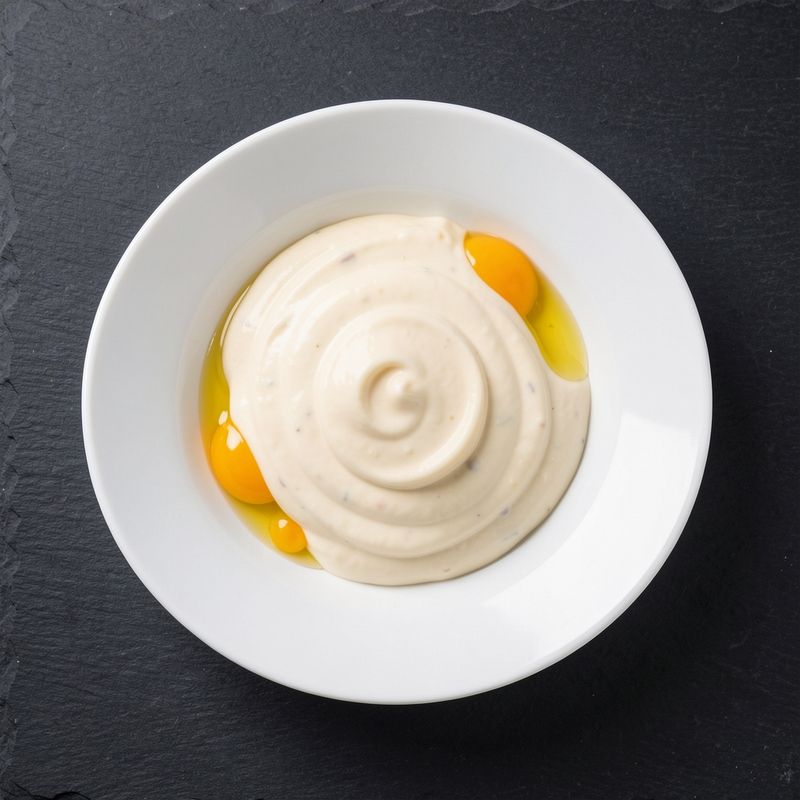
The data in the table highlights the variability in nutritional content among different emulsifiers and their sources. It's crucial for consumers to understand these differences, especially when making choices about packaged foods, similar to the considerations discussed in our Rana vs Buitoni: Packaged Tortellini Comparison. The choice between industrially produced E471 and naturally sourced alternatives like lecithin can impact the overall nutritional quality of the diet.
Understanding the nutritional comparison is essential for making informed decisions about diet and health. Consumers should be aware of the ingredients in their food and how these ingredients might affect their nutritional intake. This awareness can lead to better health outcomes and more informed choices in the supermarket.
In-Depth Ingredient Analysis
Typical products containing E471 include baked goods, margarines, and some types of candy. Analyzing a representative product, such as a commercial cake mix, reveals a list of ingredients that may include E471, alongside other additives and preservatives. The most relevant ingredients to analyze in such products are the emulsifiers themselves, the sources of fatty acids, and any additional preservatives or flavor enhancers.
Additives and Controversial Substances
Common additives in products containing E471 can include other E-numbers, flavor enhancers, and preservatives. Specific E-numbers associated with E471, such as E322 (lecithin), can be found in products aiming for a cleaner label. However, the use of E471 itself has raised concerns regarding its potential impact on gut health, similar to discussions around Probiotics and Prebiotics: Interaction with Gut Microbiome. Cleaner-label alternatives and products with fewer additives are gaining popularity as consumers become more health-conscious.
Health Effects and Benefits
Documented benefits of consuming products with E471 are largely related to its functional role as an emulsifier, improving the texture and stability of food products. However, potential risks, especially for individuals with specific dietary restrictions or sensitivities, include gastrointestinal upset and interactions with other nutrients. It's essential for certain groups, such as those with high cholesterol or heart health concerns, to be mindful of their intake of products containing E471, especially if derived from animal fats. For a safe and healthy choice, considering alternatives like Healthy Protein Bars: Safe Choice can be beneficial.
How to Read the Label: A Practical Guide
When reading labels, consumers should look for E471 or its synonyms, and consider the overall ingredient list for other additives or preservatives. Red flags include a long list of unrecognizable ingredients, high amounts of saturated fats, or the presence of controversial substances. Industry tricks to disguise poor ingredients include using generic terms or splitting ingredients to avoid highlighting a single component's dominance in the product. Being vigilant and taking the time to understand what's in your food is the first step towards making healthier, more informed choices.
Best Products on the Market
Hellmann's Mayonnaise: Key ingredients include soybean oil, water, and egg yolks. Two strengths are its rich flavor and versatility in recipes. One weakness is its high calorie count. This product is ideal for those looking for a classic mayonnaise taste.
Duke's Mayonnaise: Key ingredients include soybean oil, water, and egg yolks. Two strengths are its creamy texture and lack of high-fructose corn syrup. One weakness is its limited availability in some regions. This product is ideal for Reduce Sugar enthusiasts who still want a rich mayonnaise experience.
Kewpie Mayonnaise: Key ingredients include soybean oil, water, and egg yolks. Two strengths are its unique umami flavor and wide range of uses in Japanese cuisine. One weakness is its higher price point compared to other mayonnaise brands. This product is ideal for adventurous eaters looking to try new flavors.
Recipes and Kitchen Uses
Recipe 1: E471 Emulsifier-Based Salad Dressing
Ingredients:
- 2 tablespoons mayonnaise
- 1 tablespoon plain Greek yogurt
- 1 teaspoon Dijon mustard
- 1/2 teaspoon honey
Instructions:
- In a bowl, whisk together mayonnaise, yogurt, mustard, and honey until smooth.
- Taste and adjust the dressing as needed.
- Store in the refrigerator for up to 3 days.
- Serve on top of your favorite salads.
- Experiment with different herbs and spices for unique flavor variations.
Prep time: 5 minutes.
Recipe 2: Baked Goods with E471 Emulsifier
Ingredients:
- 1 cup unsalted butter, softened
- 1/2 cup granulated sugar
- 2 large eggs
Instructions:
- Preheat the oven to 350°F (175°C).
- Cream together butter and sugar until light and fluffy.
- Beat in eggs one at a time.
- Gradually add flour and other dry ingredients.
- Bake according to your favorite recipe.
Prep time: 10 minutes.
Sustainability and Environmental Impact
The production of E471 emulsifier, typically derived from soybean or sunflower oil, has a relatively low environmental impact compared to other food additives. However, consumers can still choose responsibly by opting for products with sustainable palm oil or other eco-friendly ingredients.
Frequently Asked Questions
What is E471 emulsifier?
Answer: E471 emulsifier is a food additive used to stabilize mixtures of oil and water.
Is E471 emulsifier safe to consume?
Answer: Generally, yes, E471 emulsifier is considered safe for consumption in moderation.
Can I replace E471 emulsifier with a natural alternative?
Answer: Yes, some natural alternatives like lecithin can be used in place of E471 emulsifier in certain recipes.
Final Verdict
In conclusion, E471 emulsifier is a widely used and generally safe food additive. For those looking to reduce their sugar intake, considering alternatives like Monosodium Glutamate and Liver Health may provide valuable insights. When shopping for products containing E471 emulsifier, opt for brands that prioritize sustainability and eco-friendliness.
🔍 FoodReveal helps you decode nutrition labels beyond marketing. Available for Android and iOS.
Sources and Further Reading
- The Complete Guide To Emulsifier E471 In Nutrition And Food Production - This Nutrition
- Emulsifier E471 In Nutrition: Benefits, Concerns, And Safety - This Nutrition
- E471 Emulsifier, E471 Emulsifier direct from Guangzhou Masson Science and Technology Industry Company Limited
- E471 Food Emulsifier, E471 Food Emulsifier direct from GUANGDONG CARDLO BIOTECHNOLOGY CO., LTD.
- The Truth About Mono and Diglycerides of Fatty Acids (E471) in Processed Foods
Leave a review