
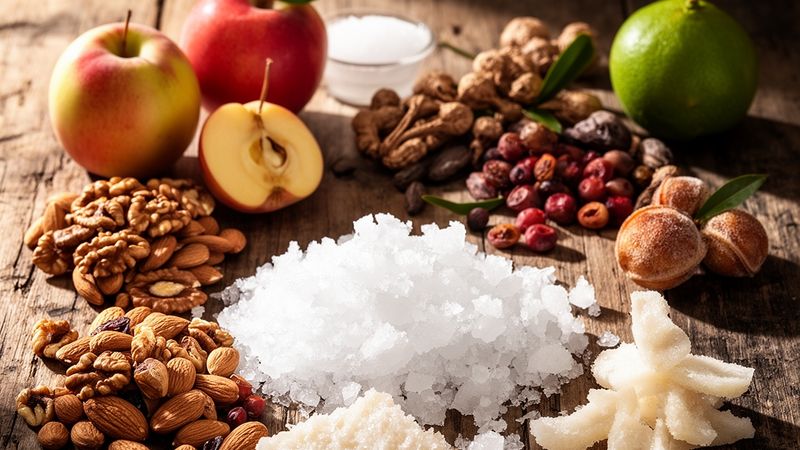
Have you ever wondered how your favorite dairy-free milk achieves that creamy texture? Or how some vegan desserts manage to hold their shape so perfectly? The answer often lies in a fascinating ingredient called carrageenan While it sounds complex, carrageenan has been used for centuries, and it's more common in our diets than many realize. But what exactly is it, and is it something to embrace or avoid? Let's dive deep into the world of carrageenan, exploring its origins, uses, potential benefits, and any concerns surrounding its consumption
What Are Carrageenan
Carrageenan isn’t a single substance but a family of linear sulfated polysaccharides extracted from red edible seaweeds. These seaweeds, belonging to the Rhodophyta family, are primarily found in the Atlantic Ocean off the coasts of Ireland, Scotland, North America, and parts of Asia. Historically, carrageenan was used as a food thickener and stabilizer in Ireland for centuries, long before modern food processing. It was traditionally extracted by boiling Irish moss (Chondrus crispus) and straining the resulting liquid
Today, carrageenan is produced commercially through similar methods, though on a much larger scale. There are three main types: kappa, iota, and lambda carrageenan, each possessing different gelling properties. Kappa carrageenan forms strong, firm gels. Iota carrageenan creates softer, more elastic gels. Lambda carrageenan doesn’t gel on its own but increases the viscosity of liquids. These varying properties make carrageenan incredibly versatile in food applications
Detailed Nutritional Comparison
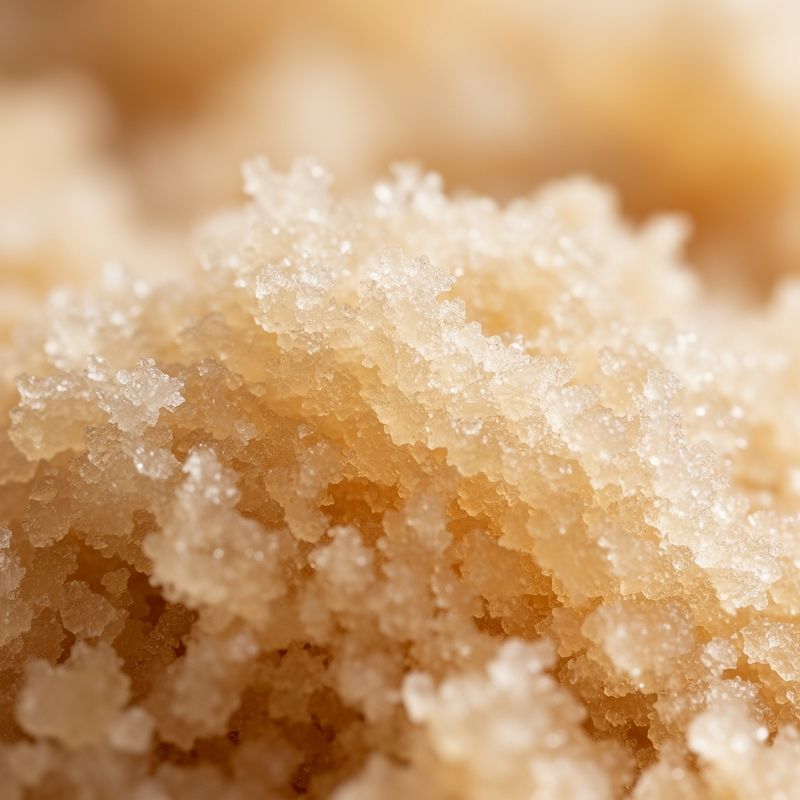
Carrageenan itself offers minimal nutritional value. It's primarily a functional ingredient used for texture rather than contributing significant vitamins or minerals. However, because it's derived from seaweed, trace amounts of iodine and other minerals may be present. It’s important to note that carrageenan is virtually calorie-free and carbohydrate-free in the amounts typically used in food products
Here's a comparison of carrageenan with other common thickening agents per 100g (3.5oz)
| Ingredient | Calories | Carbohydrates | Fiber | Protein | Fat | Iodine (approx.) |
|---|---|---|---|---|---|---|
| Carrageenan | 0 | 0g | 0g | 0g | 0g | Trace |
| Cornstarch | 368 | 86g | 0.7g | 1.2g | 0.3g | Negligible |
| Gelatin | 35 | 0g | 0g | 8.4g | 0g | Negligible |
| Guar Gum | 389 | 88g | 79g | 2.9g | 0.4g | Negligible |
| Xanthan Gum | 214 | 54g | 65g | 1.8g | 0.1g | Negligible |
Note: Values are approximate and can vary based on source and processing As you can see from this table, carrageenan stands out as being almost entirely devoid of macronutrients
Ingredients and Quality Analysis
The quality of carrageenan depends heavily on the source of the seaweed and the extraction process. Reputable manufacturers prioritize sustainable harvesting practices to protect marine ecosystems. The seaweed used should be free from contaminants like heavy metals and pesticides. The extraction process itself should be carefully controlled to ensure purity and consistency
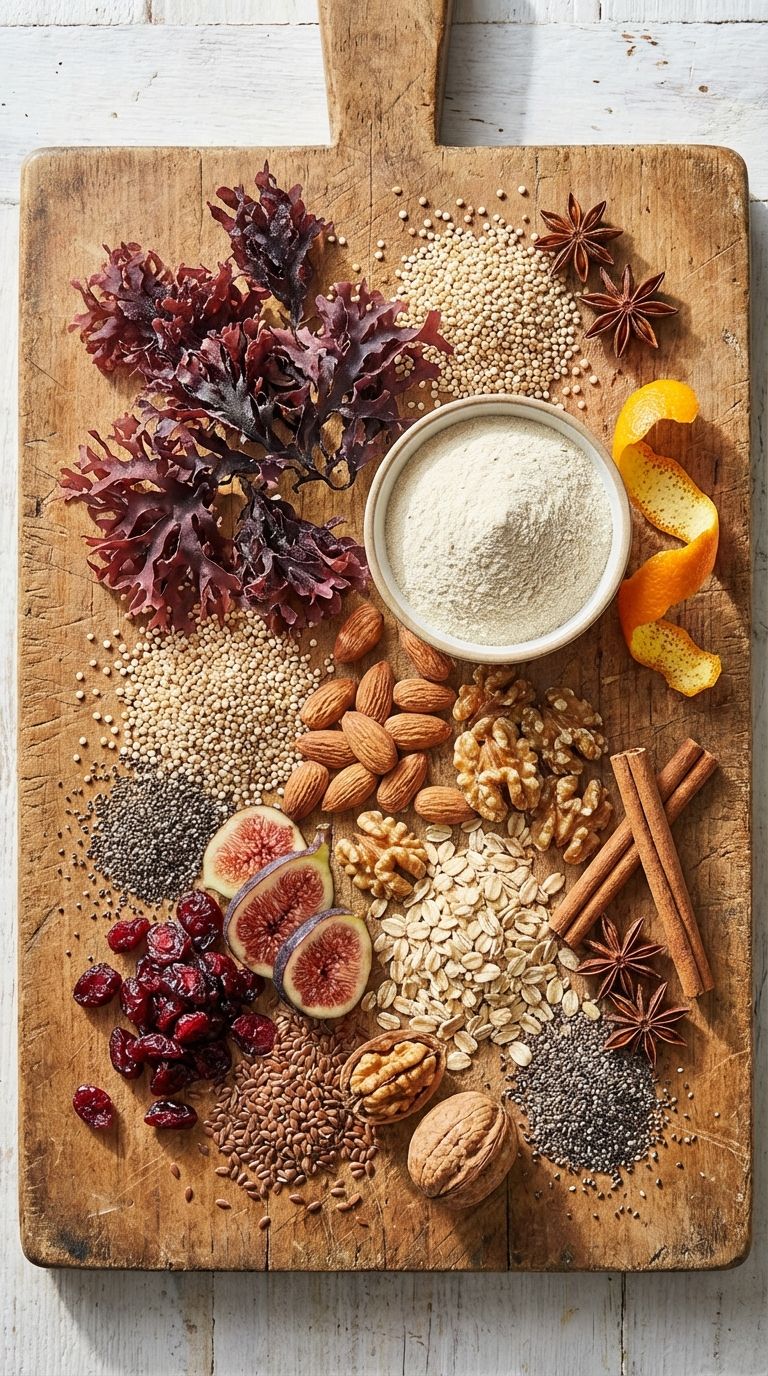
A key concern raised by some consumers revolves around the potential presence of degraded carrageenan. Degraded carrageenan contains poligeenan which has shown inflammatory effects in some studies (though these were largely conducted in vitro or on animals). However, degraded carrageenan is not approved for use as a food additive in the United States or Europe. The Food and Drug Administration (FDA) closely regulates carrageenan use and sets strict standards for its purity
You can assess product quality by looking for certifications from organizations like the USDA Organic or non-GMO Project Verified if those align with your values. Reading ingredient lists carefully is also crucial – look for simply “carrageenan” without any additional modifiers indicating potential processing concerns. Understanding Food Additives Guide E, INS: What They Are and Risks | FoodReveal App can help you navigate complex ingredient lists
Benefits and Potential Downsides
The primary benefit of carrageenan lies in its functional properties as a food additive. It improves texture, prevents separation, and enhances stability in various products – from plant-based milks to yogurt and even processed meats. This makes it a valuable ingredient for those seeking to create appealing and consistent food products
The biggest controversy surrounding carrageenan stems from concerns about its potential to cause inflammation in the gut. Some studies have suggested that it may trigger an immune response in susceptible individuals leading to digestive issues like bloating, gas, and diarrhea. However, many of these studies have been criticized for their methodology or for using degraded forms of carrageenan not approved for food use
The FDA continues to maintain that carrageenan is safe for consumption at current levels of use based on available scientific evidence. Individuals with pre-existing inflammatory bowel diseases (IBD) may want to exercise caution and monitor their symptoms if consuming products containing carrageenan; however more research is needed to establish definitive links between the two
A growing number of companies are responding to consumer demand by offering carrageenan-free alternatives – particularly in the plant-based milk sector – but this often involves using other stabilizers like gellan gum or locust bean gum which have their own pros and cons
Which Should You Choose: A Practical Guide
Deciding whether or not to consume products containing carrageenan is ultimately a personal choice based on individual tolerance and dietary preferences. If you don't experience any adverse effects after consuming it, there's likely no need to avoid it entirely
However if you have a sensitive digestive system or are prone to inflammation it may be wise to limit your intake or opt for carrageenan-free alternatives whenever possible. When choosing between products always read labels carefully comparing ingredients lists nutrition facts panels and certifications if applicable
The rise in popularity of plant-based milks has spurred innovation in thickening agents allowing consumers more choice than ever before – oat milk for example often achieves its creamy texture without relying on carrageenan at all! For more details about making informed choices regarding your nutrition read our article on Erythritol vs Stevia: nutritional values Ultimately prioritizing whole unprocessed foods whenever possible is always a good strategy
Recipes and Pairing Suggestions
The most common way consumers encounter carrageenan is in pre-made foods rather than using it directly in home cooking! However if you’re feeling adventurous you can experiment with using it to create vegan desserts like panna cotta or chocolate mousse – recipes readily available online will provide specific instructions on ratios and techniques
A simple recipe idea is a vegan chocolate pudding
Vegan Chocolate Pudding
Ingredients
- 2 cups (480ml) plant-based milk (almond coconut or soy)
- ¼ cup (30g) cocoa powder
- ¼ cup (50g) sugar (or maple syrup)
- 1 tsp vanilla extract
- 1 tsp carrageenan\ Instructions
- Combine all ingredients in a saucepan
- Whisk constantly over medium heat until thickened (about 5-7 minutes)
- Pour into serving dishes and chill for at least 2 hours before serving
You can pair this pudding with fresh berries or a sprinkle of chopped nuts
You might also enjoy experimenting with Homemade vs Store-bought Popcorn: Spring Sustainability as an alternative snack!
Final Verdict
Currageenan remains a widely used food additive offering valuable textural properties across various products – especially within the growing plant based sector.. While concerns about inflammation persist ongoing research continues to evaluate its safety profile.. For most individuals moderate consumption doesn’t pose significant risks however those with sensitive digestive systems should exercise caution.. Ultimately understanding ingredients reading labels carefully making informed choices aligned with your individual needs remains key
🔍 Want to know exactly what's in a product before you buy it? With you scan the label in seconds and get a full breakdown of ingredients, additives and nutritional values — in plain language, no expertise required
🔍 FoodReveal helps you decode nutrition labels beyond marketing. Available for Android and iOS.
Leave a review