

Erythritol and stevia are two popular sugar substitutes used in many food products and recipes. Both have gained attention for their potential health benefits and low calorie counts. However, there are significant differences between the two, including their nutritional values, benefits, and potential downsides. In this article, we will delve into the world of erythritol and stevia, comparing their nutritional values, ingredients, and quality analysis
What Is Erythritol and What Is Stevia
Erythritol is a sugar alcohol found naturally in many foods, such as fruits and vegetables, and is also produced from the simple sugars in corn. It contains almost no calories and does not raise blood sugar levels, making it a popular choice for people with diabetes or those who are trying to manage their weight. On the other hand, stevia is a natural sweetener derived from the leaves of Stevia rebaudiana, a plant native to South America. Stevia is approximately 200-300 times sweeter than sugar and has been used for centuries in traditional medicine
Detailed Nutritional Comparison
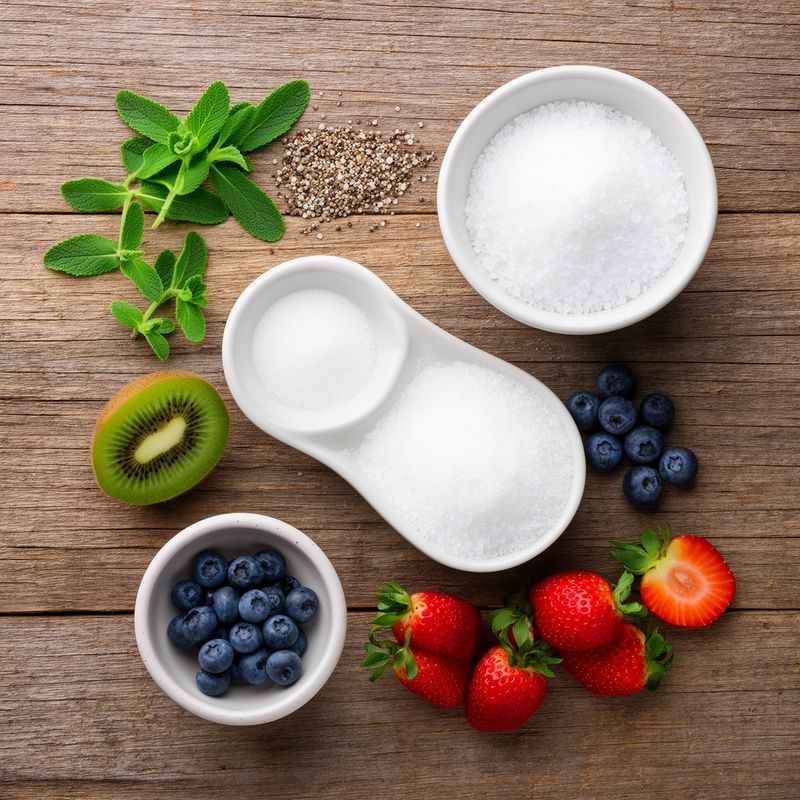
When comparing the nutritional values of erythritol and stevia, it becomes clear that both are significantly lower in calories than sugar. Erythritol contains approximately 0.2 calories per gram, while stevia is virtually calorie-free. The following table highlights the nutritional comparison between erythritol and stevia
| Feature | Erythritol | Stevia |
|---|---|---|
| Calories (per 3.5 oz / 100g) | 0.2 kcal | 0 kcal |
| Protein | 0g | 0g |
| Fat | 0g | 0g |
| Fiber | 0g | 0g |
| Glycemic Index | 0 | 0 |
As shown in the table, both erythritol and stevia have negligible calorie counts and do not contain any significant amounts of protein, fat, or fiber
Ingredients and Quality Analysis
The ingredients and quality of erythritol and stevia can vary depending on the manufacturer and production process. Erythritol is often produced from corn starch and may contain small amounts of other sugar alcohols, such as xylitol or maltitol. Stevia, on the other hand, is derived from the leaves of the Stevia rebaudiana plant and may be blended with other sweeteners or ingredients to enhance its flavor and texture. When choosing between erythritol and stevia, it is essential to consider the quality of the ingredients and the potential presence of additives or fillers
Which One Should You Choose: Practical Guide
When deciding between erythritol and stevia, it is crucial to consider your individual needs and preferences. If you are looking for a sugar substitute that is easy to digest and does not raise blood sugar levels, erythritol may be the better choice. However, if you prefer a natural sweetener with a more intense sweetness, stevia may be the better option. As explained in Soluble Fiber: Boost Gut Health & Blood Sugar a balanced diet that includes a variety of whole foods can help support overall health and well-being
Recipes and Pairing Suggestions
Erythritol and stevia can be used in a variety of recipes, from baked goods to beverages. When using erythritol, it is essential to note that it can have a cooling sensation on the tongue, which may affect the overall flavor of the dish. Stevia, on the other hand, can have a licorice-like flavor, which may not be suitable for all recipes. Some popular pairing suggestions for erythritol and stevia include
- Baked goods: Erythritol can be used as a 1:1 substitute for sugar in many baked goods, such as cakes, cookies, and muffins
- Beverages: Stevia can be used to sweeten beverages, such as coffee, tea, and lemonade, without adding any calories
- Desserts: Both erythritol and stevia can be used to make delicious desserts, such as cheesecakes, puddings, and ice cream
Final Verdict
In conclusion, erythritol and stevia are two popular sugar substitutes with distinct nutritional values, benefits, and potential downsides. While both are low in calories and do not raise blood sugar levels, erythritol may be easier to digest, and stevia may have a more intense sweetness. When choosing between erythritol and stevia, it is essential to consider your individual needs and preferences, as well as the quality of the ingredients and potential presence of additives or fillers. For more information on sugar substitutes and healthy eating, see also Artisan vs Industrial Ice Cream and Diet Comparison: Keto, Vegan, Mediterranean & More – Which is Best for You? (2025)
🔍 FoodReveal helps you decode nutrition labels beyond marketing. Available for Android and iOS.
Sources and Further Reading
1 Stevia vs. Erythritol: Nutrients, Benefits, Downsides - Healthline
2 Erythritol vs. Stevia: Which One Is Best? - Health
3 Natural Sweetener Stevia Makes a Gutsy Comeback
4 Erythritol, an ingredient in stevia, linked to heart attack and stroke
5 Erythritol: An In-Depth Discussion of Its Potential to Be a Beneficial
Leave a review