
For many, the pantry isn’t complete without a few cans of legumes – beans, lentils, chickpeas. Convenient, affordable, and boasting an impressive nutritional profile, they're a staple for quick weeknight meals and a cornerstone of plant-based diets. But in a world increasingly focused on food sourcing and quality, are canned legumes truly a sustainable and healthy option? Beyond the convenience, there’s a surprisingly complex story to unpack, from processing methods to sodium content and the impact on your gut health. Let's dive deep into the world of canned legumes and reveal everything you need to know
What Are Canned Legumes
Canned legumes are simply dried legumes – like kidney beans, black beans, chickpeas, lentils, and others – that have been cooked, then sealed in airtight cans for preservation. This process typically involves soaking the dried beans, then cooking them until tender. The cooked legumes are then packed into cans with water or brine (often containing salt), and the cans are heat-processed to kill any harmful bacteria and create a vacuum seal. This method allows for long-term storage without refrigeration. The convenience is undeniable: no pre-soaking or lengthy cooking times required. However, this convenience comes with some considerations. The canning process can affect the texture of the legumes, making them softer than their dried counterparts. Additionally, many commercially canned legumes contain added salt and sometimes even sugar. Choosing brands that offer low-sodium or no-salt-added options is crucial for maintaining a healthy diet. While the core product remains nutrient-rich, understanding the nuances of canning is essential for making informed choices
Detailed Nutritional Comparison
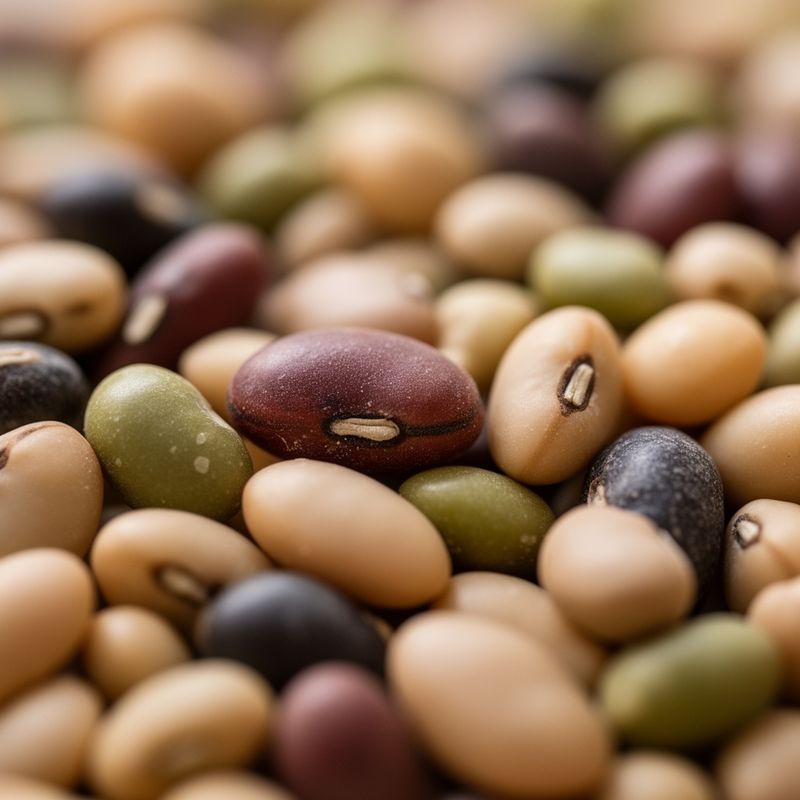
Legumes are nutritional powerhouses, regardless of whether they're fresh, dried or canned. They're excellent sources of plant-based protein, fiber, complex carbohydrates, iron, folate, and potassium. However, the canning process can lead to some minor nutrient losses – particularly water-soluble vitamins like Vitamin C and some B vitamins – due to the heat involved. Despite this, canned legumes retain a significant amount of their nutritional value. Here’s a comparative look at the nutritional content per 1 cup (approximately 172g) serving of various canned legumes (data sourced from provided sources)
| Legume Type | Calories | Protein (g) | Fiber (g) | Carbohydrates (g) | Fat (g) | Iron (mg) | Potassium (mg) | Sodium (mg) |
|---|---|---|---|---|---|---|---|---|
| Chickpeas | 269 | 14.5 | 12.5 | 45 | 4.2 | 2.4 | 474 | 490 |
| Kidney Beans | 225 | 15.3 | 11.3 | 40 | 1 | 3.2 | 713 | 505 |
| Black Beans | 227 | 15.2 | 15 | 41 | 1 | 3.6 | 611 | 480 |
| Lentils (Brown) | 230 | 17.9 | 15.6 | 40 | 0.8 | 6.6 | 731 | 380 |
| Great Northern Beans | 209 | 13 | 9 | 39 | 0.5 | 3.6 | 577 | 400 |
Note: Nutritional values can vary slightly between brands and whether the legumes are rinsed before consumption Rinsing canned legumes can reduce sodium content by up to 40%
Ingredients and Quality Analysis
Beyond the legumes themselves, it’s vital to scrutinize the ingredient list on the can. Ideally, you want to see only legumes and water (or brine). Unfortunately, many brands add salt – often in significant quantities – as a preservative and flavor enhancer. Some may also include calcium chloride to help maintain firmness or sugar for palatability. Looking at brands available in major US supermarkets like Whole Foods 365 or Trader Joe’s reveals varying degrees of ingredient simplicity. Trader Joe’s generally offers options with lower sodium content and fewer additives compared to some mainstream brands
When evaluating quality, consider the type of can lining as well; BPA (bisphenol A) was commonly used but concerns about its health effects have led many manufacturers to switch to alternative linings. However, it's not always easy to determine what type of lining is used; contacting the manufacturer directly is sometimes necessary if this is a concern for you
As we covered in our guide to How to Read Food Labels: The Ultimate Guide to Healthier Choices understanding ingredient lists is paramount to making informed decisions about your food choices
Benefits and Potential Downsides
Canned legumes offer numerous health benefits stemming from their rich nutrient profile. Their high fiber content promotes digestive health, helps regulate blood sugar levels, and contributes to feelings of fullness—aiding in weight management. The protein content supports muscle building and repair while providing sustained energy levels throughout the day
The potential downsides are primarily related to sodium content and potential digestive issues for some individuals. The added salt in many canned varieties can contribute to high blood pressure if consumed in excess—a concern particularly for those already sensitive to sodium intake
Furthermore, legumes contain compounds called phytates which can inhibit the absorption of certain minerals like iron and zinc. However, soaking or sprouting legumes before cooking can significantly reduce phytate levels—a practice less common in commercial canning but easily done with dried beans
The impact on gut health is complex; while the fiber in legumes feeds beneficial gut bacteria as discussed in Gut microbiome & mood: probiotics that boost mental health some individuals may experience bloating or gas due to their high FODMAP content
Which Should You Choose: A Practical Guide
Navigating the canned legume aisle can be overwhelming! Here's a practical guide for making the best choice for your health
- Prioritize Low Sodium Opt for “no salt added” or “low sodium” varieties whenever possible—and always rinse thoroughly before use
- Check Ingredient Lists Avoid cans containing added sugar or calcium chloride if you prefer a more natural product
- Consider Organic Organic options minimize exposure to pesticides used during cultivation
- Inspect the Can Look for cans that are not dented or bulging—signs of potential spoilage
- Brand Research Explore brands known for quality ingredients and sustainable practices like Trader Joe’s or Whole Foods 365
- Don't Fear Home Canning If you have time consider home canning using fresh ingredients for ultimate control over ingredients!
For more details on minimizing processed food intake check out our article on How to Read Food Labels: The Ultimate Guide to Avoiding Ultra-Processed Foods Remember that even with careful selection rinsing your canned beans is always recommended
Recipes and Pairing Suggestions
A simple way to incorporate canned legumes into your diet is with a quick Mediterranean chickpea salad: combine drained and rinsed chickpeas with chopped cucumber, tomatoes, red onion, feta cheese (optional), olive oil, lemon juice, and herbs like parsley or dill
A heartier option is a black bean soup: sauté diced onion and garlic in olive oil then add drained and rinsed black beans along with vegetable broth spices like cumin chili powder smoked paprika simmer until heated through then blend until smooth garnish with avocado cilantro lime juice
These versatile ingredients pair well with grains like quinoa or brown rice roasted vegetables grilled meats or fish adding both flavor texture nutritional value
Final Verdict
Canned legumes are undeniably a convenient and affordable source of plant based nutrition offering significant health benefits when incorporated into a balanced diet While concerns about sodium content additives potential digestive issues exist these can be mitigated by careful label reading rinsing thoroughly choosing low sodium options opting for organic varieties Ultimately canned legumes represent a sustainable practical option for busy individuals seeking wholesome nutritious meals
🔍 Want to know exactly what's in a product before you buy it? With you scan the label in seconds and get a full breakdown of ingredients, additives and nutritional values — in plain language, no expertise required
🔍 FoodReveal helps you decode nutrition labels beyond marketing. Available for Android and iOS.
Leave a review