
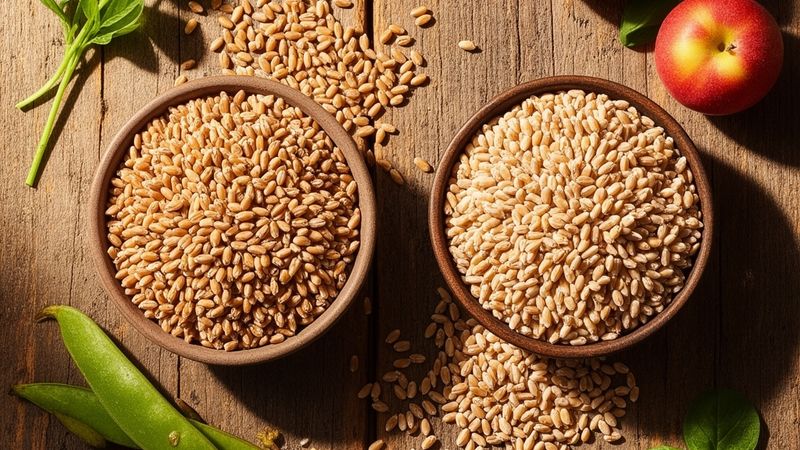
Spelt, an ancient grain enjoying a modern resurgence, is increasingly appearing on supermarket shelves and restaurant menus. But not all spelt is created equal. You’ll often find two main types: whole spelt and refined (or pearled) spelt. While both offer a nutty flavor and chewy texture, significant differences exist in their nutritional profiles, cooking times, and overall health benefits. Understanding these distinctions is crucial for making informed choices that align with your dietary needs and preferences. Many consumers assume all spelt is equally healthy, but the processing methods dramatically alter the final product. This article delves into the specifics of whole versus refined spelt, providing a comprehensive guide to help you navigate this increasingly popular grain
What Are Whole Spelt and Refined Spelt
Spelt is a type of wheat – specifically, a hulled wheat – that has been cultivated in the Middle East and Europe for thousands of years. Its history stretches back to ancient civilizations, where it was a staple food. Whole spelt retains all three parts of the grain kernel: the bran, germ, and endosperm. This intact structure is what gives it its robust nutritional profile and chewy texture. It requires a longer cooking time – typically 30-40 minutes – due to the presence of the bran layer
Refined, or pearled, spelt, on the other hand, has had the bran and germ removed. This process makes it quicker to cook (around 20-25 minutes) and gives it a softer texture. However, removing these outer layers also strips away much of the grain’s fiber, vitamins, and minerals. Think of it similarly to the difference between brown rice and white rice; one retains its nutritional integrity while the other is largely processed. While pearled spelt is more convenient for weeknight meals, it’s important to recognize that you’re sacrificing nutritional value for speed
Detailed Nutritional Comparison
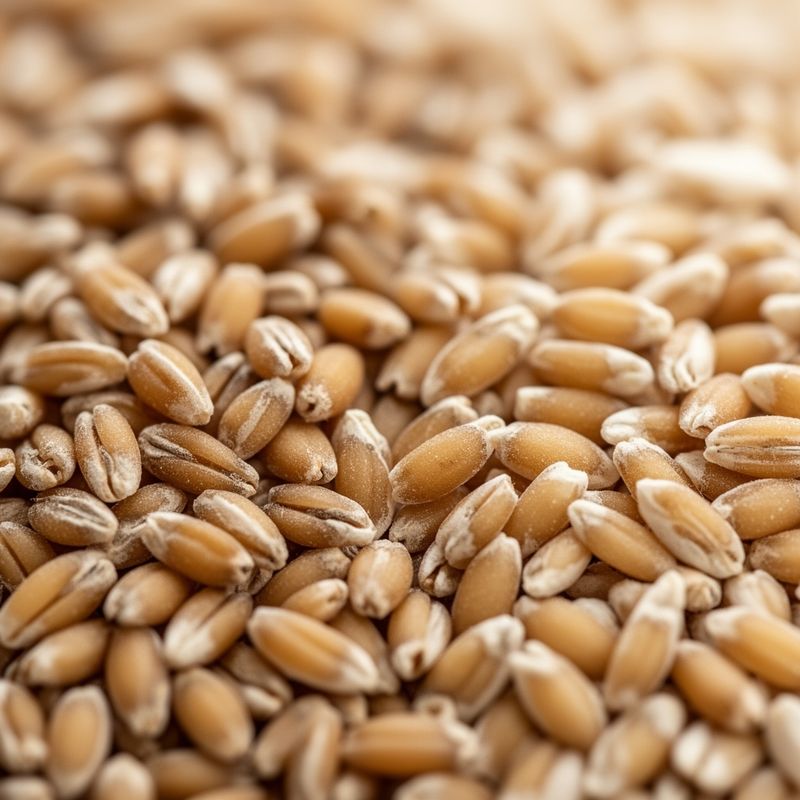
The nutritional differences between whole and refined spelt are substantial. While both provide carbohydrates and some protein, whole spelt offers a significantly richer array of nutrients. Here's a breakdown per 3.5 oz (100g) serving (data sourced from provided sources)
| Nutrient | Whole Farro | Refined Farro |
|---|---|---|
| Calories | 354 | 332 |
| Protein | 17.8g | 15g |
| Fiber | 9.6g | 4g |
| Fat | 2.6g | 2g |
| Carbohydrates | 70.8g | 68g |
| Iron | 7mg | 4mg |
| Magnesium | 168mg | 110mg |
| Vitamin B3 (Niacin) | 6mg | 3mg |
| Glycemic Index (GI) | Low | Medium |
The higher fiber content in whole spelt contributes to better digestive health and helps regulate blood sugar levels – something we explore further in our article on Soluble Fiber: Boost Gut Health & Blood Sugar The increased iron and magnesium levels are also beneficial for energy production and overall well-being
Ingredients and Quality Analysis
The ingredient list for both whole and refined spelt should be remarkably simple: just spelt. However, quality can vary depending on the source and farming practices. Look for brands that source their spelt from organic farms to minimize exposure to pesticides and herbicides. Some brands may also offer sprouted spelt, which boasts even greater nutritional benefits due to increased bioavailability of nutrients
A key consideration is whether the spelt is certified gluten-free. While spelt is technically a wheat variety, some brands process it in dedicated gluten-free facilities to minimize cross-contamination for individuals with celiac disease or gluten sensitivity. Always check the packaging for certification if this is a concern. The milling process itself also impacts quality; stone-ground spelt generally retains more nutrients than those milled using more conventional methods
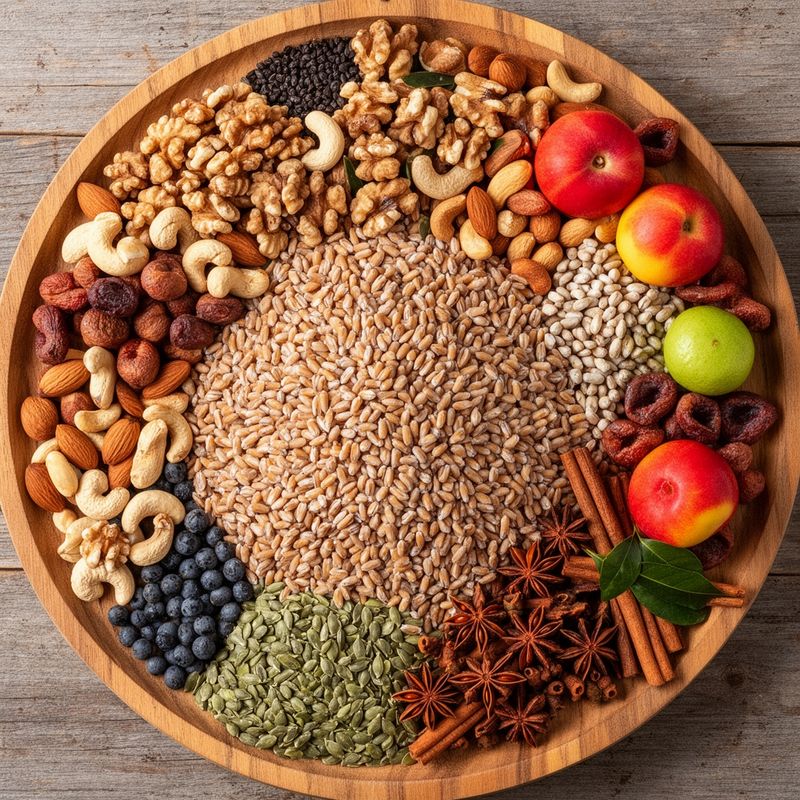
The growing trend toward ancient grains reflects a broader consumer interest in whole foods and traditional diets. As we discussed in our article about Whole Grain? What Kellogg’s All‑Bran 100% Whole Says understanding what constitutes a “whole grain” is vital when making healthy choices
Benefits and Potential Downsides
Whole spelt offers a wealth of health benefits thanks to its impressive nutrient profile. The high fiber content promotes digestive regularity, supports gut health by feeding beneficial bacteria, and helps maintain healthy cholesterol levels. Its complex carbohydrates provide sustained energy release, preventing blood sugar spikes and crashes. Furthermore, spelt is a good source of plant protein, essential for muscle building and repair
However, like any food, there are potential downsides to consider. Spelt contains gluten, making it unsuitable for individuals with celiac disease or gluten intolerance. Even those without diagnosed sensitivities may experience digestive discomfort if they consume large quantities of spelt regularly—especially if they aren’t accustomed to high-fiber diets
The glycemic index (GI) of refined spelt is higher than that of whole spelt meaning it can cause faster spikes in blood sugar levels. While not inherently detrimental for everyone, individuals managing diabetes or insulin resistance should prioritize whole spelt over its refined counterpart – as explored in detail when looking at Barilla: fiber, protein & GI of whole, semi & white pasta
Which Should You Choose: A Practical Guide
The choice between whole and refined spelt ultimately depends on your individual needs and priorities. If you prioritize nutritional value and digestive health, whole spelt is undoubtedly the superior option despite its longer cooking time
For those seeking convenience or preferring a softer texture, refined spelt can still be incorporated into a healthy diet—but it should be viewed as more of an occasional treat rather than a daily staple
A good approach is to use whole spelt as the base for hearty salads, soups, or pilafs where its chewy texture shines through. Refined spelt can be used in dishes where a smoother consistency is desired—such as creamy risottos or quick side dishes
Consider your lifestyle when making your decision; if time is consistently limited then pearled may be better suited but be aware of the reduced nutritional content
Recipes and Pairing Suggestions
- Whole Spelt Salad with Roasted Vegetables Toss cooked whole spelt with roasted butternut squash, Brussels sprouts, cranberries, pecans, and a lemon vinaigrette
- Refined Spelt Risotto Use pearled spelt as a substitute for Arborio rice in a classic risotto recipe—add mushrooms, Parmesan cheese, and herbs for flavor
Spelt pairs well with a variety of flavors including roasted chicken or fish with lemon herb seasoning; earthy vegetables like root vegetables; strong cheeses such as feta or Parmesan; nuts like walnuts or almonds; dried fruits like apricots or cranberries; citrus fruits like oranges or lemons; fresh herbs like parsley or thyme
Final Verdict
While refined spelt offers convenience through quicker cooking times it simply cannot match the nutritional powerhouse that is whole spelt – retaining vital fiber content along with essential vitamins & minerals lost during processing . Choosing whole grains whenever possible contributes significantly toward overall wellness & longevity . Prioritizing whole over refined demonstrates an understanding about food quality & long term health benefits
🔍 Want to know exactly what's in a product before you buy it? With you scan the label in seconds and get a full breakdown of ingredients, additives and nutritional values — in plain language, no expertise required
Sources and Further Reading
- Perspective: Whole and Refined Grains and Health—Evidence
- Compare Nutrients in Various Grains - The Whole Grains Council
- Health Benefits of Whole Grains versus Refined Grains - Baptist Health
- Whole Grains - The Nutrition Source
- Whole grains: Hearty options for a healthy diet - Mayo Clinic
🔍 FoodReveal helps you decode nutrition labels beyond marketing. Available for Android and iOS.
Leave a review