
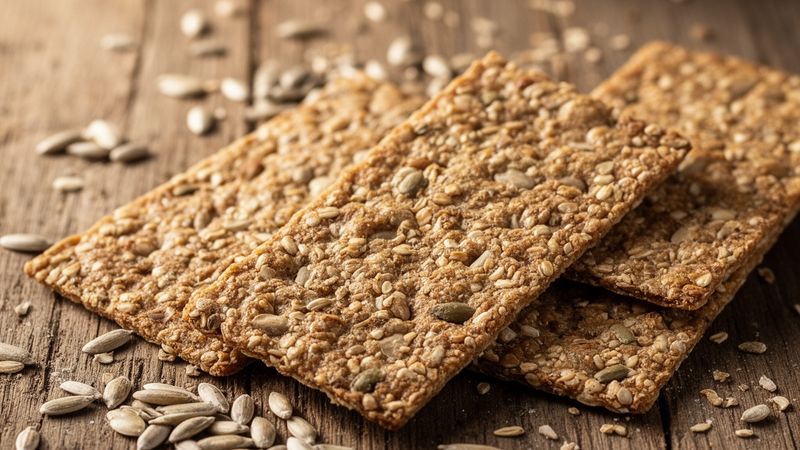
Whole grain crackers have become a staple in health-conscious households, but with so many options lining supermarket shelves, how do you choose the best? Crackers are a convenient snack, but their nutritional value varies dramatically. According to the USDA, making half your grains whole grains can significantly boost your intake of dietary fiber, B vitamins, and minerals like iron and magnesium. However, not all whole grain crackers are created equal. This guide will help you navigate the aisles, decode labels, and select crackers that align with your health goals
What Are Whole Grain Crackers and Why Do They Matter?
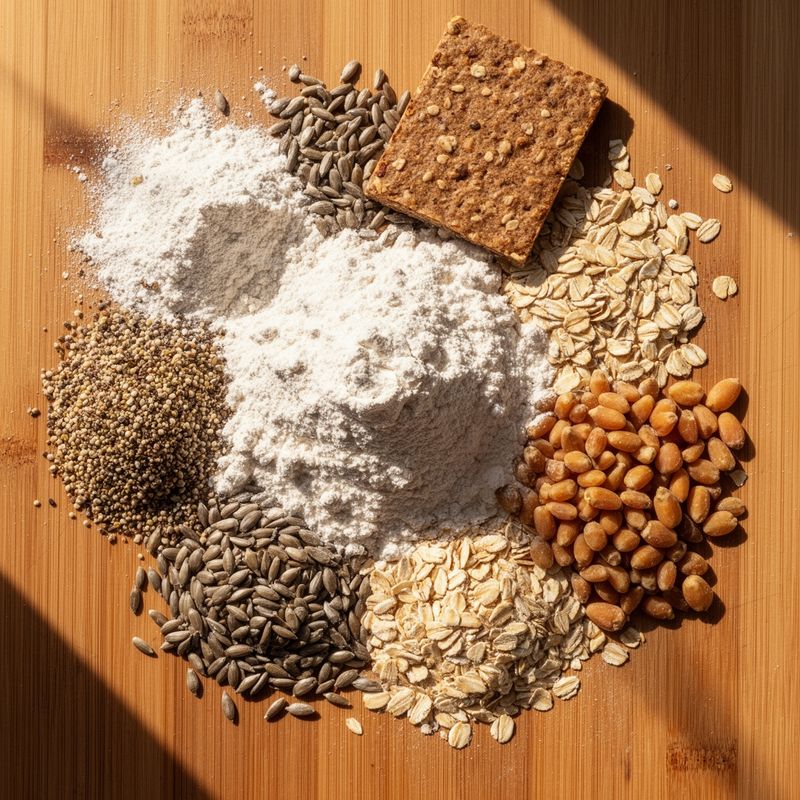
Whole grain crackers are made from grains that retain all three parts of the kernel: the bran, germ, and endosperm. This contrasts with refined grains, which remove the bran and germ, stripping away fiber and nutrients. The bran provides fiber, while the germ contains healthy fats and vitamins. For example, whole wheat crackers contain more fiber and protein than their refined counterparts, aiding digestion and sustaining energy levels
The history of whole grain crackers dates back centuries, with early versions made from crushed grains and water. Modern production methods have evolved, but the principle remains: prioritize nutrient density. Brands like Wasa and Mary’s Gone Crackers have popularized whole grain crackers by using ingredients like quinoa, brown rice, and millet. These crackers cater to diverse dietary needs, including gluten-free and vegan options
Detailed Nutritional Comparison of Top Whole Grain Crackers
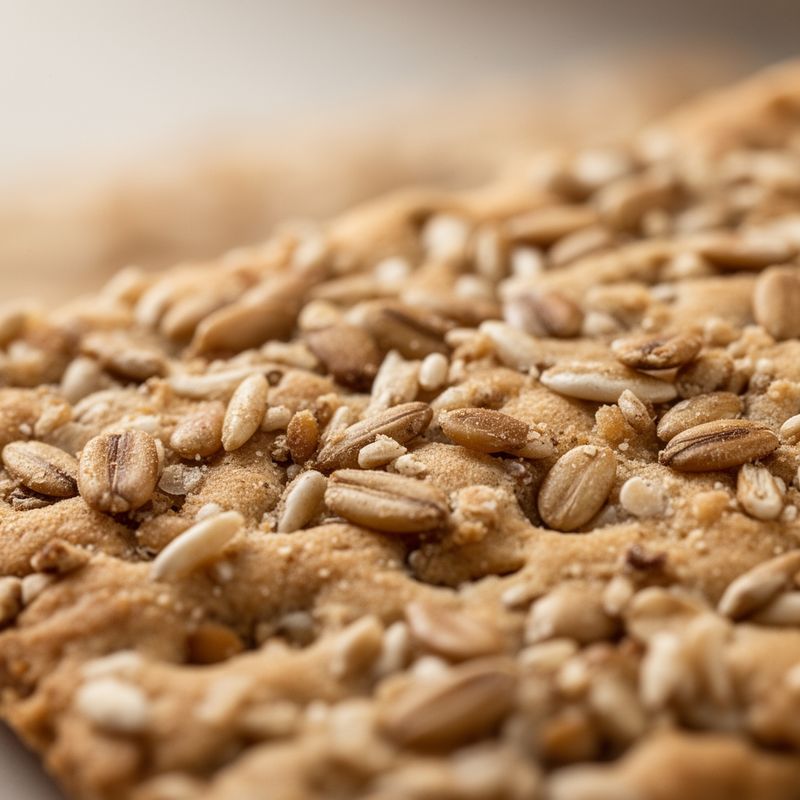
To identify the best choices, we analyzed top-selling brands based on fiber, protein, sodium, and ingredient quality. Below is a comparison of five leading whole grain crackers
| Brand | Calories (per 10g) | Fiber (g) | Protein (g) | Sodium (mg) | Key Ingredients |
|---|---|---|---|---|---|
| Mary’s Gone Crackers | 70 | 3g | 4g | 85 | Organic brown rice, quinoa, sesame |
| Wasa Whole Grain | 65 | 2g | 2g | 110 | Whole wheat flour, rye, oats |
| Kashi GoLean | 80 | 5g | 5g | 150 | Whole grain wheat, soy flour, flax |
| Trader Joe’s Whole Wheat | 60 | 1g | 2g | 90 | Whole wheat flour, water, salt |
| Rudi’s Whole Grain | 75 | 2g | 3g | 120 | Whole wheat flour, oats, barley |
Mary’s Gone Crackers stands out with its high fiber and protein content, making it ideal for sustained energy. However, Kashi GoLean has the highest fiber, which is beneficial for gut health. Sodium content varies, with Wasa and Kashi GoLean being higher, which may concern those monitoring salt intake
Ingredients and Quality Analysis
When evaluating whole grain crackers, the ingredient list is crucial. Look for products with minimal ingredients and no refined flour. For instance, Mary’s Gone Crackers uses organic grains and seeds without additives, whereas some brands include preservatives or added sugars. Stefani Sassos, M.S., R.D.N., advises, “Choose crackers with whole grains as the first ingredient and avoid those with refined flour or long lists of unrecognizable chemicals.”
Another consideration is the presence of ancient grains like quinoa or millet, which offer diverse nutrients. For example, quinoa is a complete protein, containing all nine essential amino acids. Gluten-free options, such as rice-based crackers, are essential for those with celiac disease but may lack fiber unless fortified
Benefits and Potential Downsides of Whole Grain Crackers
The primary benefit of whole grain crackers is their nutrient density. A study in the Journal of Nutrition found that regular consumption of whole grains reduces the risk of heart disease by 20%. Fiber in these crackers also promotes satiety, aiding weight management. However, some brands add excessive sodium or sugars to enhance flavor. For example, flavored varieties like herb or cheese crackers may contain up to 200mg more sodium per serving
Another downside is the potential for cross-contamination in gluten-free products. While many brands test for gluten, consumers with severe sensitivities should verify certifications. Additionally, portion control is key; even healthy crackers can contribute to calorie overload if eaten in excess
Which Should You Choose: A Practical Guide
Your choice of whole grain cracker depends on your dietary needs
- Athletes Opt for high-protein options like Kashi GoLean to support muscle repair
- Gluten-Free Choose certified gluten-free brands like Mary’s Gone Crackers
- Low-Sodium Select Trader Joe’s Whole Wheat or Wasa, and pair with fresh veggies instead of salty dips
- Children Look for low-sodium, mild-flavored crackers to encourage healthy snacking
For more on reading labels, check out our article Decoding Food Labels: A Complete Guide to Healthier Choices
Recipes and Pairing Suggestions
Whole grain crackers are versatile bases for meals and snacks. Try these ideas
Caprese Crackers
- Ingredients: Whole grain crackers, fresh mozzarella, cherry tomatoes, basil, balsamic glaze
- Instructions: Top crackers with mozzarella, halved tomatoes, and basil. Drizzle with balsamic glaze
Hummus and Veggie Platter
- Ingredients: Crackers, homemade hummus, cucumber slices, bell peppers, carrots
- Instructions: Serve crackers alongside veggies and hummus for a fiber-rich snack
Breakfast Parfait
- Ingredients: Whole grain crackers, Greek yogurt, mixed berries, granola
- Instructions: Layer yogurt, berries, and granola in a jar, with crackers on the side
For more pairing ideas, explore our article on Energy-Boosting Foods
Final Verdict
The best whole grain cracker depends on your priorities. For nutrient density and clean ingredients, Mary’s Gone Crackers is a top pick. Those seeking high fiber may prefer Kashi GoLean. Always check labels for sodium and additives, and pair crackers with protein and healthy fats for balanced meals. By choosing whole grains, you’re investing in long-term health benefits, from heart health to sustained energy
Sources and Further Reading
- Best Healthy Crackers in 2025, According to Testing and Experts
- Are Crackers Healthy? A Complete Nutrition Guide Backed by Science
- What Happens to Your Body When You Eat Crackers Regularly
- [PDF] Crackers, Unsalted - USDA Food and Nutrition Service
- [PDF] Choosing Healthy Snacks - USDA Food and Nutrition Service
🔍 FoodReveal helps you decode nutrition labels beyond marketing. Available for Android and iOS.
Leave a review