
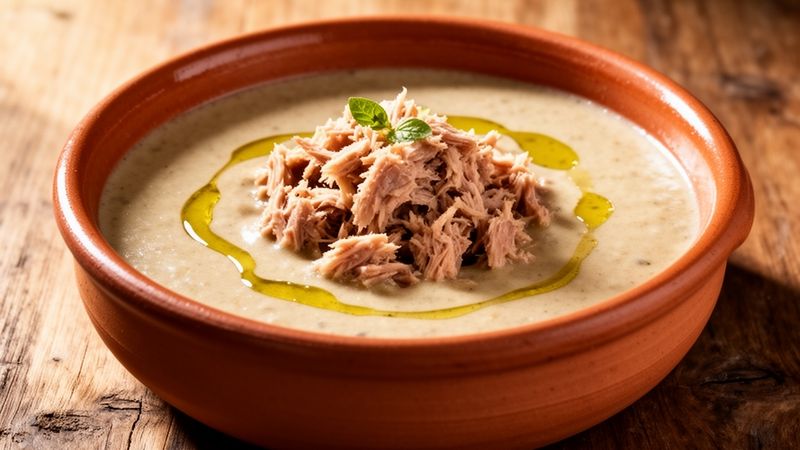
Tuna soup with olive oil and veggies isn’t just a comforting meal—it’s a nutritional powerhouse waiting to be unleashed. Imagine a bowl of warmth that delivers lean protein, healthy fats, and vibrant vegetables, all while aligning with the Mediterranean diet’s principles. But how do we navigate the choices involved in creating this dish? From selecting the right tuna (light vs. albacore) to understanding how cooking methods affect nutrient retention, the decisions can be overwhelming. This article dives deep into the science, nutrition, and practicality of crafting the perfect tuna soup with olive oil and veggies, ensuring you make informed choices for your health and taste buds
What Is Tuna and Why Olive Oil & Veggies?
Tuna, a saltwater fish prized for its meaty texture and rich flavor, has been a dietary staple for centuries. Light tuna, derived from species like skipjack, and albacore (white tuna) dominate grocery shelves. According to the EPA and FDA, light tuna is a "best choice" for regular consumption, with lower mercury levels compared to albacore, which contains three times more of this heavy metal. Olive oil, particularly extra virgin, is celebrated for its polyphenols and monounsaturated fats, while veggies like carrots, peppers, and cucumbers add fiber, vitamins, and antioxidants
The synergy between these ingredients is rooted in traditional Mediterranean cuisine. Olive oil enhances the extractability of carotenoids from vegetables, as noted in a study by Rinaldi de Alvarenga et al., making this combination more than just delicious—it’s biochemically beneficial
Detailed Nutritional Comparison
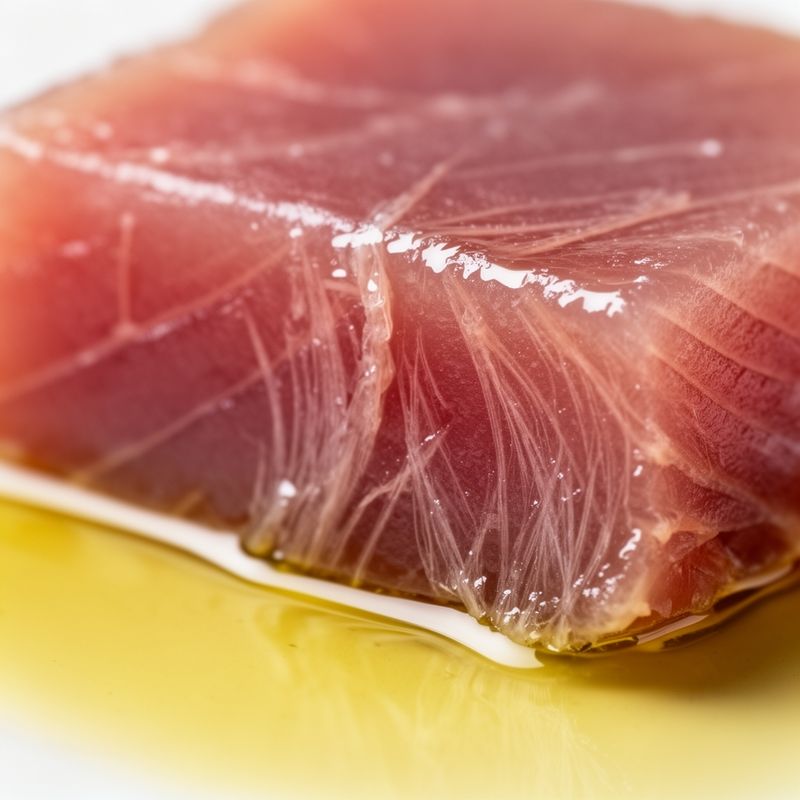
Understanding the nutritional profiles of tuna, olive oil, and common veggies is key to optimizing your soup. Below is a comparison of 3.5 oz (100g) servings
| Nutrient | Light Tuna (canned in water) | Albacore Tuna (canned in EVOO) | Extra Virgin Olive Oil | Carrots (raw) | Bell Peppers (mixed) |
|---|---|---|---|---|---|
| Calories | 82 | 120 | 119 | 41 | 49 |
| Protein (g) | 18 | 20 | 0 | 0.9 | 0.9 |
| Fat (g) | 0.5 | 4.8 | 14 | 0.2 | 0.2 |
| Saturated Fat (g) | 0.1 | 1.2 | 2 | 0.0 | 0.0 |
| Omega-3 (mg) | 1300 | 1500 | 0.7 (as ALA) | 0 | 0 |
| Fiber (g) | 0 | 0 | 0 | 2.4 | 1.2 |
| Vitamin C (mg) | 0 | 0 | 0 | 3.6 | 128 |
| Vitamin A (IU) | 0 | 0 | 0 | 19227 | 1900 |
Light tuna offers lean protein and omega-3s with minimal fat, while albacore in olive oil provides added healthy fats. Veggies contribute fiber and vitamins, creating a balanced foundation for your soup
Ingredients and Quality Analysis
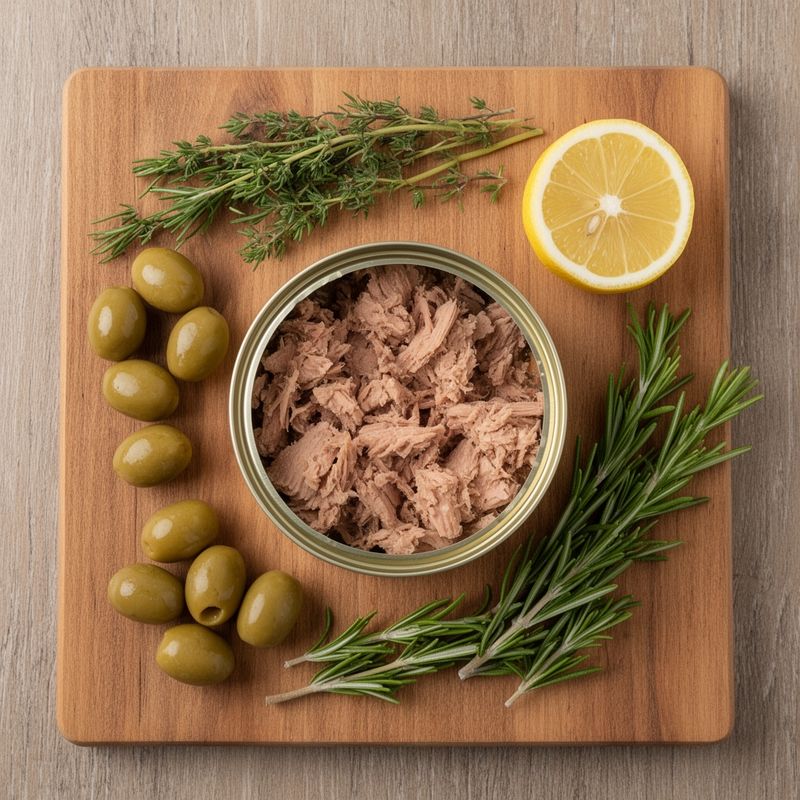
Selecting high-quality ingredients is crucial. For tuna, look for certifications like MSC (Marine Stewardship Council) to ensure sustainability. Light tuna packed in water reduces calorie intake, while albacore in EVOO adds flavor but increases fat content. When choosing olive oil, opt for dark bottles to prevent light exposure and check harvest dates for freshness. Veggies should be vibrant and firm; pre-cut options save time but may lose nutrients over time
For example, a can of Whole Foods 365 Light Tuna in Water contains 18g protein per 3.5 oz (100g) serving, while StarKist E.V.O.O. Albacore has 20g protein but 4.8g fat. Always check labels for additives like salt or preservatives
Benefits and Potential Downsides
Tuna’s protein supports muscle repair, while omega-3s reduce inflammation, per a WebMD article. Olive oil’s monounsaturated fats improve heart health, as highlighted in a 2022 NYTimes study linking daily EVOO consumption to lower cancer and cardiovascular mortality. Veggies add soluble fiber, which, as discussed in Soluble Fiber: Boost Gut Health & Blood Sugar aids digestion and stabilizes blood sugar
However, mercury in albacore is a concern, especially for pregnant women. Overcooking tuna can also reduce nutrient levels. A Journal of Food Science Technology study found that heat processing decreases omega-3 content by up to 15%, emphasizing the need for gentle cooking methods
Which Should You Choose: A Practical Guide
Athletes may prefer albacore for higher protein and fats, while those managing weight might opt for light tuna in water. Children and pregnant individuals should limit albacore to 1-2 servings monthly. For a heart-healthy option, combine light tuna with EVOO and veggies, as suggested in Energy-Boosting Foods: The Ultimate Guide to Fight Fatigue Naturally
Recipes and Pairing Suggestions
- Mediterranean Tuna Soup
- 1 can light tuna (drained)
- 2 tbsp EVOO
- 1 onion (chopped)
- 2 garlic cloves (minced)
- 1 carrot (sliced)
- 1 celery stalk (sliced)
- 4 cups low-sodium broth
- 1 cup diced tomatoes
- 1 tsp dried thyme
- Salt and pepper to taste
Sauté onion, garlic, carrot, and celery in EVOO. Add broth, tomatoes, and thyme. Simmer 20 minutes. Stir in tuna and season
- Asian-Inspired Tuna Bowl
- 1 can albacore tuna (drained)
- 1 cup brown rice
- ¼ cup shredded carrots
- ¼ cup cucumber slices
- 2 tbsp low-sodium soy sauce
- 1 tbsp sesame oil
Combine tuna with soy sauce and sesame oil. Serve over rice with veggies
Final Verdict
Tuna soup with olive oil and veggies is a versatile, nutritious meal. Light tuna offers lean protein with lower mercury, ideal for regular consumption, while albacore in EVOO provides richer flavor. Pair with a variety of veggies and gentle cooking to maximize nutrient retention. By understanding these elements, you can tailor your soup to meet your dietary goals while savoring every bowl
Sources and Further Reading
- [PDF] January Fact or Fiction- Eat your Veggies It is recommended that we
- How Different Cooking Methods Affect the Nutrients in Your Food
- Learn Health Benefits of Tuna | StarKist®
- Health Benefits of Tuna - WebMD
- The Magic of Olive Oil, Fish and Other Healthy Fats
🔍 FoodReveal helps you decode nutrition labels beyond marketing. Available for Android and iOS.
Leave a review