
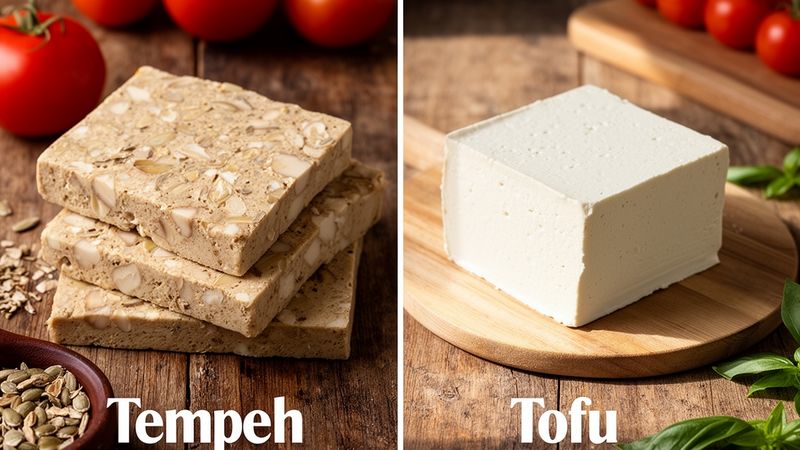
For those navigating the world of plant-based protein, tempeh and tofu are two staples that often top the list. Both are derived from soybeans, offering a versatile base for countless dishes. But beyond their shared origin, these two foods differ significantly in taste, texture, nutritional profile, and how they're made. Understanding these differences is crucial for making informed choices based on your dietary needs and culinary preferences. This article delves into the nuances of tempeh versus tofu, providing a comprehensive guide to help you decide which one best suits your plate
What Are Tempeh and Tofu
Tofu, meaning “bean curd” in Japanese, has been a cornerstone of East Asian cuisine for centuries. It's created by coagulating soy milk and pressing the resulting curds into solid white blocks. The process is similar to cheesemaking, but with soybeans instead of dairy. Tofu's texture can range from silken to extra-firm, impacting its suitability for different recipes. Silken tofu is delicate and creamy, perfect for smoothies or desserts, while extra-firm tofu holds its shape well and is ideal for stir-fries or grilling
Tempeh, originating from Indonesia, takes a different approach. Instead of coagulating soy milk, tempeh is made by fermenting whole soybeans with a mold culture – typically Rhizopus oligosporus This fermentation process binds the soybeans into a firm, cake-like block with a slightly nutty flavor and a chewy texture. Unlike tofu, tempeh retains the entire soybean, resulting in a higher fiber content. Historically, tempeh was a way to preserve soybeans and make them more digestible
Detailed Nutritional Comparison
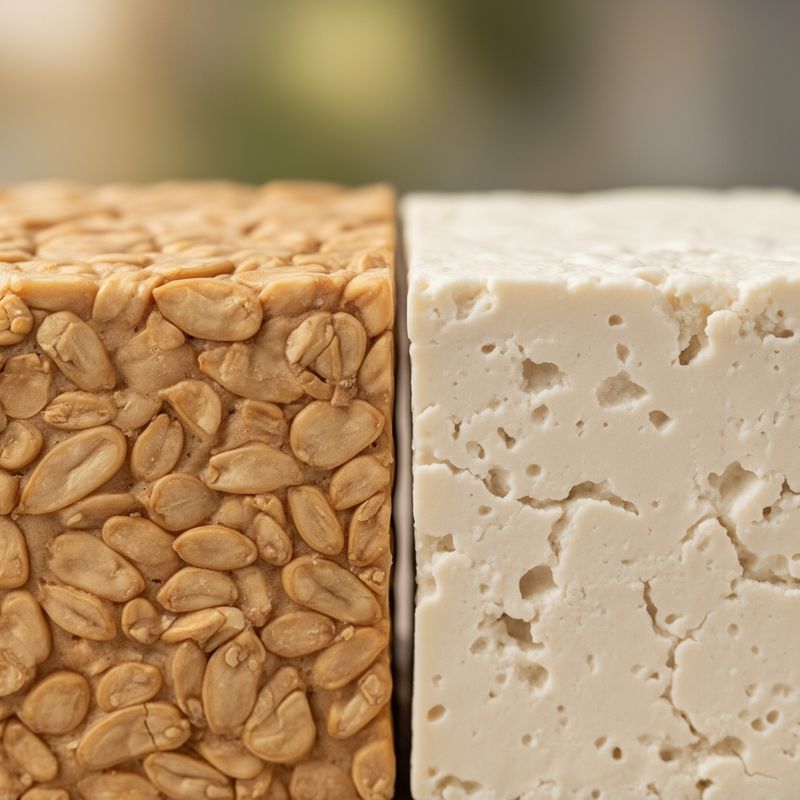
Both tempeh and tofu are excellent sources of plant-based protein and essential nutrients. However, their nutritional profiles aren’t identical. Tempeh generally boasts more fiber and protein per serving due to the inclusion of the whole soybean. Tofu tends to be lower in calories and fat but can vary based on its firmness. Understanding these differences can help you align your food choices with specific health goals
| Nutrient | Tempeh (3.5 oz / 100g) | Tofu (3.5 oz / 100g) |
|---|---|---|
| Calories | 193 | 76 |
| Protein | 19g | 8g |
| Fat | 11g | 4.8g |
| Carbohydrates | 7.7g | 1.9g |
| Fiber | 6.6g | 0.3g |
| Iron | 2.7mg | 1.5mg |
| Calcium | 111mg | 126mg |
| Manganese | 1.2mg | 0.5mg |
It’s important to note that these values can vary slightly depending on the brand and preparation method
Ingredients and Quality Analysis
The simplicity of ingredients is a key indicator of food quality. For tofu, the ingredient list should ideally contain only soybeans and a coagulant – often calcium sulfate or magnesium chloride. Some brands may add other ingredients for flavor or texture enhancement. When choosing tofu, opt for non-GMO soybeans whenever possible
Tempeh's ingredient list is even shorter: typically just soybeans and Rhizopus oligosporus mold culture. The quality of tempeh depends heavily on the soybeans used and the fermentation process itself. Look for tempeh that is firm, slightly tangy in aroma (not overly pungent), and free of any discoloration or off-putting smells. As we covered in our guide to How to Choose High-Protein Foods: Decoding Labels with scrutinizing ingredient lists is vital for making informed decisions about your food
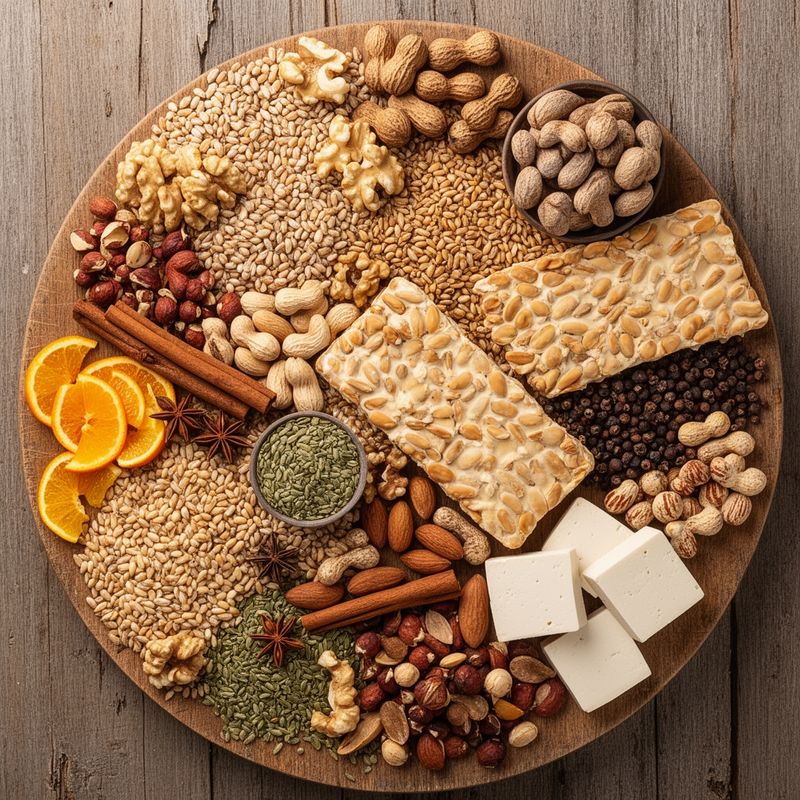
The processing methods also matter when assessing quality. Minimally processed versions of both tempeh and tofu are preferable to those containing added sugars, artificial flavors, or excessive preservatives
Benefits and Potential Downsides
Tofu’s benefits stem from its complete protein profile containing all nine essential amino acids alongside its low calorie count making it great for weight management diets.. It's also a good source of calcium and iron which supports bone health.. However, concerns have been raised about soy's phytoestrogen content – compounds that mimic estrogen in the body – though research suggests moderate consumption poses no significant health risks for most individuals
Tempeh’s fermentation process offers unique advantages. Fermentation increases the bioavailability of nutrients, meaning your body can absorb them more easily. It also introduces probiotics – beneficial bacteria that support gut health.. The higher fiber content in tempeh aids digestion and promotes feelings of fullness.. Some individuals may experience digestive discomfort from consuming fermented foods initially, but this usually subsides as the gut microbiome adjusts
The debate around soy allergies is important to consider; both tempeh and tofu are soy products so individuals with allergies must avoid them entirely.. Furthermore understanding No Sugar vs. Sugar-Free: What's the Difference? (A Diet Coke Case Study) can help you decipher labels if you find flavored versions of either product
Which Should You Choose: A Practical Guide
The best choice between tempeh and tofu depends on your culinary application and personal preferences.. For recipes where you want a neutral flavor that absorbs marinades well – such as stir-fries or scrambles – tofu is an excellent option.. Its versatility allows it to seamlessly blend into various cuisines
If you prefer a more robust flavor and chewier texture – think sandwiches or “bacon” alternatives – tempeh is the way to go.. Its nutty taste adds depth to dishes without requiring extensive seasoning.. Tempeh also holds up well in grilling or baking without falling apart
You should also consider your nutritional priorities.. If maximizing fiber intake is a goal then tempeh will provide significantly more than tofu.. If watching calories is key then tofu's lower calorie count may be preferable.. For more details on understanding your nutritional needs read our article on Whole Grain? What Kellogg’s All‑Bran 100% Whole Says
Recipes and Pairing Suggestions
- Spicy Tempeh Stir-Fry Marinate cubed tempeh in soy sauce, ginger, garlic, and chili flakes for at least 30 minutes. Stir-fry with broccoli, bell peppers, carrots, and a savory sauce made from soy sauce, maple syrup, and rice vinegar
- Silken Tofu Chocolate Mousse Blend silken tofu with melted dark chocolate cocoa powder vanilla extract and a touch of maple syrup until smooth and creamy This decadent dessert offers a surprisingly healthy indulgence
Tofu pairs well with Asian flavors such as ginger garlic sesame oil soy sauce while Tempeh complements heartier flavors like barbecue sauce maple syrup mustard or smoked paprika
Final Verdict
Tofu and tempeh are both nutritious plant based protein sources offering distinct advantages.. Tofu provides versatility lower calories while Tempeh delivers higher fiber richer flavor due to fermentation.. Ultimately there isn't a 'better' option but rather one better suited based on individual needs preferences cooking style
🔍 Want to know exactly what's in a product before you buy it? With you scan the label in seconds and get a full breakdown of ingredients, additives and nutritional values — in plain language, no expertise required
Sources and Further Reading
- Tempeh vs. Tofu: Nutrition, Similarities, and Differences - Healthline
- Tempeh vs Tofu: A Nutritional Comparison Guide - GetLabTest.com
- Tempeh vs. Tofu: What's the Difference?
- Tofu vs. Tempeh: Which Plant-Based Food Has More Protein?
- Tempeh vs. Tofu Nutrition: Which Plant Protein Is Healthier?
🔍 FoodReveal helps you decode nutrition labels beyond marketing. Available for Android and iOS.
Leave a review