
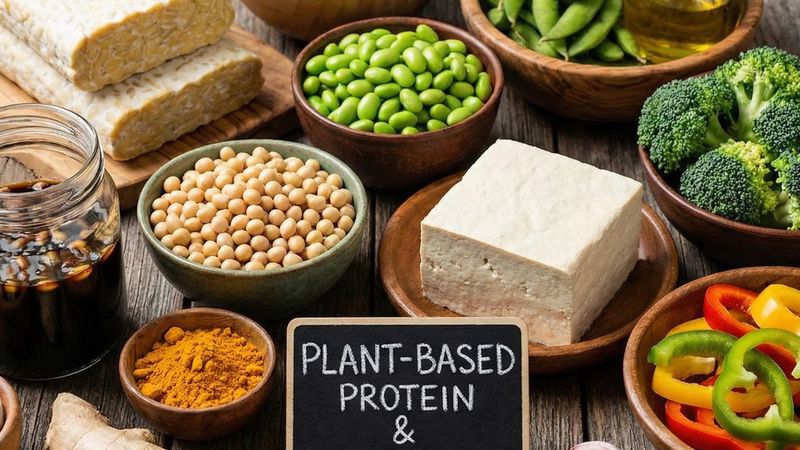
For those seeking plant-based protein sources, the options can seem endless. Two popular choices consistently top the list: tempeh and tofu. Both originate from soybeans, but their processing methods, textures, and nutritional profiles differ significantly. While both are versatile additions to a healthy diet, understanding these distinctions can help you choose the best option for your needs. Many consumers are confused about which one is healthier, or which one better suits their culinary preferences. This article will delve into the details, providing a comprehensive comparison of tempeh and tofu, exploring their health benefits, potential downsides, and offering practical guidance for incorporating them into your meals
What Are Tempeh and Tofu
Tofu and tempeh both start with soybeans, but that's where the similarities largely end. Tofu is made by coagulating soy milk and pressing the resulting curds into solid white blocks. The process is similar to cheesemaking. It comes in varying levels of firmness – silken, soft, firm, and extra-firm – each suited to different cooking methods. Tofu has a relatively neutral flavor, making it a blank canvas for absorbing marinades and sauces. It’s been a staple in Asian cuisine for centuries
Tempeh, on the other hand, is a traditional Indonesian food made by fermenting whole soybeans with a mold culture (typically Rhizopus oligosporus). This fermentation process binds the soybeans together into a firm, dense cake with a slightly nutty flavor and a chewy texture. Unlike tofu, tempeh retains the entire soybean, resulting in a higher fiber content. The fermentation also creates beneficial enzymes that aid digestion. You can find tempeh in most well-stocked grocery stores like Trader Joe’s or Whole Foods 365
Detailed Nutritional Comparison
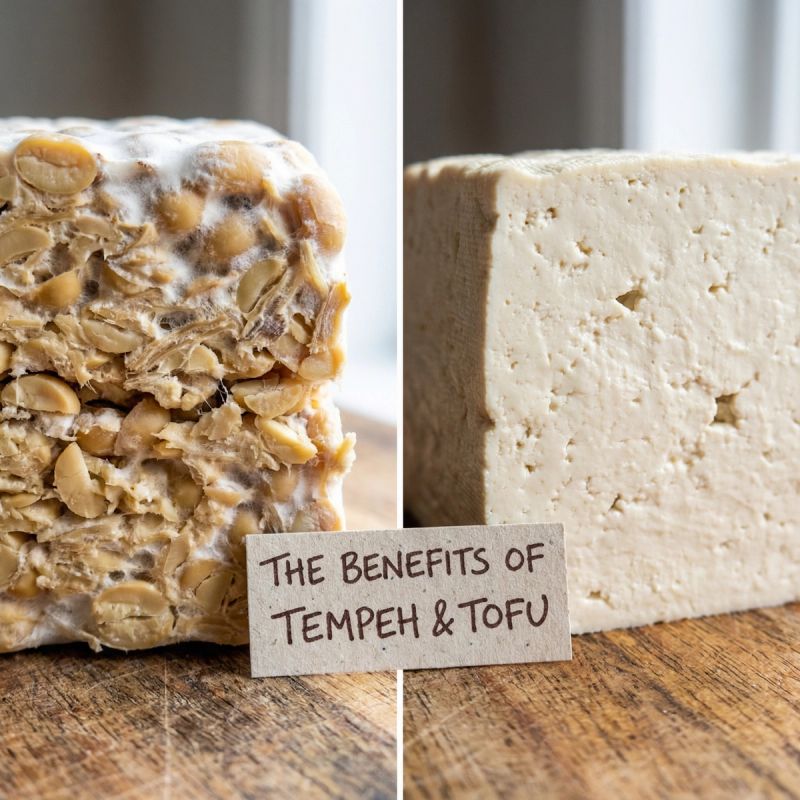
Both tempeh and tofu are excellent sources of plant-based protein, but their nutritional profiles differ in key areas. Tofu generally contains fewer calories and less fat than tempeh per serving. However, tempeh boasts significantly more fiber due to the whole soybean content. The fermentation process in tempeh also enhances its bioavailability of certain nutrients
Here’s a comparison based on a 3.5 oz (100g) serving
| Nutrient | Tofu (Firm) | Tempeh |
|---|---|---|
| Calories | 76 | 193 |
| Protein | 8g | 19g |
| Fat | 4.8g | 11g |
| Carbohydrates | 1.9g | 7.7g |
| Fiber | 0.3g | 5.2g |
| Calcium | 126mg | 45mg |
| Iron | 1.5mg | 2.7mg |
| Magnesium | 33mg | 66mg |
| Potassium | 108mg | 198mg |
| Sodium | 5mg | 8mg |
The nutritional values can vary slightly depending on the brand and preparation method
Ingredients and Quality Analysis
The quality of both tempeh and tofu heavily depends on the soybeans used in their production. Opting for organic, non-GMO soybeans is crucial to avoid potential pesticide residues and genetically modified organisms. When purchasing tofu, check the ingredient list for minimal additions; ideally, it should contain only soybeans and a coagulant (like calcium sulfate or magnesium chloride). Some brands add flavoring agents or preservatives

The quality of tempeh is similarly important. Look for tempeh made with whole soybeans and a live culture – this ensures you’re reaping the benefits of fermentation. Avoid tempeh that contains added sugars or artificial ingredients. The process of making tempeh itself can impact its nutritional value; traditionally fermented tempeh has higher levels of probiotics that contribute to gut microbiome & mood: probiotics that boost mental health]. As we covered in our guide to [Rice vs Corn: Health Benefits in Crackers choosing minimally processed foods is generally best for overall health
Benefits and Potential Downsides
Tofu’s benefits stem from its complete protein profile and its ability to lower LDL cholesterol levels (the “bad” cholesterol). It’s also a good source of isoflavones, plant compounds linked to reduced risk of certain cancers and improved bone health. However, concerns have been raised about soy’s potential hormonal effects due to its isoflavone content; research remains ongoing, but moderate consumption is generally considered safe for most people
Tempeh offers similar benefits to tofu but with added advantages due to fermentation. The fermentation process breaks down phytic acid – an antinutrient that can inhibit mineral absorption – making nutrients more bioavailable. Tempeh's higher fiber content promotes digestive health and helps regulate blood sugar levels. It also provides prebiotics that feed beneficial gut bacteria
A potential downside of both is soy allergy; it's one of the eight major food allergens. Individuals with soy allergies should avoid both products entirely. Additionally, some people experience digestive discomfort from consuming soy products
Which Should You Choose: A Practical Guide
The best choice between tempeh and tofu depends on your individual needs and preferences. If you're looking for a lower-calorie option with a mild flavor that easily absorbs marinades, tofu is a great choice. It's perfect for stir-fries, scrambles, smoothies (silken tofu), or as a meat substitute in various dishes
If you prioritize fiber intake and enjoy a slightly nutty flavor with a chewier texture, tempeh is an excellent option. It holds its shape well when cooked and is ideal for grilling, baking, or crumbling into sauces or salads. For more details on understanding food labels when making these choices read our article on Portion vs. 100g: The Definitive Guide to Comparing Food Labels
Consider your cooking method as well: firmer tofu works best in dishes where you want it to hold its shape (like stir-fries), while softer tofu is better suited for blending or creamy applications
Recipes and Pairing Suggestions
- Spicy Tempeh Stir-Fry Crumble 8oz of tempeh and marinate in a mixture of soy sauce, maple syrup, sriracha, and ginger for at least 30 minutes. Stir-fry with broccoli florets, bell peppers, and snap peas until tender-crisp. Serve over brown rice
- Lemon Herb Tofu Scramble Crumble 14oz of firm tofu and sauté with chopped onions, garlic, spinach, and your favorite herbs (dill, parsley). Season with lemon juice, nutritional yeast (for a cheesy flavor), salt & pepper
Both tempeh and tofu pair well with vibrant vegetables like kale or arugula as well as whole grains like quinoa or farro
Final Verdict
Tofu and tempeh are both nutritious plant-based protein sources that offer unique benefits. While tofu excels in versatility and lower calorie count, tempeh shines with its higher fiber content and enhanced nutrient bioavailability thanks to fermentation.. Ultimately there isn't one “better” choice; incorporating both into your diet provides a wider range of nutrients and culinary experiences
🔍 Want to know exactly what's in a product before you buy it? With you scan the label in seconds and get a full breakdown of ingredients, additives and nutritional values — in plain language, no expertise required
Sources and Further Reading
- Tempeh vs. Tofu: Nutrition, Similarities, and Differences - Healthline
- Tofu & Tempeh: A Cube Above the Rest - Edible Madison
- Tempeh vs. Tofu — In-Depth Nutrition Comparison - Foodstruct
- Is Tempeh Healthy? The Latest Research - NutritionFacts.org
- Tempeh vs. Tofu: What's the Difference?
🔍 FoodReveal helps you decode nutrition labels beyond marketing. Available for Android and iOS.
Leave a review