
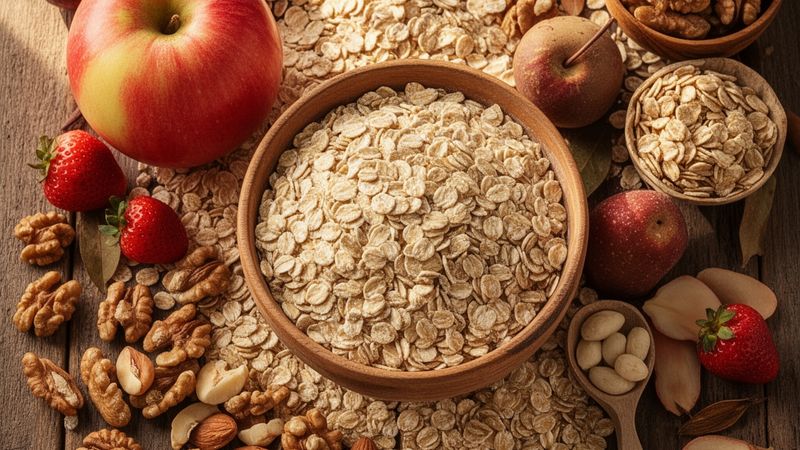
The quest for a healthy breakfast often leads us down aisles packed with sugary temptations. Cereal, a childhood staple, has unfortunately become synonymous with refined carbohydrates and hidden sugars. But what if you could enjoy a bowl of crunchy goodness without the guilt? Increasingly, consumers are turning to sugar-free cereals as a way to start their day on a healthier note. These options promise the familiar comfort of cereal with a significantly reduced sugar content, catering to those managing diabetes, following low-carb diets, or simply aiming for a more balanced lifestyle. However, “sugar-free” doesn't automatically equate to “healthy.” It’s crucial to understand what replaces sugar, how these cereals are made, and which ones truly deliver on their health promises. This article dives deep into the world of sugar-free cereals, exploring their nutritional profiles, ingredients, benefits, and potential drawbacks to help you make an informed choice for your breakfast bowl
What Are Sugar-Free Cereals for Breakfast
Sugar-free cereals are designed to provide a breakfast option with minimal or no added sugars. This is typically achieved by utilizing alternative sweeteners like erythritol, stevia, or monk fruit – all of which have varying impacts on blood sugar levels and gut health. The base of these cereals can vary widely, ranging from traditional wheat and corn to more innovative ingredients like almonds, coconut, and seeds. Many brands focus on high-fiber content to promote satiety and aid digestion. However, it's important to note that even “sugar-free” cereals can contain naturally occurring sugars from ingredients like fruit or milk powder. The key difference lies in the added sugar content. Manufacturers are responding to growing consumer demand for healthier options, driven by increased awareness of the negative health effects associated with excessive sugar intake. According to a recent report by the American Heart Association, most Americans consume far more added sugar than is recommended for optimal health. This has fueled the rise of sugar-free alternatives across various food categories
Detailed Nutritional Comparison
Comparing nutritional profiles across different sugar-free cereals can be surprisingly complex. Serving sizes vary, and the nutrient content depends heavily on the base ingredients and added components. Here’s a comparison of some popular options (values are approximate per 1 cup serving)
| Cereal Brand | Calories | Total Fat (g) | Protein (g) | Fiber (g) | Net Carbs (g) | Added Sugar (g) | Sweetener |
|---|---|---|---|---|---|---|---|
| Nature Valley Protein Granola (Sugar-Free) | 120 | 3 | 7 | 5 | 8 | 0 | Erythritol & Monk Fruit |
| Special K Protein (Sugar-Free) | 140 | 1 | 10 | 5 | 9 | 0 | Sucralose |
| Magic Spoon (Various Flavors) | 120 | 8 | 13 | 3 | 5 | 0 | Allulose |
| Catalina Crunch (Various Flavors) | 140 | 9 | 14 | 6 | 6 | 0 | Erythritol & Stevia |
| Three Wishes (Unsweetened) | 110 | 2 | 8 | 3 | 12 | 0 | None |
It's crucial to examine the “net carb” count – total carbohydrates minus fiber – as this provides a better indication of the cereal’s impact on blood sugar levels. Also pay attention to the type of sweetener used; some individuals may experience digestive issues with certain sugar alcohols like erythritol
Ingredients and Quality Analysis
The quality of ingredients in sugar-free cereals varies significantly. Some brands prioritize whole grains and natural ingredients, while others rely heavily on processed components and artificial additives. Many cereals utilize wheat as a base but also feature blends of oats, rice, corn or almond flour. A closer look at ingredient lists reveals that even in “sugar-free” options, you’ll find ingredients like modified food starch, vegetable oils (often palm oil), and various gums used for texture and binding. The presence of these additives isn't necessarily harmful but does indicate a higher level of processing. When choosing a cereal, prioritize those with short ingredient lists featuring recognizable whole foods. Understanding the difference between “no sugar” and “sugar-free” is critical; as we explore in No Sugar vs. Sugar-Free: What's the Difference? (A Diet Coke Case Study) these terms aren’t interchangeable. Look for certifications like Non-GMO Project Verified or USDA Organic to ensure higher quality standards
Benefits and Potential Downsides
The primary benefit of sugar-free cereals is their reduced impact on blood sugar levels compared to traditional sugary cereals. This makes them a suitable option for individuals with diabetes or those following low-carb diets like keto or paleo. They can also contribute to weight management by reducing overall calorie intake from added sugars. Furthermore, many sugar-free cereals are fortified with essential vitamins and minerals, providing additional nutritional value. However, there are potential downsides to consider. Some artificial sweeteners have been linked to digestive issues like bloating and gas in sensitive individuals. Moreover, relying solely on cereal – even a healthy one – for breakfast may not provide sufficient protein and healthy fats to keep you feeling full and energized throughout the morning. A study published in the American Journal of Clinical Nutrition found that consuming adequate protein at breakfast is crucial for appetite control and weight management
Which Should You Choose: A Practical Guide
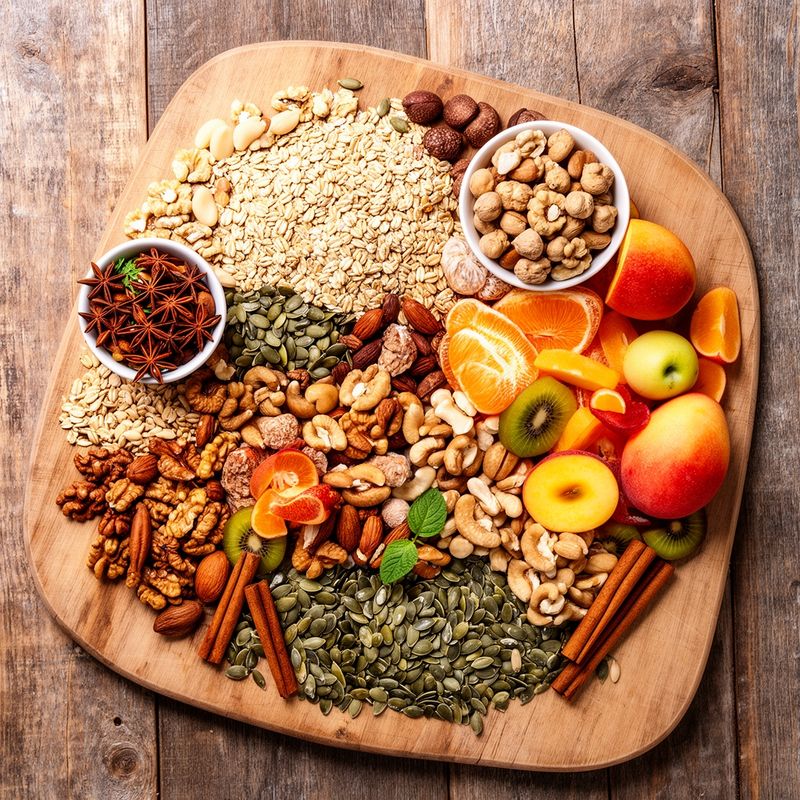
Selecting the right sugar-free cereal depends on your individual needs and preferences. If you prioritize high protein content, brands like Magic Spoon or Catalina Crunch are excellent choices. For those seeking a lower net carb option, Three Wishes Unsweetened offers a minimal carbohydrate footprint but requires you to add your own sweeteners if desired.. If you are sensitive to artificial sweeteners or prefer natural options, look for cereals sweetened with stevia or monk fruit – but be mindful that some people find these sweeteners have an aftertaste they dislike.. Reading reviews from other consumers can also provide valuable insights into taste and texture preferences. Ultimately, it’s important to remember that cereal should be part of a balanced breakfast that includes protein sources like Greek yogurt or eggs and healthy fats from nuts or seeds; similar considerations apply when choosing between different types of energy drinks as explored in Sugar-Free Energy Drinks: Rockstar vs Red Bull Don’t fall into the trap of thinking “sugar-free” automatically means “healthy.”
Recipes and Pairing Suggestions
Sugar-free cereal doesn’t have to be limited to a simple bowl with milk! Here are a couple of ideas to elevate your breakfast
Berry & Nut Granola Parfait Layer sugar-free granola (like Nature Valley Protein Granola) with Greek yogurt (Chobani or Fage), fresh berries (strawberries, blueberries, raspberries), and a sprinkle of chopped almonds
Chocolate Peanut Butter Cereal Bowl Combine Special K Protein cereal with unsweetened almond milk, a tablespoon of natural peanut butter (or almond butter), and a dash of unsweetened cocoa powder
You can also use crushed sugar free cereal as topping for yogurt or smoothies
Final Verdict
Sugar-free cereals can be a valuable addition to a healthy breakfast routine when chosen wisely. They offer a convenient way to reduce sugar intake without sacrificing the enjoyment of a classic cereal bowl. However, it’s crucial to scrutinize ingredient lists, prioritize whole food ingredients over processed additives, and consider your individual tolerance for alternative sweeteners. Remember that cereal should complement – not replace – other nutrient rich foods like protein sources and healthy fats for optimal health benefits; it's similar advice when looking at alternatives in Sugar-Free Chocolate: A Guide
🔍 Want to know exactly what's in a product before you buy it? With you scan the label in seconds and get a full breakdown of ingredients, additives and nutritional values — in plain language, no expertise required
Sources and Further Reading
- Best Sugar-Free Cereals - Healthline
- Top 10 Sugar Free Cereals: Healthy Breakfast Options - Greatist
- Children's Cereals | Environmental Working Group
- The Ultimate List of Healthy Lower Sugar Cereals For Kids
- Breakfast Cereals: Healthy or Unhealthy? - Healthline
🔍 FoodReveal helps you decode nutrition labels beyond marketing. Available for Android and iOS.
Leave a review