
INTRODUCTION
In today's food landscape, where sugary drinks and foods are ubiquitous, understanding the impact of sugar on our liver health is crucial. The liver plays a vital role in metabolizing sugar, and excessive consumption can lead to severe health issues, including fatty liver disease and increased risk of heart disease. For a deeper understanding of sugar's effects, it's essential to consider the broader context of dietary choices, such as the benefits and differences ofBrown Sugar: Benefits and Differences. This article will delve into the relationship between sugar and liver health, exploring how sugar affects the liver, nutritional comparisons, and practical advice on making healthier choices.
What They Are: Definition and Origins
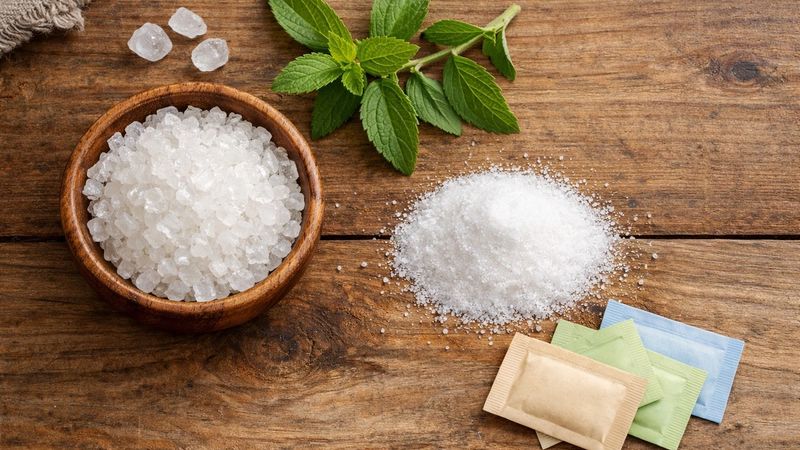
Sugar, in its various forms, has been a part of human diets for thousands of years, originating from natural sources like sugarcane and honey. Today, sugar is available in many variants, including refined sugars, fructose, and high-fructose corn syrup (HFCS), each with its own history and production process. The main variants available today are table sugar (sucrose), fructose, and glucose, with HFCS being a common ingredient in many processed foods and sweetened beverages.
How They're Made
The production of sugar involves extracting the sucrose from sugarcane or sugar beets, followed by refining to produce the white sugar commonly used in cooking and baking. Industrial production differs significantly from artisanal methods, with the former involving large-scale processing and the latter focusing on smaller, more traditional techniques. The differences in production methods can affect the final product's quality and nutritional content.
Detailed Nutritional Comparison
The nutritional comparison highlights the similarities between different types of sugar, with all being essentially devoid of protein, fat, and fiber but high in carbohydrates. This high carbohydrate content, particularly in the form of simple sugars, is what poses a risk to liver health when consumed excessively. For a more detailed look at how sugar affects dental health, consider the effects discussed inCane Sugar and Dental Health.
In-Depth Ingredient Analysis
Typical products containing high amounts of sugar, such as sweetened yogurts and sodas, often include a mix of natural and artificial ingredients. Analyzing the ingredients in these products reveals a common theme of high sugar content, often in the form of HFCS, alongside other additives and preservatives. Common additives include artificial flavors and colors, with specific E-numbers indicating the presence of these substances. Cleaner-label alternatives are becoming increasingly popular, offering consumers a choice to opt for products with fewer and more natural ingredients.
Additives and Controversial Substances
Additives in sugary products can pose health risks, with some E-numbers being associated with adverse health effects. Consumers are advised to read labels carefully and opt for products with fewer additives, choosing instead for whole, unprocessed foods whenever possible. The trend towards cleaner labels reflects a growing awareness of the importance of dietary choices in maintaining health, similar to the considerations forKidney health: balancing protein, potassium & phosphorus.
Health Effects and Benefits
While sugar itself does not offer health benefits, it is a source of energy for the body. However, excessive sugar consumption is well-documented to have negative health effects, including the risk of developing fatty liver disease, diabetes, and heart disease. Certain individuals, such as those with diabetes or predisposed to liver disease, should be particularly cautious with their sugar intake. Understanding the health effects of sugary drinks, like those discussed inHealth Effects of Coca-Cola and Pepsi, can provide valuable insights into making informed dietary choices.
How to Read the Label: A Practical Guide
When reading the labels of food and beverage products, it's crucial to look for added sugars, which can be disguised under various names, including HFCS, sucrose, and fructose. Red flags include products with high sugar content per serving and the presence of artificial additives. Industry tricks to disguise poor ingredients include using multiple types of sugar to keep any one ingredient from being too high on the list. By being aware of these tactics and choosing products with whole, natural ingredients, consumers can make healthier choices, potentially reducing their risk of liver disease and other sugar-related health issues.
Best Products on the Market
Kashi GoLean: Key ingredients include whole grains, fiber, and essential vitamins. Two strengths are high fiber content and the presence of lean protein. One weakness is the presence of some added sugars. This product is ideal for health-conscious consumers looking for a nutritious breakfast option.
Quaker Oats Old Fashioned: Key ingredients include 100% whole grain oats, fiber, and iron. Two strengths are the high fiber content and the fact that it's a good source of iron. One weakness is the potential for added sugars when flavorings are used. This product is ideal for those seeking a hearty, wholesome breakfast option, and for more information on the benefits of fiber, consider readingSoluble Fiber: Boost Gut Health & Blood Sugar.
Nature's Path Organic Flax Plus: Key ingredients include organic whole grains, flaxseeds, and essential vitamins. Two strengths are the high content of omega-3 fatty acids from the flaxseeds and the fact that it's USDA-certified organic. One weakness is the higher price point compared to non-organic options. This product is ideal for consumers prioritizing organic and sustainable food choices.
Recipes and Kitchen Uses
Recipe 1: Sugar-Free Granola
Ingredients:
- 2 cups rolled oats
- 1 cup mixed nuts
- 1/2 cup honey
- 1/4 cup coconut oil
- 1/2 teaspoon vanilla extract
Instructions:
- Preheat the oven to 300°F (150°C).
- Mix all ingredients in a large bowl until well combined.
- Spread the mixture on a baking sheet.
- Bake for 25-30 minutes, stirring occasionally.
- Let cool and store in an airtight container.
Prep time: 10 minutes.
Recipe 2: Baked Salmon with Lemon and Herbs
Ingredients:
- 4 salmon fillets
- 1/4 cup olive oil
- 2 lemons, sliced
- 1/4 cup chopped fresh parsley
Instructions:
- Preheat the oven to 400°F (200°C).
- Line a baking sheet with parchment paper.
- Place the salmon fillets on the baking sheet.
- Drizzle with olive oil and top with lemon slices and parsley.
- Bake for 12-15 minutes or until cooked through.
Prep time: 15 minutes.
Sustainability and Environmental Impact
The production of sugar and sugary products has a significant environmental impact, including water pollution, soil degradation, and contribution to climate change. Consumers can choose responsibly by opting for products with minimal packaging, buying in bulk, and supporting sustainable agriculture practices.
Frequently Asked Questions
What is the daily recommended sugar intake?
Answer: The daily recommended sugar intake varies by age and sex, but generally, the American Heart Association recommends that women consume no more than 25 grams (6 teaspoons) of added sugars per day, while men should limit their intake to no more than 36 grams (9 teaspoons) per day.
How does sugar affect liver health?
Answer: Consuming high amounts of sugar can lead to an increased risk of fatty liver disease, as the liver metabolizes sugar like alcohol, converting carbohydrates to fat.
Can a low-sugar diet reverse liver damage?
Answer: A low-sugar diet can support liver function and potentially help in reversing some liver damage, but it's crucial to consult with a healthcare professional for personalized advice.
Final Verdict
In conclusion, understanding the impact of sugar on liver health is crucial for maintaining overall well-being. By limiting sugar intake and adopting a balanced diet, individuals can reduce their risk of liver disease. For more information on how certain ingredients affect health, consider readingThe Effects of Sugar Consumption on Cardiovascular Health. With the right knowledge and choices, consumers can protect their liver health and overall wellness.
🔍 FoodReveal helps you decode nutrition labels beyond marketing. Available for Android and iOS.
Leave a review