

When you walk into a coffee shop, the aroma of roasted beans instantly tells you you’re about to sip something familiar – but there’s a quiet under‑current that many customers don’t notice chicory Both Starbucks and Dunkin’ have flirted with this root‑derived ingredient for decades, using it to stretch coffee budgets, mellow bitterness, and add a nostalgic New‑England flavor. In a market where sugar‑laden Frappuccinos and oversized iced coffees dominate the menu, understanding the benefits and drawbacks of chicory can help you make a healthier choice without sacrificing taste
What Is Chicory?
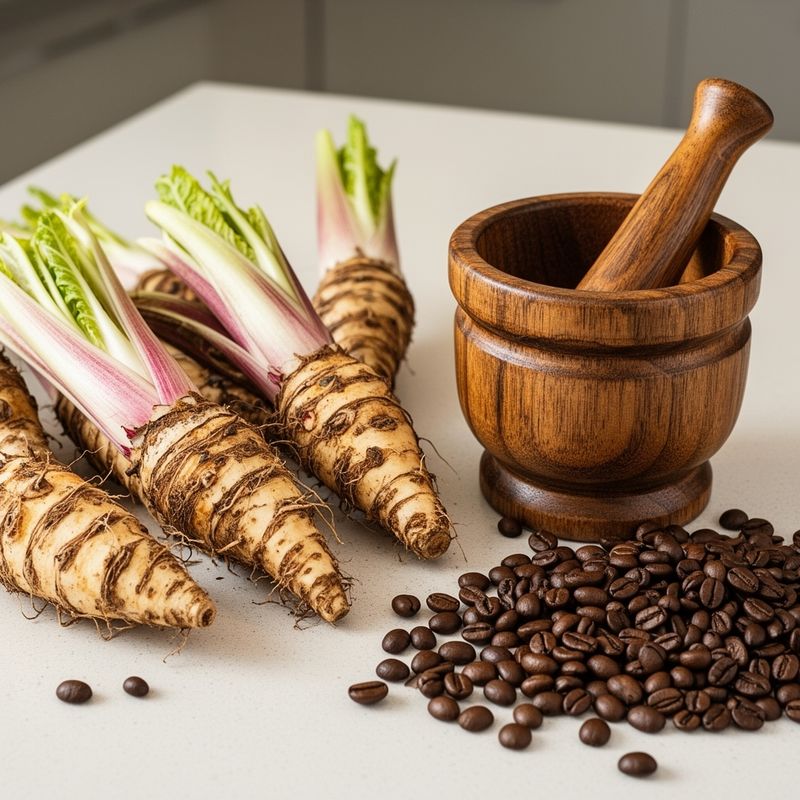
Chicory (Cichorium intybus) is a leafy plant whose root is roasted, ground, and brewed much like coffee. Historically, it was a cheap coffee substitute during wartime shortages, and today it’s prized for its inulin fiber a prebiotic that fuels beneficial gut bacteria. The root also contains polyphenols chlorogenic acids and a modest amount of caffeine‑like compounds, giving it a subtle, nutty‑earthy profile
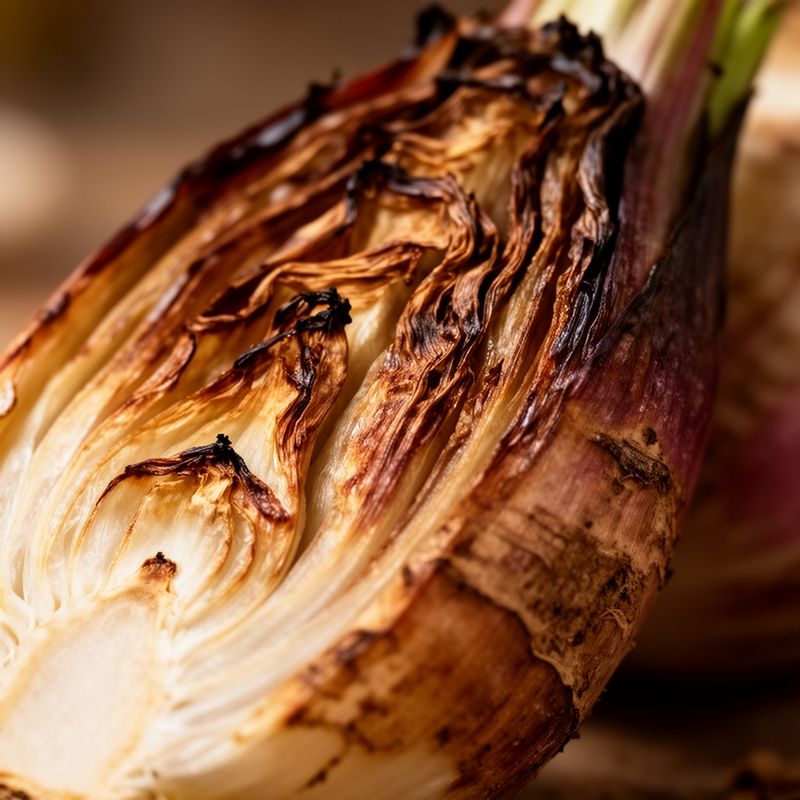
> Key point: Chicory’s inulin is a soluble fiber that can improve gut health, but it is also FODMAP‑high meaning it may trigger symptoms in people with irritable bowel syndrome (IBS)
How Starbucks and Dunkin’ Use Chicory
| Brand | Typical Chicory‑Based Drink | Approx. Chicory % | Serving Size | Calories (kcal) | Added Sugar (g) | Caffeine (mg) |
|---|---|---|---|---|---|---|
| Starbucks | Chicory Latte (espresso + steamed milk + 10 % chicory blend) | 10 % | 16 oz (473 ml) | 190 | 18 | 150 |
| Dunkin’ | Original Blend Coffee with Chicory (drip coffee) | 15 % | 14 oz (414 ml) | 5 | 0 | 120 |
| Starbucks | Cold Brew with Chicory (cold brew + chicory) | 12 % | 16 oz (473 ml) | 10 | 0 | 160 |
| Dunkin’ | Chicory Iced Coffee (iced coffee + chicory) | 15 % | 14 oz (414 ml) | 8 | 0 | 115 |
Chicory % is an estimate based on publicly available blend information and typical barista recipes. Values can vary by location and customizations
Starbucks
Starbucks introduced a chicory‑infused latte in select markets as a seasonal offering. The drink combines a standard espresso shot (≈ 75 mg caffeine) with steamed milk and a 10 % roasted chicory blend The result is a smoother, less acidic cup that still delivers the brand’s signature caffeine punch
Dunkin’
Dunkin’ has a longer history with chicory, especially in the Northeast where the classic “Original Blend Coffee with Chicory” remains a staple. Their drip coffee often contains 15 % chicory which lowers the overall caffeine content while adding a distinct, slightly sweet earthiness. Dunkin’ also offers an iced version that retains the same chicory ratio
The Science Behind Chicory’s Health Claims
Prebiotic Power
Inulin makes up roughly 70 % of chicory root’s dry weight. As a soluble fiber it resists digestion in the small intestine and ferments in the colon, feeding Bifidobacteria and Lactobacilli. This fermentation produces short‑chain fatty acids (SCFAs) like butyrate which support colon health, improve blood sugar regulation and may reduce inflammation
> For a deeper dive on how soluble fiber benefits gut health, see Soluble Fiber: Boost Gut Health & Blood Sugar
Polyphenol Antioxidants
Chicory contains chlorogenic acid a polyphenol also abundant in coffee beans. During roasting, chlorogenic acid breaks down into quinic and caffeic acids which have been linked to anti‑inflammatory and anti‑aging effects. The darker the roast, the more quinic acid forms, but excessive roasting can also increase bitterness
> Learn more about polyphenol benefits in Polyphenol‑rich foods: anti‑inflammatory & anti‑aging benefits
Blood Sugar Impact
Because inulin is a low‑glycemic carbohydrate, chicory‑based drinks tend to have a smaller post‑prandial glucose spike compared with sugary coffee beverages. However, many Starbucks and Dunkin’ drinks add flavored syrups, whipped cream, or whole‑milk bases that can quickly outweigh the low‑glycemic advantage
> Practical tips for stabilizing blood sugar are outlined in Low Glycemic Diet: 5 Practical Tips to Stabilize Blood Sugar
Drawbacks to Keep in Mind
Digestive Sensitivity
Inulin is a FODMAP‑high ingredient. For individuals with IBS, small‑bowel bacterial overgrowth, or fructose malabsorption, chicory can cause bloating, gas, and abdominal cramping A low‑FODMAP version of a coffee drink would need the chicory component reduced to≤ 0.5 g per serving which is far below the typical 10‑15 % blend used by both chains
Bitterness & Acidity
While chicory can smooth the perceived acidity of coffee, the chlorogenic acids present in both coffee and chicory can still contribute to stomach irritation for sensitive users. Darker roasts increase quinic acid, which may aggravate acid reflux. This is especially relevant for the cold‑brew offerings that sit on a warmer for extended periods, allowing more acid extraction
Added Sugars & Calories
A plain chicory‑infused coffee is virtually calorie‑free, but the popular Starbucks latte and many Dunkin’ flavored iced coffees add syrups, whipped cream, and whole‑milk For example, a Starbucks Chicory Latte can contain 18 g of added sugar (≈ 45 % of the daily value) and 190 kcal turning a health‑focused drink into a sugar bomb
Potential Allergen Concerns
Although rare, some individuals may be allergic to chicory pollen or experience cross‑reactivity with ragweed Symptoms can range from mild oral itching to more severe respiratory reactions
Comparing the Two Chains: Which Is Better for Chicory Lovers?
| Aspect | Starbucks | Dunkin’ |
|---|---|---|
| Chicory Ratio | 10 % (latte) – 12 % (cold brew) | 15 % (drip & iced) |
| Typical Caffeine | 150 mg per 16 oz (espresso‑based) | 115‑120 mg per 14 oz (drip) |
| Sugar‑Free Options | Yes – order “no‑syrup” or use stevia | Yes – plain drip/iced coffee has 0 g sugar |
| Customizable Milk | Almond, soy, oat, dairy‑free (adds fiber) | Skim, 2%, whole, or dairy‑free alternatives |
| Low‑FODMAP Friendly? | Only if chicory is omitted or reduced | Same – need to request “no chicory” |
| Price (average) | $3.75 for 16 oz latte | $2.25 for 14 oz iced coffee |
Bottom Line
- If you prioritize gut health and can tolerate FODMAPs Dunkin’offers a higher chicory concentration, delivering more inulin per cup
- If you need a caffeine boost without extra acidity, the Starbucks espresso‑based latte provides more caffeine while still delivering a modest chicory dose
- For low‑calorie, low‑sugar drinks both chains can be customized to be sugar‑free, but Dunkin’ plain drip coffee is the simplest, lowest‑calorie choice
How to Order a Healthier Chicory Coffee
1 Ask for “no added syrups.”Both chains allow you to replace sugary flavorings with stevia or cinnamon
2 Choose a plant‑based milk with extra fiber (e.g., oat milk) to complement the prebiotic effect of chicory
3 Request a “half‑caff”if you’re sensitive to caffeine but still want the chicory flavor
4 Opt for a smaller size (12 oz / 355 ml) to keep calories in check while still enjoying the health benefits
5 If you’re low‑FODMAP explicitly ask the barista to omit chicory or request a “light‑chicory” version (≈ 5 % blend). While not standard, many locations will accommodate a reduced‑chicory brew
Frequently Asked Questions
Q: Does chicory contain caffeine?
A: Chicory itself is caffeine‑free, but most commercial drinks pair it with coffee or espresso, so the caffeine content comes from the coffee component
Q: Can chicory replace coffee entirely?
A: Yes, you can brew 100 % chicory root for a caffeine‑free, coffee‑like beverage. It will be sweeter and less bitter, but the flavor profile is distinct
Q: Is chicory safe for pregnant women?
A: In moderate amounts (up to 2 cups per day), chicory is generally recognized as safe. However, high doses of inulin may cause gastrointestinal upset, so moderation is key
Q: How does chicory affect blood pressure?
A: The potassium in chicory may have a modest blood‑pressure‑lowering effect, but the impact is minimal compared to overall diet and lifestyle
The Bigger Picture: Coffee, Chicory, and Your Health
Coffee itself is a polyphenol‑rich beverage that can improve mental alertness, support metabolic health, and even lower the risk of certain neurodegenerative diseases. Adding chicory introduces prebiotic fiber and additional antioxidants potentially amplifying these benefits— provided you avoid excess sugar and stay within your tolerance for FODMAPs
When you weigh the pros (prebiotic fiber, lower caffeine, extra antioxidants) against the cons (possible GI distress, added sugars in specialty drinks, increased acidity), the decision comes down to personal tolerance and customization Both Starbucks and Dunkin’ give you the tools to tailor a chicory‑infused coffee that aligns with your health goals
Takeaway If you love the earthy notes of chicory and can handle a bit of inulin, try a plain Dunkin’ drip with chicory for a low‑calorie, high‑inulin start to your day. If you need that extra caffeine kick and enjoy a milk‑based latte, a Starbucks chicory latte with oat milk and no syrup can be a satisfying middle ground
Ready to explore more about how coffee components affect your body? Dive into our other nutrition deep‑dives:
- Polyphenol‑rich foods: anti‑inflammatory & anti‑aging benefits
- Soluble Fiber: Boost Gut Health & Blood Sugar
- Low Glycemic Diet: 5 Practical Tips to Stabilize Blood Sugar
Enjoy your next cup of coffee—chicory or not—knowing you’ve got the science on your side
Sources and Further Reading
1 Low FODMAP Choices At Starbucks & Dunkin' Donuts
2 The Unhealthiest Coffee Drinks At Popular Chains
3 Coffee craze: the good and bad of coffee
4 Coffee Guide: Nutrition, Benefits, Side Effects, More
5 Is Coffee Good for You? Benefits, Nutrition, Risks and Side
🔍 FoodReveal helps you decode nutrition labels beyond marketing. Available for Android and iOS.
Leave a review