
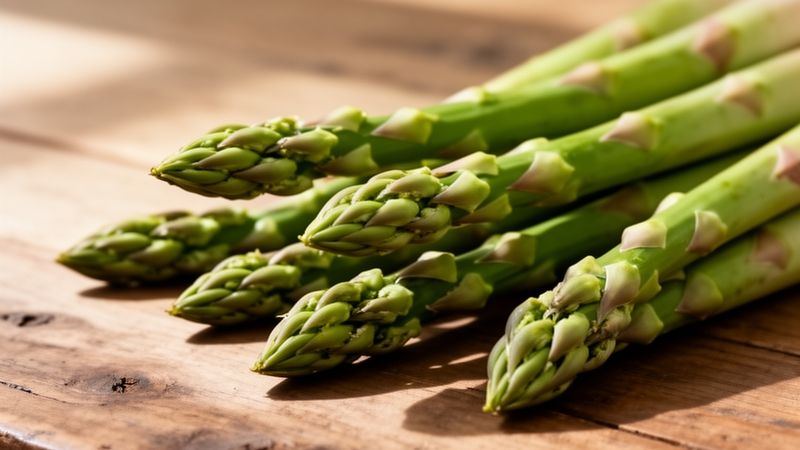
As spring unfurls its vibrant colors and crisp air, few vegetables signal the season’s arrival quite like asparagus. With its tender spears and earthy sweetness, asparagus isn’t just a culinary delight—it’s a nutritional powerhouse that deserves a spot on your plate. But how do you make the most of this seasonal gem without falling into the trap of heavy, calorie-laden preparations? This guide dives deep into three light, flavorful, and nutrient-packed asparagus recipes that celebrate the vegetable’s natural goodness while keeping your meals balanced and satisfying. Whether you’re looking for a quick snack, a meal-prep-friendly lunch, or a side dish that steals the show, these recipes will help you embrace spring’s bounty without compromising on health or flavor
For those curious about how dietary choices impact energy levels, our guide on Energy-Boosting Foods: The Ultimate Guide to Fight Fatigue Naturally explores how nutrients like folate and vitamin K—both abundant in asparagus—play a role in maintaining vitality throughout the day
What Makes Asparagus a Spring Superfood?
Asparagus (Asparagus officinalis) has been cultivated for over 2,000 years, revered not only for its delicate flavor but also for its medicinal properties. Ancient Greeks and Romans prized it as an aphrodisiac and a remedy for toothaches, while traditional Chinese medicine used it to support kidney and urinary health. Today, science confirms what these cultures intuited: asparagus is a nutritional heavyweight
The vegetable thrives in cool, temperate climates and is harvested in early spring, typically from March to June in the Northern Hemisphere. Its spears grow rapidly—sometimes up to 7 inches in a single day—requiring careful hand-harvesting to ensure tenderness. The most common varieties in U.S. markets are green asparagus, though white (blanched) and purple (anthocyanin-rich) varieties are also available, particularly in gourmet or specialty stores like Trader Joe’s or Whole Foods
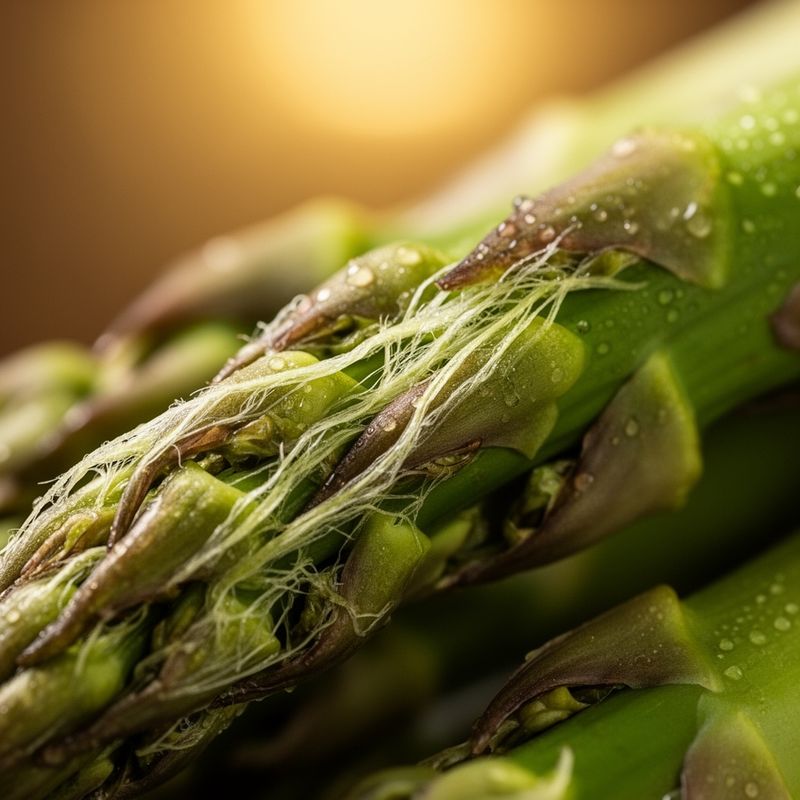
Asparagus is remarkably low in calories but dense in essential nutrients. According to the USDA, a half-cup (90g) serving of cooked asparagus provides
- 20 calories
- 2.2g protein (unusually high for a vegetable)
- 3.7g carbohydrates (including 1.8g fiber and 1.2g natural sugars)
- 0.2g fat
- Vitamin K 52% of the Daily Value (DV) for blood clotting and bone health
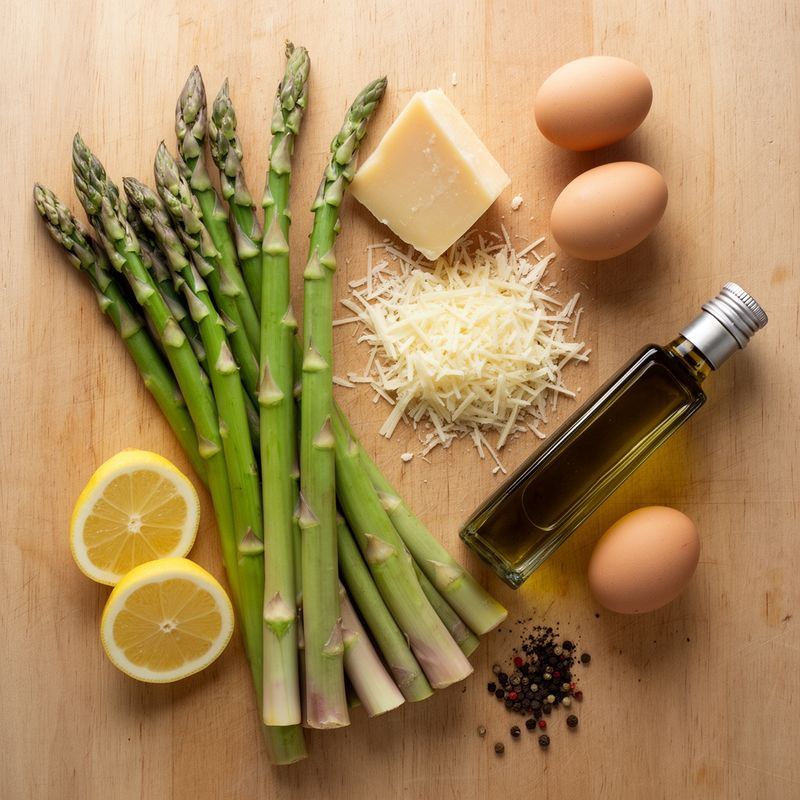
- Folate 34% DV for DNA synthesis and pregnancy health
- Vitamin A 18% DV for immune function and vision
- Vitamin C 12% DV for collagen production and antioxidant protection
- Vitamin E 9% DV for skin health and cellular repair
- Zinc 7% DV for immune support and wound healing
Beyond these, asparagus contains unique compounds like asparagine an amino acid that supports nervous system function, and glutathione a potent antioxidant linked to reduced inflammation and lower cancer risk. Its high fiber content promotes digestive regularity, while its prebiotic properties feed beneficial gut bacteria—making it a functional food for microbiome health. For a deeper dive into how fiber influences gut health, check out our article on Low Glycemic Diet: 5 Practical Tips to Stabilize Blood Sugar which explains how fiber-rich foods like asparagus can help maintain steady energy levels
Detailed Nutritional Comparison: Asparagus vs. Other Spring Vegetables
To appreciate asparagus’s nutritional profile, it’s helpful to compare it to other popular spring vegetables. The table below contrasts a half-cup (90g) serving of cooked asparagus with equivalent servings of broccoli, spinach, and peas—all common spring produce options
| Nutrient (per ½ cup cooked) | Asparagus (90g) | Broccoli (90g) | Spinach (90g) | Peas (80g) |
|---|---|---|---|---|
| Calories | 20 | 27 | 21 | 62 |
| Protein (g) | 2.2 | 1.9 | 2.7 | 4.1 |
| Carbohydrates (g) | 3.7 | 5.6 | 3.4 | 11.3 |
| Fiber (g) | 1.8 | 2.6 | 2.2 | 3.6 |
| Sugars (g) | 1.2 | 1.5 | 0.4 | 4.0 |
| Fat (g) | 0.2 | 0.3 | 0.2 | 0.2 |
| Vitamin K (mcg) | 45.5 (52% DV) | 110 (122% DV) | 494 (549% DV) | 13 (14% DV) |
| Folate (mcg) | 134 (34% DV) | 84 (21% DV) | 131 (33% DV) | 47 (12% DV) |
| Vitamin A (IU) | 905 (18% DV) | 1,207 (24% DV) | 14,581 (292% DV) | 547 (11% DV) |
| Vitamin C (mg) | 6.9 (12% DV) | 58.2 (97% DV) | 9.4 (16% DV) | 11.7 (20% DV) |
| Iron (mg) | 1.3 (7% DV) | 0.7 (4% DV) | 3.2 (18% DV) | 1.2 (7% DV) |
| Zinc (mg) | 0.6 (6% DV) | 0.4 (4% DV) | 0.5 (5% DV) | 0.6 (6% DV) |
Key Takeaways
- Asparagus leads in folate a critical nutrient for pregnant women and cellular repair. It provides 34% DV nearly double that of broccoli or peas
- Spinach dominates in vitamin K and vitamin A making it a better choice for bone health and vision. However, its high oxalate content may be a concern for those prone to kidney stones
- Peas are significantly higher in calories and carbohydrates with 62 calories per half-cup compared to asparagus’s 20. They’re also the only option with a notable sugar content (4g), though these are natural sugars
- Asparagus and broccoli tie for the lowest sugar content making them ideal for low-glycemic diets. Broccoli, however, wins in vitamin C, offering 97% DV—nearly 10 times that of asparagus
This comparison highlights why asparagus is a standout choice for those seeking a low-calorie, high-nutrient vegetable with a unique micronutrient profile. Its balance of folate, vitamin K, and antioxidants makes it particularly valuable for heart health, immune function, and reducing oxidative stress
Ingredients and Quality Analysis: What to Look for When Buying Asparagus
Not all asparagus is created equal. The quality of the spears can vary based on freshness, origin, and farming practices. Here’s how to select the best asparagus and what to avoid
How to Choose Fresh Asparagus
- Appearance Look for firm, straight spears with tightly closed, compact tips. Avoid wilted, limp, or dried-out stalks, which indicate age or improper storage
- Color Bright green is standard, but purple or white varieties should also be vibrant. Yellowing or browning at the tips suggests oxidation and spoilage
- Stem Texture The cut end should be moist and slightly sticky, not dry or woody. If the stems are thick, peel the lower third to remove tough fibers
- Size Thinner spears tend to be more tender, while thicker ones have a meatier texture. Neither is objectively better—it’s a matter of preference
- Origin U.S.-grown asparagus is typically available from March to June, with California, Michigan, and Washington being major producers. Imported asparagus (often from Mexico or Peru) may be available year-round but may lack the same freshness and flavor
Conventional vs. Organic: Does It Matter?
Asparagus is on the Environmental Working Group’s (EWG) "Clean Fifteen" list meaning it’s one of the least pesticide-contaminated vegetables. However, organic asparagus may still be worth considering for these reasons
- Reduced Synthetic Inputs Organic farming avoids synthetic fertilizers and pesticides, which can benefit soil health and reduce chemical residues
- Flavor Some chefs and home cooks report that organic asparagus has a sweeter, more complex flavor, though this is subjective
- Environmental Impact Organic farming practices often prioritize sustainability, such as crop rotation and reduced water usage
That said, if budget is a concern, conventional asparagus is a safe and nutritious choice especially when washed thoroughly under running water
Prepping Asparagus: A Quick Guide
- Trimming Hold a spear at both ends and bend it gently—it will snap at the natural breaking point, separating the tender upper portion from the woody base. Discard the base or save it for homemade vegetable broth
- Peeling For thicker spears, use a vegetable peeler to remove the tough outer layer from the lower third of the stalk. This step is optional but improves texture
- Cooking Methods Asparagus is versatile and can be
- Steamed (3-5 minutes for tender-crisp texture)
- Roasted (20-25 minutes at 400°F/200°C for caramelized flavor)
- Grilled (5-7 minutes for smoky char)
- Blanched (1-2 minutes in boiling water, then ice bath for salads)
- Sautéed (3-5 minutes in olive oil or butter)
Benefits and Potential Downsides of Eating Asparagus
Asparagus is a functional food with a range of science-backed benefits, but it’s not without its quirks. Here’s a balanced look at its pros and cons
Health Benefits
Supports Digestive Health
- Asparagus is high in fiber (1.8g per half-cup) which promotes regularity and feeds beneficial gut bacteria. Its prebiotic inulin content stimulates the growth of Bifidobacteria and Lactobacilli two probiotic strains linked to improved digestion and reduced inflammation
- A 2016 study in the Journal of Food Science found that asparagus extract increased the production of short-chain fatty acids (SCFAs) like butyrate, which nourish colon cells and reduce the risk of colorectal cancer
Promotes Heart Health
- Asparagus is naturally low in sodium and high in potassium a mineral that helps regulate blood pressure. A half-cup serving provides 202mg of potassium (6% DV)
- Its folate content (34% DV) is linked to lower homocysteine levels, a marker of heart disease risk. A 2018 meta-analysis in Nutrients concluded that folate-rich diets were associated with a 10% reduction in stroke risk and a 4% reduction in overall cardiovascular disease risk
- The vegetable also contains rutin a flavonoid that strengthens blood vessels and reduces plaque buildup
Aids in Blood Sugar Regulation
- With only 1.2g of natural sugars per serving asparagus is an excellent choice for those managing blood sugar levels. Its glycemic index (GI) is estimated at 15 making it a low-GI food
- A 2012 study in Diabetes Care found that asparagus extract improved insulin secretion and reduced blood sugar spikes in individuals with prediabetes
Rich in Antioxidants
- Asparagus contains glutathione one of the body’s most powerful antioxidants. Glutathione neutralizes free radicals, reducing oxidative stress and lowering the risk of chronic diseases like cancer and Alzheimer’s
- It’s also a source of vitamin E, vitamin C, and beta-carotene which work synergistically to protect cells from damage
Supports Brain Health
- The folate in asparagus plays a role in neurotransmitter production, including serotonin and dopamine, which regulate mood and cognitive function
- A 2017 study in The American Journal of Clinical Nutrition linked folate deficiency to an increased risk of depression and cognitive decline in older adults
Potential Downsides
Digestive Discomfort
- Asparagus contains raffinose a complex sugar that can cause gas and bloating in some individuals, particularly those with sensitive digestive systems. Soaking or cooking asparagus can help break down raffinose and reduce these effects
- Its high fiber content may also lead to loose stools if consumed in excess, especially for those not accustomed to fiber-rich diets
Strong Odor in Urine
- After eating asparagus, some people notice a distinct, sulfur-like odor in their urine. This is due to asparagusic acid a compound metabolized into sulfur-containing byproducts. While harmless, it can be off-putting
- Interestingly, not everyone can detect this odor—genetics play a role in whether you’ll notice it
Oxalate Content
- Asparagus contains moderate levels of oxalates (130mg per half-cup) which can contribute to kidney stone formation in susceptible individuals. Those with a history of calcium oxalate stones may need to moderate their intake
Allergies
- Though rare, asparagus allergies can occur, particularly in individuals sensitive to other members of the Asparagaceae family (e.g., onions, garlic, chives). Symptoms may include itching, swelling, or digestive upset
Which Recipe Should You Choose? A Practical Guide
The three recipes below cater to different dietary needs, occasions, and skill levels. Here’s how to decide which one is right for you
| Recipe | Best For | Skill Level | Prep Time | Meal Type | Dietary Notes |
|---|---|---|---|---|---|
| Shaved Asparagus & Prosciutto Salad | Quick lunch, entertaining | Easy | 10 mins | Light meal, snack | Gluten-free, low-carb |
| Spring Quinoa Salad | Meal prep, packed lunches | Medium | 25 mins | Main dish | Vegan, high-protein, gluten-free |
| Roasted Parmesan Asparagus | Side dish, weeknight dinners | Easy | 25 mins | Side | Vegetarian, low-carb |
Who Should Choose Each Recipe?
Shaved Asparagus & Prosciutto Salad
- Ideal for Those seeking a low-effort, elegant dish with minimal cooking. Perfect for spring brunches, picnics, or as a light lunch
- Dietary fit Low-carb, keto-friendly, and gluten-free. The prosciutto adds a savory, umami punch, while the lemon dressing keeps it fresh and bright
- Avoid if You’re vegetarian, vegan, or avoiding processed meats. The prosciutto is high in sodium (about 300mg per ounce)
Spring Quinoa Salad
- Ideal for Meal preppers, vegetarians, and active individuals who need a balanced, protein-rich meal. The quinoa and pistachios provide sustained energy, while the roasted asparagus and radishes add crunch and fiber
- Dietary fit Naturally gluten-free, vegan, and high in plant-based protein (about 8g per serving). The lemon dressing is oil-based, making it suitable for those monitoring their sugar intake
- Avoid if You’re on a strict low-carb diet (quinoa contains 20g net carbs per half-cup). The salad is also higher in calories than the other options (~300 calories per serving)
Roasted Parmesan Asparagus
- Ideal for Busy weeknights when you need a simple, crowd-pleasing side dish. The parmesan adds a salty, nutty flavor that pairs well with grilled chicken, fish, or steak
- Dietary fit Low-carb, vegetarian, and rich in vitamin K (from both asparagus and parmesan). The olive oil spray keeps it light while adding healthy fats
- Avoid if You’re lactose intolerant (parmesan is low in lactose but not dairy-free), vegan, or watching your sodium intake (parmesan contains~200mg per tablespoon)
Customization Tips
- For weight loss Opt for the Shaved Asparagus Salad or Roasted Parmesan Asparagus—both are under 100 calories per serving if you skip or reduce the prosciutto/cheese
- For athletes or muscle recovery The Spring Quinoa Salad is your best bet, thanks to its high protein and complex carbs for glycogen replenishment
- For kids Roasted Parmesan Asparagus is the most approachable. The cheesy flavor and crispy texture make it a hit with picky eaters. For a fun twist, cut the spears into bite-sized pieces and call them "asparagus fries."
- For gut health All three recipes are fiber-rich, but the Spring Quinoa Salad takes the lead with 7g fiber per serving (from quinoa, asparagus, and pistachios)
Recipes and Pairing Suggestions
Now, let’s dive into the recipes—each designed to highlight asparagus’s versatility while keeping ingredients accessible and preparation straightforward
Shaved Asparagus and Prosciutto Salad
Inspired by The Domestic Dietitian’s Instagram find, this salad is a masterclass in balancing textures and flavors. The shaved asparagus remains crisp, while the prosciutto adds a salty contrast, and the lemon dressing ties it all together
Ingredients (Serves 2)
- 1 bunch asparagus (about 1 lb / 450g), woody ends trimmed
- 2 oz (60g) prosciutto, thinly sliced
- ¼ cup (25g) shaved Parmesan cheese (optional, omit for dairy-free)
- 2 tbsp extra-virgin olive oil
- 1 tbsp fresh lemon juice
- ½ tsp Dijon mustard
- ¼ tsp honey or maple syrup (optional, for balance)
- Salt and freshly ground black pepper to taste
- ¼ cup (10g) fresh basil or mint, torn (for garnish)
Instructions
- Using a vegetable peeler shave the asparagus spears lengthwise into thin ribbons, stopping when you reach the woody part. Rotate the spear and continue until you’ve used most of the stalk. Discard the tough center or save for broth
- Arrange the prosciutto slices on a plate and microwave for 15-20 seconds to crisp slightly (alternatively, pan-fry for 1-2 minutes until crisp). Let cool, then tear into bite-sized pieces
- In a small bowl, whisk together the olive oil, lemon juice, Dijon mustard, honey (if using), salt, and pepper
- In a large bowl, combine the shaved asparagus, prosciutto, and Parmesan (if using). Drizzle with the dressing and toss gently to coat
- Divide between plates, garnish with fresh herbs, and serve immediately
Nutritional Breakdown (per serving, with Parmesan)
| Nutrient | Amount |
|---|---|
| Calories | 180 |
| Protein | 10g |
| Carbohydrates | 6g |
| Fiber | 3g |
| Sugars | 2g |
| Fat | 13g |
| Saturated Fat | 3.5g |
| Sodium | 720mg |
| Vitamin K | 75% DV |
| Folate | 30% DV |
Pairing Suggestions
- Proteins Grilled shrimp, seared scallops, or poached eggs for a brunch twist
- Carbs Serve with a slice of whole-grain sourdough or Trader Joe’s Everything But the Bagel Seasoned Croutons (40 calories per ¼ cup) for added crunch
- Wine A crisp Sauvignon Blanc or Pinot Grigio complements the lemon and prosciutto
Spring Quinoa Salad
This recipe, adapted from Eating Bird Food, is a meal-prep dream—packed with protein, fiber, and vibrant spring flavors. It keeps well in the fridge for up to 4 days, making it perfect for lunches on the go
Ingredients (Serves 4)
- 1 lb (450g) asparagus, woody ends trimmed, cut into 1-inch pieces
- 6 radishes, thinly sliced
- 1 cup (185g) quinoa, rinsed
- 2 cups (480ml) water or vegetable broth
- ¼ cup (15g) fresh parsley, chopped
- ¼ cup (30g) shelled pistachios, roughly chopped
- 2 tbsp extra-virgin olive oil (divided)
- 1 tbsp fresh lemon juice
- 1 tsp lemon zest
- ½ tsp salt
- ¼ tsp black pepper
- 1 clove garlic, minced (optional)
Instructions
- Preheat the oven to 400°F (200°C) Toss the asparagus and radishes with 1 tbsp olive oil salt, and pepper. Spread on a baking sheet and roast for 15-20 minutes stirring halfway, until tender and slightly charred
- While the vegetables roast, combine the quinoa and water (or broth) in a medium saucepan. Bring to a boil, then reduce heat to low, cover, and simmer for 15 minutes Remove from heat and let sit, covered, for 5 minutes. Fluff with a fork
- In a small bowl, whisk together the remaining 1 tbsp olive oil lemon juice, lemon zest, garlic (if using), salt, and pepper
- In a large bowl, combine the cooked quinoa, roasted vegetables, parsley, and pistachios. Drizzle with the dressing and toss gently
- Serve warm or chilled. Store leftovers in an airtight container in the fridge for up to 4 days
Nutritional Breakdown (per serving)
| Nutrient | Amount |
|---|---|
| Calories | 300 |
| Protein | 8g |
| Carbohydrates | 38g |
| Fiber | 7g |
| Sugars | 4g |
| Fat | 13g |
| Saturated Fat | 1.5g |
| Sodium | 300mg |
| Vitamin K | 60% DV |
| Folate | 25% DV |
| Iron | 20% DV |
Pairing Suggestions
- Proteins Add grilled chicken (3 oz = 140 calories) or chickpeas (½ cup = 135 calories) for extra protein
- Dairy Top with crumbled feta (1 oz = 80 calories) or avocado (¼ avocado = 60 calories) for creaminess
- Grains Swap quinoa for farro (same volume = 230 calories) for a chewier texture, or cauliflower rice (1 cup = 25 calories) for a low-carb option
Roasted Parmesan Asparagus
Adapted from Mather Hospital’s recipe, this dish is foolproof, quick, and packed with umami. The parmesan crisps up beautifully, while the olive oil spray keeps it light
Ingredients (Serves 6)
- 1.5–2 lbs (700–900g) asparagus, woody ends trimmed
- Olive oil spray (or 1 tbsp olive oil)
- ¼ cup (25g) grated Parmesan cheese
- Salt and freshly ground black pepper to taste
- ½ tsp garlic powder (optional)
- ½ tsp lemon zest (optional)
Instructions
- Preheat the oven to 425°F (220°C) Line a baking sheet with parchment paper
- Arrange the asparagus spears in a single layer on the baking sheet. Spray lightly with olive oil (or drizzle with 1 tbsp oil) and toss to coat evenly
- Sprinkle with Parmesan, salt, pepper, garlic powder, and lemon zest (if using). Toss again to distribute the seasonings
- Roast for 12-15 minutes for thin spears or 18-20 minutes for thick spears, until the asparagus is tender and the Parmesan is golden and crispy
- Serve immediately, garnished with extra lemon zest or a squeeze of fresh lemon juice if desired
Nutritional Breakdown (per serving, with 1 tbsp olive oil)
| Nutrient | Amount |
|---|---|
| Calories | 60 |
| Protein | 4g |
| Carbohydrates | 5g |
| Fiber | 2.5g |
| Sugars | 2g |
| Fat | 3.5g |
| Saturated Fat | 1.5g |
| Sodium | 180mg |
| Vitamin K | 65% DV |
| Folate | 35% DV |
Pairing Suggestions
- Proteins Serve with lemon-herb baked salmon (4 oz = 240 calories) or grilled sirloin steak (3 oz = 180 calories)
- Carbs Pair with roasted sweet potatoes (½ cup = 90 calories) or whole-wheat couscous (½ cup cooked = 88 calories)
- Sauces Drizzle with homemade sugar-free ketchup (see our recipe Homemade Sugar-Free Ketchup: Summer Recipes) or tahini-lemon sauce (2 tbsp = 90 calories)
Final Verdict: Which Recipe Wins?
Each of these recipes shines in its own way, but the "best" choice depends on your goals and lifestyle
- For a quick, low-calorie meal The Shaved Asparagus and Prosciutto Salad is unbeatable. At just 180 calories per serving it’s light yet satisfying, with a perfect balance of protein, fiber, and healthy fats. The prosciutto adds flavor without overwhelming the dish, and the shaved asparagus technique ensures a delicate texture
- For meal prep and plant-based eating The Spring Quinoa Salad is the clear winner. Its 8g of protein and 7g of fiber per serving make it a complete meal, while the pistachios and radishes add crunch and color. It’s also the most versatile—easy to customize with your favorite proteins or grains
- For a foolproof side dish The Roasted Parmesan Asparagus is a classic for a reason. It’s simple, flavorful, and pairs well with almost any main course The Parmesan elevates the dish without adding excess calories, making it a guilt-free indulgence
Pro Tip If you’re new to asparagus, start with the roasted version—it’s the most approachable and lets the vegetable’s natural sweetness shine. As you become more comfortable, experiment with the shaved salad for a restaurant-worthy dish or the quinoa salad for a nutrient-dense meal
Regardless of which recipe you choose, incorporating asparagus into your spring menu is a delicious way to boost your intake of folate, vitamin K, and antioxidants while keeping meals light and flavorful. Pair these dishes with other seasonal produce like peas, radishes, or fresh herbs to create a vibrant, nutrient-rich plate that celebrates the best of the season
🔍 Want to know exactly what's in a product before you buy it? With you scan the label in seconds and get a full breakdown of ingredients, additives and nutritional values — in plain language, no expertise required
Sources and Further Reading
- Spring Asparagus Recipe Ideas - The Domestic Dietitian
- Healthy Asparagus Recipes for Spring - Eating Bird Food
- Delicious asparagus recipes for Spring - Mather Hospital
- Roasted Asparagus | Easy Vegetable Side Dish - Skinnytaste
- Asparagus Nutrition Facts and Health Benefits - Verywell Fit
🔍 FoodReveal helps you decode nutrition labels beyond marketing. Available for Android and iOS.
Leave a review