
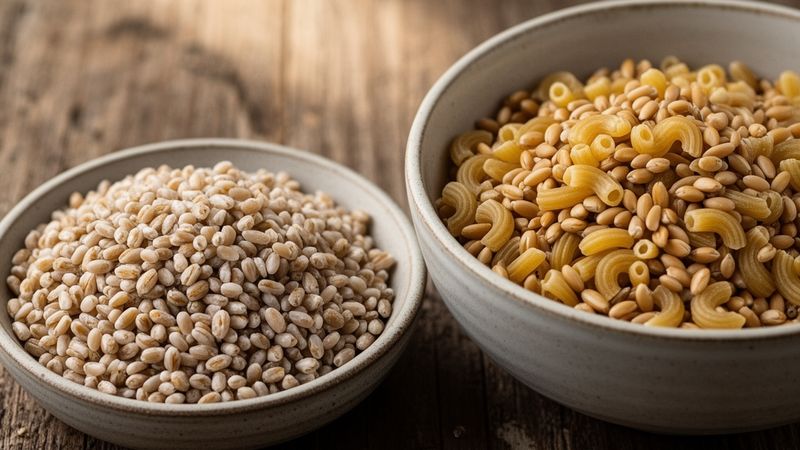
Spelt and Kamut are two ancient grains that have gained popularity for their perceived health benefits compared to modern wheat. But which one truly deserves a spot in your diet? This article delves into the nutritional profiles, historical contexts, and practical applications of these grains to help you make an informed decision
What Is Spelt and What Is Kamut?
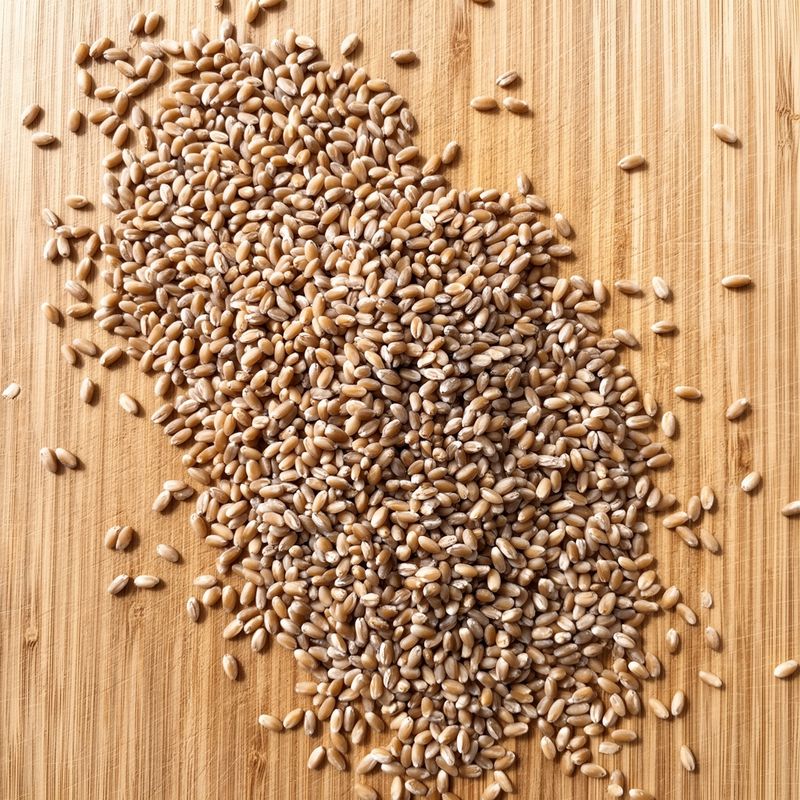
Spelt (Triticum spelta) is an heirloom wheat variety that originated in the Fertile Crescent over 10,000 years ago. It was widely cultivated in Europe during the Middle Ages but fell out of favor with the rise of modern wheat due to lower yields and more labor-intensive harvesting. Spelt is known for its hardy outer husk, which requires threshing to remove, and its nutty, slightly sweet flavor. Unlike modern wheat, spelt contains larger protein and nutrient stores, making it a staple in health food communities. It is often used in bread, pasta, and porridge
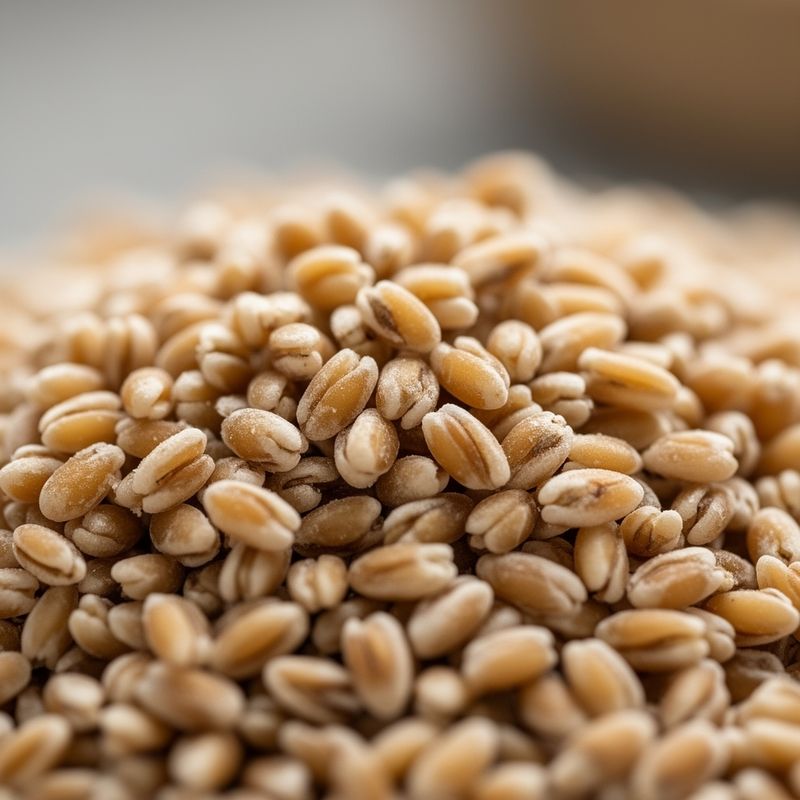
Kamut (Triticum turgidum subspecies turanicum) or KAMUT® wheat, is a trademarked name for an ancient grain believed to have been cultivated in Egypt and the Middle East over 4,000 years ago. The name “Kamut” is derived from the ancient Egyptian word for wheat. This grain gained modern attention in the 1940s when U.S. soldiers brought samples back from Iran. Kamut is notable for its large, amber-colored kernels and buttery, sweet flavor. It is higher in protein and certain nutrients compared to modern wheat and is often used in salads, soups, and as a whole grain
Both grains are celebrated for their resilience to pests and diseases, which reduces the need for chemical pesticides. However, their differences in taste, texture, and nutritional content set them apart
Detailed Nutritional Comparison
The nutritional profiles of spelt and Kamut reveal key distinctions that may influence their health impacts. Below is a comparative analysis based on 100g of raw grain (data extrapolated from sources [2] and [4])
| Nutrient | Spelt (100g) | Kamut (100g) | Modern Wheat (100g) |
|---|---|---|---|
| Calories | 339 kcal | 340 kcal | 340 kcal |
| Protein | 14.5 g | 16.5 g | 12.5 g |
| Carbohydrates | 66 g | 65 g | 67 g |
| Dietary Fiber | 10.6 g | 11.2 g | 2.5 g |
| Sugar | 2 g | 1.5 g | 1 g |
| Fat | 2.8 g | 3.1 g | 1.2 g |
| Saturated Fat | 0.4 g | 0.5 g | 0.2 g |
| Omega-6 Fatty Acids | 1.2 g | 1.5 g | 0.8 g |
| Iron | 4.8 mg | 5.2 mg | 2.7 mg |
| Magnesium | 76 mg | 83 mg | 43 mg |
| Zinc | 2.3 mg | 2.7 mg | 1.8 mg |
| Selenium | 55 mcg | 60 mcg | 15 mcg |
| B Vitamins | 0.3 mg (B1) | 0.35 mg (B1) | 0.2 mg (B1) |
Kamut edges out spelt in protein, magnesium, and selenium content, while spelt has slightly more fiber. Both grains outperform modern wheat in nearly every nutrient category, aligning with their reputation as healthier alternatives. However, source [1] cautions that some studies on Kamut may be funded by industry groups, potentially biasing results
Ingredients and Quality Analysis
When selecting products made from spelt or Kamut, ingredient labels and sourcing matter. For spelt
- Look for Whole spelt flour (not refined), organic certifications, and minimal additives
- Avoid Products with added sugars or preservatives
- Brands Try King Arthur Flour or Bob’s Red Mill for high-quality spelt flour
For Kamut
- Look for KAMUT® trademarked products, which ensure the grain is grown without synthetic pesticides
- Avoid Products labeled “Kamut-style” or “imitation,” which may not meet quality standards
- Brands Barilla KAMUT® pasta or Arrowhead Mills whole grain Kamut
Quality also depends on preparation. Both grains should be rinsed thoroughly before cooking to remove debris. Spelt’s softer texture makes it ideal for bread, while Kamut’s firmness suits salads or pilafs
Benefits and Potential Downsides
Spelt Benefits
- Higher fiber content supports digestive health
- Easier to digest for some individuals with mild wheat sensitivities (though not gluten-free)
- Rich in antioxidants like phytic acid, which may reduce oxidative stress
Spelt Downsides
- Contains gluten, so unsuitable for those with celiac disease or gluten intolerance
- Less available in pre-packaged products compared to Kamut
Kamut Benefits
- Studies suggest it may lower LDL cholesterol and reduce inflammation (source [4])
- Higher levels of B vitamins and minerals like magnesium, which support heart health
- Buttery flavor enhances dishes without added fats
Kamut Downsides
- Potential bias in research due to industry funding (source [1])
- Larger kernels may be harder to chew for some individuals
- Slightly more expensive than spelt
Which Should You Choose: A Practical Guide
- Athletes Kamut’s higher protein and magnesium make it ideal for muscle recovery
- Children Spelt’s milder flavor is better for picky eaters
- Elderly Kamut’s anti-inflammatory properties may support joint health
- Gluten-Sensitive Neither grain is gluten-free, but spelt may be better tolerated in small amounts
For more on gluten sensitivity, see our article Barilla whole wheat vs regular: which is healthier?
Recipes and Pairing Suggestions
Spelt Bread Recipe
- Combine 2 cups whole spelt flour, 1 packet yeast, 1 tsp salt, and 1.5 cups warm water
- Knead, let rise, bake at 375°F (190°C) for 30 minutes
Kamut Salad Bowl
Cook 1 cup Kamut kernels, mix with roasted veggies, feta, and olive oil
Pair spelt with hearty soups or use Kamut in place of quinoa for a nutty twist. For recipe inspiration, check out Energy-Boosting Foods: The Ultimate Guide to Fight Fatigue Naturally
Final Verdict
Both spelt and Kamut are nutritious, but Kamut’s superior mineral content and potential heart health benefits give it a slight edge. However, spelt’s digestibility and versatility make it a strong contender. For a balanced approach, rotate both grains into your diet to maximize nutrient intake. As with any food, moderation and individual tolerance are key
'The best grain is the one that aligns with your health goals and culinary preferences,' says Dr. Sarah Mitchell, a registered dietitian
For deeper insights into personalized nutrition, explore Luminatens: Decode Your Microbiome & Optimize Diet
Sources and Further Reading
- Health Studies: KAMUT® Wheat vs. Modern Wheat
- Ancient Wheats—A Nutritional and Sensory Analysis Review - PMC
- [PDF] Health benefits of ancient grains. Comparison among bread made
- Healthy Ancient Grains - Healthline
- Ancient Grains and Their Benefits | Brown University Health
🔍 FoodReveal helps you decode nutrition labels beyond marketing. Available for Android and iOS.
Leave a review