
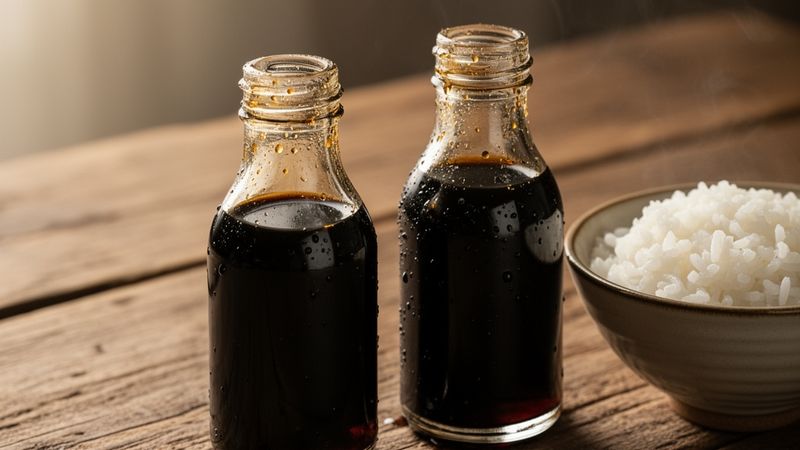
If you’ve ever stood in the condiment aisle staring at bottles of soy sauce and tamari, wondering which one belongs in your pantry, you’re not alone. These two fermented soy-based sauces are staples in kitchens worldwide, yet their differences remain surprisingly misunderstood. While both pack a savory umami punch, the devil is in the details—from gluten content to nutritional nuances that can impact everything from digestion to heart health. So, which one should you reach for? The answer isn’t as simple as taste alone. Let’s break down the science, ingredients, and practical uses to help you make an informed choice
What Is Soy Sauce and What Is Tamari?
Origins and Production
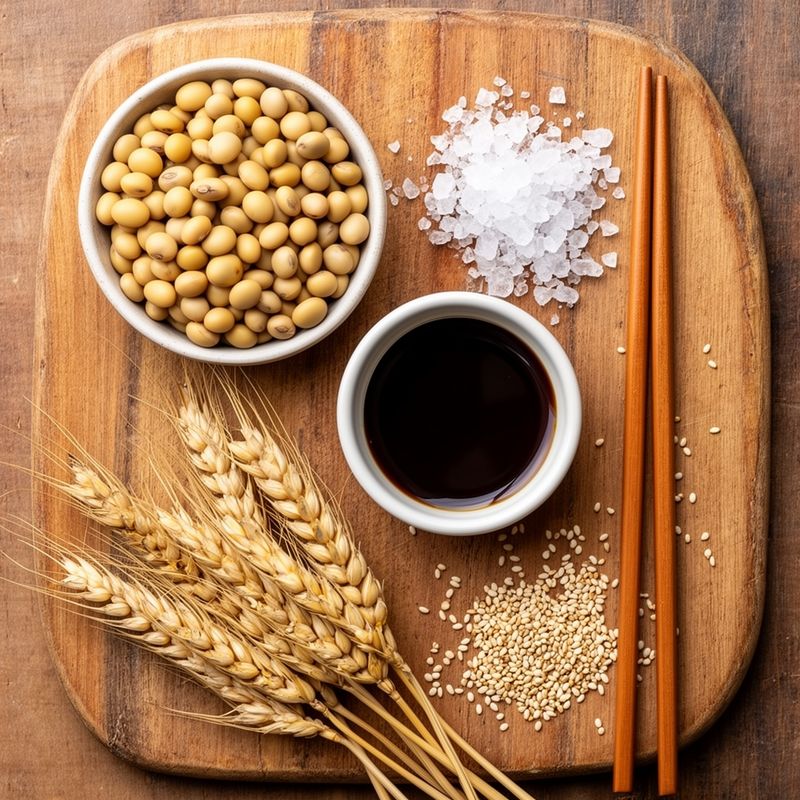
Soy sauce, a cornerstone of East Asian cuisine, traces its roots back over 2,500 years to China. Traditionally, it’s made by fermenting a mixture of soybeans, wheat, salt, and water, often with the addition of mold cultures like Aspergillus oryzae This fermentation process can take months, resulting in a complex flavor profile that balances saltiness, sweetness, and umami. In contrast, Japanese tamari emerged as a byproduct of miso fermentation. Unlike soy sauce, tamari is typically made with little to no wheat, relying primarily on soybeans, salt, and water. This gives it a richer, smoother taste and a thicker consistency
Key Differences in Ingredients
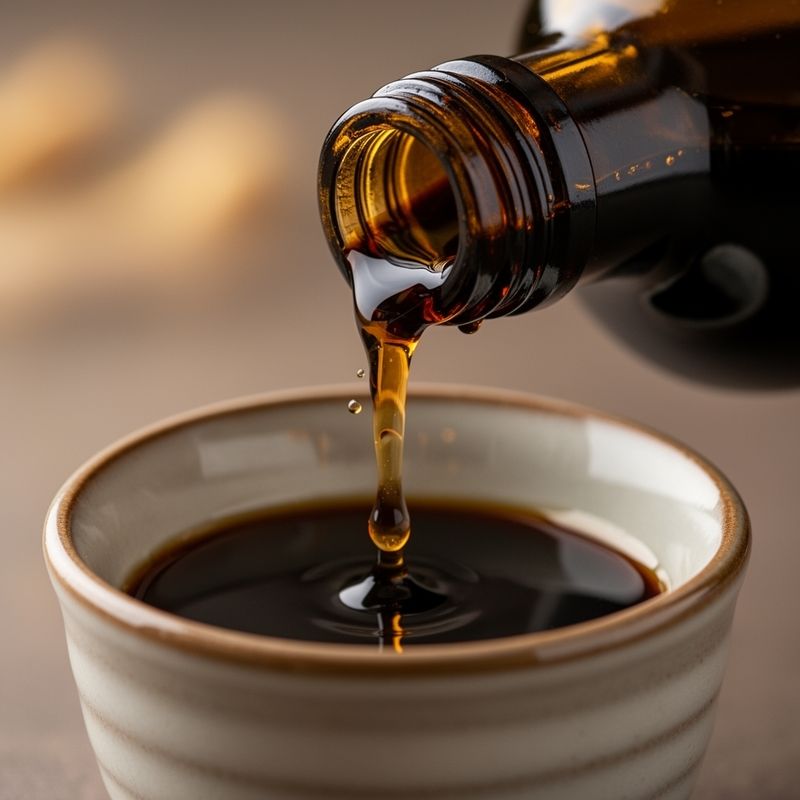
The most critical distinction between soy sauce and tamari lies in their wheat content. Traditional soy sauce contains a significant amount of wheat—sometimes up to 50% of its total ingredients—making it unsuitable for those with gluten sensitivities or celiac disease. Tamari, on the other hand, is often naturally gluten-free, though it’s essential to check labels, as some brands may add trace amounts of wheat for flavor or consistency. Another notable difference is the fermentation process: soy sauce often undergoes a quicker, more industrial fermentation, while tamari’s slower fermentation contributes to its deeper flavor and darker color
Cultural and Culinary Roles
In culinary traditions, soy sauce is a versatile all-purpose condiment used in everything from marinades to stir-fries, thanks to its balanced flavor. Tamari, however, is often reserved for dishes where its robust, less salty profile can shine—think sushi dipping sauces, braised meats, or even as a gluten-free alternative in recipes calling for soy sauce. Its richer taste also makes it a favorite among chefs for finishing dishes, where a lighter soy sauce might get lost
Detailed Nutritional Comparison
When comparing soy sauce and tamari, nutritional differences extend beyond gluten content. While both sauces are low in calories and carbohydrates, their micronutrient profiles vary due to differences in fermentation and ingredients. Below is a detailed comparison based on standard serving sizes (1 tablespoon or 15ml). Note that exact values can vary by brand, so always check labels for the most accurate information
| Nutrient (per 1 tbsp/15ml) | Soy Sauce (typical) | Tamari (typical) | Key Notes |
|---|---|---|---|
| Calories | 8-10 kcal | 10-12 kcal | Tamari is slightly higher due to its richer soybean content. |
| Total Fat | 0g | 0g | Neither sauce contains fat. |
| Sodium | 800-900mg | 900-1000mg | Tamari tends to be saltier; opt for low-sodium versions if necessary. |
| Carbohydrates | 1g | 1-2g | Soy sauce’s carbs come from wheat; tamari’s from soybeans. |
| Protein | 1g | 1-2g | Tamari may have slightly more protein due to higher soybean content. |
| Gluten | Contains wheat (varies) | Usually gluten-free | Always verify labels; some tamari brands may contain trace wheat. |
| Isoflavones | Lower (due to wheat) | Higher (due to soy) | Isoflavones, found in soy, are linked to potential health benefits. |
| Additives/Preservatives | Often contains caramel | Fewer additives | Some soy sauces include preservatives like sodium benzoate; tamari rarely does. |
Sodium Content: A Critical Factor
Both sauces are high in sodium, but tamari typically contains slightly more per serving. For individuals monitoring their sodium intake—such as those with hypertension or kidney concerns—this difference can be significant. For example, a single tablespoon of tamari can provide nearly 50% of the recommended daily sodium limit for some individuals. Low-sodium versions of both sauces are available, though they may sacrifice some flavor complexity
Isoflavones: The Soy Advantage
One of the most intriguing nutritional differences lies in isoflavones, a class of phytoestrogens found in soybeans. According to research cited in [1], soy has the highest isoflavone content among dietary sources, with potential benefits for cardiovascular health, bone density, and even certain cancers. Because tamari is made almost entirely from soybeans, it retains more of these compounds compared to soy sauce, which is diluted by wheat. However, the clinical significance of isoflavones in condiments like tamari is still debated, as the amounts consumed in a typical serving are relatively small
Additives and Preservatives
Soy sauce often contains additives like caramel color (for appearance) and preservatives such as sodium benzoate. Tamari, especially artisanal or organic versions, tends to be simpler, with fewer added ingredients. This makes tamari a preferred choice for those seeking cleaner labels, though it’s worth noting that not all tamari brands are created equal—some may still include additives for shelf stability
Ingredients and Quality Analysis
Label Breakdown: What’s Really Inside?
Reading the ingredient list on a bottle of soy sauce or tamari can feel like deciphering a chemistry experiment. Here’s what to look for—and what to avoid
Soy Sauce Ingredients (Typical)
- Water The primary ingredient in most sauces
- Soybeans The base of the sauce
- Wheat Often listed as "wheat flour" or "wheat protein," this is the main gluten source
- Salt Typically sea salt or table salt
- Sugar or Corn Syrup Added for fermentation or flavor balance
- Preservatives Common additives include sodium benzoate or potassium sorbate
- Caramel Color Used to achieve the signature dark brown hue
Tamari Ingredients (Typical)
- Water Again, the primary ingredient
- Soybeans Often the only main ingredient, especially in gluten-free versions
- Salt Similar to soy sauce
- Alcohol Sometimes added as a preservative
- Natural Flavors May be included in some brands for consistency
- Trace Wheat Some tamari brands include small amounts of wheat, so gluten-free labels should be verified
Quality Indicators
When choosing between soy sauce and tamari, consider the following quality markers
- Fermentation Time Traditional soy sauces and tamari are fermented for months, resulting in deeper flavors and fewer additives. Mass-produced versions may use accelerated fermentation, leading to a harsher taste
- Gluten-Free Certification For tamari, look for explicit gluten-free labeling, as even trace amounts of wheat can trigger reactions in sensitive individuals
- Additive-Free Opt for brands with minimal ingredients. Organic or artisanal versions often avoid preservatives and artificial colors
- Sodium Content Low-sodium versions are ideal for health-conscious consumers, though they may lack some flavor intensity
Brand Spotlight: US Market Favorites
For those shopping in the US, here are a few widely available brands and their key differences
- Kikkoman Soy Sauce A household name, but contains wheat and additives like sodium benzoate. Low-sodium versions are available
- San-J Tamari A popular gluten-free option with a rich, smooth flavor. Their organic version is free from additives
- Whole Foods 365 Tamari Affordable and gluten-free, with a simpler ingredient list than many soy sauces
- La Choy Soy Sauce Often found in grocery stores, but contains additives and is less flavorful than traditional options
Benefits and Potential Downsides
Health Benefits
Both soy sauce and tamari offer unique advantages, though the extent of their benefits depends on individual dietary needs and consumption habits
Soy Sauce Benefits
- Umami Flavor Without Calories Soy sauce enhances the taste of dishes without adding significant calories, making it a useful tool for flavorful, lower-calorie cooking
- Fermentation Benefits Like other fermented foods, soy sauce contains probiotics (in traditional versions), which may support gut health. However, the pasteurization process in most commercial soy sauces kills these beneficial bacteria
- Cultural Versatility Soy sauce is a staple in many cuisines, from Chinese stir-fries to Korean bibimbap, making it a convenient pantry item
Tamari Benefits
- Gluten-Free Option For those with celiac disease or gluten sensitivity, tamari is a safe and flavorful alternative to soy sauce
- Higher Isoflavone Content As noted in [1], soy-based foods like tamari contain isoflavones, which have been linked to potential health benefits, including reduced risk of heart disease and certain cancers. While the amounts in tamari are small, they contribute to overall dietary intake
- Cleaner Ingredient Profile Tamari often contains fewer additives and preservatives, making it a preferable choice for those prioritizing whole foods
- Rich Umami Flavor Tamari’s deeper, smoother taste makes it ideal for dishes where soy sauce might overpower, such as sushi or delicate sauces
Potential Downsides
Despite their benefits, both sauces come with considerations that may make them less ideal for certain individuals
Soy Sauce Downsides
- Gluten Content The presence of wheat makes soy sauce unsuitable for those with gluten-related disorders. Even trace amounts can cause reactions in sensitive individuals
- Sodium Overload With nearly 900mg of sodium per tablespoon, soy sauce can contribute significantly to daily sodium intake, which may be problematic for those with high blood pressure or kidney issues
- Additives Many commercial soy sauces contain preservatives and artificial colors, which some consumers prefer to avoid
Tamari Downsides
- Higher Sodium Tamari often contains even more sodium than soy sauce, which can be a concern for those monitoring their intake
- Cost Tamari is typically more expensive than soy sauce, especially gluten-free or organic versions
- Limited Availability While soy sauce is ubiquitous in grocery stores, tamari may require a trip to a specialty market or online purchase, depending on your location
Special Considerations
- For Athletes Both sauces can be useful for replenishing electrolytes (sodium) after intense workouts, but tamari’s gluten-free nature may be preferable for those with dietary restrictions
- For Children Low-sodium versions of either sauce are safer for kids, though portion sizes should still be limited due to sodium content
- For the Elderly Tamari’s richer flavor can be beneficial for older adults with diminished taste sensitivity, but its higher sodium content should be monitored to avoid exacerbating hypertension
Which Should You Choose: A Practical Guide
Choosing between soy sauce and tamari ultimately depends on your dietary needs, health goals, and culinary preferences. Here’s a practical guide to help you decide
Choose Soy Sauce If
- You’re Not Gluten-Sensitive Soy sauce is safe for those without gluten concerns and is often more affordable and accessible
- You Prefer a Lighter Flavor Soy sauce’s balanced profile works well in a wide range of dishes, from marinades to dipping sauces
- You’re Cooking for a Crowd Its versatility makes it a pantry staple for diverse recipes
- You’re Watching Additives Opt for traditional or organic soy sauce brands that avoid preservatives
Choose Tamari If
- You Have Gluten Sensitivity or Celiac Disease Tamari is the clear winner for gluten-free diets. Always double-check labels to ensure no wheat is present
- You Want a Richer, Deeper Flavor Tamari’s robust umami taste shines in dishes like sushi, braised meats, or as a finishing sauce
- You Prefer Cleaner Ingredients Tamari often has fewer additives, making it a better choice for those prioritizing whole foods
- You’re Focused on Soy-Based Nutrients Tamari’s higher isoflavone content may offer additional health benefits, though more research is needed to confirm their impact in small servings
Special Use Cases
- For Stir-Fries Soy sauce’s lighter flavor works well, but tamari can add depth to dishes like teriyaki or sesame chicken
- For Sushi Tamari’s smoother taste pairs beautifully with sushi rice and raw fish
- For Marinades Both sauces work well, but tamari’s thicker consistency can help it cling better to proteins
- For Salad Dressings Tamari’s richer flavor can elevate dressings, while soy sauce may be too sharp for delicate greens
- For Low-Sodium Diets Opt for low-sodium versions of either sauce, but be aware that flavor intensity may decrease
When to Avoid Both
- If You Have Hypertension or Kidney Issues Both sauces are high in sodium, so portion control or low-sodium versions are essential
- If You’re Sensitive to Histamines Fermented foods like soy sauce and tamari can trigger histamine intolerance in some individuals
- If You’re Avoiding Soy Those with soy allergies or concerns about phytoestrogens should explore alternatives like coconut aminos (see [3] for more on soy-free options)
For more insights on making informed dietary choices tailored to your health goals, check out our guide on Diet Comparison: Keto, Vegan, Mediterranean & More – Which is Best for You? (2025)
Recipes and Pairing Suggestions
Classic Recipes Using Soy Sauce and Tamari
Soy Sauce Stir-Fry
Ingredients
- 1 lb (450g) chicken breast or tofu, sliced
- 2 tbsp vegetable oil
- 3 cloves garlic, minced
- 1 tbsp ginger, grated
- 3 tbsp soy sauce (or low-sodium soy sauce)
- 1 tbsp honey or maple syrup
- 1 tsp sesame oil
- 2 cups mixed vegetables (bell peppers, broccoli, carrots)
- 1 tbsp cornstarch (optional, for thickening)
- 2 green onions, sliced
- Sesame seeds for garnish
Instructions
- Heat 1 tbsp vegetable oil in a large skillet or wok over medium-high heat
- Add chicken or tofu and cook until browned (about 5-7 minutes). Remove from skillet and set aside
- In the same skillet, add the remaining 1 tbsp oil, garlic, and ginger. Sauté for 30 seconds until fragrant
- Add the mixed vegetables and stir-fry for 4-5 minutes until tender-crisp
- Return the chicken or tofu to the skillet. Add soy sauce, honey, and sesame oil. Stir well to combine
- If using cornstarch, mix it with 1 tbsp water and add to the skillet to thicken the sauce
- Garnish with green onions and sesame seeds. Serve over rice or noodles
Why It Works Soy sauce’s balanced flavor enhances the dish without overpowering the vegetables, while its lighter consistency prevents the sauce from becoming too heavy
Tamari-Glazed Salmon
Ingredients
- 2 salmon fillets (6 oz/170g each)
- 2 tbsp tamari
- 1 tbsp honey or maple syrup
- 1 tbsp rice vinegar
- 1 clove garlic, minced
- 1 tsp grated ginger
- 1 tsp sesame oil
- 1 tsp toasted sesame seeds
- 1 green onion, sliced
Instructions
- Preheat the oven to 400°F (200°C) or heat a skillet over medium-high heat
- In a small bowl, whisk together tamari, honey, rice vinegar, garlic, ginger, and sesame oil
- Place salmon fillets on a baking sheet lined with parchment paper or in the skillet. Spoon the tamari glaze over the salmon, coating evenly
- Bake for 12-15 minutes (or pan-sear for 4-5 minutes per side) until the salmon is cooked through and the glaze is caramelized
- Garnish with sesame seeds and green onions. Serve with steamed vegetables or rice
Why It Works Tamari’s rich, smooth flavor complements the fatty texture of salmon, while its thicker consistency helps the glaze cling to the fish
Tamari-Ginger Dressing
Ingredients
- ¼ cup tamari
- 2 tbsp rice vinegar
- 1 tbsp fresh ginger, grated
- 1 tbsp honey or agave syrup
- 1 clove garlic, minced
- 1 tsp sesame oil
- 2 tbsp water (to thin if needed)
- 1 tsp toasted sesame seeds
Instructions
- In a small bowl, whisk together tamari, rice vinegar, ginger, honey, garlic, and sesame oil
- Add water if the dressing is too thick
- Drizzle over mixed greens, cucumber salad, or grilled vegetables. Sprinkle with sesame seeds
Why It Works Tamari’s umami depth elevates simple salads, while its gluten-free nature makes it accessible to a wider audience
Pairing Suggestions
- With Sushi Tamari is the traditional choice for dipping sushi, as its flavor won’t overpower delicate fish or rice
- In Marinades Tamari’s thicker consistency works well for marinating proteins like beef or chicken, while soy sauce is better for lighter marinades
- With Noodles Soy sauce is ideal for lo mein or chow mein, where its lighter flavor balances the dish. Tamari, however, shines in ramen or udon, where its richness can stand up to hearty broths
- With Vegetables Both sauces work well in stir-fries, but tamari’s deeper flavor can enhance roasted or grilled vegetables, especially Brussels sprouts or asparagus
For more ideas on pairing condiments with wholesome ingredients, explore our article on Foods that Boost Mitochondria and Cellular Energy
Final Verdict
After dissecting the origins, nutritional profiles, ingredients, and practical applications of soy sauce and tamari, one thing is clear: neither is universally "better" than the other. Instead, the choice hinges on your unique dietary needs and culinary goals
- For Gluten-Free Diets Tamari is the undisputed champion. Its natural gluten-free status makes it a safer, more inclusive option for those with celiac disease or gluten sensitivity. However, always verify labels, as some brands may include trace wheat
- For Flavor and Versatility If you’re not constrained by gluten concerns, soy sauce’s lighter, more balanced profile makes it a versatile pantry staple suitable for a wide range of dishes. Its affordability and accessibility are additional perks
- For Health-Conscious Consumers Tamari’s higher isoflavone content and cleaner ingredient list may offer slight nutritional advantages, though the clinical impact of these differences is modest in typical serving sizes. Low-sodium versions of either sauce are recommended for those monitoring sodium intake
- For Culinary Enthusiasts Tamari’s richer, smoother flavor makes it ideal for finishing dishes or elevating recipes where soy sauce might fall short, such as sushi or braised meats. Soy sauce, on the other hand, excels in everyday cooking due to its adaptability
Ultimately, the best choice may be to keep both in your pantry—soy sauce for its versatility and tamari for its depth of flavor and gluten-free benefits. And remember, no matter which sauce you choose, moderation is key, especially given their high sodium content
🔍 Want to know exactly what's in a product before you buy it? With you scan the label in seconds and get a full breakdown of ingredients, additives and nutritional values — in plain language, no expertise required
Sources and Further Reading
- Soy, Soy Foods and Their Role in Vegetarian Diets - PMC
- Tamari vs. Soy Sauce: What's the Difference? - EatingWell
- Tamari vs Soy Sauce vs Coconut Aminos - Downshiftology
- What is Tamari Sauce? How it Differs From Soy Sauce + Recipes to
- An insight into the health benefits of fermented soy products
🔍 FoodReveal helps you decode nutrition labels beyond marketing. Available for Android and iOS.
Leave a review