
INTRODUCTION
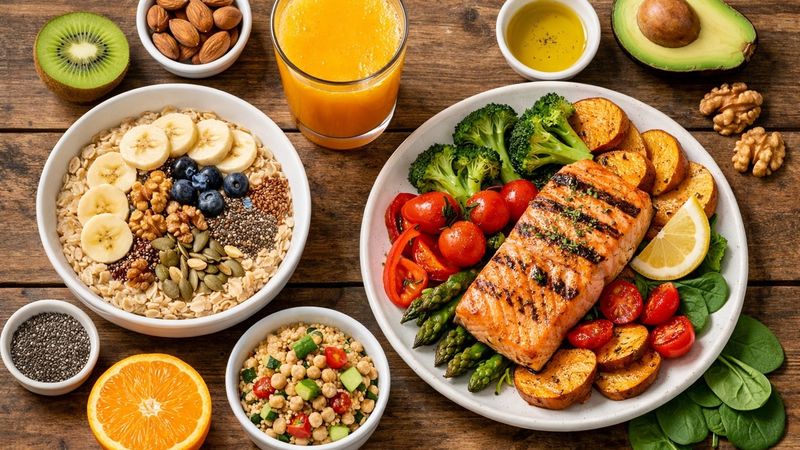
In today's complex food landscape, making informed choices about what we eat is more crucial than ever. With the rise of smart nutrition, individuals can now tailor their diets to specific medical needs, comorbidities, and lifestyle preferences. As we explore the world of smart nutrition, it's essential to understand the importance of Decoding Food Labels: A Complete Guide to Healthier Choices to make the most of our dietary choices. In this article, we will delve into the definition, production process, nutritional comparison, and health effects of smart nutrition, providing a comprehensive guide to navigating this complex field.
What They Are: Definition and Origins
Smart nutrition refers to the practice of tailoring one's diet to specific medical needs, comorbidities, and lifestyle preferences. This approach has its roots in medical nutrition therapy, which involves creating personalized meal plans to address various health conditions, such as diabetes, digestive health, and weight concerns. Smart Nutrition, a company specializing in medical nutrition therapy, offers individualized services to clients, including those with gastrointestinal disorders, pulmonary disease, and cancer. The concept of smart nutrition has evolved over time, with advancements in technology and research enabling more precise and effective dietary interventions.
How They're Made
The production process of smart nutrition involves a combination of industrial and artisanal approaches. On one hand, industrial methods allow for large-scale production and standardization of nutritional products. On the other hand, artisanal approaches focus on creating customized, small-batch products that cater to specific individual needs. This blend of industrial and artisanal techniques enables smart nutrition to provide a wide range of products and services that cater to diverse client requirements.
Detailed Nutritional Comparison
| Nutrient | Matcha Powder | Green Tea | Black Tea | Coffee |
|---|---|---|---|---|
| Calories | 0-2 per 8oz | 0-2 per 8oz | 0-2 per 8oz | 0-2 per 8oz |
| Protein | 1-2g per 8oz | 0.5-1g per 8oz | 0.5-1g per 8oz | 0.5-1g per 8oz |
| Fat | 0-1g per 8oz | 0-1g per 8oz | 0-1g per 8oz | 0-1g per 8oz |
| Carbohydrates | 0-2g per 8oz | 0-2g per 8oz | 0-2g per 8oz | 0-2g per 8oz |
The nutritional comparison of various smart nutrition products reveals significant differences in their macronutrient profiles. For instance, matcha powder tends to have higher protein and fat content compared to green tea and black tea. Understanding these differences is crucial for making informed choices, as highlighted in our guide to Visualize Your Progress: A Guide to FoodReveal' Nutrition Charts. By analyzing the nutritional content of smart nutrition products, individuals can optimize their diets to meet specific health goals and requirements.
In-Depth Ingredient Analysis
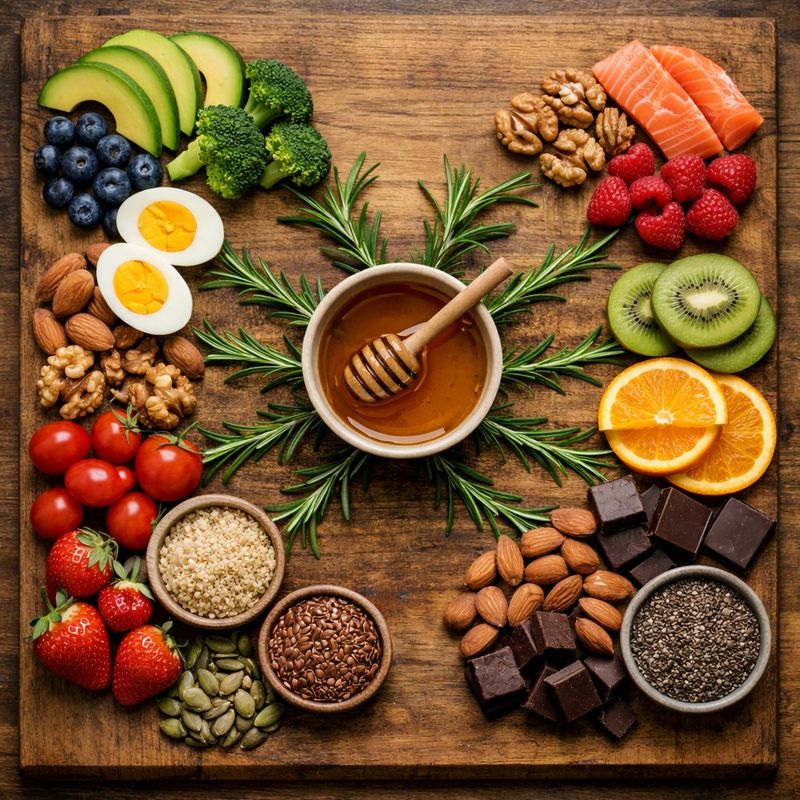
Typical ingredients of smart nutrition products include a range of vitamins, minerals, and other nutrients. For example, a representative product may contain a blend of vitamins C and D, calcium, and iron. Analyzing these ingredients is essential to understanding their potential health effects and benefits. Furthermore, it's crucial to examine the presence of additives and controversial substances, such as artificial sweeteners and preservatives, which can have negative impacts on overall health.
Additives and Controversial Substances
Common additives in smart nutrition products include E-numbers, such as aspartame and sucralose. While these substances are generally recognized as safe, they can still pose risks to certain individuals, particularly those with sensitivities or allergies. Cleaner-label alternatives, which prioritize natural ingredients and minimal processing, offer a safer and more transparent option for consumers. By choosing products with simpler ingredient lists and fewer additives, individuals can reduce their exposure to potential health risks.
Health Effects and Benefits
The health effects and benefits of smart nutrition are well-documented, with numerous studies demonstrating the positive impact of tailored dietary interventions on various health conditions. For instance, smart nutrition has been shown to improve blood sugar control in individuals with diabetes and support weight loss in those with obesity. However, it's essential to note that smart nutrition may not be suitable for everyone, particularly those with certain medical conditions or dietary restrictions. As discussed in our article on Nutella: What Does Its Nutrition Label Really Reveal?, understanding the nutritional content of food products is critical for making informed choices and minimizing potential health risks.
How to Read the Label: A Practical Guide
When reading the label of a smart nutrition product, it's essential to look for specific ingredients, such as added sugars, saturated fats, and sodium. Red flags include the presence of artificial additives, preservatives, and excessive processing. Industry tricks, such as disguising poor ingredients with misleading labeling, can be avoided by choosing products with transparent and simple ingredient lists. By following these guidelines and staying informed about the latest research and developments in smart nutrition, individuals can make the most of their dietary choices and optimize their overall health and well-being.
Best Products on the Market
Quaker Oats: Key ingredients include rolled oats, sugar, and flavorings. Two strengths are high fiber content and convenient packaging. One weakness is the presence of added sugars. This product is ideal for health-conscious consumers looking for a quick breakfast option.
Kashi GoLean: Key ingredients include whole grains, fiber, and protein. Two strengths are high nutritional value and filling properties. One weakness is the high calorie count. This product is ideal for athletes or individuals with high energy needs. For more information on nutrition apps that can help you track your diet, check out The Best Nutrition Apps of 2025: A Complete Guide.
Clif Bars: Key ingredients include organic oats, nuts, and dried fruits. Two strengths are sustainable sourcing and long-lasting energy. One weakness is the high sugar content. This product is ideal for outdoor enthusiasts and individuals with active lifestyles.
Recipes and Kitchen Uses
Recipe 1: Nutty Oatmeal Bowl
Ingredients:
- 1/2 cup rolled oats
- 1/2 cup water
- 1/4 cup chopped nuts
- 1/4 cup dried fruits
Instructions:
- Cook the oats according to package instructions.
- Top with chopped nuts and dried fruits.
- Serve warm and enjoy.
- Customize with your favorite toppings.
- Experiment with different spices for added flavor.
Prep time: 10 minutes.
Recipe 2: Energy Balls
Ingredients:
- 2 cups rolled oats
- 1 cup nut butter
Instructions:
- Mix the oats and nut butter in a bowl.
- Roll into small balls.
- Refrigerate for 30 minutes.
Prep time: 15 minutes.
Sustainability and Environmental Impact
The production of food products has a significant impact on the environment, from farming and transportation to packaging and waste. Consumers can choose responsibly by opting for products with minimal packaging, sustainable sourcing, and locally sourced ingredients. By making informed choices, individuals can reduce their carbon footprint and support environmentally friendly practices.
Frequently Asked Questions
What is the best way to eat healthy?
Answer in one paragraph of 30-50 words: Eat a balanced diet with plenty of fruits, vegetables, and whole grains.
How can I track my nutrition?
Answer in one paragraph of 30-50 words: Use a nutrition app or consult with a registered dietitian to track your nutrition and receive personalized advice.
What are the benefits of smart nutrition?
Answer in one paragraph of 30-50 words: Smart nutrition can improve overall health, increase energy levels, and support weight management.
Final Verdict
In conclusion, smart nutrition is essential for maintaining a healthy lifestyle. By choosing the right products, following simple recipes, and being mindful of environmental impact, individuals can take control of their nutrition. For a detailed comparison of natural peanut butter and Skippy, check out Natural Peanut Butter vs Skippy: nutrition facts. With the right tools and knowledge, anyone can make informed decisions about their diet and well-being.
Leave a review