
Introduction
In the crowded snack aisle, consumers are increasingly seeking transparency and health benefits in their pantry staples. The rise of the "clean label" movement has pushed brands to innovate, yet navigating the difference between artisan-style and traditional options remains a challenge. This article dives into a head-to-head comparison of two popular contenders: Simple Mills and Mary’s Gone Crackers. By examining their origins, nutritional profiles, and ingredient lists, we aim to help you make an informed choice that aligns with your dietary needs. Whether you are looking for a gluten-free alternative or a nutrient-dense snack, understanding what goes into these boxes is the first step toward better eating habits. For those new to the category, understanding the basics of whole grain selection is crucial before diving into specific brands.
What They Are: Definition and Origins
Simple Mills and Mary’s Gone Crackers represent two distinct philosophies in the gluten-free cracker market. Simple Mills positions itself as a "kitchen-made" brand, utilizing almond flour and coconut flour to create a texture that mimics traditional wheat crackers without the gluten. Mary’s Gone Crackers, founded in 1992, pioneered the gluten-free cracker market by utilizing ancient grains like buckwheat, brown rice, and quinoa. Today, Simple Mills offers varieties like Almond Flour and Sesame Crackers, while Mary’s Gone Crackers features the Original, Sesame, and Cheddar options. Both brands have evolved from niche health food stores to mainstream supermarkets, catering to the growing demand for allergen-free snacking. To understand their nutritional value, it is helpful to look at the specific grains used in their construction, which often differ significantly from standard wheat-based products.
How They're Made
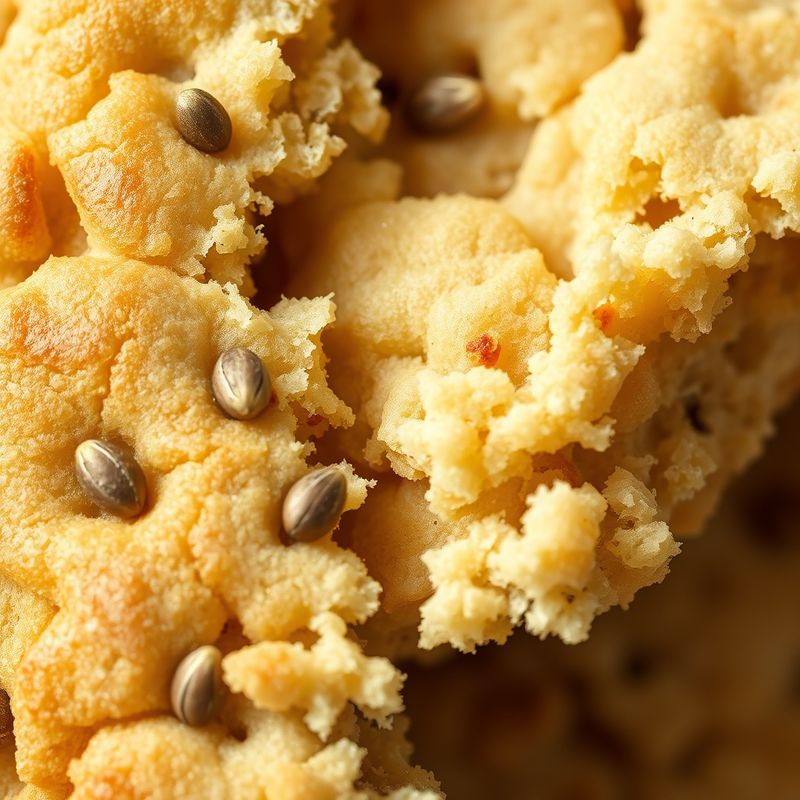
The production processes for these two brands highlight their commitment to specific ingredient quality. Simple Mills focuses on a "knead and cut" method that allows for a softer, more pliable cracker, often using coconut oil for a rich flavor profile. While they are produced on an industrial scale, the brand emphasizes the use of "real food" ingredients rather than processed isolates. Mary’s Gone Crackers is famous for its sprouted grain process, which involves soaking grains before baking to increase digestibility. This artisanal technique is central to their brand identity, even as they scale production. Both companies bake their crackers in large batches, ensuring consistency, but the underlying methods differ in how they treat the grain base before it reaches the oven.
Detailed Nutritional Comparison
The nutritional data reveals distinct differences in how these brands approach satiety and energy density. Simple Mills Almond Flour Crackers are generally lower in carbohydrates and calories, making them a suitable option for those monitoring their caloric intake or following a ketogenic diet. They are also higher in protein and healthy fats due to the almond flour base. In contrast, Mary’s Gone Crackers Original are slightly higher in calories and carbohydrates, providing a more substantial energy boost. However, Mary’s often contains a higher amount of dietary fiber, which is beneficial for digestive health. The choice between the two often comes down to whether you prefer a lower-carb, higher-fat profile or a higher-fiber, grain-focused profile. Understanding the metabolic impact of these differences is key to choosing the right snack for your lifestyle.
| Nutrient | Simple Mills Almond Flour Crackers | Mary's Gone Crackers Original |
|---|---|---|
| Calories | 120 per serving | 140 per serving |
| Protein | 4g per serving | 2g per serving |
| Fat | 7g per serving | 4g per serving |
| Fiber | 2g per serving | 3g per serving |
In-Depth Ingredient Analysis
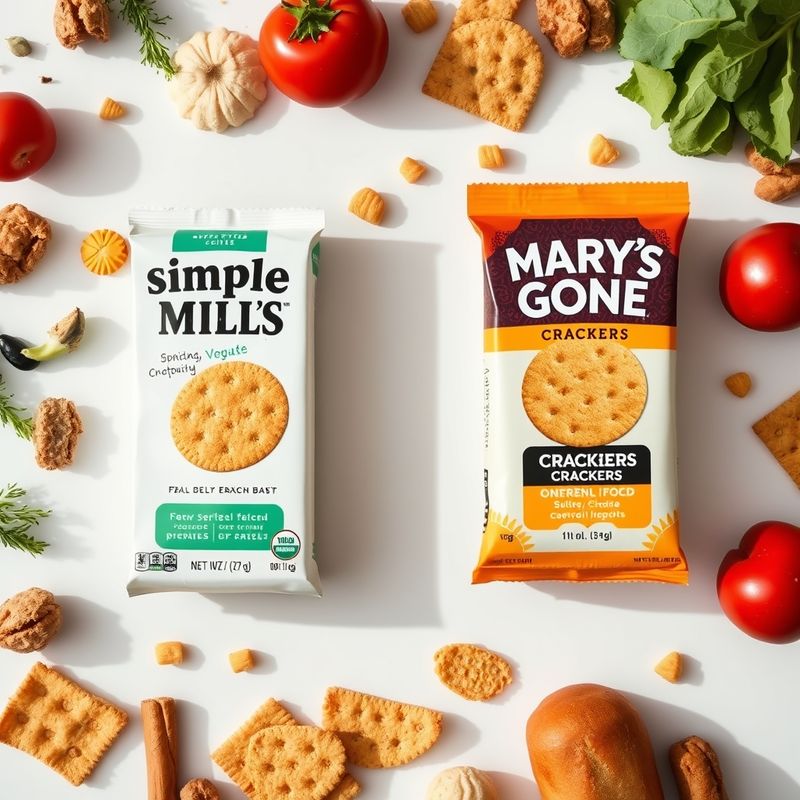
Analyzing the ingredient lists exposes the core differences in their formulations. Simple Mills relies heavily on nut flours and coconut oil, resulting in a rich, buttery taste without dairy. Common ingredients include tapioca flour for binding and sea salt for flavor. Mary’s Gone Crackers utilizes a blend of sprouted buckwheat, brown rice, and quinoa, creating a complex, earthy flavor profile. While both brands generally avoid artificial preservatives, they often include gums like xanthan gum or guar gum to maintain texture in gluten-free products. These additives are necessary to mimic the binding properties of gluten but can be controversial for those with sensitive digestive systems. It is important to scrutinize these additives, as they can sometimes cause bloating or digestive distress in susceptible individuals.
Additives and Controversial Substances
Both brands utilize gums to maintain structural integrity in their gluten-free offerings, which is a common industry practice. Simple Mills may use tapioca starch as a binder, while Mary’s Gone Crackers frequently lists xanthan gum or guar gum. While generally recognized as safe, these additives can cause digestive upset in individuals with IBS or specific sensitivities. Additionally, while both brands avoid hydrogenated oils, it is vital to check the fat source; coconut oil is the primary fat in Simple Mills, whereas Mary’s uses a blend of oils that may include canola or olive oil. Consumers looking for a completely additive-free experience should look for brands that utilize whole-food binders like flax seeds or psyllium husk.
Health Effects and Benefits
The health implications of choosing between these two brands vary based on individual dietary goals. Simple Mills is an excellent choice for those following a low-carb or ketogenic diet, thanks to the high fat and moderate protein content, which helps stabilize blood sugar levels. Mary’s Gone Crackers, with its sprouted grains and higher fiber content, is better suited for those looking to improve digestive regularity and increase their intake of complex carbohydrates. However, both brands can be calorie-dense, so portion control is essential. Potential risks include digestive upset from the gums used in Mary’s crackers or the high caloric density of almond flour in Simple Mills products. Consumers with nut allergies must strictly avoid Simple Mills, while those with grain sensitivities should check Mary’s ingredient lists carefully.
How to Read the Label: A Practical Guide
Mastering the art of label reading is essential when selecting crackers, as marketing claims can be misleading. Always look for the first ingredient to understand the primary component of the product; whole grains should be listed before refined flours. Be wary of terms like "multigrain," which does not guarantee that the grains are whole or that the product is healthy. Check the oil sources, preferring olive or avocado oil over partially hydrogenated oils. Additionally, scrutinize the ingredient list for gums like xanthan or guar, which are often used to replace gluten but can cause digestive issues. By focusing on the actual ingredients rather than the front-of-package health claims, you can ensure you are selecting a product that truly supports your nutritional goals.
Best Products on the Market
Simple Mills Almond Flour Crackers: Key ingredients include almond flour, tapioca starch, flax seeds, and sea salt. Two strengths are their clean ingredient list and nutty, savory flavor profile. One weakness is the higher calorie density compared to grain-based crackers due to the almond content. This product is ideal for individuals following a keto or low-carb diet.
Mary’s Gone Crackers Original: Key ingredients include brown rice, quinoa, amaranth, flax seeds, sesame seeds, and sea salt. Two strengths are the hearty texture from whole grains and the high fiber content. One weakness is the higher sodium level found in many varieties. This product is ideal for those seeking a substantial whole-grain snack.
Mary’s Gone Crackers Cheddar: Key ingredients include the same whole grain base as the original but with nutritional yeast and cheddar cheese powder. Two strengths are the rich, cheesy flavor without dairy and the satisfying crunch. One weakness is the processed cheese powder, which adds sodium and artificial ingredients. This product is ideal for dairy-free cheese lovers looking for a savory kick.
Recipes and Kitchen Uses
Here are two creative ways to elevate your snacking game using these popular gluten-free options.
Recipe 1: Avocado & Almond Cracker Toast
Ingredients:
- 2 slices of sourdough bread
- 1 ripe avocado
- 1 tablespoon lemon juice
- 1/2 teaspoon sea salt
- 1/4 cup Simple Mills Almond Flour Crackers (crumbled)
Instructions:
- Toast the sourdough bread until golden brown.
- While the bread toasts, mash the avocado with lemon juice and sea salt in a small bowl.
- Spread the mashed avocado generously over the hot toast.
- Sprinkle the crumbled almond flour crackers over the top for added crunch.
- Serve immediately.
Prep time: 10 minutes.
Recipe 2: Hearty Quinoa & Seed Salad Bowl
Ingredients:
- 1 cup cooked quinoa
- 1/2 cup cherry tomatoes, halved
- 1/4 cup cucumber, diced
- 1/4 cup Mary’s Gone Crackers Original (crumbled)
- 2 tablespoons olive oil
- 1 tablespoon apple cider vinegar
Instructions:
- In a large bowl, combine the cooked quinoa, cherry tomatoes, and cucumber.
- Drizzle the olive oil and apple cider vinegar over the vegetables and quinoa, tossing to coat.
- Gently fold in the crumbled Mary's Gone Crackers just before serving to maintain their texture.
- Season with salt and pepper to taste.
Prep time: 15 minutes.
Sustainability and Environmental Impact
The environmental footprint of gluten-free crackers varies significantly based on ingredient sourcing and packaging. Simple Mills emphasizes organic ingredients, which generally require fewer pesticides and support regenerative farming practices, though almond farming is water-intensive. Mary’s Gone Crackers utilizes whole grains, which often have a lower carbon footprint than almond production due to less water usage, but their reliance on multiple grains requires complex supply chains. Consumers can choose responsibly by looking for brands that use recycled or compostable packaging and by buying in bulk to reduce plastic waste.
Frequently Asked Questions
Are these crackers truly gluten-free?
Yes, both brands explicitly label their products as gluten-free. However, because they are produced in facilities that may handle wheat, there is a risk of cross-contamination. If you have celiac disease, look for products with a "certified gluten-free" seal to ensure safety.
Which brand offers more fiber?
Mary’s Gone Crackers generally offers more fiber per serving due to their high content of brown rice, quinoa, and amaranth. Simple Mills relies more on nuts and seeds for fiber, which provides a different nutritional profile but often fewer grams of fiber per calorie compared to the whole grain blend.
Are these products suitable for vegans?
Simple Mills Almond Flour Crackers are vegan, and Mary’s Gone Crackers Original is also vegan. However, Mary’s Gone Crackers Cheddar contains nutritional yeast and cheese powder, which may be considered vegan by some but is processed differently than raw ingredients, so it is best to check the specific label for animal-derived additives.
Final Verdict
The choice between Simple Mills and Mary’s Gone Crackers ultimately depends on your specific health goals and flavor preferences. If you are prioritizing a low-carb, high-protein snack with a clean label, Simple Mills is the superior choice. Conversely, if you are looking for a hearty whole-grain option to keep you full longer, Mary’s Gone Crackers is the winner. Both brands excel in the gluten-free category, offering safe alternatives for those with sensitivities. To maintain a balanced diet, it is essential to consider the overall macronutrient balance of your snacks, ensuring you are getting enough fiber alongside healthy fats.
🔍 FoodReveal helps you decode nutrition labels beyond marketing. Available for Android and iOS.
Leave a review