
INTRODUCTION
In today's food landscape, consumers are increasingly seeking healthier alternatives to traditional pasta options. Whole wheat pasta has gained popularity as a nutritious and flavorful choice. Two prominent brands, Rummo and La Molisana, offer high-quality whole wheat pasta products. To help consumers make informed decisions, we will compare these two brands in terms of their nutritional content, ingredients, and production processes. For those interested in exploring other whole grain options, our previous article Whole Grain Crackers: Best Choices provides valuable insights.
What They Are: Definition and Origins
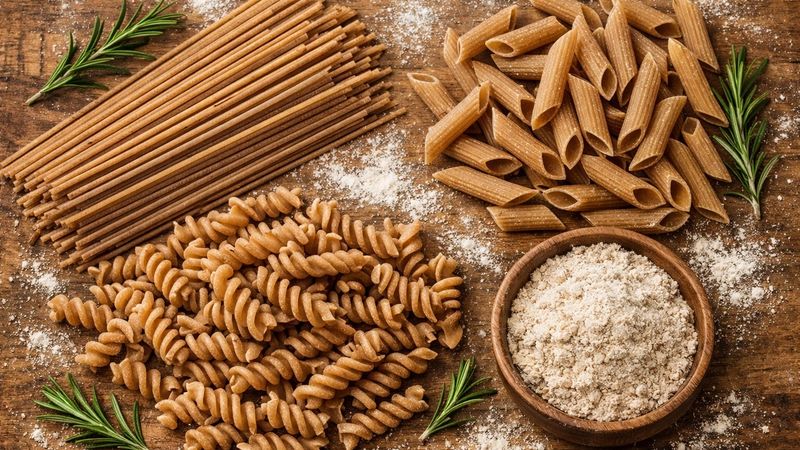
Whole wheat pasta is made from durum wheat semolina, a coarse, purified flour obtained from the endosperm of durum wheat. The history of whole wheat pasta dates back to ancient Italy, where it was first produced as a more nutritious alternative to refined pasta. Today, whole wheat pasta is available in various shapes and sizes, including spaghetti, penne, and fusilli. Rummo and La Molisana are two well-known brands that offer a range of whole wheat pasta products.

How They're Made
The production process of whole wheat pasta involves mixing durum wheat semolina with water to create a dough, which is then shaped and dried. Industrial production methods may involve additional processing steps, such as extrusion and drying, whereas artisanal producers may use more traditional methods, such as hand-rolling and air-drying. The differences in production methods can affect the final product's texture, flavor, and nutritional content.
Detailed Nutritional Comparison
| Nutrient | Rummo Whole Wheat Pasta | La Molisana Whole Wheat Pasta |
|---|---|---|
| Calories | 350-400 per 100g | 320-380 per 100g |
| Protein | 12-15g per 100g | 10-13g per 100g |
| Fiber | 6-8g per 100g | 5-7g per 100g |
| Iron | 2-3mg per 100g | 1.5-2.5mg per 100g |
The nutritional comparison between Rummo and La Molisana whole wheat pasta reveals some notable differences. Rummo pasta tends to have slightly higher calorie and protein content, while La Molisana pasta has a slightly lower fiber content. However, both brands offer a good source of iron, an essential mineral for healthy red blood cells. As discussed in our previous article Barilla whole wheat vs regular: which pasta calms more?, whole wheat pasta can be a nutritious addition to a balanced diet.
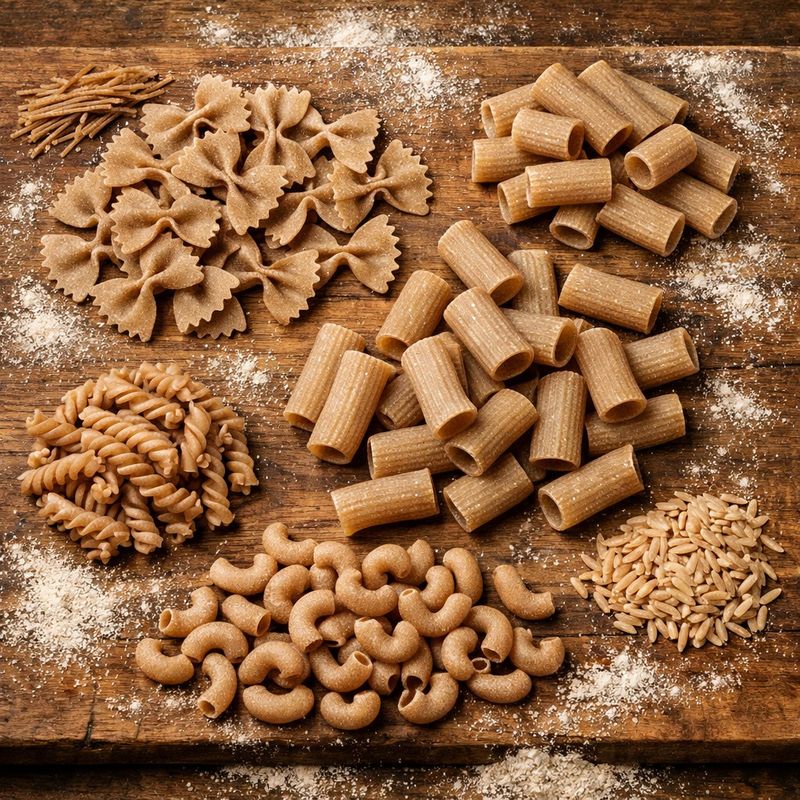
The fiber content in whole wheat pasta is particularly noteworthy, as it can help promote digestive health and support healthy blood sugar levels. Consumers looking for a higher fiber content may prefer Rummo pasta, while those seeking a slightly lower calorie option may opt for La Molisana.
In-Depth Ingredient Analysis
Typical ingredients of Rummo and La Molisana whole wheat pasta include durum wheat semolina, water, and sometimes eggs or other additives. The most relevant ingredient to analyze is the durum wheat semolina, which provides the majority of the pasta's nutritional content. Some whole wheat pasta products may contain additional ingredients, such as salt or sugar, which can affect the final product's flavor and nutritional profile.
Additives and Controversial Substances
Some whole wheat pasta products may contain common additives, such as preservatives or flavor enhancers, which can be a concern for health-conscious consumers. Specific E-numbers, such as E320 or E330, may be used as preservatives or antioxidants. However, cleaner-label alternatives are available, and consumers can opt for products with fewer or no additives.
Health Effects and Benefits
Whole wheat pasta has been documented to have several health benefits, including promoting digestive health, supporting healthy blood sugar levels, and providing a good source of essential minerals like iron. However, consumers with gluten intolerance or sensitivity should exercise caution when consuming whole wheat pasta. As discussed in our previous article Whole Farro vs Refined Farro, whole grain products like farro and pasta can be a nutritious addition to a balanced diet.
How to Read the Label: A Practical Guide
When reading the label of whole wheat pasta products, consumers should look for the ingredient list, nutritional content, and any certifications or labels indicating the product's quality or authenticity. Red flags to watch out for include high amounts of added salt or sugar, artificial preservatives, or flavor enhancers. Industry tricks to disguise poor ingredients include using vague terms like "wheat flour" instead of "durum wheat semolina" or listing multiple ingredients to make the product appear more wholesome. By being aware of these tactics, consumers can make informed decisions and choose whole wheat pasta products that align with their dietary needs and preferences.
Best Products on the Market
Banza Chickpea Pasta: Key ingredients include chickpeas, pea fiber, and brown rice. Two strengths are high protein content and gluten-free. One weakness is a slightly higher price point compared to traditional pasta. This product is ideal for health-conscious consumers looking for a nutritious and sustainable alternative to traditional pasta.
Barilla Whole Wheat Spaghetti: Key ingredients include whole wheat durum semolina. Two strengths are a good source of fiber and a lower glycemic index compared to white pasta, as discussed in Barilla whole wheat vs regular: which is healthier?. One weakness is a coarser texture that may not be suitable for all recipes. This product is ideal for consumers seeking a more traditional whole wheat pasta experience.
De Cecco Whole Wheat Penne: Key ingredients include whole wheat durum semolina and water. Two strengths are a high fiber content and a robust texture that holds well with chunky sauces. One weakness is a slightly denser consistency that may require adjusting cooking times. This product is ideal for consumers looking for a versatile whole wheat pasta that can be used in a variety of dishes.
Recipes and Kitchen Uses
Recipe 1: Mediterranean Pasta Salad
Ingredients:
- 8 oz whole wheat pasta
- 1 cup cherry tomatoes, halved
- 1 cup cucumber, sliced
- 1/2 cup Kalamata olives, pitted
- 1/4 cup crumbled feta cheese
Instructions:
- Cook pasta according to package directions.
- In a large bowl, combine cooked pasta, cherry tomatoes, cucumber, and olives.
- In a small bowl, whisk together olive oil, lemon juice, and dried oregano.
- Pour dressing over pasta mixture and toss to combine.
- Top with crumbled feta cheese.
Prep time: 20 minutes.
Recipe 2: Creamy Tomato Pasta Bake
Ingredients:
- 8 oz whole wheat pasta
- 2 cups cherry tomatoes, halved
- 1 cup grated mozzarella cheese
Instructions:
- Preheat oven to 375°F.
- Cook pasta according to package directions.
- In a large bowl, combine cooked pasta, cherry tomatoes, and grated mozzarella cheese.
- In a small bowl, whisk together olive oil, garlic powder, and dried basil.
- Pour sauce over pasta mixture and toss to combine.
- Transfer to a baking dish and bake for 15-20 minutes.
Prep time: 25 minutes.
Sustainability and Environmental Impact
The production of whole wheat pasta has a lower environmental impact compared to traditional pasta, as it requires less water and energy to produce. Additionally, whole wheat pasta is often made from locally sourced ingredients, reducing transportation emissions. Consumers can choose responsibly by selecting whole wheat pasta products with eco-friendly packaging and supporting companies that prioritize sustainability.
Frequently Asked Questions
What is the difference between whole wheat and regular pasta?
Answer: Whole wheat pasta is made from the entire wheat grain, including the bran, germ, and endosperm, whereas regular pasta is made from refined flour that has been stripped of nutrients and fiber.
Can I substitute whole wheat pasta for regular pasta in recipes?
Answer: Yes, whole wheat pasta can be substituted for regular pasta in most recipes, but cooking times may vary due to its denser texture.
Is whole wheat pasta gluten-free?
Answer: No, whole wheat pasta is not gluten-free, as it contains gluten from the wheat grain.
Final Verdict
In conclusion, whole wheat pasta is a nutritious and sustainable alternative to traditional pasta. When choosing a whole wheat pasta product, consider factors such as ingredient quality, texture, and environmental impact. For more information on the nutritional benefits of whole wheat pasta, visit Barilla: fiber, protein & GI of whole, semi & white pasta. By making informed choices, consumers can enjoy the benefits of whole wheat pasta while supporting a more sustainable food system.
🔍 FoodReveal helps you decode nutrition labels beyond marketing. Available for Android and iOS.
Leave a review