

In an era where snack food scrutiny has reached unprecedented levels, roasted vegetable chips have emerged as a surprising hero in the quest for guilt-free crunch. While store-bought options often hide troubling additives, homemade versions unlock a world of nutritional transparency and flavor experimentation. This article dives deep into the vibrant realm of oven-roasted vegetable chips seasoned with spring's most aromatic spices, revealing how this simple snack bridges the gap between culinary delight and metabolic necessity. With 162 calories per serving according to tested recipes, these chips challenge conventional snack hierarchies while delivering essential micronutrients often missing in processed alternatives
What Are Roasted Vegetable Chips and Spring Spices?
Roasted vegetable chips represent a culinary evolution of traditional snacking. Unlike their deep-fried counterparts, these oven-baked creations achieve crispness through slow dehydration at controlled temperatures. The process caramelizes natural sugars while preserving structural integrity, creating a textural experience that satisfies crunchy cravings without excessive oil absorption. Spring spices - a category encompassing both traditional herbs and warming seasonings - add dimensionality to the mild sweetness of root vegetables and cruciferous delights. From the citrusy brightness of fresh thyme to the earthy warmth of turmeric, these flavor agents transform humble produce into gourmet experiences
Historically, vegetable crisping techniques trace back to ancient Middle Eastern and Asian kitchens, where sun-drying preserved harvest abundance. Modern iterations leverage precise temperature control, with optimal results achieved between 300-400°F (150-200°C). The interplay of Maillard reactions and caramelization creates complex flavor profiles unmatched by simple roasting. When crafting spring-specific versions, consider incorporating fresh coriander, lemongrass-infused oils, or even floral saffron threads for seasonal nuance
Detailed Nutritional Comparison

When evaluating snack options, understanding macronutrient profiles proves crucial for informed choices. The following table compares standard roasted vegetable chips with common alternatives
| Snack Type | Calories (per oz/28g) | Dietary Fiber (g) | Sugars (g) | Sodium (mg) | Fat (g) | Vitamins/minerals |
|---|---|---|---|---|---|---|
| Homemade Veggie Chips [1] | 162 (per serving) | 3.5 | 4.2 | 150 | 5.8 | A, C, K, Potassium |
| Store-Bought Potato Chips | 152 | 1.6 | 0.9 | 170 | 10.2 | - |
| Kale Chips (Commercial) | 50 | 2.0 | 1.0 | 180 | 1.5 | A, C, K |
| Multigrain Crackers | 140 | 3.0 | 1.5 | 200 | 5.0 | B Vitamins |
| Apple Slices (Dried) | 90 | 2.0 | 18 | 5 | 0.3 | C, Potassium |
| Roasted Chickpeas | 120 | 4.0 | 3.0 | 140 | 3.0 | Iron, Protein |
Varies based on seasoning
This comparison reveals roasted vegetable chips' unique position as a balanced snack option. Their fiber content rivals legume-based alternatives while maintaining the satisfying crunch of traditional chips. Unlike dried fruits, they present minimal glycemic impact, making them suitable for blood sugar-conscious consumers. The natural sodium levels, especially when homemade, align with First Nations Health Authority guidelines advocating for <150mg sodium per serving in snack products [5]
Ingredients and Quality Analysis
Crafting superior vegetable chips begins with strategic produce selection. Sweet potatoes, Brussels sprouts, and carrots form the backbone of most recipes, each contributing distinct textural and flavor elements. Sweet potatoes (orange-fleshed varieties) offer beta-carotene richness, while Brussels sprouts provide glucosinolates that support detoxification pathways. The choice of oil significantly impacts nutritional outcomes - avocado oil (high in monounsaturated fats) and coconut oil (containing medium-chain triglycerides) each bring metabolic advantages when used judiciously
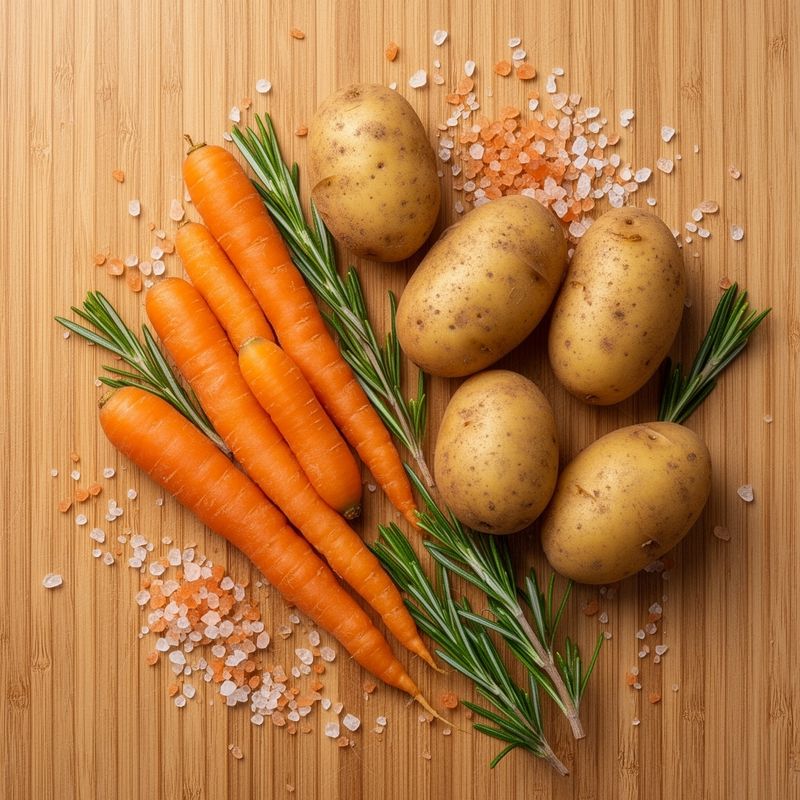
Spring spice blends deserve particular attention for their phytonutrient potential. Turmeric's curcumin exhibits anti-inflammatory properties enhanced by black pepper's piperine, while fresh garlic powder contains allicin precursors that support cardiovascular health. For those exploring Indian-inspired seasoning (as suggested by University of Nebraska research [2]), combinations of cumin, coriander, and fenugreek create synergistic antioxidant effects. When analyzing store-bought options, prioritize products listing whole food ingredients first and avoid those containing maltodextrin or artificial flavor enhancers
Label reading becomes crucial when evaluating commercial products. The FDA's serving size guidelines often misrepresent realistic consumption patterns - a 1-ounce (28g) serving typically equals about 15-20 chips depending on thickness. Thickness directly impacts caloric density; thinner slices (⅛") crisp better but may over-dehydrate, while thicker cuts maintain moisture longer. For homemade versions, utilizing a kitchen scale ensures consistent portioning aligned with nutritional goals
Benefits and Potential Downsides
The advantages of vegetable chips extend beyond basic nutrition. Their high surface-area-to-volume ratio enhances bioavailability of fat-soluble vitamins when paired with healthy oils. The chewing resistance stimulates salivary enzyme release, potentially improving digestion through increased oral processing. For endurance athletes, the complex carbohydrate matrix offers sustained energy release - a concept explored in FoodReveal's analysis of carbs & micronutrients for endurance training. Additionally, the adaptability allows customization for specific dietary needs: kale varieties boost calcium content, while beet chips naturally enhance nitrate intake
However, several considerations warrant attention. The roasting process can form acrylamide, a compound linked to neurological concerns when consumed excessively. Using lower temperatures (325°F/160°C) and shorter cooking times mitigates this risk. Individuals managing FODMAP sensitivities should exercise caution with cruciferous vegetables like broccoli or cauliflower bases. Those monitoring thyroid function should balance goitrogenic vegetables (e.g., Brussels sprouts) with iodine-rich foods
Choosing the Right Option: A Practical Guide
Selecting optimal vegetable chips depends on individual nutritional needs and lifestyle factors. Athletes training for endurance events benefit from sweet potato-based chips for their high carbohydrate content and potassium - electrolytes lost through sweat. Children transitioning from processed snacks find carrot or zucchini chips easiest to accept, particularly when seasoned with mild spices like smoked paprika. Older adults prioritizing bone health should incorporate kale or collard green varieties rich in vitamin K and calcium
For those managing diabetes, non-starchy vegetable chips (radish, turnip, or cucumber) maintain lower carbohydrate counts while preserving crunch. The soluble fiber content, discussed in FoodReveal's fiber guide, plays particular importance for digestive health advocates. Weight-conscious consumers achieve best results with Brussels sprout or kale chips, which provide maximum volume with minimal caloric density. When time constraints exist, store-bought options like Trader Joe's Organic Vegetable Chips offer acceptable ingredient profiles, though homemade versions maintain superior nutritional control
Recipes and Pairing Suggestions
Creating perfect roasted vegetable chips requires balancing technique and ingredient synergy. The following recipes showcase spring's bounty
Citrus-Herb Spring Medley
- Ingredients 2 cups thinly sliced rainbow carrots (200g), 1 cup julienned parsnips (120g), 3 tbsp olive oil, zest of 1 lemon, 1 tsp fresh thyme leaves, ½ tsp rosemary, sea salt to taste
- Method Preheat oven to 350°F (175°C). Toss vegetables with oil and seasonings, spread in single layer. Bake 22-25 minutes flipping once, until golden at edges. Finish under broiler 1-2 minutes for extra crispness
Spiced Root Vegetable Chips
- Ingredients 1½ cups sweet potato slices (⅛" thick, 180g), 1 cup beet slices (100g), 2½ tbsp avocado oil, 1 tsp garam masala, ½ tsp turmeric, pinch cayenne
- Method Combine spices with oil, coat vegetables evenly. Bake at 325°F (160°C) for 30 minutes, rotating trays halfway. Cool completely for maximum crispness
Pairings should consider flavor balance and nutritional synergy. The Citrus-Herb chips complement soft cheeses like fresh goat cheese, while Spiced Roots excel alongside Greek yogurt-based dips. For breakfast applications, crumble over avocado toast or oatmeal for added texture - a practice aligning with recent breakfast science findings. Storage in airtight containers maintains crispness for up to 5 days, though humidity rapidly degrades quality
Final Verdict
Roasted vegetable chips emerge as more than a passing snack trend - they represent a customizable nutritional tool adaptable to diverse dietary needs. Their homemade simplicity aligns with clean-eating principles while delivering essential vitamins and minerals often lacking in processed alternatives. While commercial options provide convenience, true mastery over ingredients and flavor awaits those who experiment in their own kitchens. By strategically selecting vegetables and spices according to seasonal availability and personal health goals, snack time transforms into an opportunity for proactive nutrition
🔍 Want to know exactly what's in a product before you buy it? With you scan the label in seconds and get a full breakdown of ingredients, additives and nutritional values — in plain language, no expertise required
🔍 FoodReveal helps you decode nutrition labels beyond marketing. Available for Android and iOS.
Leave a review