
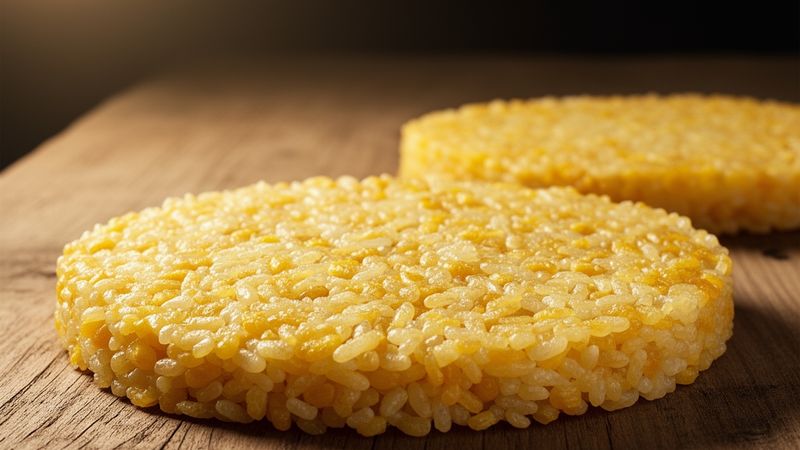
Fermented foods have gained popularity for their digestive benefits, but when it comes to choosing between rice and corn crackers, many consumers are left wondering which option offers superior health benefits. Crackers, a staple in lunchboxes and snack bowls across the U.S., are often scrutinized for their nutritional value. With the rise of gluten-free diets and increased awareness of whole grains, the debate between rice and corn crackers has intensified. This article delves into the origins, nutritional profiles, and practical applications of these two popular cracker bases, providing a comprehensive guide to help you make an informed decision based on your health goals and dietary needs
What Is Rice and What Is Corn?
Rice and corn, two of the world’s most cultivated crops, have distinct histories and cultural significance. Rice (Oryza sativa) has been a dietary cornerstone in Asia for over 8,000 years, with ancient civilizations relying on it for sustenance. In the U.S., rice is often consumed as white or brown rice, but rice flour has gained traction in gluten-free baking. Corn (Zea mays), native to Mesoamerica, was domesticated over 9,000 years ago and remains a symbol of Indigenous agricultural innovation. Today, corn is processed into diverse products, including masa (for tortillas) and cornmeal, which serve as bases for corn crackers
The production processes of these crackers differ significantly. Rice crackers are typically made by milling rice into flour, mixing it with water and sometimes starches or flavorings, and then shaping and baking the dough. Some varieties, like Japanese senbei are steamed and then roasted to create a crisp texture. Corn crackers, on the other hand, often start with nixtamalization—a process where corn is soaked in an alkaline solution (traditionally lime water) to remove the outer husk and enhance nutrient availability. This step not only improves flavor and texture but also increases the bioavailability of nutrients like niacin and calcium
Detailed Nutritional Comparison
To evaluate the health benefits of rice versus corn crackers, a closer look at their nutritional profiles is essential. The table below compares key nutrients in 1 ounce (28g) of plain rice crackers and corn crackers, based on data from the USDA FoodData Central and the provided sources
| Nutrient | Rice Crackers (1 oz) | Corn Crackers (1 oz) | Notes |
|---|---|---|---|
| Calories | 120–150 | 120–160 | Similar energy density; corn may have slightly more due to natural sugars |
| Protein | 2–3g | 2–4g | Corn edge from maize protein; rice lacks some essential amino acids |
| Fat | 1–2g | 1–3g | Minimal; both are low-fat snacks |
| Carbohydrates | 25–35g | 25–35g | Rice has more starch; corn contains natural sugars (e.g., glucose) |
| Dietary Fiber | 1–3g | 2–5g | Corn often higher if made with whole-grain masa |
| Sugars | 0–2g | 1–4g | Corn’s natural sugars may affect blood glucose slightly more |
| Sodium | 50–200mg | 50–250mg | Varies by brand; check labels for low-sodium options |
| Iron | 0–2mg | 1–3mg | Corn may be fortified; rice typically unfortified |
| Vitamin B6 | 0.1–0.2mg | 0.2–0.4mg | Corn provides more of this energy-metabolizing vitamin |
| Antioxidants | Low | Moderate (e.g., lutein, zeaxanthin) | Corn’s antioxidants support eye health |
According to a study cited in Healthline’s article on whole grains, consuming whole-grain products like corn crackers (made with whole maize kernels) is associated with a reduced risk of chronic diseases, including heart disease and type 2 diabetes. However, rice crackers made from brown rice (a whole grain) also offer fiber and magnesium, which aid digestion and muscle function
Ingredients and Quality Analysis
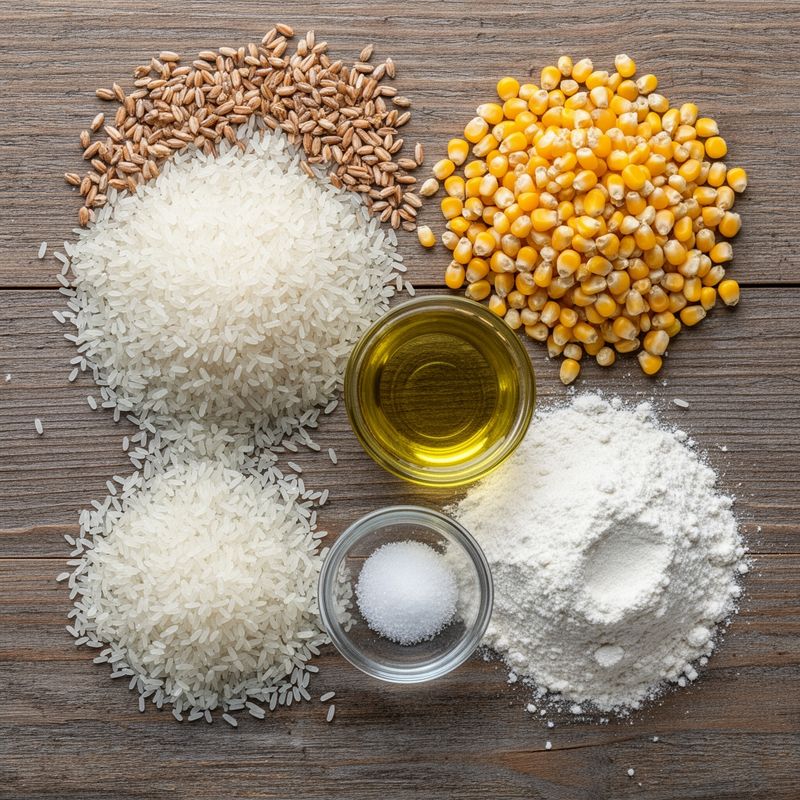
When evaluating the quality of rice and corn crackers, ingredient lists and processing methods are critical. Rice crackers often contain rice flour, water, oil, and salt. However, many commercial varieties use white rice flour which is stripped of the bran and germ, reducing its fiber and nutrient content. For optimal health benefits, look for crackers labeled as “brown rice crackers” or “whole-grain rice crackers.”
Corn crackers, particularly those made with whole-grain cornmeal or masa harina retain more nutrients due to the nixtamalization process. This traditional method not only enhances flavor but also increases the availability of iron, zinc, and B vitamins. However, some mass-produced corn crackers may contain added preservatives or artificial flavors. Organic and non-GMO options are preferable for those avoiding genetically modified ingredients, as over 90% of U.S. corn is genetically modified
Both types of crackers can be high in sodium, so opt for “low-sodium” or “no salt added” varieties if you’re watching your intake. Additionally, check for added sugars or hydrogenated oils, which can negate the health benefits of whole-grain bases
Benefits and Potential Downsides
Rice Crackers: Pros and Cons
Pros
- Gluten-free Naturally gluten-free, making them safe for those with celiac disease or gluten sensitivity
- Low allergen Less likely to cause allergic reactions compared to wheat-based crackers
- Versatile Pair well with savory and sweet toppings, from hummus to almond butter
Cons
- Low in nutrients Unless made with brown rice, they may lack fiber and essential vitamins
- Glycemic index White rice crackers have a high GI, potentially causing blood sugar spikes
Corn Crackers: Pros and Cons
Pros
- Rich in antioxidants Corn contains lutein and zeaxanthin, which protect eye health
- Fiber content Whole-grain corn crackers provide 2–5g of fiber per ounce, promoting satiety
- Cultural versatility Compatible with Mediterranean, Latin American, and Asian flavor profiles
Cons
- Natural sugars May affect blood glucose levels more than rice crackers
- GMO concerns Conventional corn is often genetically modified, though organic options are available
As noted in the PMC study on whole grains, regular consumption of fiber-rich crackers (like whole-grain corn or brown rice) can lower LDL cholesterol by 5–10%. However, refined versions offer minimal health benefits beyond calories
Which Should You Choose: A Practical Guide
Your choice between rice and corn crackers should align with your dietary goals and health needs
- For Gluten-Free Diets Both are gluten-free, but corn crackers made with masa often have a more robust flavor
- For High Fiber Opt for whole-grain corn crackers or brown rice crackers
- For Blood Sugar Control Brown rice crackers (low GI) may be preferable over corn crackers with added sugars
- For Mineral Density Corn crackers fortified with iron or zinc can support anemia prevention
- For Snacking Variety Rice crackers are lighter and pair well with dips, while corn crackers hold up better under hearty toppings like guacamole
Athletes may prefer rice crackers for quick energy due to their higher starch content, while individuals with digestive issues might benefit from the fiber in corn crackers
Recipes and Pairing Suggestions
Brown Rice Cracker Snack Board
Ingredients
- 1 cup brown rice crackers
- 1/4 cup almond butter
- 1 tbsp honey
- 1/2 cup sliced strawberries
- 1/4 cup dark chocolate chips (70% cacao)
Instructions
- Spread almond butter on half the crackers
- Drizzle with honey and top with strawberries
- Melt chocolate and drizzle over the remaining crackers
Spicy Corn Cracker Bites
Ingredients
- 1 cup whole-grain corn crackers
- 1/4 cup black bean dip
- 1 tbsp lime crema (mix lime juice and Greek yogurt)
- 1/4 tsp chili powder
Instructions
- Top crackers with black bean dip
- Drizzle with lime crema and sprinkle chili powder
Pair rice crackers with hummus or baba ghanoush for a Mediterranean twist, or corn crackers with salsa or queso for a Latin-inspired snack
Final Verdict
Both rice and corn crackers have merit, but the decision hinges on your priorities. For whole-grain nutrition and antioxidants, corn crackers made with whole maize kernels are superior. If you prefer a lighter texture and need strict gluten avoidance, rice crackers—especially those made with brown rice—are a safe bet. Always read labels to ensure minimal additives and maximum whole-grain content. Remember, moderation is key: even healthy snacks should be part of a balanced diet rich in fruits, vegetables, and lean proteins
'The best snack choice depends on the individual’s health goals and how the snack fits into their overall diet,' says Dr. Maria Rodriguez, a registered dietitian. 'Both rice and corn crackers can be part of a healthy eating pattern when chosen wisely.'
By understanding the nuances of these two staples, you can make a choice that aligns with your health objectives while enjoying the crisp, satisfying texture of a well-crafted cracker
🔍 FoodReveal helps you decode nutrition labels beyond marketing. Available for Android and iOS.
Leave a review