
INTRODUCTION
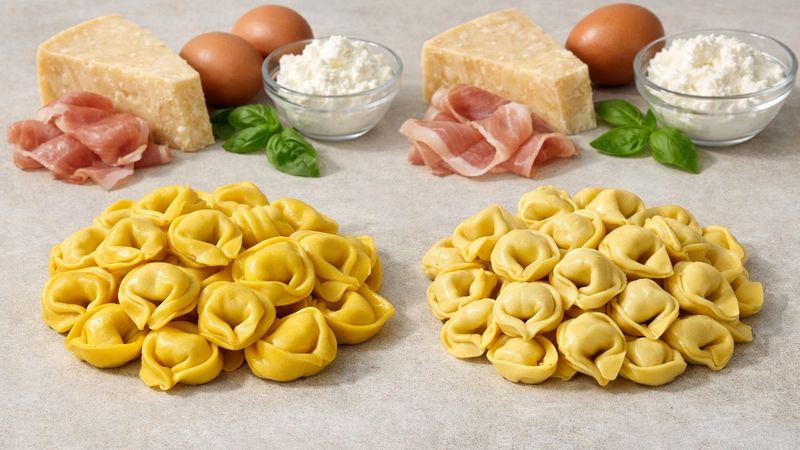
In today's fast-paced world, convenience foods have become a staple in many households. With the rise of packaged goods, it's essential to examine the nutritional content and ingredients of popular products. In this article, we'll compare two well-known brands of packaged tortellini: Rana and Buitoni. For those interested in exploring other comparisons, our previous article Siggi's vs Fage: Greek yogurt comparison provides valuable insights into the world of yogurt. We'll delve into the definition, production process, nutritional content, and health effects of these two brands, helping you make informed decisions about your dietary choices.
What They Are: Definition and Origins
Tortellini are a type of Italian pasta filled with meat, cheese, or vegetables. The origins of tortellini date back to the Middle Ages in Italy, where they were served as a specialty dish. Today, various brands offer packaged tortellini, making it easier for consumers to enjoy this traditional Italian dish at home. Rana and Buitoni are two prominent brands in the market, each with its unique history and production process.
How They're Made
The production process of tortellini involves mixing and kneading dough, followed by filling and shaping the pasta. Industrial manufacturers like Rana and Buitoni use large-scale machinery to produce their products, whereas artisanal producers focus on traditional methods and high-quality ingredients. The difference in production processes can affect the final product's taste, texture, and nutritional content.
Detailed Nutritional Comparison
| Nutrient | Rana Tortellini | Buitoni Tortellini |
|---|---|---|
| Calories | 250-300 per serving | 200-250 per serving |
| Protein | 10-12g per serving | 8-10g per serving |
| Fat | 10-12g per serving | 8-10g per serving |
| Saturated Fat | 2-3g per serving | 1.5-2.5g per serving |
| Sodium | 400-500mg per serving | 350-450mg per serving |
The nutritional content of Rana and Buitoni tortellini shows some differences, with Rana generally having more calories and protein per serving. However, Buitoni's products tend to have less saturated fat and sodium. It's essential to consider these factors when choosing a packaged tortellini brand. As seen in our article Basmati Rice vs Jasmine Rice: Nutritional Comparison, even small variations in nutritional content can impact our overall diet.
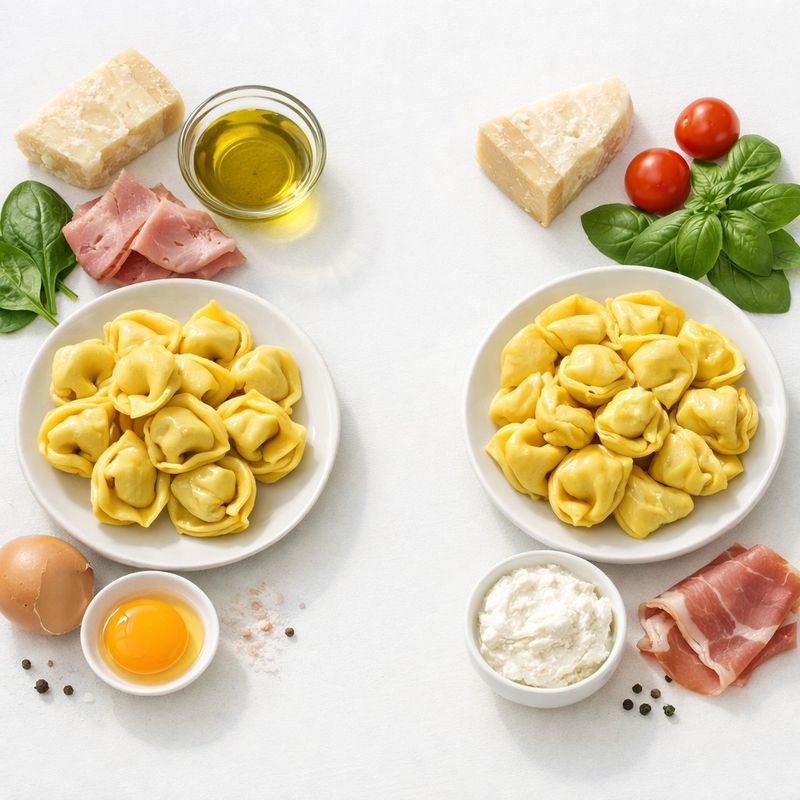
The comparison also highlights the importance of checking the ingredient list, as some products may contain more additives or preservatives than others. Consumers should be aware of the potential health effects of these ingredients and opt for cleaner-label alternatives when possible.
In-Depth Ingredient Analysis
Typical ingredients of Rana and Buitoni tortellini include wheat flour, eggs, cheese, and various fillings such as meat or vegetables. Upon closer examination, some products may contain additives like sodium nitrite or artificial flavorings. Consumers should be cautious of these ingredients and choose products with simpler, more natural ingredient lists. For example, some brands may use E-numbers like E621 (monosodium glutamate) or E330 (citric acid), which can be controversial among health-conscious consumers.
Additives and Controversial Substances
Common additives in packaged tortellini include preservatives, flavor enhancers, and texture modifiers. While these substances are generally recognized as safe, some consumers may be sensitive to their effects or prefer to avoid them altogether. Cleaner-label alternatives, such as those using natural preservatives or minimal ingredients, are becoming increasingly popular among health-conscious consumers.
Health Effects and Benefits
Packaged tortellini can be a part of a balanced diet when consumed in moderation. The benefits of tortellini include providing a good source of carbohydrates, protein, and some essential vitamins and minerals. However, excessive consumption can lead to an imbalanced diet and potential health risks. As discussed in our article Antioxidants in Fruits and Vegetables, a balanced diet rich in whole foods can provide numerous health benefits, and consumers should strive to limit their intake of processed products like packaged tortellini.
How to Read the Label: A Practical Guide
When reading the label of packaged tortellini, consumers should look for the ingredient list, nutritional content, and any certifications like "low sodium" or "no artificial preservatives." Red flags include long ingredient lists, high amounts of saturated fat or sodium, and the presence of controversial additives. Industry tricks to disguise poor ingredients include using generic terms like "spices" or "natural flavorings," which can hide unwanted substances. By being aware of these tactics and carefully examining the label, consumers can make informed choices about their dietary habits.
Best Products on the Market
Rana Organic Tortellini: Key ingredients include organic wheat flour, organic ricotta cheese, and organic spinach. Two strengths are the use of high-quality organic ingredients and the variety of fillings available. One weakness is the higher price point compared to non-organic options. This product is ideal for health-conscious consumers who prioritize organic and sustainable products. For more information on the impact of industrial vs artisanal production, visit Artisan vs industrial ice cream: ingredients & impact.
Buitoni Wild Mushroom Tortellini: Key ingredients include wheat flour, ricotta cheese, and wild mushrooms. Two strengths are the rich flavor profile and the convenience of a pre-made product. One weakness is the presence of preservatives to extend shelf life. This product is ideal for consumers looking for a quick and easy meal solution that still offers a gourmet taste experience.
Barilla Tortellini: Key ingredients include wheat flour, ricotta cheese, and Parmesan cheese. Two strengths are the wide availability in supermarkets and the affordability. One weakness is the lower quality of ingredients compared to artisanal brands. This product is ideal for budget-conscious consumers who still want to enjoy a classic Italian dish.
Recipes and Kitchen Uses
Recipe 1: Spinach and Ricotta Tortellini Soup
Ingredients:
- 1 package of tortellini
- 2 cups of chicken broth
- 1 cup of fresh spinach
- 1/2 cup of grated Parmesan cheese
Instructions:
- Bring the chicken broth to a boil.
- Add the tortellini and cook according to package instructions.
- Add the fresh spinach and cook until wilted.
- Serve with grated Parmesan cheese.
- Enjoy as a comforting and nutritious meal.
Prep time: 20 minutes.
Recipe 2: Tortellini Salad with Pesto Sauce
Ingredients:
- 1 package of tortellini
- 1/2 cup of pesto sauce
- 1 cup of cherry tomatoes, halved
- 1/4 cup of grated mozzarella cheese
Instructions:
- Cook the tortellini according to package instructions.
- In a large bowl, combine the cooked tortellini, pesto sauce, cherry tomatoes, and mozzarella cheese.
- Toss to combine and serve as a light and refreshing summer salad.
Prep time: 15 minutes.
Sustainability and Environmental Impact
The production of packaged tortellini can have a significant environmental impact due to the energy required for manufacturing, packaging, and transportation. Consumers can choose responsibly by selecting products with minimal packaging, buying in bulk, and opting for brands that prioritize sustainability. Additionally, choosing organic and locally sourced ingredients can reduce the carbon footprint of the product.
Frequently Asked Questions
What is the difference between Rana and Buitoni tortellini?
Answer: Rana and Buitoni are two different brands of packaged tortellini, each with its own unique ingredients, production processes, and price points.
Can I freeze packaged tortellini?
Answer: Yes, most packaged tortellini can be frozen to extend shelf life, but it's essential to follow the package instructions for freezing and reheating.
Are tortellini a healthy meal option?
Answer: Tortellini can be a healthy meal option if made with wholesome ingredients and consumed in moderation as part of a balanced diet.
Final Verdict
In conclusion, when comparing Rana and Buitoni packaged tortellini, it's essential to consider factors such as ingredients, production processes, and price points. For consumers looking for a healthier option, Vitamin C in Foods: Complete Guide to Ascorbic Acid can provide valuable insights into the nutritional benefits of various ingredients. Ultimately, the choice between these two brands will depend on individual priorities and dietary needs.
🔍 FoodReveal helps you decode nutrition labels beyond marketing. Available for Android and iOS.
Leave a review