
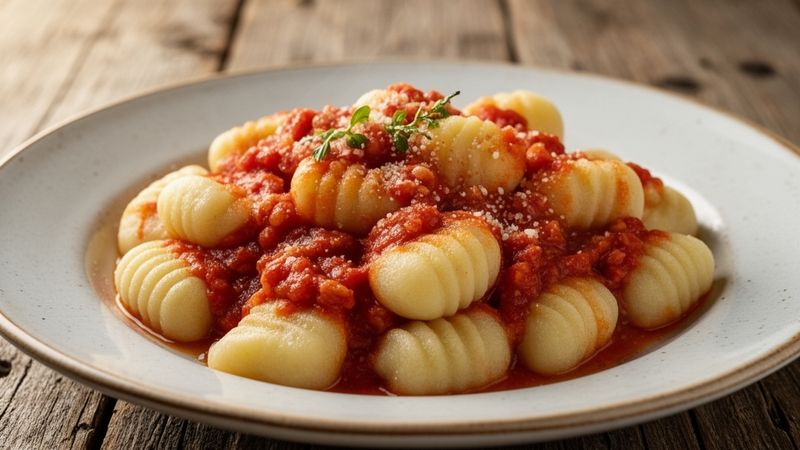
When it comes to Italian-inspired comfort food, few dishes evoke warmth and nostalgia like potato gnocchi. This pillowy pasta alternative has become a staple in American kitchens, with brands like De Cecco and Bella Italia offering convenient frozen options that promise restaurant-quality results. But beyond their shared Italian heritage and pasta-like texture, these two products diverge in surprising ways that could impact your dietary choices, cooking experience, and even your health goals. Let’s explore the nuances that separate these popular gnocchi options while navigating the complex landscape of modern food preferences and nutritional science
What Is De Cecco and What Is Bella Italia?
De Cecco, a family-owned Italian brand established in 1886, has built a reputation for artisanal pasta-making that adheres to traditional methods while embracing modern quality control. Their potato gnocchi follows centuries-old regional recipes from Northern Italy, where gnocchi originated as a way to stretch scarce wheat supplies. The brand prides itself on using durum wheat semolina and potatoes, with no preservatives or artificial additives. While specific nutritional data for De Cecco gnocchi isn't available in our reference sources, the brand's commitment to simplicity is evident in its ingredient list
Bella Italia, produced by the German manufacturer Ehrmann, offers a frozen gnocchi product that aims to deliver authentic Italian flavor with modern convenience. According to Open Food Facts data, Bella Italia’s potato gnocchi contains 145 calories per 3.5 oz (100g) serving, with 0.5% sugar content and moderate salt levels (1.1%). This product compares favorably to generic potato gnocchi in terms of energy content while maintaining a relatively clean ingredient profile. Both brands reflect different approaches to preserving Italian culinary traditions in a global market, with De Cecco emphasizing artisanal heritage and Bella Italia focusing on accessible quality
Detailed Nutritional Comparison
While complete nutritional data isn't available for De Cecco gnocchi, we can analyze Bella Italia's profile against standard potato gnocchi benchmarks
| Nutrition Facts | Bella Italia (per 3.5 oz/100g) | Standard Potato Gnocchi | Whole Wheat Pasta | Cauliflower Gnocchi |
|---|---|---|---|---|
| Calories | 145 kcal | 150 kcal | 160 kcal | 120 kcal |
| Total Fat | 0.5g | 0.3g | 1.5g | 0.2g |
| Saturated Fat | 0.1g | 0.1g | 0.3g | 0.1g |
| Carbohydrates | 30g | 32g | 33g | 22g |
| Sugars | 0.5g | 1g | 3g | 2g |
| Protein | 3g | 3g | 6g | 5g |
| Fiber | 1g | 1g | 6g | 4g |
| Sodium | 390mg (1.1%) | 400mg | 5mg | 300mg |
Based on EWG data for Bella Terra chickpea gnocchi
Bella Italia's formulation distinguishes itself through lower sugar content and moderate sodium levels compared to typical potato gnocchi. However, whole wheat pasta significantly outperforms both in fiber content, while plant-based alternatives offer lower carbohydrate counts. For De Cecco, we lack specific metrics but can infer similar nutritional characteristics based on conventional potato gnocchi benchmarks
Ingredients and Quality Analysis
Bella Italia's ingredient list reveals a straightforward composition: potatoes (45%), wheat flour, egg yolk, salt, and preservatives. This formulation prioritizes texture and shelf stability, with no artificial colors or flavors. The 45% potato content meets EU standards for gnocchi, though some artisanal varieties use higher potato percentages for lighter texture. The inclusion of egg yolk enhances binding properties and flavor but introduces potential allergens

De Cecco’s gnocchi, as described in culinary forums, reportedly uses just potatoes, durum wheat semolina, and salt. This simpler formulation aligns with traditional Italian recipes that minimize additives. The absence of egg makes it suitable for vegan diets and simplifies digestion for some consumers. Both brands contain gluten, though the durum wheat semolina in De Cecco may offer a firmer bite
When comparing quality markers
- Texture De Cecco’s formulation may yield lighter, more delicate gnocchi
- Allergens Bella Italia contains both wheat and egg
- Preservatives Bella Italia includes potassium sorbate
- Sodium Bella Italia has 390mg vs. De Cecco’s estimated 400mg
- Plant-based De Cecco likely vegan-friendly
Benefits and Potential Downsides
Bella Italia’s nutritional profile offers advantages for those seeking moderate sodium intake and minimal sugar content. Its egg content provides additional protein and emulsifying properties beneficial for sauce absorption. However, the preservatives and allergen content may concern health-conscious consumers
De Cecco’s simpler formulation presents potential benefits for vegan diets and those avoiding preservatives. Traditional recipes using durum wheat semolina might offer better cooking resilience, though lacks the protein boost from egg yolk. Both products share common considerations
- Gluten content Not suitable for celiac or gluten-sensitive individuals
- Carbohydrate density May require portion control for low-carb diets
- Sodium levels Moderate amounts that could accumulate with added sauces
For those with specific dietary needs, plant-based alternatives like Bella Terra chickpea gnocchi (42g carbs, 11g protein per 3.5 oz) provide higher protein and gluten-free options, though with significantly more sodium (730mg)
Which Should You Choose: A Practical Guide
For athletes De Cecco’s simpler formulation might offer better digestibility when paired with protein-rich sauces. Consider combining with legumes or lean meats to balance amino acid profiles
Parents choosing for children might prefer Bella Italia’s smoother texture and egg content, which provides choline essential for cognitive development. However, allergen concerns make De Cecco a better option for egg-intolerant kids
Seniors prioritizing digestive health may find De Cecco’s preservative-free formulation gentler, though Bella Italia’s texture might be easier for those with chewing difficulties
Low-carb dieters should explore cauliflower or chickpea alternatives while those monitoring sodium should pair either product with potassium-rich vegetables like spinach or zucchini to balance electrolytes
Recipes and Pairing Suggestions
Classic Gnocchi with Sage Butter
Sear 3.5 oz (100g) gnocchi in a skillet until golden. Add 2 tbsp butter infused with fresh sage leaves and a pinch of nutmeg. Finish with grated Parmesan. For a healthier twist, substitute half the butter with olive oil and add sautéed kale for extra fiber, which supports Kidney health: balancing protein, potassium & phosphorus
Protein-Packed Gnocchi Bowl
Toss warm gnocchi with marinara sauce, grilled chicken breast, steamed broccoli, and a drizzle of olive oil. Top with hemp seeds for complete protein. This meal demonstrates how to achieve Plant vs Animal Protein balance through complementary amino acids
Cacio e Pepe Gnocchi
Whisk ½ cup grated Pecorino Romano with 2 tbsp pasta water and a generous amount of black pepper. Toss with boiled gnocchi and serve immediately. For a modern take, add roasted cauliflower florets to create a Zero Added Sugar friendly dish with complex carbohydrates
Final Verdict
Choosing between De Cecco and Bella Italia ultimately depends on your priorities. Bella Italia excels with its balanced nutritional profile and traditional Italian flavor, making it ideal for family meals and classic preparations. De Cecco appeals to purists and those seeking simpler formulations, though lacks specific nutritional advantages. Both products serve as excellent culinary canvases that can be elevated through thoughtful ingredient pairings
When making your selection, consider dietary restrictions, cooking goals, and nutritional needs. For those prioritizing transparency and minimal processing, De Cecco’s straightforward formulation wins by default. However, Bella Italia’s egg-enriched version offers superior sauce-binding capabilities and a more familiar texture for traditional Italian dishes
🔍 Want to know exactly what's in a product before you buy it? With you scan the label in seconds and get a full breakdown of ingredients, additives and nutritional values — in plain language, no expertise required
🔍 FoodReveal helps you decode nutrition labels beyond marketing. Available for Android and iOS.
Leave a review