
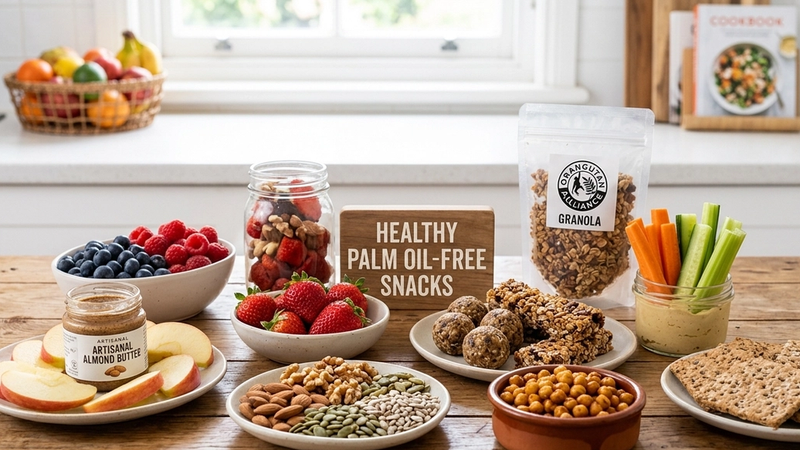
Finding snacks that are both appealing to children and align with health and ethical considerations can feel like navigating a minefield. Parents are increasingly aware of the ingredients in the foods their children consume, looking beyond sugar content and towards broader impacts – environmental, social, and health-related. One ingredient that’s frequently under scrutiny is palm oil. While not inherently unhealthy– studies show its fatty acid profile isn't demonstrably worse than other fats [1] – its production is linked to significant deforestation and habitat loss, particularly in Southeast Asia. This has led many families to actively seek palm oil-free alternatives. This article dives into the world of palm oil-free snacks, examining their nutritional profiles, ingredient quality, potential benefits, and offering practical guidance for parents looking to make informed choices for their kids
What They Are
Palm oil, derived from the fruit of the oil palm tree, is incredibly versatile and widely used in food production due to its low cost, semi-solid texture at room temperature, and resistance to oxidation. It appears in an astonishing range of products – from cookies and crackers to chocolate spreads and even some seemingly ‘healthy’ snacks. The demand for palm oil has fueled widespread deforestation, endangering species like orangutans [3]. Choosing palm oil-free snacks is a conscious decision to reduce demand and support more sustainable practices. However, it's crucial to understand that simply removing palm oil doesn't automatically equate to a healthier product. Manufacturers often substitute it with other fats, like sunflower oil, rapeseed oil, or even higher levels of saturated fats like coconut oil or butter. This means careful label reading is essential. The term “palm oil-free” isn’t always strictly regulated, so verifying ingredient lists remains paramount. Many brands are responding to consumer demand by explicitly labeling products as palm oil-free and committing to sourcing sustainable alternatives. It’s also important to note that some companies are actively working with certified sustainable palm oil (CSPO) suppliers to minimize environmental impact; however, the effectiveness of CSPO is still debated by environmental groups
Detailed Nutritional Comparison
One of the biggest concerns when switching to palm oil-free snacks is understanding how the nutritional profile changes. As highlighted in research [1], replacing palm oil can sometimes lead to an increase in saturated fat content. Let’s compare some common snack categories with and without palm oil. It’s important to remember that nutritional values can vary significantly between brands, so these are general estimations based on available data. We’ll focus on 3.5 oz (100g) servings for consistency. It’s also worth noting that official data isn’t always readily available for all products, particularly newer palm oil-free options
| Snack Category | Palm Oil Present (per 100g) | Palm Oil Free (per 100g) | Notes |
|---|---|---|---|
| Chocolate Cookies | Calories: 500, Total Fat: 30g, Saturated Fat: 10g, Sugar: 30g | Calories: 480, Total Fat: 28g, Saturated Fat: 12g, Sugar: 28g | Palm oil free versions often use more butter or coconut oil. |
| Crackers (Sweet) | Calories: 450, Total Fat: 20g, Saturated Fat: 5g, Sugar: 15g | Calories: 460, Total Fat: 22g, Saturated Fat: 7g, Sugar: 14g | Substitution with vegetable oils can increase overall fat content. |
| Fruit Snacks | Calories: 350, Total Fat: 5g, Saturated Fat: 1g, Sugar: 60g | Calories: 340, Total Fat: 6g, Saturated Fat: 1.5g , Sugar: 58g | Often sugar content remains high regardless of palm oil presence. |
| Puffed Snacks (Cheese) | Calories: 520, Total Fat: 25g, Saturated Fat: 8g , Sugar: 3g | Calories: 530, Total Fat: 27g , Saturated Fat:9g , Sugar :3g | Higher saturated fat in palm-oil free versions. |
| Granola Bars | Calories: 400, Total Fat: 18g , Saturated Fat :4 g , Sugar :20 g | Calories :410 , Total Fat :20 g , Saturated Fat :5 g , Sugar :19 g | Palm-oil free bars may rely on more nuts/seeds increasing fat content. |
As this table illustrates, simply removing palm oil doesn't guarantee a healthier snack; it often involves trade-offs. Understanding these changes allows parents to make informed decisions based on their family's dietary needs
Ingredients and Quality Analysis
The focus shouldn't solely be on eliminating palm oil but also on the quality of replacement ingredients. Many palm oil-free snacks rely heavily on refined vegetable oils – sunflower oil, rapeseed oil (canola), or soybean oil – which offer little nutritional value and can be highly processed [2]. Look for snacks using whole food fats like olive oil or avocado oil in moderation. Another key consideration is the presence of added sugars. Palm oil-free doesn’t mean sugar-free! Many manufacturers compensate for the texture and mouthfeel lost by removing palm oil by increasing sugar content. Reading the ingredient list is crucial; look for hidden sugars like corn syrup solids or dextrose. Consider choosing snacks sweetened with fruit purees or small amounts of natural sweeteners like maple syrup or honey (for children over one year old). When comparing products utilizing whole grains – such as crackers – look at whether they are truly whole grains as described in our article on [Whole Grain? What Kellogg’s All‑Bran 100% Whole Says] Furthermore utilizing apps like [The Best Nutrition Apps of 2025: A Complete Guide] can help you navigate complex food labels
Benefits and Potential Downsides
The primary benefit of choosing palm oil-free snacks is contributing to the reduction of deforestation and supporting more sustainable agricultural practices [3]. This aligns with ethical consumerism and helps protect vulnerable ecosystems and wildlife. From a health perspective, while palm oil isn't inherently detrimental [4], avoiding it encourages a closer examination of overall ingredient quality. The process of seeking out alternatives often leads consumers to prioritize snacks with fewer processed ingredients and lower sugar content. However there are potential downsides too. As previously mentioned substituting palm oil can sometimes lead to an increase in saturated fats which should be consumed in moderation as outlined by dietary guidelines [4]. Furthermore “palm oil-free” products can be more expensive than their conventional counterparts making them less accessible for some families
Which Should You Choose
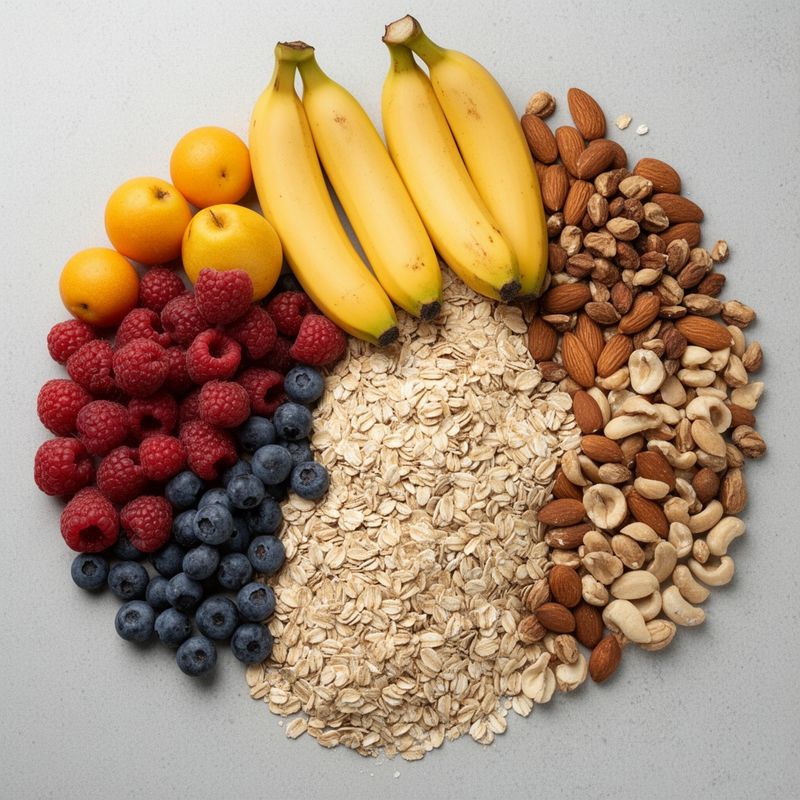
The “best” choice depends on your individual priorities and your child’s dietary needs. If sustainability is your primary concern then prioritizing certified sustainable options (though recognizing their limitations) or actively seeking out clearly labeled “palm oil-free” products is a good starting point. If health is your main focus then prioritize snacks with minimal added sugar whole grains healthy fats and a short ingredient list [2]. Don't be afraid to make your own snacks! Homemade granola bars muffins or fruit leathers allow you complete control over ingredients ensuring both health and sustainability are addressed [5]. Utilizing resources like [Sugar-Free Snacks: 5 Healthy Options] can provide inspiration for homemade recipes or store bought alternatives that align with your values
Recipes and Pairing Ideas
Here are a few simple ideas for creating delicious and healthy palm oil-free snacks
- Apple slices with almond butter A classic combination providing fiber healthy fats and protein
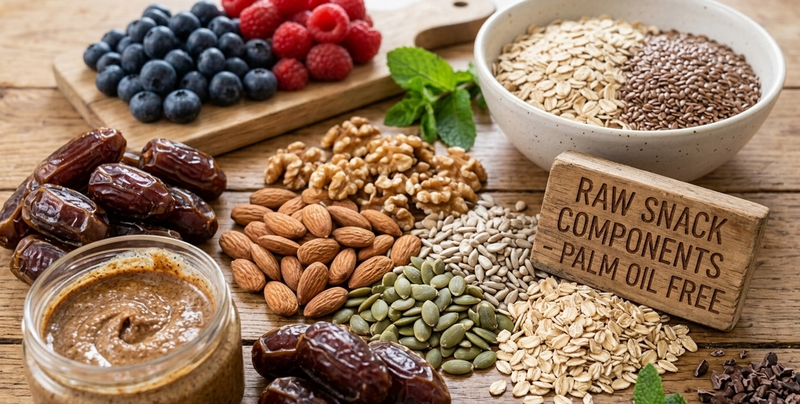
- Homemade trail mix Combine nuts seeds dried fruit (unsweetened) and a sprinkle of dark chocolate chips
- Whole grain crackers with hummus A satisfying snack offering fiber protein and healthy fats – consider options described in our article on [Whole Grain Crackers: Best Choices]
- Yogurt parfait Layer yogurt (unsweetened) with berries granola (palm-oil free) and a drizzle of honey
- Banana “nice” cream Blend frozen bananas for a creamy ice cream alternative
You can enhance these pairings by focusing on nutrient density – adding a side of carrot sticks or cucumber slices provides extra vitamins and hydration
Final Verdict
The quest for palm oil-free snacks is commendable but requires a nuanced approach. It's not simply about removing one ingredient; it's about making informed choices based on overall nutritional value ingredient quality sustainability concerns and budget constraints. Prioritize whole foods minimize added sugars choose healthy fats read labels carefully and don't hesitate to get creative in the kitchen! Remember that small changes can make a big difference both for your family's health and for the planet
🔍 Want to know exactly what's in a product before you buy it? With you scan the label in seconds and get a full breakdown of ingredients additives and nutritional values — in plain language no expertise required
🔍 FoodReveal helps you decode nutrition labels beyond marketing. Available for Android and iOS.
Leave a review