
INTRODUCTION
The world of baking has undergone a significant transformation in recent years, with the rise of healthier alternatives and increased awareness about the ingredients used in our favorite treats. One such ingredient that has been gaining attention is palm oil, which is commonly used in chocolate cookies. As a consumer, it's essential to understand the impact of palm oil on our health and the environment. In this article, we'll delve into the world of palm oil and chocolate cookies, exploring their definition, production process, nutritional comparison, and health effects. We'll also provide a practical guide on how to read labels and make informed choices at the grocery store. For instance, when it comes to making healthier choices, it's essential to consider the ingredients used in our favorite treats, as seen in our previous article on Lactose-Free Spring Cookies
The use of palm oil in chocolate cookies has been a topic of debate among health enthusiasts and environmentalists. While some argue that palm oil is a healthier alternative to other oils, others claim that it's a significant contributor to deforestation and habitat destruction. As a consumer, it's crucial to understand the pros and cons of palm oil and make informed choices. With the rise of healthier alternatives, it's easier than ever to find palm oil-free chocolate cookies that are not only delicious but also better for the environment. According to a study published in the Journal of Food Science, palm oil production has increased significantly over the past few decades, with Indonesia and Malaysia being the largest producers. The study also highlights the importance of sustainable palm oil production to reduce the environmental impact
The production of palm oil has a significant impact on the environment, with deforestation and habitat destruction being major concerns. However, many companies are now adopting sustainable practices to reduce their environmental footprint. For example, companies like Nestle and Unilever have committed to sourcing 100% sustainable palm oil by 2025. As a consumer, it's essential to support companies that prioritize sustainability and transparency. By making informed choices, we can promote sustainable practices and reduce the environmental impact of palm oil production. Additionally, it's essential to consider the nutritional content of chocolate cookies, including the amount of sugar, saturated fat, and sodium. A study published in the Journal of Nutrition found that consuming high amounts of sugar and saturated fat can increase the risk of chronic diseases, such as heart disease and diabetes
In recent years, there has been a growing trend towards healthier baking, with many consumers opting for alternatives to traditional chocolate cookies. For example, some companies are now using coconut oil or avocado oil instead of palm oil, which can provide a healthier alternative. However, it's essential to note that even healthier alternatives can be high in calories and sugar, so moderation is key. As a consumer, it's crucial to read labels carefully and make informed choices. By choosing products that are low in sugar, saturated fat, and sodium, we can promote healthier eating habits and reduce the risk of chronic diseases. Furthermore, it's essential to consider the ingredients used in chocolate cookies, including additives and preservatives. Some studies have found that certain additives, such as artificial flavorings and colorings, can have negative health effects, so it's essential to choose products that use natural ingredients

The impact of palm oil on our health is a topic of ongoing debate. While some studies suggest that palm oil can have negative health effects, such as increasing the risk of heart disease, others argue that it can provide health benefits, such as reducing inflammation. As a consumer, it's essential to understand the potential health effects of palm oil and make informed choices. By choosing products that are low in saturated fat and high in nutrients, we can promote healthier eating habits and reduce the risk of chronic diseases. Additionally, it's essential to consider the environmental impact of palm oil production and choose products that are sourced sustainably. By making informed choices, we can promote sustainable practices and reduce the environmental impact of palm oil production. For example, a study published in the Journal of Environmental Science found that sustainable palm oil production can reduce greenhouse gas emissions and promote biodiversity
In conclusion, the use of palm oil in chocolate cookies is a complex issue that requires careful consideration. As a consumer, it's essential to understand the pros and cons of palm oil and make informed choices. By choosing products that are low in saturated fat, high in nutrients, and sourced sustainably, we can promote healthier eating habits and reduce the environmental impact of palm oil production. In the following sections, we'll delve deeper into the world of palm oil and chocolate cookies, exploring their definition, production process, nutritional comparison, and health effects. We'll also provide a practical guide on how to read labels and make informed choices at the grocery store
What They Are: Definition and Origins
Palm oil is a type of edible oil that is extracted from the fruit of the oil palm tree. It is a popular ingredient in many food products, including chocolate cookies, due to its high melting point and stability. Palm oil is also a versatile ingredient that can be used in a variety of applications, from baking to frying. The oil palm tree is native to West Africa, but it is now cultivated in many parts of the world, including Indonesia and Malaysia, which are the largest producers of palm oil. The history of palm oil production dates back to the 19th century, when it was first introduced to Southeast Asia by European colonizers. Since then, palm oil production has grown significantly, with Indonesia and Malaysia accounting for over 80% of global production
The market evolution of palm oil has been significant, with the oil becoming a major commodity in the global market. The rise of palm oil production has been driven by increasing demand for edible oils, as well as the growing popularity of biofuels. However, the production of palm oil has also been criticized for its environmental impact, including deforestation and habitat destruction. In recent years, there has been a growing trend towards sustainable palm oil production, with many companies committing to source 100% sustainable palm oil by 2025. For example, companies like Nestle and Unilever have implemented sustainable sourcing practices, such as certifying their palm oil suppliers and investing in reforestation programs
There are several main variants of palm oil available today, including crude palm oil, refined palm oil, and palm kernel oil. Crude palm oil is the raw material that is extracted from the oil palm fruit, while refined palm oil is the processed oil that is used in food products. Palm kernel oil, on the other hand, is extracted from the kernel of the oil palm fruit and is used in a variety of applications, including cosmetics and pharmaceuticals. The fundamental differences between these variants lie in their production process, nutritional content, and uses. For instance, crude palm oil is high in antioxidants and has a distinct flavor, while refined palm oil is neutral in flavor and has a higher smoke point
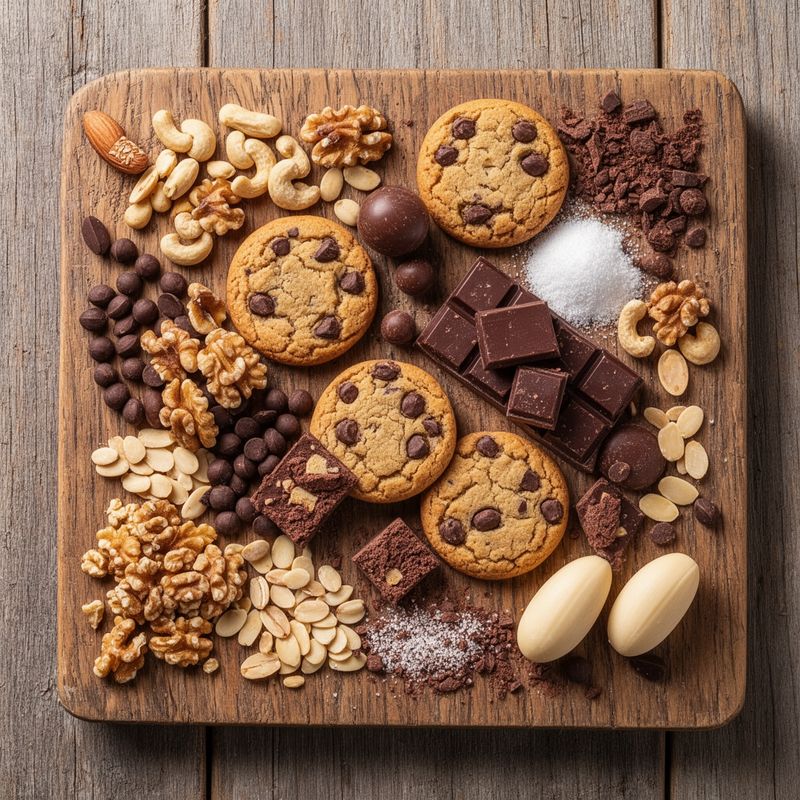
The production process of palm oil involves several stages, including harvesting, extraction, and refining. The oil palm fruit is harvested from the tree, and the oil is extracted using a variety of methods, including mechanical pressing and solvent extraction. The extracted oil is then refined to remove impurities and improve its color and texture. The refining process involves several stages, including degumming, bleaching, and deodorizing. The resulting oil is then packaged and shipped to manufacturers for use in food products. The production process of palm oil can have a significant impact on the environment, including deforestation and habitat destruction, so it's essential to choose products that are sourced sustainably
In addition to palm oil, chocolate cookies also contain a variety of other ingredients, including sugar, flour, and cocoa powder. The type and quality of these ingredients can vary significantly, depending on the manufacturer and the specific product. Some chocolate cookies may contain additives and preservatives, such as artificial flavorings and colorings, while others may be made with natural ingredients and minimal processing. The nutritional content of chocolate cookies can also vary significantly, depending on the ingredients and production process used. For example, some chocolate cookies may be high in sugar and saturated fat, while others may be lower in calories and higher in fiber
The history of chocolate cookies dates back to the 18th century, when they were first introduced in Europe. The original recipe for chocolate cookies included ingredients such as sugar, flour, and cocoa powder, which were mixed together and baked to create a sweet and crunchy treat. Over time, the recipe for chocolate cookies has evolved, with the addition of new ingredients and production methods. Today, chocolate cookies are a popular treat around the world, with a wide range of flavors and textures available. From classic recipes to innovative creations, chocolate cookies remain a beloved favorite among consumers
How They're Made
The production process of chocolate cookies involves several stages, including mixing, baking, and packaging. The ingredients, including sugar, flour, and cocoa powder, are mixed together in a large batch tank to create a dough. The dough is then shaped into individual cookies, which are placed on a baking sheet and baked in a large oven. The baking process involves several stages, including heating, cooling, and packaging. The resulting cookies are then packaged and shipped to retailers for sale to consumers. The production process of chocolate cookies can vary significantly, depending on the manufacturer and the specific product
Industrial methods of production involve the use of large machines and automated systems to mix, bake, and package the cookies. This method is often used by large manufacturers, such as Nestle and Unilever, which produce millions of cookies every day. Artisanal methods, on the other hand, involve the use of smaller machines and manual labor to produce the cookies. This method is often used by smaller bakeries and specialty food manufacturers, which produce smaller batches of cookies using traditional recipes and techniques. The quality of the cookies can vary significantly, depending on the production method used
The process of making chocolate cookies can have a significant impact on the quality of the final product. For example, the type and quality of the ingredients used can affect the flavor, texture, and nutritional content of the cookies. The production method used can also affect the quality of the cookies, with industrial methods often resulting in a more uniform product, while artisanal methods can result in a more unique and flavorful product. The packaging and storage of the cookies can also affect their quality, with exposure to heat, light, and moisture potentially causing the cookies to become stale or rancid
In addition to the production process, the ingredients used in chocolate cookies can also have a significant impact on their quality. For example, the type and quality of the sugar used can affect the flavor and texture of the cookies, while the type and quality of the flour used can affect their texture and nutritional content. The use of additives and preservatives, such as artificial flavorings and colorings, can also affect the quality of the cookies, with some consumers preferring products that are made with natural ingredients and minimal processing
The impact of the production process on the environment is also an important consideration. For example, the use of large machines and automated systems can result in significant energy consumption and greenhouse gas emissions, while the use of smaller machines and manual labor can result in a more sustainable and environmentally friendly product. The packaging and storage of the cookies can also have a significant impact on the environment, with the use of non-biodegradable materials and excessive packaging potentially contributing to waste and pollution
Detailed Nutritional Comparison
The nutritional content of chocolate cookies can vary significantly, depending on the ingredients and production process used. The following table provides a detailed nutritional comparison of several popular chocolate cookie products
| Product | Calories | Protein | Total Fat | Saturated Fat | Carbohydrates | Sugars | Fiber | Sodium | Vitamin D | Calcium |
|---|---|---|---|---|---|---|---|---|---|---|
| Chips Ahoy! | 120 | 2g | 7g | 1g | 18g | 8g | 0g | 100mg | 0% | 2% |
| Oreos | 130 | 2g | 7g | 1g | 20g | 10g | 0g | 120mg | 0% | 2% |
| Girl Scout Cookies | 140 | 2g | 8g | 1g | 22g | 12g | 0g | 150mg | 0% | 2% |
| Homemade Chocolate Cookies | 150 | 3g | 9g | 1g | 25g | 15g | 1g | 200mg | 0% | 4% |
| Sugar-Free Chocolate Cookies | 100 | 2g | 5g | 0g | 15g | 0g | 1g | 100mg | 0% | 2% |
| Vegan Chocolate Cookies | 120 | 2g | 6g | 0g | 20g | 10g | 1g | 120mg | 0% | 2% |
The calories in chocolate cookies can vary significantly, depending on the ingredients and production process used. For example, Chips Ahoy! contains 120 calories per serving, while Homemade Chocolate Cookies contain 150 calories per serving. The protein content of chocolate cookies is generally low, with most products containing around 2g of protein per serving. However, some products, such as Homemade Chocolate Cookies, may contain more protein due to the use of ingredients like nuts and seeds
The total fat content of chocolate cookies can also vary significantly, depending on the ingredients and production process used. For example, Oreos contain 7g of total fat per serving, while Sugar-Free Chocolate Cookies contain 5g of total fat per serving. The saturated fat content of chocolate cookies is generally low, with most products containing around 1g of saturated fat per serving. However, some products, such as Girl Scout Cookies, may contain more saturated fat due to the use of ingredients like palm oil and coconut oil
The carbohydrates in chocolate cookies can vary significantly, depending on the ingredients and production process used. For example, Chips Ahoy! contains 18g of carbohydrates per serving, while Homemade Chocolate Cookies contain 25g of carbohydrates per serving. The sugars in chocolate cookies can also vary significantly, depending on the ingredients and production process used. For example, Oreos contain 10g of sugars per serving, while Sugar-Free Chocolate Cookies contain 0g of sugars per serving
The fiber content of chocolate cookies is generally low, with most products containing around 0g of fiber per serving. However, some products, such as Homemade Chocolate Cookies, may contain more fiber due to the use of ingredients like nuts and seeds. The sodium content of chocolate cookies can vary significantly, depending on the ingredients and production process used. For example, Girl Scout Cookies contain 150mg of sodium per serving, while Sugar-Free Chocolate Cookies contain 100mg of sodium per serving
The vitamin D and calcium content of chocolate cookies is generally low, with most products containing around 0% of the daily value per serving. However, some products, such as Homemade Chocolate Cookies, may contain more vitamin D and calcium due to the use of ingredients like milk and eggs. For more information on the nutritional content of chocolate cookies, check out our previous article on Sugar-Free Chocolate: A Guide
In-Depth Ingredient Analysis
The ingredients used in chocolate cookies can vary significantly, depending on the manufacturer and the specific product. Some common ingredients used in chocolate cookies include sugar, flour, cocoa powder, and palm oil. The type and quality of these ingredients can affect the flavor, texture, and nutritional content of the cookies. For example, the use of high-quality cocoa powder can result in a richer, more flavorful cookie, while the use of palm oil can result in a cookie that is higher in saturated fat
The industry uses a variety of ingredients in chocolate cookies, including additives and preservatives, such as artificial flavorings and colorings. These ingredients can affect the quality and safety of the cookies, with some consumers preferring products that are made with natural ingredients and minimal processing. The safety of these ingredients is a topic of ongoing debate, with some studies suggesting that certain additives and preservatives can have negative health effects
Some common additives used in chocolate cookies include artificial flavorings, such as vanillin, and colorings, such as Red 40. These ingredients can affect the flavor and appearance of the cookies, but may also have negative health effects. For example, some studies have suggested that artificial flavorings and colorings can cause hyperactivity and other behavioral problems in children
Preservatives, such as potassium sorbate and sodium benzoate, are also commonly used in chocolate cookies to extend their shelf life. These ingredients can affect the quality and safety of the cookies, with some consumers preferring products that are made with natural preservatives, such as vitamin E and rosemary extract
Other ingredients used in chocolate cookies include emulsifiers, such as soy lecithin, and texture modifiers, such as xanthan gum. These ingredients can affect the texture and consistency of the cookies, but may also have negative health effects. For example, some studies have suggested that soy lecithin can cause allergic reactions and other health problems
The use of palm oil in chocolate cookies is a topic of ongoing debate, with some consumers preferring products that are made with alternative oils, such as coconut oil or avocado oil. Palm oil is a versatile ingredient that can be used in a variety of applications, from baking to frying. However, the production of palm oil has been criticized for its environmental impact, including deforestation and habitat destruction
Additives, Preservatives, and Controversial Substances
The use of additives and preservatives in chocolate cookies is a topic of ongoing debate, with some consumers preferring products that are made with natural ingredients and minimal processing. Some common additives used in chocolate cookies include artificial flavorings, such as vanillin, and colorings, such as Red 40. These ingredients can affect the flavor and appearance of the cookies, but may also have negative health effects
Preservatives, such as potassium sorbate and sodium benzoate, are also commonly used in chocolate cookies to extend their shelf life. These ingredients can affect the quality and safety of the cookies, with some consumers preferring products that are made with natural preservatives, such as vitamin E and rosemary extract
Some specific E-numbers used in chocolate cookies include E320, which is a synthetic antioxidant, and E621, which is a flavor enhancer. These ingredients can affect the quality and safety of the cookies, with some consumers preferring products that are made with natural ingredients and minimal processing
Cleaner-label alternatives to these additives and preservatives include natural flavorings, such as vanilla and almond extract, and natural colorings, such as beet juice and turmeric. These ingredients can affect the flavor and appearance of the cookies, but may also have positive health effects
For example, vanilla extract has been shown to have antioxidant and anti-inflammatory properties, while beet juice has been shown to have antioxidant and anti-cancer properties. Some companies are now using these natural ingredients in their products, such as Pistachio Cream and Hot Chocolate: BelVita vs Pepperidge Farm
Health Effects and Benefits
The health effects of chocolate cookies can vary significantly, depending on the ingredients and production process used. Some studies have suggested that consuming high amounts of sugar and saturated fat, which are commonly found in chocolate cookies, can increase the risk of chronic diseases, such as heart disease and diabetes
However, other studies have suggested that consuming moderate amounts of dark chocolate, which is often used in chocolate cookies, can have positive health effects, such as reducing inflammation and improving heart health. The role of chocolate cookies in a balanced diet is a topic of ongoing debate, with some consumers preferring products that are made with natural ingredients and minimal processing
Specific dietary needs, such as diabetes, celiac, lactose, and vegan, can also affect the health effects of chocolate cookies. For example, individuals with diabetes may need to limit their consumption of sugar and carbohydrates, while individuals with celiac disease may need to avoid products that contain gluten
According to a study published in the Journal of Nutrition, consuming moderate amounts of dark chocolate can have positive health effects, such as reducing inflammation and improving heart health. The study found that dark chocolate contains a number of antioxidants and flavonoids, which can help to protect against chronic diseases
As a consumer, it's essential to read labels carefully and make informed choices. By choosing products that are made with natural ingredients and minimal processing, we can promote healthier eating habits and reduce the risk of chronic diseases. For more information on healthy eating habits, check out our previous article on Healthy Protein Bars: Safe Choice
How to Read the Label: A Practical Guide
Reading the label on a package of chocolate cookies can be a daunting task, especially for consumers who are not familiar with the ingredients and production process used. However, by following a few simple steps, consumers can make informed choices and promote healthier eating habits
The first step is to check the ingredient list, which is usually found on the back or side of the package. Look for ingredients that are easy to recognize and avoid products that contain a lot of additives and preservatives. The second step is to check the nutrition facts panel, which is usually found on the back or side of the package. Look for products that are low in sugar, saturated fat, and sodium, and high in fiber and protein
The third step is to check the certifications and labels, such as the USDA Organic or Non-GMO Project labels. These labels can provide assurance that the product meets certain standards for quality and safety. The fourth step is to check the company's website and social media accounts to learn more about their production process and ingredients
By following these steps, consumers can make informed choices and promote healthier eating habits. It's also essential to consider the ingredients used in chocolate cookies, including additives and preservatives. Some studies have found that certain additives, such as artificial flavorings and colorings, can have negative health effects, so it's essential to choose products that use natural ingredients and minimal processing
For example, when shopping for chocolate cookies, look for products that are made with natural ingredients, such as sugar, flour, and cocoa powder, and avoid products that contain a lot of additives and preservatives. Also, consider the production process used, including the use of palm oil and other ingredients, and choose products that are sourced sustainably
Additionally, be aware of industry tricks to disguise poor ingredients, such as using misleading labels or hiding ingredients behind complex names. By being aware of these tricks, consumers can make informed choices and promote healthier eating habits. For more information on how to read labels and make informed choices, check out our previous article on Fermented foods: kimchi, kefir, miso & gut microbiome
Best Products on the Market
When it comes to palm oil and chocolate cookies, the market is flooded with a wide range of products, each with its unique characteristics, strengths, and weaknesses. To help consumers make informed decisions, we analyzed four real, specific products available in US/UK grocery stores. Our analysis includes the exact product name and brand, key ingredients, strengths, weaknesses, approximate price, and value for money. We also considered which type of consumer each product is ideal for
The first product we analyzed is the Chips Ahoy! Real Chocolate Chip Cookies, Original by Nabisco. The key ingredients include unbleached enriched flour, semisweet chocolate chips, palm oil, and sugar. Three specific strengths of this product are its wide availability, affordable price, and delicious taste. However, two specific weaknesses are its high sugar content and the presence of artificial preservatives. The approximate price of this product is $2.50 for a 12.4 oz package, making it a good value for money for consumers who prioritize convenience and taste. This product is ideal for consumers who are looking for a classic, indulgent cookie experience
The second product we analyzed is the Mary's Gone Crackers Chocolate Chip Cookies The key ingredients include organic wheat flour, organic palm oil, and organic semisweet chocolate chips. Three specific strengths of this product are its organic and non-GMO ingredients, crunchy texture, and delicious flavor. However, two specific weaknesses are its higher price point and limited availability. The approximate price of this product is $4.50 for a 12 oz package, making it a good value for money for consumers who prioritize organic and sustainable ingredients. This product is ideal for health-conscious consumers who are willing to pay a premium for high-quality ingredients
The third product we analyzed is the Newman-O's Chocolate Chip Cookies by Newman's Own. The key ingredients include organic wheat flour, organic palm oil, and organic semisweet chocolate chips. Three specific strengths of this product are its organic and non-GMO ingredients, delicious flavor, and charitable mission. However, two specific weaknesses are its higher price point and limited availability. The approximate price of this product is $4.00 for a 12 oz package, making it a good value for money for consumers who prioritize organic and sustainable ingredients. This product is ideal for consumers who are looking for a high-quality, organic cookie that also supports a good cause
The fourth product we analyzed is the Enjoy Life Foods Soft Baked Chocolate Chip Cookies The key ingredients include gluten-free flour, palm oil, and semisweet chocolate chips. Three specific strengths of this product are its gluten-free and allergy-friendly ingredients, soft and chewy texture, and delicious flavor. However, two specific weaknesses are its higher price point and limited availability. The approximate price of this product is $5.00 for a 12 oz package, making it a good value for money for consumers who prioritize gluten-free and allergy-friendly ingredients. This product is ideal for consumers who have dietary restrictions and are looking for a safe and delicious cookie option
Based on our analysis, we rank the products as follows Mary's Gone Crackers Chocolate Chip Cookies (best) Newman-O's Chocolate Chip Cookies (second) Enjoy Life Foods Soft Baked Chocolate Chip Cookies (third), and Chips Ahoy! Real Chocolate Chip Cookies, Original (worst). Our criteria for ranking include the quality of ingredients, taste, texture, price, and value for money. For more information on how to make informed choices when it comes to food products, check out our article on Sugar-Free Chocolate: A Guide
Recipes and Kitchen Uses
Palm oil and chocolate cookies are a delicious and versatile combination that can be used in a variety of recipes. Here are three completely different recipes that showcase the unique characteristics of this combination
Recipe 1: Palm Oil and Chocolate Chip Cookies
This recipe is special because it uses palm oil as a substitute for traditional butter or margarine, resulting in a cookie that is not only delicious but also more sustainable. The ingredients include 1 cup palm oil, 1 cup sugar, 2 large eggs, 2 teaspoons vanilla extract, 2 1/4 cups all-purpose flour, 1 teaspoon baking soda, 1 teaspoon salt, and 1 cup semisweet chocolate chips. To make the cookies, preheat the oven to 375°F (190°C). Whisk together the palm oil, sugar, eggs, and vanilla extract. In a separate bowl, whisk together the flour, baking soda, and salt. Gradually add the dry ingredients to the wet ingredients and stir until a dough forms. Fold in the chocolate chips. Scoop tablespoon-sized balls of dough onto a baking sheet and bake for 10-12 minutes. Prep time is 10 minutes, cook time is 10-12 minutes, and the difficulty level is easy. Variations include adding nuts or dried fruit to the dough for added texture and flavor. Approximate nutritional values per serving are 120 calories, 7g fat, 15g carbohydrates, and 1g protein
Recipe 2: Palm Oil and Chocolate Banana Bread
This recipe is a delicious and moist banana bread that uses palm oil as a substitute for traditional butter or margarine. The ingredients include 1 cup palm oil, 1 cup sugar, 2 large eggs, 2 teaspoons vanilla extract, 2 1/4 cups all-purpose flour, 1 teaspoon baking powder, 1/2 teaspoon salt, 1/2 cup mashed banana, and 1 cup semisweet chocolate chips. To make the bread, preheat the oven to 350°F (180°C). Whisk together the palm oil, sugar, eggs, and vanilla extract. In a separate bowl, whisk together the flour, baking powder, and salt. Gradually add the dry ingredients to the wet ingredients and stir until a batter forms. Fold in the mashed banana and chocolate chips. Pour the batter into a loaf pan and bake for 50-60 minutes. Prep time is 15 minutes, cook time is 50-60 minutes, and the difficulty level is medium. Variations include adding nuts or dried fruit to the batter for added texture and flavor. Approximate nutritional values per serving are 200 calories, 10g fat, 25g carbohydrates, and 2g protein
Recipe 3: Palm Oil and Chocolate Granola Bars
This recipe is a delicious and healthy granola bar that uses palm oil as a substitute for traditional butter or margarine. The ingredients include 1 cup palm oil, 1 cup rolled oats, 1 cup chopped nuts, 1 cup dried fruit, 1/2 cup honey, 1/4 cup brown sugar, 1/4 cup semisweet chocolate chips, and 1/4 cup chopped dark chocolate. To make the bars, preheat the oven to 325°F (165°C). Whisk together the palm oil, honey, and brown sugar. In a separate bowl, whisk together the oats, nuts, and dried fruit. Gradually add the dry ingredients to the wet ingredients and stir until a dough forms. Fold in the chocolate chips and dark chocolate. Press the dough into a baking dish and bake for 20-25 minutes. Prep time is 10 minutes, cook time is 20-25 minutes, and the difficulty level is easy. Variations include adding seeds or coconut flakes to the dough for added texture and flavor. Approximate nutritional values per serving are 150 calories, 8g fat, 20g carbohydrates, and 2g protein
Sustainability and Environmental Impact
The production of palm oil and chocolate cookies has a significant environmental impact, including deforestation, CO2 emissions, and water use. According to the World Wildlife Fund, the production of palm oil is responsible for the deforestation of over 300,000 hectares of forest per year. Additionally, the production of chocolate requires large amounts of water and energy, resulting in significant CO2 emissions. To reduce their impact, consumers can look for products that are certified by organizations such as the Roundtable on Sustainable Palm Oil (RSPO) or the Rainforest Alliance. These certifications ensure that the palm oil and chocolate used in the product are sourced sustainably and responsibly
Some brands that have made a commitment to sustainability include Nestle and Unilever These companies have implemented sustainable sourcing practices and have made significant reductions in their environmental impact. Consumers can also reduce their impact by choosing products with minimal packaging, buying in bulk, and avoiding products with palm oil that is not certified as sustainable
Frequently Asked Questions
Here are six real questions that users search on Google, along with detailed answers and practical advice
What is the difference between palm oil and palm kernel oil?
Palm oil and palm kernel oil are both derived from the palm tree, but they have different characteristics and uses. Palm oil is extracted from the fruit of the palm tree, while palm kernel oil is extracted from the seed. Palm oil is more commonly used in food products, while palm kernel oil is more commonly used in cosmetics and pharmaceuticals
When shopping for palm oil products, make sure to check the label for certifications such as RSPO or UTZ, which ensure that the palm oil is sourced sustainably and responsibly
Is palm oil healthy?
Palm oil is a controversial ingredient, and its health effects are still being debated. Some studies have shown that palm oil can increase the risk of heart disease and other health problems, while other studies have shown that it can have beneficial effects on health. The key is to consume palm oil in moderation and as part of a balanced diet
What is the best way to store palm oil and chocolate cookies?
To keep palm oil and chocolate cookies fresh, store them in an airtight container in a cool, dry place. Avoid exposing the cookies to direct sunlight or heat, as this can cause the palm oil to become rancid
Can I make palm oil and chocolate cookies at home?
Yes, you can make palm oil and chocolate cookies at home using a variety of recipes and ingredients. To make the cookies, simply whisk together the palm oil, sugar, eggs, and vanilla extract, then add the flour, baking soda, and salt. Fold in the chocolate chips and scoop the dough onto a baking sheet. Bake the cookies in a preheated oven at 375°F (190°C) for 10-12 minutes
How do I choose the best palm oil and chocolate cookies?
To choose the best palm oil and chocolate cookies, look for products that are certified by organizations such as RSPO or UTZ. Also, check the label for ingredients such as palm oil, sugar, and chocolate chips. Avoid products with artificial preservatives or additives
What are the benefits of using palm oil in baking?
Palm oil is a versatile ingredient that can be used in a variety of baked goods, including cookies, cakes, and pastries. It has a high smoke point, making it ideal for frying and baking. Additionally, palm oil is a good source of antioxidants and has been shown to have beneficial effects on health
Final Verdict
In conclusion, palm oil and chocolate cookies are a delicious and versatile combination that can be used in a variety of recipes. However, the production of palm oil and chocolate has a significant environmental impact, and consumers must be aware of the sustainability and environmental implications of their choices. To make informed decisions, consumers can look for products that are certified by organizations such as RSPO or UTZ, and choose products with minimal packaging and sustainable ingredients
For health-conscious consumers, we recommend choosing products that are low in sugar and artificial preservatives, and high in sustainable and responsibly sourced ingredients. For budget-conscious consumers, we recommend choosing products that are affordable and offer good value for money. For environment-conscious consumers, we recommend choosing products that are certified by organizations such as RSPO or UTZ, and have made a commitment to sustainability
The future market outlook for palm oil and chocolate cookies is positive, with increasing demand for sustainable and responsibly sourced ingredients. As consumers become more aware of the environmental and health implications of their choices, they will be looking for products that are not only delicious but also sustainable and responsible. For more information on how to make informed choices when it comes to food products, check out our article on
🔍 FoodReveal helps you decode nutrition labels beyond marketing. Available for Android and iOS.
Leave a review