
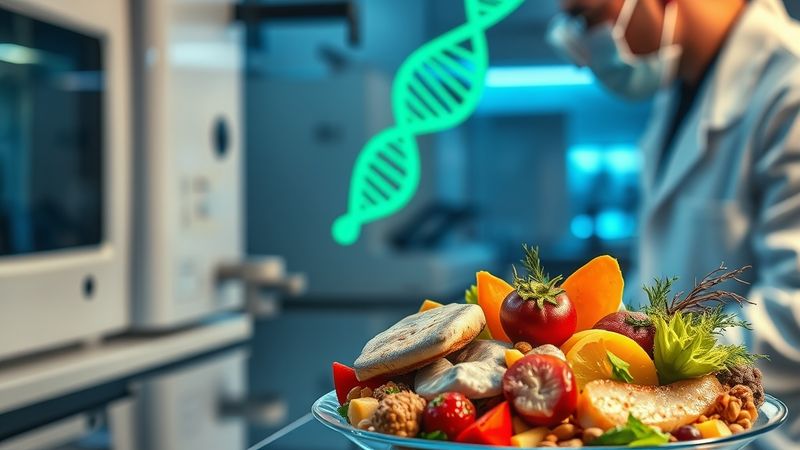
Nutrigenomics: Tailored Diet from Your DNA for Optimal Health
Imagine a world where your plate is designed not only for your taste buds but also for the unique script written in your cells Nutritional DNA (DNA nutrizionale) is the cornerstone of this emerging science, promising diets that sync with our genetic blueprint to boost health, prevent disease, and enhance performance
What Is Nutrigenomics?
Nutrigenomics is the interdisciplinary field that studies how nutrients interact with our genes to influence metabolism, disease risk, and overall wellbeing. Unlike traditional nutrition advice—often a one‑size‑fits‑all approach—nutrigenomics leverages genetic polymorphism (polimorfismo genetico) and nutritional SNPs (SNP nutrizionali) to craft precision nutrition (nutrizione di precisione) strategies
Key genes that have been extensively mapped include the FTO gene MTHFR gene APOE gene TCF7L2 gene and LCT gene Variations in these genes affect everything from carbohydrate metabolism (metabolismo dei carboidrati) and fat metabolism (metabolismo dei grassi) to how we process vitamins, minerals, and bioactive compounds
How Genes Influence Nutrition
| Gene | Primary Function | Typical Variant Effect | Nutritional Recommendation |
|---|---|---|---|
| FTO | Appetite regulation and energy balance | Risk allele ↑ appetite & BMI | Emphasize high‑protein, low‑glycemic foods; monitor personalized glycemic index (indice glicemico personalizzato) |
| MTHFR | Folate metabolism & methylation | Reduced enzyme activity | Increase folate‑rich leafy greens; consider nutrigenomic supplements with methyl donors |
| APOE | Lipid transport & cholesterol | ε4 allele ↑ heart disease risk | Boost omega‑3 intake (especially omega‑3 and FADS1) and limit saturated fats |
| TCF7L2 | Glucose regulation | Higher type‑2 diabetes risk | Prioritize low‑glycemic carbs, high fiber; watch type 2 diabetes prevention (prevenzione diabete tipo 2) |
| LCT | Lactase production | Genetic lactose intolerance (intolleranza al lattosio genetica) | Opt for lactose‑free dairy or fermented alternatives |
These examples illustrate how a personalized nutritional profile (profilo nutrizionale personalizzato) can be derived from a simple DNA saliva test (test saliva DNA) or full genome sequencing (sequenziamento del genoma)
The Science Behind the Interaction: Nutrients, Genes, and Epigenetics
While DNA provides the static code nutritional epigenetics (epigenetica alimentare) shows that what we eat can switch genes on or off without altering the sequence. Foods rich in polyphenols, for instance, can modulate the activity of CYP1A2—an enzyme that metabolizes caffeine and certain drugs. Similarly polyphenols and CYP1A2 (polifenoli e CYP1A2) interactions can affect antioxidant capacity and inflammation
Epigenetic Mechanisms
- DNA Methylation Nutrients like folate, B12, and choline donate methyl groups, influencing gene expression linked to cardiovascular health
- Histone Modification Short‑chain fatty acids (SCFAs) produced by the gut microbiome (microbioma intestinale) act as histone deacetylase inhibitors, promoting anti‑inflammatory gene patterns
- MicroRNA Regulation Omega‑3 fatty acids can alter microRNA profiles that govern lipid metabolism
By aligning dietary patterns with these mechanisms, we can biohack nutritionally (biohacking nutrizionale) to foster long‑term health benefits
From Test Results to a Concrete Meal Plan: A Step‑by‑Step Guide
Below is a practical roadmap that translates raw genetic data into an actionable weekly menu
Step 1: Obtain Your Genetic Report
- Choose a reputable provider that offers scientific validity of nutrigenomic tests (validità scientifica test nutrigenomici) and complies with GDPR DNA regulation (normativa GDPR DNA)
- Opt for a DNA saliva test (test saliva DNA) that includes the key SNPs for FTO, MTHFR, APOE, TCF7L2, and LCT
Step 2: Decode the Findings
| Variant | Interpretation | Actionable Insight |
|---|---|---|
| FTO risk allele | Higher appetite, slower satiety | Prioritize protein‑rich breakfasts, incorporate fiber‑dense foods |
| MTHFR C677T TT | Reduced folate conversion | Supplement with methyl‑folate, increase leafy greens |
| APOE ε4 | Elevated LDL cholesterol risk | Increase omega‑3 (EPA/DHA), limit red meat |
| TCF7L2 TT | Impaired insulin secretion | Choose low‑GI carbs, monitor carbohydrate timing |
| LCT C‑13910 T | Lactase non‑persistence | Use lactose‑free dairy or fermented yogurts |
Step 3: Calculate Energy Needs
Use an energy requirement calculation (calcolo del fabbisogno energetico) tool that factors in age, sex, weight, activity level, and genetic propensity for metabolism. For example, carriers of the FTO risk allele may require a modest caloric deficit to offset higher appetite
Step 4: Build the Personalized Meal Planning (pianificazione dei pasti personalizzata) Framework
- Macronutrient Distribution– Tailor carbs, fats, and proteins based on gene‑driven metabolism
- Food Substitutions– Replace problematic foods (e.g., dairy for LCT carriers) with nutritionally equivalent alternatives
- Timing & Frequency– Align meal timing with circadian rhythms and insulin sensitivity (especially for TCF7L2 carriers)
- Supplement Strategy– Add nutrigenomic supplements (integratori nutrigenomici) where diet alone falls short (e.g., methyl‑folate for MTHFR)
Step 5: Draft a Weekly Menu (Downloadable Sample)
Below is a sample 7‑day menu. Adjust portions according to your calculated energy needs
| Day | Breakfast | Lunch | Dinner | Snack |
|---|---|---|---|---|
| Monday | Greek yogurt (lactose‑free) + berries + chia seeds | Quinoa salad with grilled salmon, spinach, and avocado | Stir‑fried tofu, broccoli, and brown rice (low‑GI) | Handful of almonds |
| Tuesday | Scrambled eggs with kale and smoked salmon | Lentil soup + mixed greens + olive oil dressing | Grilled chicken breast, sweet potato, and asparagus | Apple slices with almond butter |
| Wednesday | Smoothie: methyl‑folate supplement, banana, spinach, almond milk | Turkey wrap (gluten‑free tortilla) with hummus and veggies | Baked cod, quinoa, and roasted Brussels sprouts | Dark chocolate (≥70% cacao) |
| Thursday | Overnight oats (gluten‑free) with walnuts and blueberries | Chickpea and quinoa bowl with tahini sauce | Beef stir‑fry with bell peppers, served over cauliflower rice | Carrot sticks with guacamole |
| Friday | Omelette with mushrooms, tomatoes, and feta (lactose‑free) | Salmon salad with mixed greens, pumpkin seeds, and vinaigrette | Zucchini noodles with pesto and grilled shrimp | Greek yogurt (lactose‑free) with honey |
| Saturday | Protein pancakes (pea protein) topped with berries | Grilled veggie kebabs with halloumi (lactose‑free) and quinoa | Roast chicken, baked beetroot, and green beans | Handful of pistachios |
| Sunday | Chia pudding with coconut milk and mango | Tuna salad with avocado, olive oil, and mixed greens | Eggplant lasagna (using ricotta‑style almond cheese) | Fresh fruit salad |
Tip Use an AI diet planning (AI diet planning) platform to automate grocery lists and adjust portion sizes on the fly
Nutrigenomics Meets the Gut Microbiome
The gut microbiome (microbioma intestinale) acts as a metabolic amplifier. Certain genetic variants influence microbial composition, which in turn affects nutrient extraction and immune modulation. For instance, carriers of the FTO risk allele often exhibit a higher Firmicutes‑to‑Bacteroidetes ratio, linked to increased energy harvest
Strategies to Optimize Your Microbiome
- Include soluble fiber (see our article on Soluble Fiber: Boost Gut Health & Blood Sugar) to feed beneficial bacteria
- Incorporate fermented foods such as kefir, kimchi, and sauerkraut (read more in Fermented diet for mental health: probiotics & prebiotics) to diversify microbial taxa
- Limit processed sugars that can foster dysbiosis
Economic Evaluation: Is Nutrigenomics Worth the Investment?
| Cost Component | Average Annual Expense (USD) | Potential Savings (USD) |
|---|---|---|
| Genetic test (once‑off) | 150‑300 | Reduced unnecessary supplements, targeted diet reduces waste |
| Personalized nutrition counseling (per year) | 400‑800 | Lower medication costs, fewer doctor visits |
| Nutrigenomic supplements (annual) | 200‑500 | Prevention of chronic disease complications (e.g., cardiovascular events) |
| Total Estimated Cost | $750‑$1,600 | $2,000‑$5,000 in avoided healthcare expenses over 5‑10 years |
A long‑term cost‑benefit analysis suggests that the upfront investment in testing and counseling can be offset by decreased incidence of type‑2 diabetes, cardiovascular disease, and obesity‑related complications. Moreover, individuals often experience improved quality of life which, while harder to quantify, adds considerable personal value
Addressing Privacy and Ethical Concerns
With the rise of genetic data privacy (privacy dati genetici) regulations, it is crucial to choose providers that adhere to GDPR DNA (normativa GDPR DNA) standards. Ensure that
- Your data is encrypted and stored securely
- You retain the right to delete your genetic information at any time
- The provider does not sell data to third parties without explicit consent
Future Directions: From Lab to Kitchen
The integration of AI diet planning wearable health trackers, and real‑time metabolomics promises a future where your meals adapt daily based on blood glucose, lipid panels, and even stress hormones. As research expands, we anticipate more refined recommendations for vitamin D and VDR variants (vitamina D e varianti VDR) omega‑3 and FADS1 and other nutrient‑gene interactions
Frequently Asked Questions
Q: How accurate are nutrigenomic tests?
A: When performed by accredited labs, they have high analytical validity. However, interpretation relies on evolving research, so results should be reviewed by a qualified nutrition professional
Q: Can I change my genetic risk through diet?
A: While you cannot alter your DNA nutritional epigenetics shows that diet can modulate gene expression, potentially mitigating risk
Q: Are nutrigenomic supplements necessary?
A: Supplements are useful when dietary intake cannot meet specific genetic needs (e.g., methyl‑folate for MTHFR). Always consult a healthcare provider before starting
Q: Will my insurance cover the cost?
A: Coverage varies. Some insurers are beginning to reimburse preventive genetic testing, especially when linked to chronic disease risk reduction
Ready to start your personalized nutrition journey? Begin with a reputable DNA saliva test consult a certified nutrigenomics dietitian, and let science guide your plate toward optimal health
🔍 FoodReveal helps you decode nutrition labels beyond marketing. Available for Android and iOS.
Leave a review