
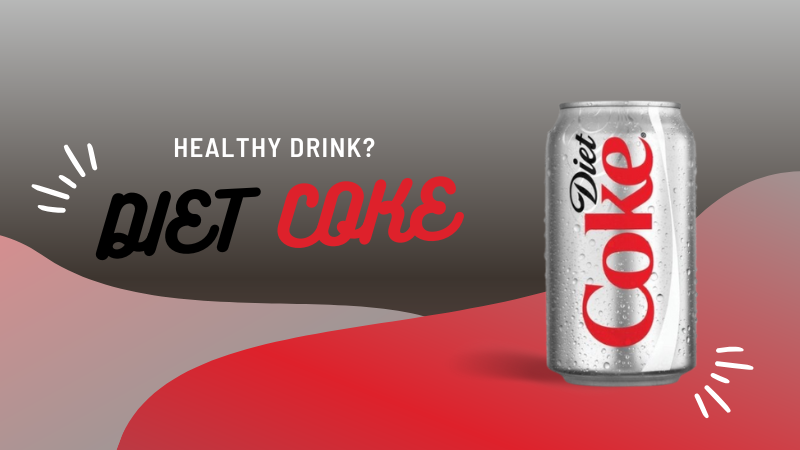
"What happens if you stop eating sugar?" "What can you eat on a no sugar diet?" These are some of the top questions people ask Google every day. As we become more health-conscious, "sugar-free" has become a powerful marketing buzzword. But can we trust it?
Products like Diet Coke or Coke Zero promise all the taste with none of the sugar. But what are we consuming instead? And is it actually a healthier choice?
In this definitive guide, we'll use the Luminatens app to do a deep dive into one of the world's most popular "no sugar" products. We'll analyze its label to show you how to look beyond the marketing claims and make truly informed decisions
"Sugar-Free" vs. "No Sugar Added": The Difference That Matters
This is one of the most confusing distinctions on food labels. Let's make it simple
- Sugar-Free The product contains less than 0.5g of total sugars per serving. This is a regulated FDA claim
- No Sugar Added No sugar was added during processing. However, the product can still be high in natural sugars (like 100% fruit juice) or, more commonly, contain artificial sweeteners
The real question isn't "is there sugar?", but " what did they use instead?"
Case Study: Analyzing a Can of Diet Coke
We took a can of Diet Coke, a classic "zero sugar, zero calorie" beverage. You won't find a standard nutrition facts panel because most values are zero. The real story is in the ingredients
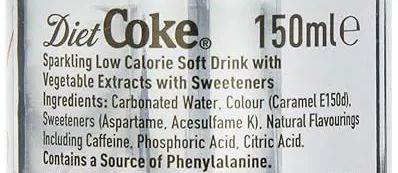
At a glance, the nutrition facts seem perfect: almost zero calories, zero sugar, zero fat. But the real story, as always, is in the ingredients. This is where Luminatens' dual-analysis capability becomes essential
Luminatens' Ingredient Analysis: The Story Behind the "Zero"
We scanned the ingredient list with Luminatens. The result immediately highlights what "zero sugar" really means
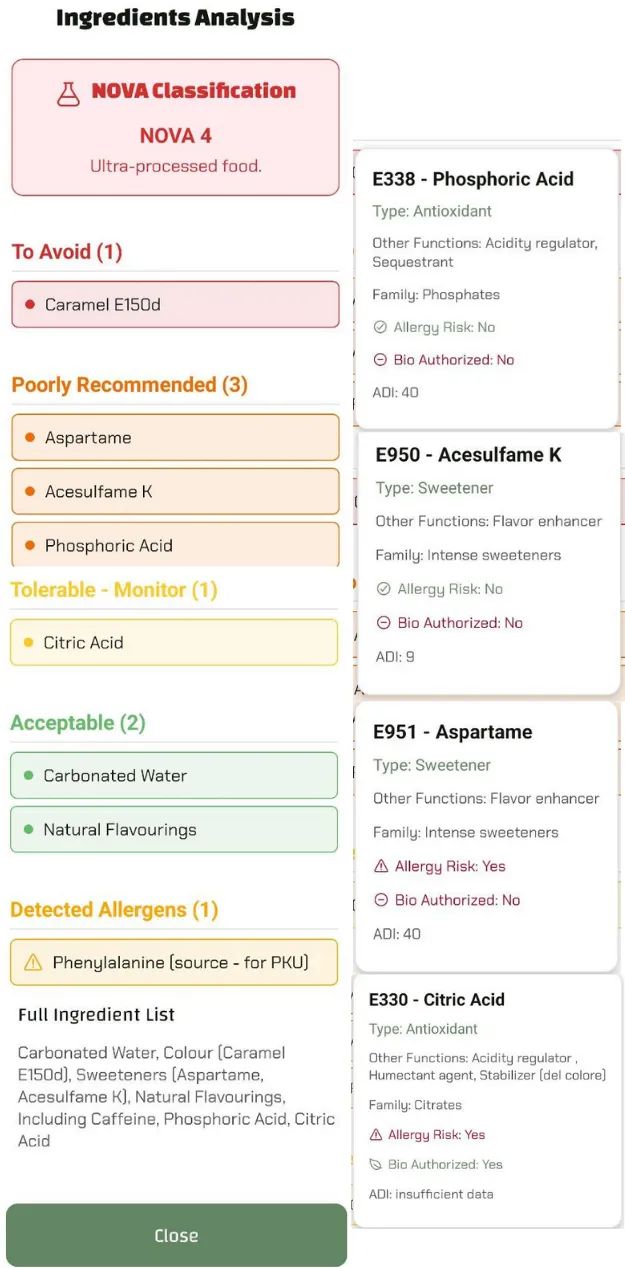
The app's analysis gives us three crucial insights
- The Sweeteners It flags the artificial sweeteners Aspartame (E951) and Acesulfame K (E950) categorizing them as "Poorly Recommended." This doesn't mean they are forbidden, but it signals that they are controversial additives whose long-term effects are debated
- Other Additives It identifies Caramel E150d as an additive "To Avoid" and Phosphoric Acid (E338) By simply tapping on any of these ingredients within the app, you can access a detailed tooltip with information on its function, family, and potential risks, as shown in the image
- The Verdict: NOVA 4 (Ultra-Processed Food) This is the most important takeaway. Due to this cocktail of sweeteners, colorings, and acids, Luminatens correctly classifies Diet Coke as a NOVA 4 product. It's not food; it's a formulation of industrial ingredients designed to mimic a taste
Luminatens' Nutritional Score: The 100/100 Paradox
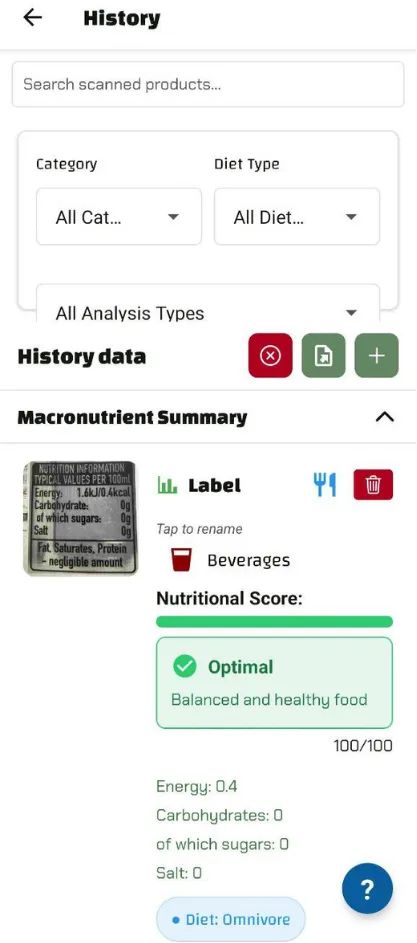
Luminatens gives it a perfect score of 100/100
This is not an error. This is the paradox of simplistic nutritional scoring, and it's exactly what Luminatens is designed to expose. Based purely on the numbers for sugar, fat, and salt, the product is "perfect". It meets all the thresholds for a "healthy" beverage
The Real Lesson: Score + Ingredients = The Whole Truth
This is where the power of Luminatens becomes clear. If you only used a basic nutritional calculator, you would think Diet Coke is the healthiest drink on the planet. But by combining the 100/100 nutritional score with the NOVA 4 ingredient analysis you get the complete, honest picture
- Nutritionally It's "empty". It doesn't harm you with sugar or fat
- Chemically It's an ultra-processed product, a mix of artificial substances
Which information is more important? That's for you to decide based on your health goals
- If your only goal is to cut calories and sugar the 100/100 score tells you it fits that goal
- If your goal is to eat clean, natural, and unprocessed foods the NOVA 4 classification tells you to avoid it
Conclusion: Your Tool to See Through the Hype
Navigating the world of "healthy" marketing claims is tough. Products are designed to appeal to our desire to be healthier, but the labels often hide a more complex reality
You don't need to memorize every E-number or chemical compound. You just need the right tool
Luminatens was built to be your personal food detective. It scans the label, decodes the ingredients, and gives you the unbiased, multi-faceted analysis you need to make choices that align with your health goals
🔍 FoodReveal helps you decode nutrition labels beyond marketing. Available for Android and iOS.
Leave a review