
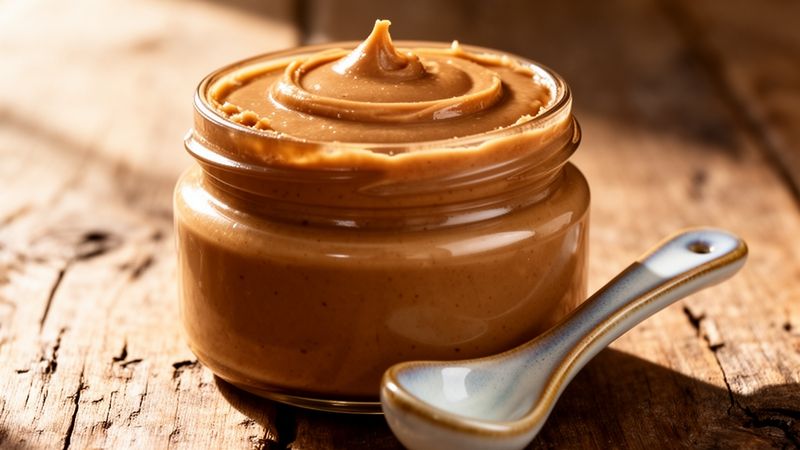
Peanut butter has long been a staple in American households, beloved for its rich flavor and versatility. But as consumer awareness about nutrition and ingredient quality grows, the debate between natural peanut butter and conventional brands like Skippy has intensified. While natural peanut butter is often perceived as the healthier choice, the reality is more nuanced. This article delves into the nutritional profiles, ingredient lists, and practical considerations of natural peanut butter versus Skippy, empowering you to make an informed decision based on your dietary needs and preferences
What Is Natural Peanut Butter and What Is Skippy?
Natural peanut butter is typically made with just one or two ingredients: peanuts and sometimes salt. The production process involves grinding roasted peanuts into a smooth or chunky paste without adding preservatives, sugars, or oils. This simplicity aligns with clean-label trends, appealing to health-conscious consumers. Brands like Teddie, exemplify this approach, offering products free from hydrogenated oils and artificial additives
Skippy, on the other hand, is a conventional peanut butter produced by Hormel Foods. It has been a household name since 1932, known for its creamy texture and sweet flavor. Skippy’s formula includes a blend of hydrogenated vegetable oils—such as rapeseed, soybean, and cottonseed oils. These oils prevent oil separation, eliminating the need for stirring. Additionally, Skippy contains added sugar and stabilizers to enhance shelf life and mouthfeel
The difference in production methods directly impacts the nutritional and sensory qualities of each product. Natural peanut butter often requires refrigeration and stirring, while Skippy offers convenience and consistency. Understanding these distinctions is key to evaluating their health implications

Detailed Nutritional Comparison
To assess the health merits of natural peanut butter and Skippy, a side-by-side analysis of their nutritional facts is essential. Below is a comparison based on a standard 2-tablespoon (32g) serving
| Nutrient | Natural Peanut Butter (Peanuts + Salt) | Skippy Creamy Peanut Butter |
|---|---|---|
| Calories | 190 | 190 |
| Total Fat | 16g | 16g |
| Saturated Fat | 2.5g | 2.5g |
| Trans Fat | 0g | 0g |
| Cholesterol | 0mg | 0mg |
| Sodium | 100-200mg | 190mg |
| Total Carbohydrate | 9g | 9g |
| Dietary Fiber | 2.5g | 2g |
| Sugars | 1g | 3g |
| Protein | 8g | 7g |
| Added Sugars | 0g | 2g |
| Vitamin E | 30% DV | 0% |
| Folate | 15% DV | 0% |
Skippy’s label states 0g trans fat, but hydrogenated oils may contain trace amounts not required to be listed by the FDA-
Natural peanut butter shines in its lack of added sugars and higher protein content. It also retains more micronutrients like vitamin E and folate, which are naturally present in peanuts but often lost in processed varieties. Skippy, while similar in calories and fat, adds 2g of sugar per serving and relies on stabilizers to maintain texture. However, both products are comparable in saturated fat, dispelling the myth that natural peanut butter is inherently lower in unhealthy fats
Ingredients and Quality Analysis
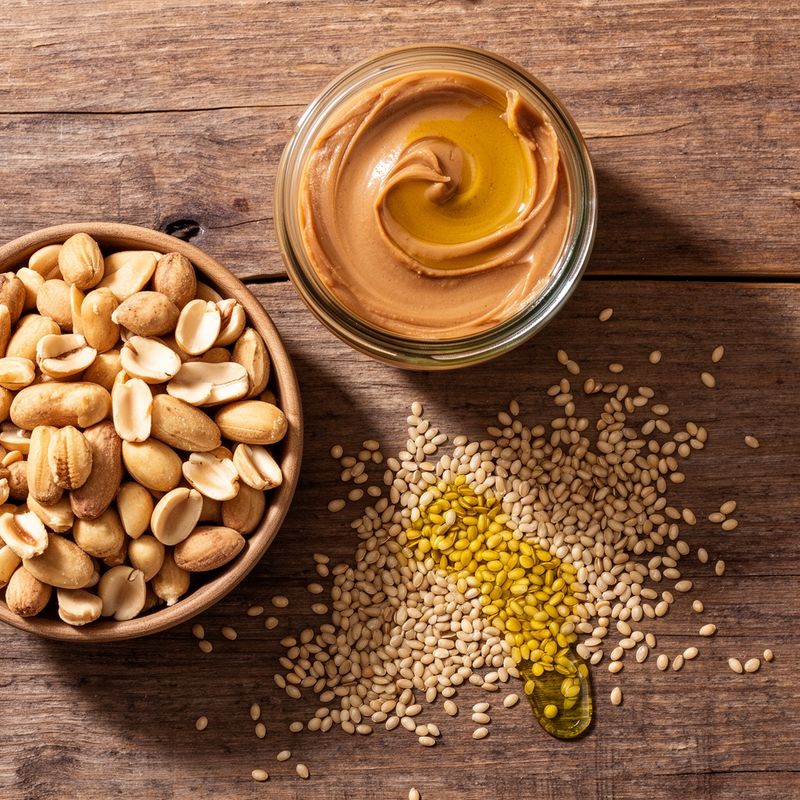
The ingredient list is a critical factor in distinguishing natural peanut butter from Skippy. Natural versions adhere to minimalism, typically listing only peanuts and sea salt This purity ensures no exposure to hydrogenated oils, which, despite Skippy’s “0g trans fat” claim, may still contain industrial trans fats in trace amounts
Skippy’s label, however, reveals a more complex formulation
- Peanuts
- Hydrogenated Vegetable Oil (rapeseed, soybean, cottonseed)
- Sugar
- Salt
The hydrogenated oils serve to solidify the peanut oil, preventing separation. While palm oil—a non-hydrogenated but high-saturated-fat alternative—is sometimes used in other brands, Skippy opts for soybean and cottonseed oils, which are cheaper but may raise concerns about GMOs and pesticide exposure
Natural peanut butter’s simplicity also means it lacks emulsifiers, preserving its whole-food integrity. However, this requires refrigeration post-opening to prevent oil rancidity. Skippy’s shelf-stable formula, while convenient, introduces processed ingredients that some consumers aim to avoid
Benefits and Potential Downsides
Natural Peanut Butter Benefits
- Higher Protein 8g vs. 7g per serving, supporting muscle repair and satiety
- No Added Sugar Ideal for those managing blood sugar or reducing empty calories
- Rich in Micronutrients Natural sources of vitamin E (an antioxidant) and folate (crucial for cell function)
- Clean Label Free from hydrogenated oils and preservatives
Natural Peanut Butter Downsides
- Convenience Requires stirring and refrigeration
- Texture May separate over time, leading to an uneven consistency
Skippy Benefits
- Convenience Ready-to-spread consistency without stirring
- Shelf Stability Long-lasting without refrigeration
- Flavor Profile Slightly sweeter, appealing to those with a preference for milder tastes
Skippy Downsides
- Added Sugar 2g per serving, which can accumulate in a diet high in processed foods
- Hydrogenated Oils Potential presence of industrial trans fats, linked to cardiovascular disease
- Lower Nutrient Density Stripped of natural vitamins and minerals during processing
Which Should You Choose: A Practical Guide
Choosing between natural peanut butter and Skippy depends on individual health goals, lifestyle, and preferences
- Athletes/Active Individuals Opt for natural peanut butter to maximize protein and micronutrient intake without added sugars
- Children Skippy’s milder flavor and ease of use may encourage consumption, but consider diluting with natural PB to reduce sugar intake
- Heart Health Focus Natural peanut butter avoids hydrogenated oils, aligning with recommendations to limit trans fats
- Convenience-Driven Households Skippy’s shelf stability and spreadable texture suit busy routines
- Sugar-Sensitive Diets Natural PB is preferable for diabetics or those avoiding added sugars
Recipes and Pairing Suggestions
- Natural Peanut Butter Energy Bites
- 1 cup natural peanut butter
- 1/2 cup rolled oats
- 1/4 cup honey
- 1/4 cup chia seeds
- Pinch of salt
Combine ingredients, roll into balls, and refrigerate for 1 hour. Pair with apple slices for a balanced snack
- Skippy Peanut Butter Banana Toast
- 1 slice whole-grain bread
- 1 tbsp Skippy creamy peanut butter
- 1/2 banana, sliced
- Sprinkle of cinnamon
Top toasted bread with Skippy, banana slices, and cinnamon for a quick breakfast
Final Verdict
Both natural peanut butter and Skippy have their merits. Natural PB excels in nutrition and clean ingredients, making it ideal for health-focused consumers. Skippy offers unmatched convenience and a familiar taste profile, suitable for those prioritizing ease of use. Ultimately, the decision hinges on your dietary priorities: choose natural for purity and nutrients, or Skippy for simplicity and shelf life. As with all foods, moderation and mindful consumption are key to a balanced diet
🔍 FoodReveal helps you decode nutrition labels beyond marketing. Available for Android and iOS.
Leave a review