
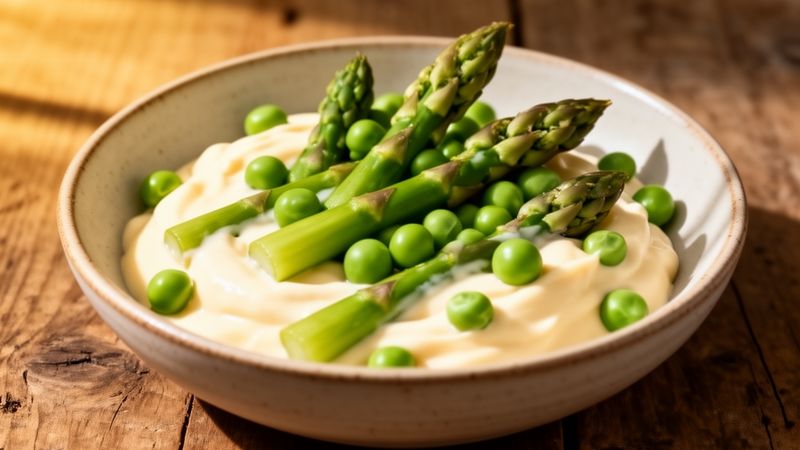
The first warm days of spring bring two kitchen staples into season: asparagus and peas. Both vegetables are nutritional powerhouses, packed with fiber, vitamins, and antioxidants. But when blended into a light mayo dip or spread, they transform into something even more versatile—a creamy, protein-rich condiment that can elevate sandwiches, wraps, or even grain bowls. This article explores the benefits of combining asparagus and peas with light mayo, compares their nutritional profiles, and offers practical ways to incorporate them into your meals
What Is Light Mayo with Asparagus and Peas?
Light mayo with asparagus and peas is a modern twist on traditional mayo-based dips. Instead of relying on heavy cream or full-fat mayo, this version uses light mayo as a base, blended with steamed or blanched asparagus and peas. The result is a spread that’s lower in calories and fat but rich in flavor and texture
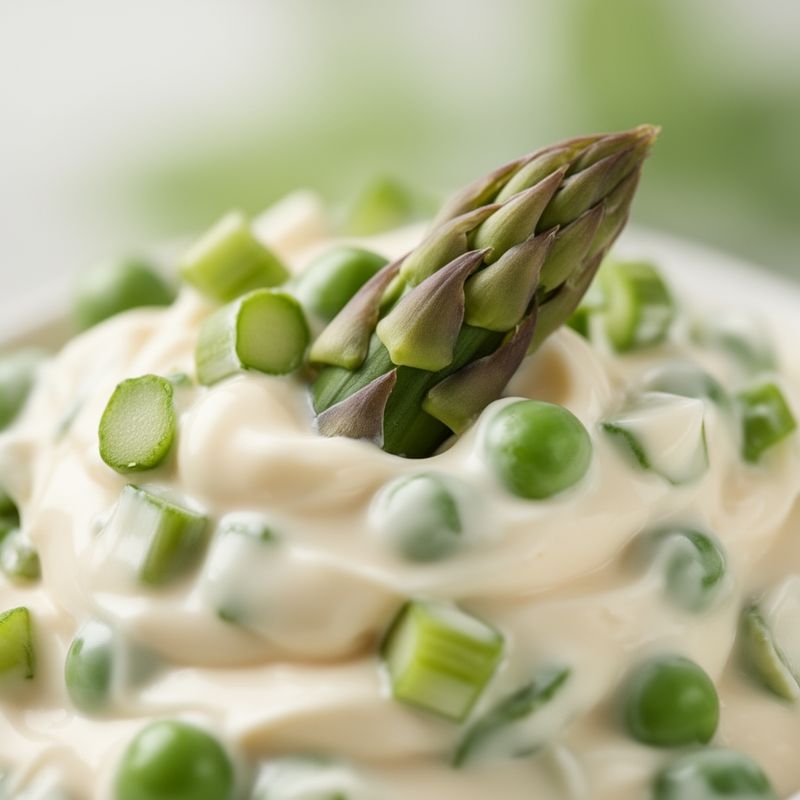
Asparagus, known for its earthy, slightly bitter notes, pairs surprisingly well with the natural sweetness of peas. When blended, they create a smooth, vibrant-green spread that can be used as a dip, sandwich filling, or even a pasta sauce. Light mayo—typically made with less oil and sometimes egg whites or vinegar—keeps the dish airy and light, making it a healthier alternative to traditional mayo-based dips
For those looking to reduce their intake of processed fats, this combination offers a way to enjoy the creaminess of mayo without the guilt. It’s also a great option for anyone following a plant-forward diet, as it relies on vegetables for both flavor and nutrition
Detailed Nutritional Comparison
To understand the benefits of this combination, let’s break down the nutritional profiles of asparagus, peas, and light mayo. The table below compares their key nutrients per 100g (3.5 oz) serving, based on official data from Canadian and USDA sources
| Nutrient | Asparagus (boiled) | Peas (boiled) | Light Mayo (per tbsp) |
|---|---|---|---|
| Calories | 18 kcal | 72 kcal | 38 kcal |
| Protein | 2.2 g | 5.0 g | 0.2 g |
| Total Fat | 0.2 g | 0.4 g | 3.5 g |
| Saturated Fat | Trace | 0.1 g | 0.5 g |
| Carbohydrates | 3.4 g | 13 g | 1.0 g |
| Fiber | 1.8 g | 4.6 g | 0 g |
| Vitamin K | 53.2 mcg (44% DV) | 26.2 mcg (22% DV) | 0 mcg |
| Folate | 52 mcg (13% DV) | 63 mcg (16% DV) | Trace |
| Vitamin A | 38 mcg (4% DV) | 38 mcg (4% DV) | 0 mcg |
DV = Daily Value based on a 2,000-calorie diet. Sources: [Canada.ca Nutrient Value of Some Common Foods] and [USDA Nutritive Value of Foods]
As the table shows, peas are significantly higher in calories and carbohydrates than asparagus, but they also deliver more protein and fiber. Asparagus, on the other hand, is a standout source of vitamin K which is essential for blood clotting and bone health. Light mayo contributes minimal nutrients but adds creaminess, making it a useful vehicle for delivering the flavors and benefits of the vegetables
According to the Journal of Nutrition vitamin K is not only crucial for blood health but also plays a role in reducing inflammation and supporting brain function. Incorporating asparagus into your diet is an easy way to boost your intake of this vital nutrient
Ingredients and Quality Analysis
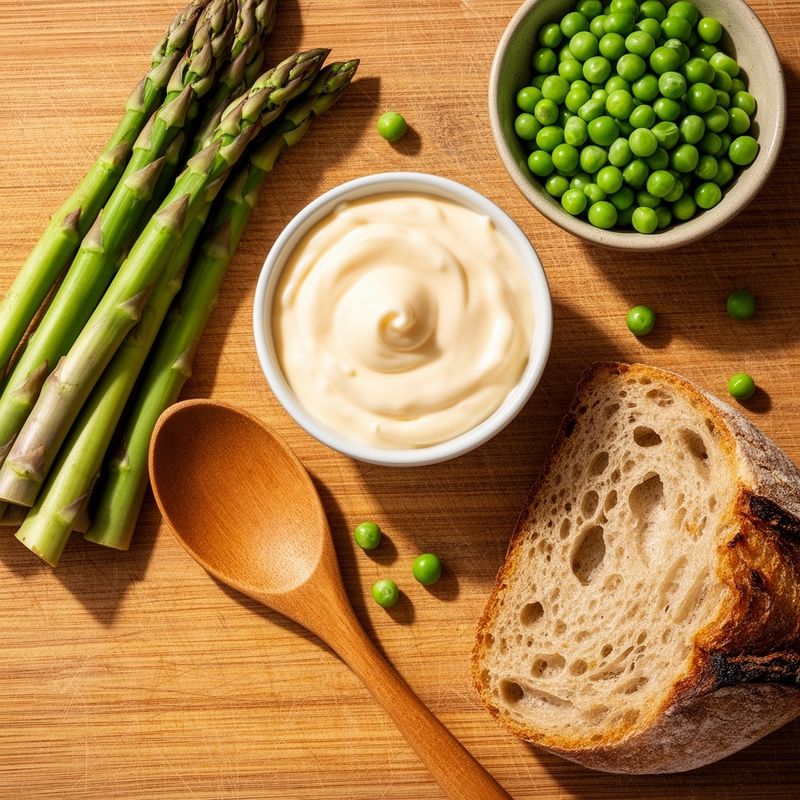
When preparing light mayo with asparagus and peas, the quality of the ingredients matters. Here’s what to look for
Asparagus Choose firm, bright-green spears with tight tips. Fresh asparagus should snap when bent, indicating crispness. Avoid spears that are limp or have a strong odor, as these are signs of age. Frozen asparagus can also work well, especially if fresh isn’t available, but be sure to thaw and drain it thoroughly to avoid a watery dip
Peas Fresh peas are a treat when in season, but frozen peas are a convenient and nutritious alternative. They retain most of their nutrients and texture when frozen properly. Avoid canned peas if possible, as they tend to be mushy and high in sodium. If using canned peas, rinse them well before blending
Light Mayo Not all light mayos are created equal. Some brands use artificial additives or excessive sugar to compensate for reduced fat. Look for a light mayo with simple ingredients, such as eggs, vinegar, oil, and a small amount of sugar or salt. Brands like Whole Foods 365 or Trader Joe’s offer clean-label options that fit the bill
For those avoiding eggs, vegan mayo is a viable substitute. Brands like Just Mayo use plant-based ingredients like pea protein or aquafaba (chickpea water) to achieve a similar texture. However, vegan mayos can sometimes be higher in fat or calories, so check the label carefully
If you’re interested in learning more about how to decode food labels, our guide on How to Choose High-Protein Foods: Decoding Labels with offers practical tips for making informed choices
Benefits and Potential Downsides
The combination of asparagus, peas, and light mayo offers several health benefits, but it’s important to be aware of potential downsides as well
Benefits
- Rich in Fiber Both asparagus and peas are high in fiber, which supports digestive health and helps maintain stable blood sugar levels. A 100g serving of peas provides nearly 20% of the daily recommended fiber intake
- Plant-Based Protein Peas are a surprisingly good source of plant-based protein, with 5g per 100g serving. This makes the dip a great option for vegetarians or anyone looking to reduce their meat consumption
- Low in Calories Light mayo keeps the calorie count low, making this dip a guilt-free option for snacking or meal prep. A serving of this spread can contain as little as 50-60 calories, depending on the ratio of vegetables to mayo
- Vitamin-Rich Asparagus is packed with vitamin K, folate, and vitamin A, while peas provide vitamin C, iron, and manganese. Together, they create a nutrient-dense spread that supports overall health
- Versatility This dip can be used in countless ways—spread on whole-grain toast, paired with crudités, or mixed into grain bowls. It’s a simple way to add flavor and nutrition to meals
Potential Downsides
- Sodium Content Light mayo can be high in sodium, especially if you’re using a store-bought version. A single tablespoon can contain up to 100mg of sodium, which adds up quickly if you’re generously spreading it. To mitigate this, opt for low-sodium mayo or make your own at home
- Digestive Sensitivity Some people may experience bloating or gas after eating peas, due to their high fiber and oligosaccharide content. If you’re sensitive to these compounds, you may want to limit your portion size or opt for canned peas, which have slightly lower levels of these indigestible carbohydrates
- Allergens Traditional mayo contains eggs, which can be a concern for those with egg allergies. If this is an issue, vegan mayo is a safe alternative, but be sure to check the label for other allergens like soy or mustard
For those managing diabetes or prediabetes, it’s worth noting that peas are higher in carbohydrates than asparagus. As Laura Knudsen, a registered dietitian at the Mayo Clinic, advises, “I don’t want you to have both potatoes and peas at the same meal, or potatoes and corn at the same meal.” Instead, she suggests pairing peas with non-starchy vegetables like carrots to balance blood sugar levels
Which Should You Choose: A Practical Guide
The choice between using light mayo with asparagus, peas, or both depends on your nutritional goals, taste preferences, and dietary needs. Here’s a practical guide to help you decide
For Weight Management If your goal is to keep calories in check, prioritize asparagus in your spread. With only 18 calories per 100g, it’s one of the lowest-calorie vegetables available. Pair it with a minimal amount of light mayo—just enough to bind the ingredients—and bulk it up with fresh herbs like dill or chives for extra flavor
For Protein and Fiber If you’re looking to boost your protein and fiber intake, peas are the clear winner. With 5g of protein and 4.6g of fiber per 100g serving, they’ll keep you fuller for longer. This makes them an excellent choice for post-workout snacks or as a topping for grain bowls. To balance the higher carbohydrate content, pair the dip with protein-rich foods like grilled chicken, tofu, or chickpeas
For Bone Health Asparagus is unmatched when it comes to vitamin K, providing 44% of the daily value in a single 100g serving. Vitamin K is essential for bone health, as it helps regulate calcium absorption and reduces the risk of osteoporosis. If bone health is a priority, make asparagus the star of your dip
For Versatility If you want a dip that works in multiple dishes, combining both vegetables is the way to go. The earthy notes of asparagus complement the sweetness of peas, creating a well-rounded flavor profile. This combination works well in sandwiches, wraps, or as a topping for baked potatoes or grilled fish
For more inspiration on how to incorporate asparagus into light, springtime recipes, check out our guide on Spring Asparagus: 3 Light Recipes
Recipes and Pairing Suggestions
Here are two simple recipes to help you get started with light mayo and asparagus-pea spreads
Recipe 1: Spring Vegetable Spread
Ingredients
- cup (150g) fresh or frozen peas, thawed if frozen
- asparagus spears (about 100g), trimmed and chopped
- tbsp (30ml) light mayo
- tbsp (15ml) Greek yogurt (optional, for extra creaminess)
- tsp lemon juice
- Salt and pepper to taste
- tbsp fresh dill or chives, chopped
Instructions
- Steam the asparagus and peas for 3-4 minutes until tender. Drain and let cool slightly
- In a food processor, blend the asparagus, peas, light mayo, Greek yogurt (if using), and lemon juice until smooth. For a chunkier texture, pulse briefly
- Season with salt, pepper, and fresh herbs. Serve immediately or store in the fridge for up to 3 days
Pairing Suggestions
- Spread on whole-grain toast with smoked salmon
- Use as a dip for carrot sticks, cucumber slices, or bell pepper strips
- Mix into cold pasta salads for added creaminess and flavor
Recipe 2: Pea and Asparagus Pesto Pasta
Ingredients
- cup (150g) peas, thawed if frozen
- asparagus spears (about 100g), chopped
- tbsp (30ml) light mayo
- tbsp (15ml) olive oil
- clove garlic
- 1/4 cup (25g) grated Parmesan cheese (optional)
- Salt and pepper to taste
- oz (225g) whole-wheat pasta
Instructions
- Cook the pasta according to package instructions. Reserve 1/2 cup of pasta water before draining
- In a food processor, blend the peas, asparagus, light mayo, olive oil, garlic, and Parmesan (if using) until smooth. Add a splash of pasta water if needed to reach your desired consistency
- Toss the pesto with the cooked pasta, adding more pasta water as needed to coat the noodles evenly. Season with salt and pepper
Pairing Suggestions
- Serve with grilled chicken or shrimp for a complete meal
- Top with toasted pine nuts or almonds for added crunch
- Garnish with fresh basil or parsley for extra flavor
Final Verdict
Light mayo with asparagus and peas is a simple yet versatile way to enjoy the flavors of spring while boosting your intake of fiber, vitamins, and plant-based protein. Whether you’re looking for a low-calorie dip, a creamy pasta sauce, or a nutrient-packed sandwich spread, this combination delivers on both taste and nutrition
When preparing this dish, quality matters. Opt for fresh or frozen vegetables and a clean-label light mayo to maximize its health benefits. Be mindful of sodium content, especially if you’re using store-bought mayo, and consider portion sizes if you’re watching your carbohydrate intake
Ultimately, this spread is a testament to how small tweaks in the kitchen can lead to big improvements in your diet. By swapping heavy cream or full-fat mayo for lighter alternatives and loading up on vegetables, you can create meals that are both satisfying and health-conscious
🔍 Want to know exactly what's in a product before you buy it? With you scan the label in seconds and get a full breakdown of ingredients, additives and nutritional values — in plain language, no expertise required
🔍 FoodReveal helps you decode nutrition labels beyond marketing. Available for Android and iOS.
Leave a review