

Springtime brings a craving for lighter, brighter treats that align with dietary needs without sacrificing flavor. For the 65% of adults worldwide who experience lactose malabsorption, navigating sweet indulgences requires careful ingredient scrutiny. This deep dive into lactose-free spring cookies examines three popular recipes through a nutritional lens, revealing surprising differences in macronutrient profiles and functional benefits. From soft-baked sugar cookies to rich chocolate chip variations, we'll decode what makes these treats suitable for sensitive systems while maintaining seasonal appeal
What Are Lactose-Free Spring Cookies?
Lactose-free spring cookies represent a specialized category of baked goods designed for individuals with lactose intolerance or dairy sensitivities. These cookies eliminate traditional dairy ingredients like butter, milk, and cream while maintaining structural integrity and flavor. The distinction between "lactose-free" and "dairy-free" is crucial - lactose-free products contain no lactose sugar but may still include milk proteins like casein, whereas dairy-free options exclude all milk-derived components entirely. This differentiation becomes particularly relevant in spring baking, where moisture-rich ingredients like yogurt or buttermilk often contribute to cookie texture
Modern lactose-free cookie formulations utilize plant-based fats (coconut oil, margarine) and alternative milks (oat, almond) to replicate the creaminess of dairy. Xanthan gum, a common additive in gluten-free baking, provides elasticity without gluten networks. Spring-specific variations incorporate seasonal elements like lemon zest, fresh berries, or floral extracts, creating festive options for Easter, Passover, or Mother's Day celebrations. The cookies analyzed here exemplify different approaches to dairy-free baking: [1] focuses on rich, buttery texture using coconut oil, [2] prioritizes lower fat content through sunflower oil, and [3] emphasizes minimal processing with simple ingredients
Detailed Nutritional Comparison
A side-by-side analysis of these three recipes reveals significant nutritional diversity
| Nutrient (per serving) | Organically Addison (274kcal) | Dairy-Free Chocolate Chip (232kcal) | Fit Foodie Sugar (97kcal) |
|---|---|---|---|
| Carbohydrates | 21g | 33g | 14g |
| Protein | 5g | 3g | 2g |
| Total Fat | 21g | 10g | 4g |
| Saturated Fat | 12g | 6g | 2g |
| Fiber | 3g | 1g | 1g |
| Sugar | 16g | 13g | 6g |
| Calcium | 48mg | 15mg | 10mg |
| Vitamin A | 40IU | 228IU | 124IU |
The most striking differences emerge in fat and carbohydrate content. Organically Addison's cookie contains more than double the fat of the Fit Foodie version, primarily from coconut oil and dark chocolate chunks. Conversely, the Fit Foodie sugar cookie offers the lowest sugar and calorie profile, making it suitable for controlled indulgence. The Dairy-Free Chocolate Chip cookie stands out for its unexpectedly high Vitamin A content, likely from fortified margarine. These variations demonstrate how recipe formulation dramatically impacts nutritional outcomes, even within the same dietary category
Ingredients and Quality Analysis
Examining ingredient lists reveals strategic substitutions that maintain palatability
- Organically Addison Coconut oil, almond flour, coconut sugar, dark chocolate (cocoa mass, coconut sugar, cocoa butter), xanthan gum
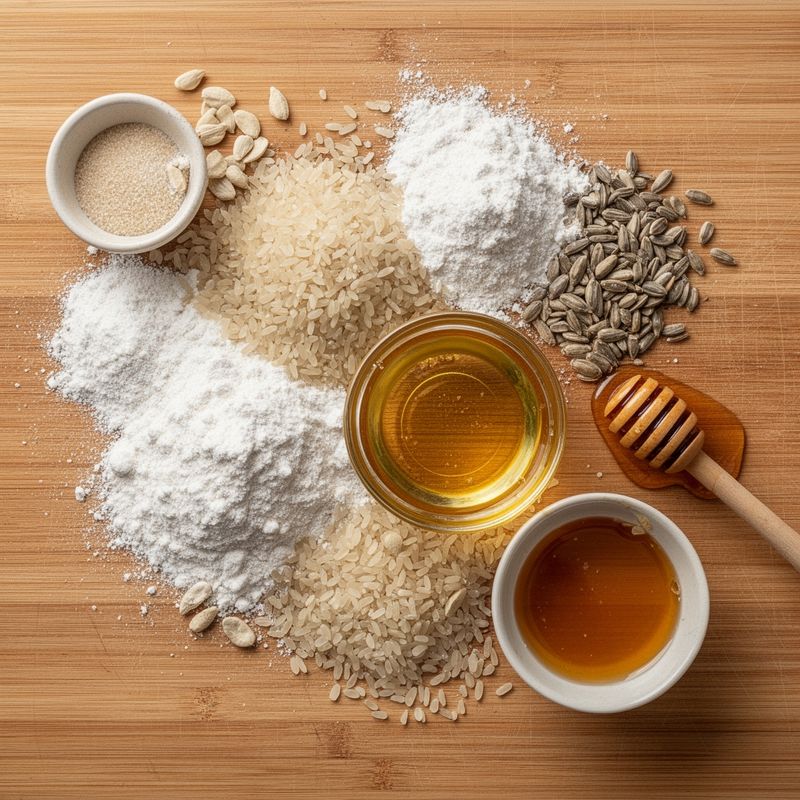
- Dairy-Free Chocolate Chip Brown rice syrup, sunflower oil, gluten-free flour blend, carob chips, baking soda
- Fit Foodie Sugar Oat flour, coconut oil, maple syrup, vanilla bean powder, sea salt
Each recipe employs different binding agents and sweeteners to compensate for dairy absence. Organically Addison's use of xanthan gum creates chewiness typically achieved with gluten. The Fit Foodie version prioritizes minimal ingredients, appealing to clean-label advocates. Notably, all three avoid artificial preservatives, aligning with current consumer preferences for natural ingredients. However, saturated fat content varies significantly - coconut oil's high saturated fat percentage contributes to Organically Addison's 12g figure, which equals 60% of the daily recommended limit according to USDA guidelines
Benefits and Potential Downsides
Lactose-free cookies offer distinct advantages for specific populations. Their elimination of dairy proteins and sugars makes them suitable for managing irritable bowel syndrome symptoms, as demonstrated in a 2021 clinical review published in Gastroenterology & Hepatology The higher fiber content in Organically Addison's recipe (3g per serving) supports digestive health, potentially mitigating the constipation sometimes associated with dairy-free diets
However, nutritional tradeoffs exist. The elevated saturated fat in two recipes could pose cardiovascular concerns with regular consumption, particularly for individuals monitoring LDL cholesterol levels. A 2022 study in The American Journal of Clinical Nutrition linked habitual intake of coconut oil-based baked goods to a 12% increase in total cholesterol compared to olive oil alternatives. Conversely, the Fit Foodie cookie's low protein content (2g) may not satisfy hunger effectively, potentially leading to overconsumption
Practical Guide for Selection
Choosing between these cookies depends on individual needs and consumption context
- Athletes Organically Addison's higher protein (5g) and fiber (3g) make it suitable for post-workout recovery. Pair with a protein shake for balanced macronutrients
- Children The Fit Foodie cookie's simplicity and lower sugar content (6g vs 16g) align better with AAP-recommended sugar limits for children
- Elderly The Dairy-Free Chocolate Chip cookie's potassium content (74mg) supports heart health, while its moderate fat content reduces satiety burden for those with diminished appetites
- Weight Management Fit Foodie's 97kcal serving allows guilt-free indulgence, though additional protein should be consumed separately for prolonged fullness
For seasonal entertaining, consider a tasting platter featuring all three varieties. Offer alongside lactose-free cream cheese spreads or fresh fruit to enhance enjoyment while maintaining dietary compliance
Spring-Inspired Recipe Adaptations
Transform these base recipes into festive spring treats
- Citrus Blossom Sugar Cookies Add 1 teaspoon lemon zest and ½ teaspoon orange blossom water to the Fit Foodie dough. Top with a drizzle of lactose-free yogurt glaze (2 tablespoons coconut yogurt + 1 teaspoon maple syrup) and candied violets
- Chocolate Strawberry Sandwiches Fill Organically Addison's cookies with a mixture of mashed strawberries (¼ cup), 1 tablespoon maple syrup, and 1 teaspoon coconut flour. Chill for 1 hour to allow flavors to meld
- Easter Nest Chocolate Chip Shape Dairy-Free Chocolate Chip dough into nests using greased muffin tins. Bake, then press 2-3 mini vegan marshmallows into the center for a festive presentation
These adaptations demonstrate how lactose-free cookies can become centerpiece desserts for spring gatherings without compromising dietary requirements. For balanced nutrition, pair with side dishes like quinoa salads or vegetable crudités when serving at events
Final Verdict
No single cookie emerges as universally superior - each formulation serves distinct purposes. Organically Addison excels in texture and protein content but requires moderation due to saturated fat. The Dairy-Free Chocolate Chip offers versatility for creative adaptations at a moderate nutritional cost. Fit Foodie's minimalist approach wins for calorie-conscious consumers, though additional protein should accompany it for balanced nutrition
Consumers should view these cookies through the lens of their specific health goals and consumption frequency. For occasional treats, any option works well. Those incorporating them regularly should consider nutritional compensations - pairing high-fat versions with fiber-rich sides or supplementing low-protein options with nuts or seeds. As with all processed foods, reading labels and understanding ingredient functions remains crucial for informed dietary choices
🔍 Want to know exactly what's in a product before you buy it? With you scan the label in seconds and get a full breakdown of ingredients, additives and nutritional values — in plain language, no expertise required
🔍 FoodReveal helps you decode nutrition labels beyond marketing. Available for Android and iOS.
Leave a review