
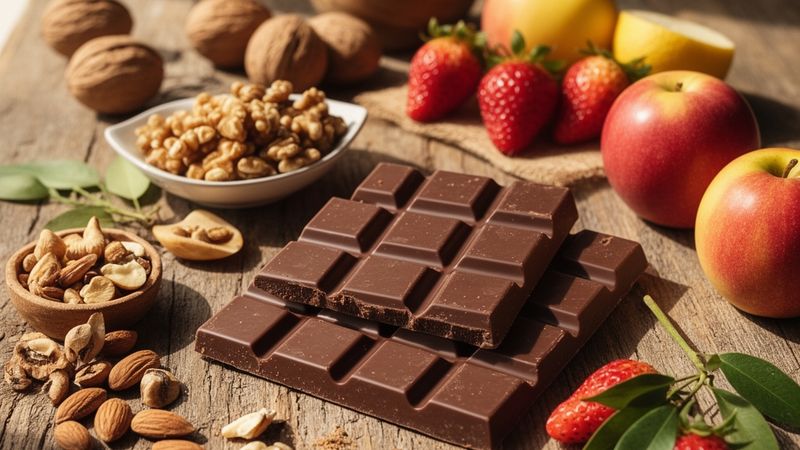
For many, the allure of chocolate is irresistible. But for those with lactose intolerance, indulging can often lead to discomfort. Fortunately, the market for lactose-free chocolate is expanding rapidly, offering a growing range of options. But navigating this landscape can be tricky – what actually constitutes lactose-free chocolate, and which brands deliver on both taste and quality? This guide will delve into the world of lactose-free chocolate, exploring ingredients, nutritional profiles, and helping you make informed choices to satisfy your sweet tooth without the digestive distress
What Are Lactose-Free Chocolate
Lactose intolerance stems from the body's inability to digest lactose, a sugar found in milk and dairy products. Traditional milk chocolate contains a significant amount of lactose, making it a no-go for many. Lactose-free chocolate addresses this by eliminating or minimizing lactose content. This is achieved in several ways. The most common method involves using alternatives to milk powder, such as plant-based milks (almond, coconut, oat, or rice) or lactose-free milk powder. Some manufacturers use lactase enzymes to break down the lactose already present in the chocolate during production. It’s important to note that ‘lactose-free’ doesn’t necessarily mean ‘dairy-free’; trace amounts of dairy proteins might still be present. For individuals with severe dairy allergies, a completely dairy-free chocolate is essential. Brands like Enjoy Life Foods specialize in allergy-friendly chocolates that are free from all major allergens, including dairy. Many mainstream brands now offer dedicated lactose-free lines, often clearly labeled on packaging. When choosing, always double-check the ingredient list and look for certifications if you have specific dietary concerns
Detailed Nutritional Comparison
Comparing nutritional values across different lactose-free chocolates can be surprising. The composition varies significantly based on the type of milk alternative used and the percentage of cacao. Here’s a general overview (per 3.5 oz / 100g serving – values are approximate and can vary by brand)
| Chocolate Type | Calories | Total Fat (g) | Saturated Fat (g) | Sugar (g) | Protein (g) | Fiber (g) | Lactose (g) |
|---|---|---|---|---|---|---|---|
| Dark Chocolate (70% cacao) | 600 | 43 | 27 | 24 | 7 | 11 | 0 |
| Lactose-Free Milk Chocolate (Almond Milk) | 550 | 35 | 22 | 30 | 6 | 4 | <0.5 |
| Lactose-Free Milk Chocolate (Coconut Milk) | 580 | 38 | 28 | 28 | 5 | 3 | <0.5 |
| Lactose-Free White Chocolate (Almond Milk) | 620 | 40 | 25 | 45 | 4 | 1 | <0.5 |
| Vegan Dark Chocolate (Rice Milk) | 590 | 41 | 26 | 26 | 6 | 10 | 0 |
As you can see, dark chocolate generally boasts higher fiber content and lower sugar compared to milk chocolate variations. The choice depends on your preference and dietary goals. For those watching their sugar intake, dark chocolate is often the better option
Ingredients and Quality Analysis
The quality of lactose-free chocolate hinges not just on the absence of lactose but also on the quality of its other ingredients. Cacao percentage is crucial; higher percentages typically indicate a richer flavor and greater antioxidant benefits. Look for chocolates made with ethically sourced cacao beans – Fair Trade certifications are a good indicator. Beyond cacao, pay attention to the sweeteners used. Many brands still rely on refined sugar, but increasingly, options sweetened with coconut sugar or maple syrup are available. The type of milk alternative also impacts quality; almond milk tends to impart a subtle nutty flavor, while coconut milk adds a creamy sweetness. Some brands include emulsifiers like soy lecithin or sunflower lecithin to improve texture; these are generally considered safe but may be a concern for individuals with soy allergies. As we covered in our guide to Sugar-Free Chocolate: A Guide understanding sweeteners is key to making healthy choices. Avoid chocolates with excessive artificial flavors or preservatives listed in the ingredient list – simpler is often better
Benefits and Potential Downsides
The primary benefit of lactose-free chocolate is, of course, allowing individuals with lactose intolerance to enjoy this beloved treat without digestive upset. Dark chocolate varieties offer additional health benefits due to their high antioxidant content, particularly flavanols which have been linked to improved heart health and cognitive function. However, even lactose-free chocolate isn't without potential downsides. Many varieties are still high in sugar and saturated fat, so moderation is key. The use of certain milk alternatives might introduce new allergens; for example, almond milk could trigger reactions in those with nut allergies. Furthermore, some lactose-free chocolates may contain traces of dairy protein despite being labeled ‘lactose-free,’ which could be problematic for individuals with severe dairy allergies. It's important to read labels carefully and choose brands that cater specifically to allergy needs if necessary. Research shows that The Truth About Sugars: What They Are and How to Avoid Them can help you navigate added sugars in your diet
Which Should You Choose: A Practical Guide
Selecting the right lactose-free chocolate depends on your individual needs and preferences. For those prioritizing health benefits and intense flavor, a dark chocolate with a high cacao percentage (70% or higher) is an excellent choice. If you prefer the creamy sweetness of milk chocolate, explore options made with almond or coconut milk – these offer a good balance of flavor and digestibility. For individuals with multiple allergies or sensitivities, brands like Enjoy Life Foods provide comprehensive allergen-free options that eliminate common triggers like dairy, nuts, soy, and gluten. When shopping at mainstream grocery stores like Trader Joe’s or Whole Foods Market, look for dedicated “lactose-free” sections or check the ingredient lists carefully on standard chocolate bars. Don’t be afraid to experiment with different brands and varieties to find your perfect match! For more details on making healthy grain choices that complement your chocolate indulgence consider reading Quinoa vs Spelt: which grain is healthier?
Recipes and Pairing Suggestions
A simple yet satisfying treat is melted lactose free dark chocolate drizzled over fresh berries like raspberries or strawberries—the tartness balances the richness beautifully! Alternatively consider making homemade hot cocoa using almond milk as a base combined with grated dark lactose free chocolate for an indulgent drink
Lactose Free Chocolate Avocado Mousse
Ingredients
- ripe avocado
- ¼ cup lactose free cocoa powder
- ¼ cup maple syrup
- ¼ cup almond milk
- ½ tsp vanilla extract
Instructions
- Combine all ingredients in a food processor
- Blend until smooth and creamy
- Chill for at least 30 minutes before serving
The rich flavour pairs perfectly with a sprinkle of sea salt
Final Verdict
The world of lactose-free chocolate has come a long way offering delicious options for those avoiding dairy without sacrificing taste or enjoyment . By carefully reading labels considering ingredients prioritizing quality sourcing ,and understanding your own dietary needs you can find a perfect match . Whether you prefer dark ,milk ,or white there’s a lactose free option waiting for you
🔍 Want to know exactly what's in a product before you buy it? With you scan the label in seconds and get a full breakdown of ingredients, additives and nutritional values — in plain language, no expertise required
🔍 FoodReveal helps you decode nutrition labels beyond marketing. Available for Android and iOS.
Sources and Further Reading
- A Guide to the Healthiest Chocolate - Consumer Reports
- Low-fat, lactose-free and leucine-enriched chocolate cow milk
- Is Chocolate Good for You? The Latest Research - NutritionFacts.org
- Healthy Dairy-Free Chocolates with Keto, Paleo & Plant-Based
- Fortification of chocolates with high‐value‐added plant‐based
Leave a review