
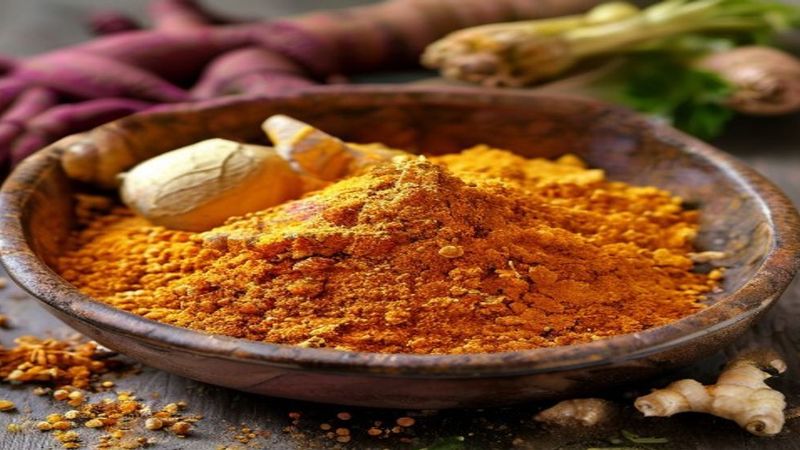
Turmeric, a staple spice in Indian and Middle Eastern cuisine, has been gaining popularity worldwide for its numerous health benefits. The active compound curcumin in turmeric has potent anti-inflammatory and antioxidant properties, making it a valuable addition to a healthy diet. In this article, we'll explore the various ways to incorporate turmeric into your everyday cooking, its benefits, and some frequently asked questions.
INTRODUCTION
Turmeric, derived from the root of the Curcuma longa plant, has been used for centuries in traditional medicine and cooking. Its vibrant yellow color and distinct flavor make it a versatile spice that can be used in a variety of dishes, from savory curries to sweet desserts. With the growing awareness of its health benefits, turmeric has become a sought-after ingredient in modern kitchens.
The bioactive compound curcumin, responsible for turmeric's medicinal properties, has been extensively studied for its potential to prevent and treat various health conditions, including arthritis, diabetes, and cancer. While the exact mechanisms are still being researched, it's believed that curcumin's anti-inflammatory and antioxidant effects contribute to its therapeutic benefits.
Incorporating Turmeric into Your Diet
To reap the benefits of turmeric, it's essential to incorporate it into your daily cooking. Here are some ways to use turmeric in everyday cooking:
Turmeric Spiced Vegetables
Add a pinch of turmeric to your roasted or sautéed vegetables for an extra boost of flavor and nutrition. Turmeric pairs well with vegetables like cauliflower, carrots, and sweet potatoes.
Golden Milk
Also known as haldi doodh, golden milk is a traditional Indian drink made with turmeric, milk, and spices. This comforting beverage is perfect for a cold evening or as a soothing remedy for a sore throat.
Turmeric Infused Oils
Infuse turmeric into oils like coconut oil or olive oil to create a flavorful and healthy finishing oil for your dishes. Simply mix turmeric powder with the oil and let it sit for a few hours before straining.
Turmeric Spiced Grains
Add turmeric to your rice, quinoa, or other grains for a nutritious and flavorful side dish. Turmeric pairs well with chicken, fish, and lentils.
Turmeric Tea
Turmeric tea is a simple and effective way to consume turmeric. Steep turmeric powder or fresh turmeric root in hot water, then strain and enjoy.
Turmeric in Soups and Stews
Turmeric is a common ingredient in many soups and stews, particularly in Indian and Middle Eastern cuisine. Add turmeric to your favorite recipes for an extra boost of flavor and nutrition.
Turmeric in Baked Goods
Yes, you can even use turmeric in baked goods! Turmeric adds a unique flavor and color to cakes, cookies, and muffins. Try pairing it with ginger and cinnamon for a delicious and aromatic dessert.
Tips for Using Turmeric
To get the most out of turmeric, follow these tips:
- Use high-quality turmeric: Choose fresh, organic turmeric powder or root for the best flavor and nutritional benefits.
- Combine with black pepper: Piperine, a compound in black pepper, enhances the bioavailability of curcumin, making it easier for your body to absorb.
- Use in moderation: Turmeric can be potent, so start with small amounts and adjust to taste.
- Experiment with different preparations: Try various forms of turmeric, such as powder, root, or supplements, to find what works best for you.
FAQ
Q: Is turmeric safe to consume daily?
A: Yes, turmeric is generally considered safe to consume daily in moderate amounts. However, high doses may cause stomach upset or interact with certain medications.
Q: Can I use turmeric powder instead of fresh turmeric root?
A: Yes, turmeric powder is a convenient and shelf-stable alternative to fresh turmeric root. However, fresh turmeric root may contain more bioactive compounds.
Q: How do I store turmeric?
A: Store turmeric powder in an airtight container in a cool, dark place. Fresh turmeric root can be stored in the refrigerator for up to a week or frozen for longer storage.
Q: Can I use turmeric during pregnancy or breastfeeding?
A: While turmeric is generally considered safe, it's always best to consult with a healthcare professional before consuming it during pregnancy or breastfeeding.
Final Verdict
Incorporating turmeric into your everyday cooking is a simple and effective way to boost your health and add flavor to your meals. With its numerous health benefits and versatility in cooking, turmeric is a valuable addition to any kitchen. By following the tips and ideas outlined in this article, you can start enjoying the benefits of turmeric today.
🔍 FoodReveal helps you decode nutrition labels beyond marketing. Available for Android and iOS.