
Spring has a way of turning everyday staples into something magical. As picnic blankets unfurl across parks and outdoor gatherings multiply, popcorn emerges from its winter hibernation as more than just a buttery theater snack—it becomes a symbol of lighter, fresher eating. But not all popcorn is created equal. The choice between homemade and store-bought versions carries significant implications for your health, your wallet, and the planet. This isn’t just about calories or convenience; it’s about sustainability, ingredient transparency, and the quiet satisfaction of knowing exactly what’s in your bowl
What Is Homemade Popcorn and How Does It Compare to Store-Bought?
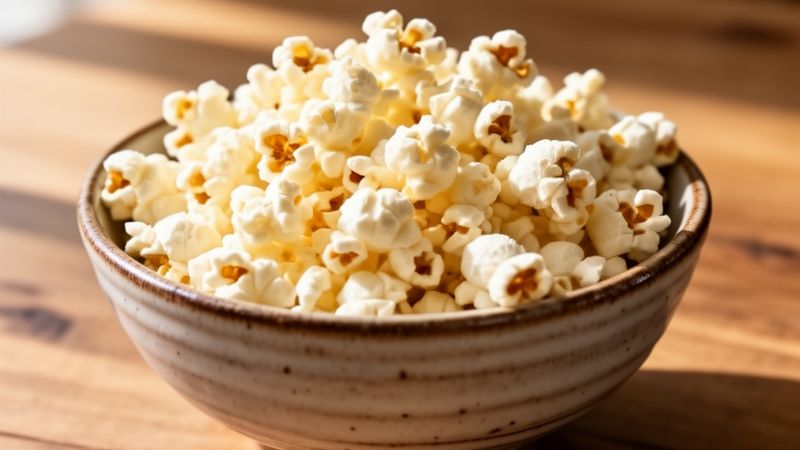
Homemade popcorn starts with a simple kernel—usually a butterfly or mushroom variety—popped in a pot, air popper, or microwave-safe bowl. The process requires just minutes and yields a blank canvas of fluffy, crunchy texture that can be customized with endless toppings. According to the U.S. Department of Agriculture, three cups (24g) of air-popped popcorn without added butter, salt, or oil contains a mere 93 calories, 1 gram of fat, and 3.5 grams of fiber—making it one of the most nutrient-dense snacks per calorie
Store-bought popcorn, on the other hand, spans a spectrum from pre-popped bags and microwavable pouches to gourmet flavored varieties. Brands like Trader Joe’s, Whole Foods 365, and Orville Redenbacher dominate the shelves, offering options that range from “lightly salted” to “caramel drizzle.” But convenience comes at a cost. Many commercial popcorns are laden with preservatives, artificial flavors, and unhealthy fats—ingredients that aren’t listed on the front of the package but can significantly alter the snack’s nutritional profile
Americans consume 16 billion quarts of popped popcorn annually—about 52 quarts per person. While it remains one of the most economical and wholesome foods available, approximately 70% is eaten at home, with the rest consumed in theaters and venues where portion sizes and additives can spiral out of control— FoodBabe

The distinction between homemade and store-bought isn’t just about taste; it’s about control. When you pop your own kernels, you decide the oil, the seasoning, and the quantity. When you reach for a pre-packaged bag, you’re often surrendering those choices to manufacturers who prioritize shelf life and flavor intensity over health and sustainability
Detailed Nutritional Comparison: Homemade vs Store-Bought Popcorn
To understand the real differences, let’s break down the nutritional profiles of air-popped homemade popcorn versus two common store-bought options: a natural microwave popcorn and a heavily flavored pre-popped variety. The table below compares three cups (approximately 24g) of each, based on USDA and brand-provided data
| Nutrient | Homemade (Air-Popped) | Natural Microwave (e.g., Orville Redenbacher Natural) | Flavored Pre-Popped (e.g., Smartfood White Cheddar) |
|---|---|---|---|
| Calories | 93 | 120 | 160 |
| Total Fat (g) | 1 | 2 | 10 |
| Saturated Fat (g) | 0.2 | 0.5 | 2 |
| Sodium (mg) | 2 | 10 | 220 |
| Carbohydrates (g) | 19 | 22 | 15 |
| Fiber (g) | 3.5 | 4 | 2 |
| Sugars (g) | 0 | 0 | 2 |
| Protein (g) | 3 | 3 | 2 |
| Added Ingredients | None | Palm oil, salt | Palm oil, cheddar cheese, whey, buttermilk, artificial flavors |
The differences are stark. Homemade popcorn is the clear winner in terms of calorie and fat control, with negligible sodium and no added sugars or preservatives. Natural microwave popcorn introduces modest amounts of oil and salt, but flavored varieties—like the popular white cheddar option—skyrocket in fat, sodium, and artificial additives. The fiber content also drops, turning what could be a gut-friendly snack into a high-calorie, low-nutrient indulgence
Ingredients and Quality Analysis: What’s Really in Your Popcorn?
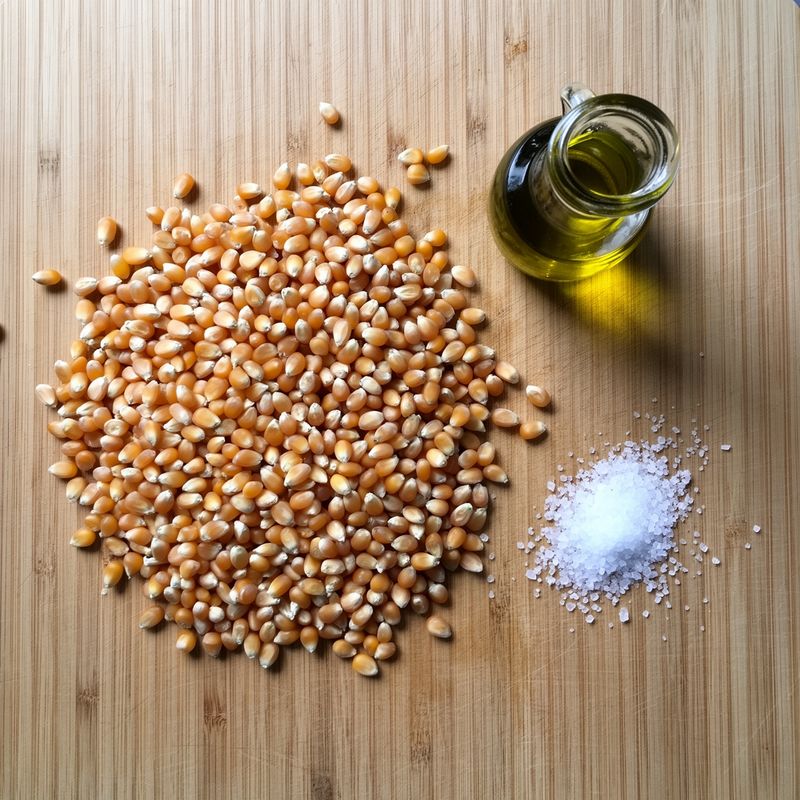
The ingredient list is where the truth about popcorn quality becomes undeniable. Homemade popcorn requires just one ingredient: kernels. Even if you add a drizzle of olive oil or a sprinkle of sea salt, you’re still working with whole, recognizable foods
Store-bought popcorn, however, often reads like a chemistry experiment. Take a typical flavored pre-popped bag: the ingredient list might include palm oil (a controversial choice due to deforestation concerns), cheddar cheese (which contains annatto, a natural but sometimes allergenic colorant), whey, buttermilk powder, and “natural and artificial flavors.” The latter phrase is particularly vague—manufacturers aren’t required to disclose what those flavors are, leaving consumers in the dark about potential allergens or synthetic compounds
Microwave popcorn has been called an ‘absolute health nightmare’ not just because of its nutritional profile, but because of the packaging. Many brands use linings coated with perfluorooctanoic acid (PFOA), a chemical linked to thyroid disruption, immune system issues, and certain cancers. While many manufacturers have phased out PFOA, some cheaper brands may still use similar compounds— FoodBabe
Even “natural” microwave popcorns aren’t innocent. They often contain palm oil, which is high in saturated fat and contributes to environmental degradation. Some brands also add preservatives like tertiary butylhydroquinone (TBHQ), a synthetic antioxidant that extends shelf life but has been linked to stomach tumors in animal studies. While the FDA considers TBHQ safe in small amounts, its presence underscores the trade-off between convenience and health transparency
For those seeking cleaner options, brands like Quinn and Lesser Evil offer microwave popcorn with simpler ingredient lists—think organic kernels, coconut oil, and sea salt. But these come at a premium price, making homemade popcorn not just the healthier choice, but the more economical one too
Benefits and Potential Downsides: Why the Choice Matters
The benefits of homemade popcorn extend beyond nutrition. It’s a sustainable choice: buying kernels in bulk reduces packaging waste, and popping at home eliminates the need for disposable microwave bags or plastic containers. It’s also customizable—you can experiment with spices like smoked paprika, nutritional yeast, or cinnamon for a sweet twist, tailoring each batch to your dietary needs or cravings
From a health perspective, homemade popcorn is a whole grain that delivers fiber, polyphenols, and antioxidants. A study published in the Journal of Agricultural and Food Chemistry found that popcorn contains up to 300 mg of polyphenols per serving—more than many fruits and vegetables. These compounds have been linked to reduced inflammation and improved heart health. Additionally, popcorn’s high fiber content supports gut health and helps regulate blood sugar, making it a smart choice for those managing diabetes or metabolic syndrome
But homemade popcorn isn’t without its challenges. Without proper seasoning, it can taste bland to those accustomed to the intense flavors of store-bought varieties. It also requires a small investment in equipment—whether an air popper, a stovetop pot, or a microwave-safe bowl. And while it’s quick to prepare, it’s not as instant as tearing open a pre-popped bag
Store-bought popcorn, meanwhile, offers convenience and flavor consistency For busy families or on-the-go snacking, it’s hard to beat the instant gratification of a microwavable pouch. But the downsides are significant: higher costs per serving, hidden additives, and environmental waste. The single-use packaging of microwave popcorn, in particular, contributes to landfill accumulation, and the carbon footprint of producing and transporting pre-popped bags is far greater than that of bulk kernels
For those committed to gut health the choice is clearer. Fermented foods like kimchi, kefir, and miso are often recommended for their probiotic benefits, but popcorn—when prepared correctly—can also support digestive wellness. Its fiber content feeds the beneficial bacteria in your microbiome, promoting a healthy balance of gut flora. However, store-bought versions loaded with artificial ingredients can have the opposite effect, potentially disrupting gut harmony and contributing to inflammation
Which Should You Choose: A Practical Guide
The answer depends on your priorities. If health, sustainability, and cost are your top concerns, homemade popcorn is the unequivocal winner. It’s cheaper per serving, free from questionable additives, and adaptable to any dietary preference—vegan, gluten-free, low-sodium, or keto. It’s also the better choice for those tracking soluble fiber intake, as the fiber in popcorn (especially when air-popped) is largely soluble, which helps lower cholesterol and stabilize blood sugar
If convenience is non-negotiable, opt for cleaner store-bought brands like Quinn or Lesser Evil, which prioritize organic ingredients and minimal processing. Avoid flavored varieties with lengthy ingredient lists, and always check for hidden sugars or artificial sweeteners. For context, some “lightly sweetened” popcorns contain as much sugar as a small cookie—hardly the health food marketing suggests
For families, homemade popcorn can be a fun, interactive activity Kids love watching the kernels pop, and it’s an easy way to introduce them to whole foods without the influence of food marketing. Pair it with a dip like hummus or guacamole for added protein, or toss it with dark chocolate chips and dried fruit for a sweet-and-salty treat
If you’re new to label reading, tools like can help decode the ingredient lists and nutritional labels of store-bought options
Recipes and Pairing Suggestions: Elevating Your Popcorn Game
Homemade popcorn doesn’t have to be boring. Here are two simple recipes to transform it from a basic snack into a gourmet experience
Savory Parmesan & Herb Popcorn
Ingredients
- cups air-popped popcorn
- tbsp olive oil
- tbsp grated Parmesan cheese (or nutritional yeast for a vegan option)
- tsp dried oregano
- ½ tsp garlic powder
- ¼ tsp sea salt
- ⅛ tsp black pepper
Instructions
- In a small bowl, mix the olive oil, Parmesan, oregano, garlic powder, salt, and pepper
- Drizzle the mixture over the popcorn and toss gently to coat evenly
- Spread on a baking sheet and broil for 1-2 minutes to melt the cheese (optional)
Dark Chocolate & Sea Salt Popcorn
Ingredients
- cups air-popped popcorn
- ¼ cup dark chocolate chips (70% cocoa or higher)
- ¼ tsp sea salt
- tbsp dried cranberries or goji berries (optional)
Instructions
- In a microwave-safe bowl, heat the dark chocolate chips in 20-second intervals, stirring between each, until mostly melted
- Pour the melted chocolate over the popcorn and toss to coat
- Sprinkle with sea salt and dried fruit, then let cool until the chocolate hardens
For a savory-sweet balance try pairing popcorn with homemade sugar-free ketchup for a dipping sauce, or serve it alongside rice crackers for a textural contrast. The neutral flavor of popcorn makes it a versatile base for both sweet and savory toppings, so don’t be afraid to experiment
Final Verdict
Popcorn is one of those rare foods that can be both a nostalgic indulgence and a nutritional powerhouse—depending on how you prepare it. Homemade popcorn wins on nearly every front: it’s healthier, cheaper, more sustainable, and endlessly customizable. Store-bought popcorn, while convenient, often sacrifices nutrition for flavor and shelf life, lacing kernels with additives that undermine its natural benefits
The choice ultimately boils down to what you value most. If you prioritize transparency, health, and environmental responsibility, taking the time to pop your own kernels is a small effort with big rewards. If convenience is king, opt for the cleanest store-bought brands and be vigilant about reading labels
🔍 Want to know exactly what's in a product before you buy it? With you scan the label in seconds and get a full breakdown of ingredients, additives and nutritional values — in plain language, no expertise required
🔍 FoodReveal helps you decode nutrition labels beyond marketing. Available for Android and iOS.
Leave a review