
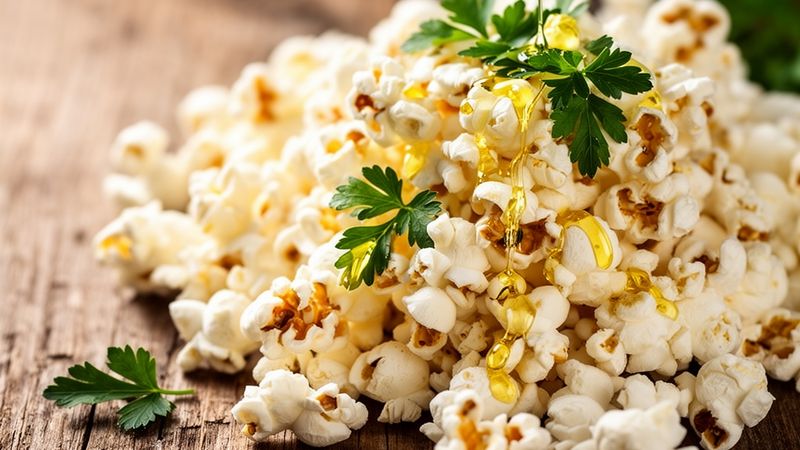
As the days grow longer and the sun warms the earth, popcorn becomes more than just a movie-night treat—it transforms into a seasonal companion for springtime picnics, outdoor gatherings, and light, health-focused diets. But here's a surprising fact a single cup of air-popped popcorn contains just 31 calories and over 1 gram of fiber making it one of the most nutrient-dense snacks available. This spring, homemade popcorn offers a customizable canvas for fresh flavors while avoiding the preservatives and excess fats found in many store-bought versions. With rising consumer awareness about processed foods, the shift toward DIY snacking aligns perfectly with seasonal wellness trends. Whether you're hiking through blooming trails or enjoying a backyard barbecue, popcorn’s portability and adaptability make it an ideal springtime staple. But how does it truly stack up nutritionally? What hidden benefits does this whole grain hide? Let’s unravel the science behind popcorn’s resurgence as a health-conscious choice, comparing homemade versions to commercial alternatives and exploring recipes that celebrate the season’s vibrancy
What Is Popcorn and Its Springtime Appeal?
Popcorn, scientifically known as Zea mays everta is a unique subspecies of maize that expands and puffs when heated. Unlike other corn varieties, its hard, moisture-resistant hull traps steam until the internal pressure causes the kernel to explode—literally turning inside out. This natural process, dating back thousands of years to indigenous cultures in the Americas, has evolved from ancient stone-roasting methods to modern microwave convenience. Today, popcorn’s spring appeal lies in its versatility: it pairs effortlessly with seasonal ingredients like fresh herbs, citrus zest, and raw vegetables, while its light texture complements lighter meals and active lifestyles
The production of popcorn remains rooted in simplicity. At its core, it requires only dried kernels, heat, and a modicum of patience. Air-popping uses hot air to expand the kernels, while stovetop methods employ oil or butter for richer flavor. Commercial operations often add artificial preservatives, emulsifiers, and flavorings to extend shelf life and enhance taste—a practice that homemade versions avoid entirely. For spring, this means opportunities to infuse popcorn with ephemeral flavors like dill, chives, or even edible flower petals, transforming it into a snack that embodies the season’s renewal. By controlling ingredients, home cooks can align their popcorn with farm-to-table principles, using organic kernels and locally sourced oils to minimize environmental impact while maximizing nutrition
Detailed Nutritional Comparison

To understand popcorn’s health benefits, a direct comparison of preparation methods reveals stark differences. Below is a nutritional breakdown per 3-cup serving
| Preparation Method | Calories | Fiber (g) | Fat (g) | Sodium (mg) | Sugar (g) | Glycemic Index |
|---|---|---|---|---|---|---|
| Air-Popped | 93 | 3.6 | 0.2 | 1 | 0.2 | 55 |
| Oil-Popped (2 tbsp oil) | 214 | 3.6 | 14 | 2 | 0.2 | 65 |
| Store-Bought Buttered | 270 | 2.8 | 16 | 350 | 2 | 70 |
| Kettle Corn (Caramelized) | 300 | 2.5 | 12 | 200 | 25 | 80 |
| Microwave Pack (Butter Flavor) | 290 | 2.4 | 15 | 400 | 3 | 75 |
| Gourmet Truffle Oil Variety | 320 | 3.0 | 20 | 500 | 1 | 68 |
The data highlights air-popped popcorn as the clear leader in fiber and lowest in calories and sodium. While oil-popped versions increase healthy fats slightly, store-bought options often introduce trans fats and artificial additives. For example, diacetyl—a chemical once linked to “popcorn lung”—was historically used in microwave butter flavors, though many manufacturers have phased it out. However, the high sodium and sugar content in commercial varieties counteract popcorn’s natural benefits, making homemade preparation the superior choice for spring wellness
Ingredients and Quality Analysis
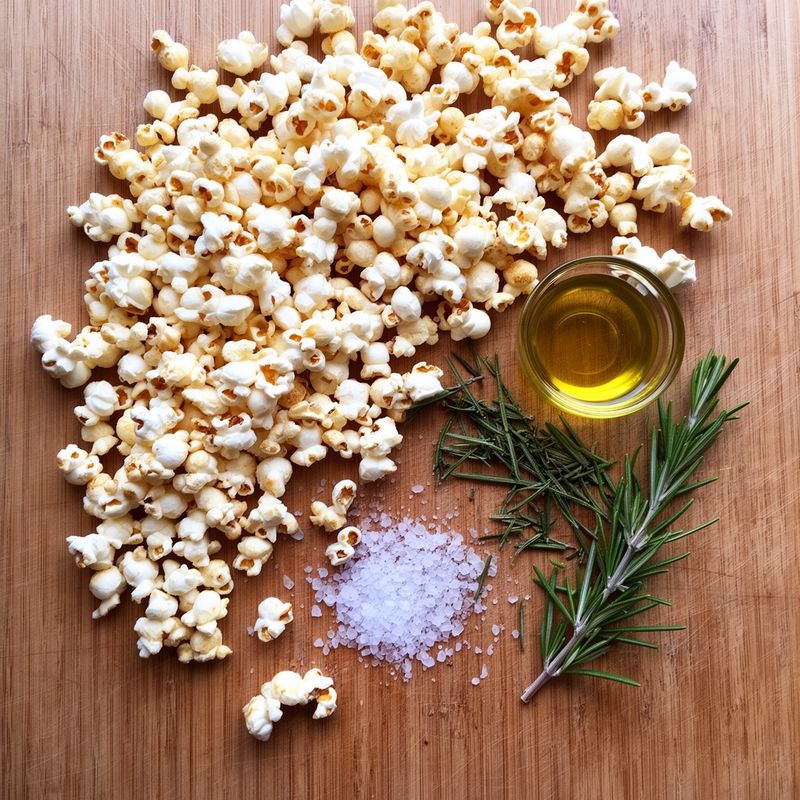
The simplicity of homemade popcorn becomes its greatest strength. A basic recipe requires just three ingredients whole corn kernels, a heat source, and a fat (oil, butter, or even coconut oil) Optional seasonings like sea salt, nutritional yeast, or fresh herbs add flavor without compromising quality. In contrast, store-bought gourmet popcorn often lists additives like TBHQ (a synthetic preservative), artificial colors, and hydrogenated oils. Consider this typical store-bought ingredient list: corn, partially hydrogenated soybean oil, salt, artificial butter flavor (containing diacetyl), and BHT—a stark contrast to the transparency of homemade batches
Quality control extends to the source of ingredients. Organic kernels avoid glyphosate residues, while cold-pressed oils like avocado or olive oil contribute monounsaturated fats that support heart health. For spring, fresh ingredients like lemon zest or chopped basil can be tossed over warm popcorn immediately after popping, preserving volatile aromatics that heat might otherwise destroy. This method not only enhances flavor but also aligns with the clean-eating ethos central to seasonal wellness trends. By avoiding processed alternatives, consumers sidestep unnecessary fillers like maltodextrin or artificial sweeteners found in some “light” varieties, ensuring each bite remains as pure as nature intended
Benefits and Potential Downsides
The benefits of popcorn stem from its whole-grain status. As the USDA notes, three cups provide roughly one-third of daily fiber needs, supporting digestive health and promoting satiety. Fiber also binds to bile acids, aiding cholesterol reduction—a topic explored in our guide to Soluble Fiber: Benefits, Sources & Dosage for Metabolism Additionally, popcorn contains polyphenols—antioxidants concentrated in its hulls that combat oxidative stress. A study published in the Journal of Agricultural and Food Chemistry found popcorn has higher polyphenol content per serving than some fruits and vegetables
According to a 2018 review, whole grains like popcorn reduce inflammation markers associated with chronic diseases, aligning with our article on Polyphenol-Rich Foods: Anti-Inflammatory & Anti-Aging Benefits
However, potential downsides exist. Overconsumption of oil-popped popcorn increases caloric density, while excessive salt raises blood pressure risks. Children under four face choking hazards, and popcorn’s coarse texture can irritate dental work. For diabetics, the low glycemic index (55-65) makes it a safer carb option than refined snacks, but portion control remains critical. Finally, while “popcorn lung” myths persist, the American Lung Association clarifies that industrial exposure to flavoring chemicals—not casual consumption—poses risks, and most manufacturers have eliminated these compounds
Which Should You Choose: A Practical Guide
Choosing the right popcorn depends on individual needs
- Athletes Opt for oil-popped popcorn with added chia seeds or hemp hearts for protein and omega-3s. The complex carbs sustain energy levels during spring training
- Children Air-popped with a drizzle of maple syrup or cinnamon for a sweet treat without artificial dyes
- Diabetics Air-popped with turmeric and black pepper to leverage anti-inflammatory properties while managing carb intake
- Elderly Softened with a splash of almond milk or blended into a porridge-like consistency for easier digestion
For outdoor spring activities, pre-seasoned air-popped popcorn stored in airtight containers offers convenience without compromising freshness. Pair it with a piece of fruit or a handful of nuts for a balanced snack that aligns with dietary guidelines from the FoodReveal History: How to Use It to Improve Your Diet & Food Choices
Recipes and Pairing Suggestions
This spring, elevate popcorn with two recipes that celebrate seasonal ingredients
Lemon-Herb Spring Popcorn
- 1/4 cup popcorn kernels
- tbsp olive oil
- Zest of 1 lemon
- tbsp chopped fresh dill
- tbsp nutritional yeast
- Sea salt to taste
Heat olive oil in a large pot, add kernels, and pop. Toss with lemon zest, dill, nutritional yeast, and sea salt. Serve alongside a cucumber and feta salad for a refreshing combo
Maple-Roasted Carrot Popcorn Mix
- cups air-popped popcorn
- 1/2 cup roasted carrot slices (drizzled with maple syrup)
- tbsp sunflower seeds
- Pinch of cinnamon
Combine ingredients for a sweet-and-savory trail mix ideal for hiking. The carrots add beta-carotene, while sunflower seeds boost vitamin E intake
Pair popcorn with herbal teas like chamomile or mint for a calming afternoon ritual, or use it as a topping for yogurt bowls alongside fresh berries—a twist that bridges snack and dessert
Final Verdict
Homemade popcorn emerges as a springtime super-snack, combining affordability, nutritional density, and adaptability. By avoiding store-bought versions laden with sodium, sugar, and artificial additives, consumers harness popcorn’s potential as a whole-grain powerhouse. Whether you’re fueling an active lifestyle or seeking a guilt-free treat, the ability to customize flavors with fresh, seasonal ingredients cements its role in a health-conscious diet. For deeper insights into food choices, explore FoodReveal’s archive to decode labels and optimize your pantry
🔍 Want to know exactly what's in a product before you buy it? With you scan the label in seconds and get a full breakdown of ingredients, additives and nutritional values — in plain language, no expertise required
🔍 FoodReveal helps you decode nutrition labels beyond marketing. Available for Android and iOS.
Leave a review