
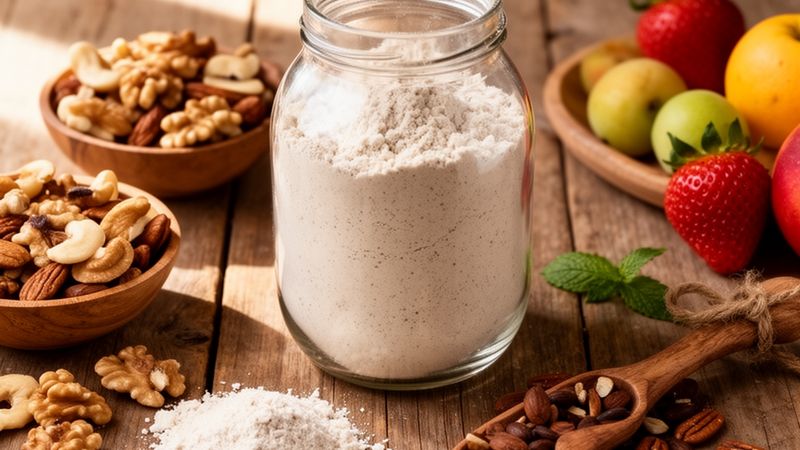
Forget bland, protein-packed breakfasts that taste like cardboard. The quest for a satisfying, gluten-free morning meal that doesn't compromise on flavor or nutrition has led to a surge in popularity of gluten-free protein pancake mixes. But with so many options lining supermarket shelves – from Bob's Red Mill to Kodiak Cakes and lesser-known brands – navigating the landscape can be overwhelming. Are these mixes genuinely healthy, or are they just cleverly marketed convenience foods? This article dives deep into the world of gluten-free protein pancake mixes, analyzing their nutritional profiles, ingredients, and potential benefits, helping you make an informed choice for your next breakfast
What Are Gluten-free protein pancake mix
Gluten-free protein pancake mixes aim to provide a convenient and nutritious breakfast option for individuals avoiding gluten – those with celiac disease, non-celiac gluten sensitivity, or simply those following a gluten-free diet. Traditionally, pancakes rely on wheat flour for structure. These mixes substitute wheat flour with alternative flours like rice flour, oat flour (certified gluten-free), almond flour, or tapioca starch. To boost the protein content, manufacturers add ingredients such as whey protein concentrate, pea protein isolate, or brown rice protein. The result is a pancake that can be a good source of protein and fiber, contributing to feelings of fullness and sustained energy. However, the quality varies significantly between brands. Some mixes are loaded with added sugars, unhealthy fats, and artificial ingredients, negating many of the potential health benefits. It's crucial to read labels carefully and understand what you're actually consuming
Detailed Nutritional Comparison
The nutritional value of gluten-free protein pancake mixes can differ dramatically depending on the brand and specific formulation. A typical serving size (around 1/4 cup dry mix) can range from 150 to 250 calories. Protein content typically falls between 10-20 grams per serving, while carbohydrates vary from 20-40 grams. Fiber content is often lower than desired, usually around 2-5 grams. Many mixes contain added sugars – sometimes disguised under names like dextrose or maltodextrin – which can significantly impact the overall healthfulness of the product
Here’s a comparison of some popular brands (data based on information available as of November 2024)
| Brand | Serving Size | Calories | Protein (g) | Carbohydrates (g) | Fiber (g) | Sugar (g) | Fat (g) | Price per Serving | |
|---|---|---|---|---|---|---|---|---|---|
| Kodiak Cakes Power Cakes | 1/4 cup | 150 | 14 | 22 | 3 | 5 | 3 | $0.75 | Contains added sugar |
| Bob's Red Mill GF Protein Pancake Mix | 1/4 cup | 160 | 12 | 25 | 3 | 2 | 4 | $0.80 | Lower sugar content |
| Simple Mills Almond Flour Pancake & Waffle Mix | 1/4 cup | 140 | 5 | 18 | 4 | 1 | 7 | $1.00 | Higher in fat |
| Birch Benders Keto Pancake Mix | ¼ cup | 160 | 13 | 16 | 3 | 1 | 9 | $0.90 | High fat content; keto friendly |
It's important to note that these values are approximate and can vary based on specific flavors and formulations. Always check the nutrition label for the most accurate information
Ingredients and Quality Analysis
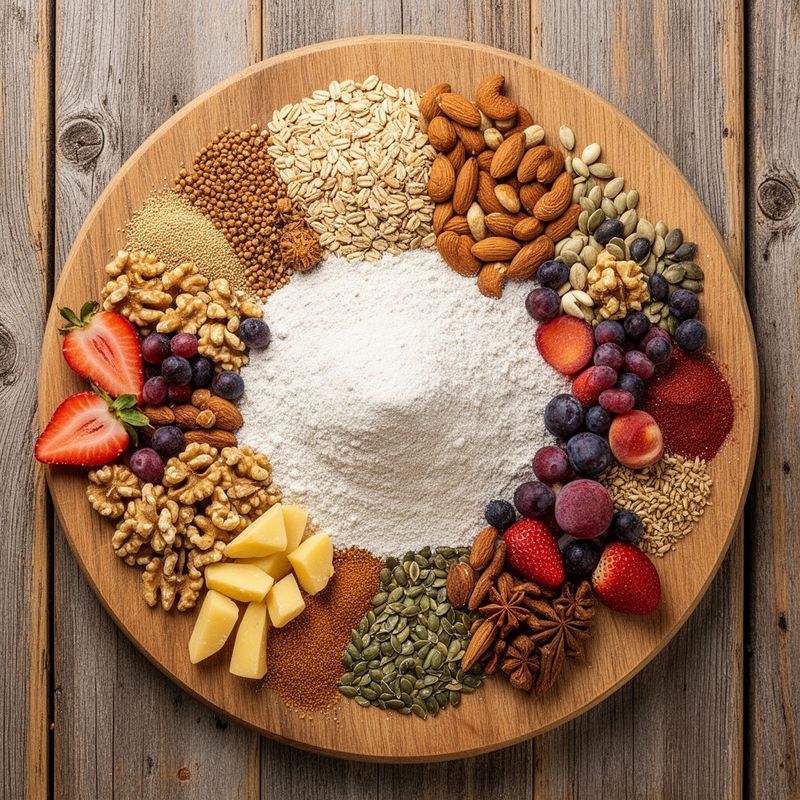
The ingredient list is arguably more important than the nutritional numbers alone. A high-protein pancake mix isn’t necessarily healthy if it’s packed with artificial sweeteners, hydrogenated oils, or highly processed ingredients. Look for mixes that prioritize whole food ingredients. For example, almond flour provides not only protein but also healthy fats and vitamin E. Oat flour contributes soluble fiber – as we discuss in our article on [soluble fiber: benefits, sources & dosage for metabolism] – which can help regulate blood sugar levels and promote gut health. However, ensure the oat flour is certified gluten-free to avoid cross-contamination
A concerning trend is the use of “protein blends” without specifying the source of each protein component. This lack of transparency makes it difficult to assess the quality of the protein being consumed. Whey protein concentrate is a common and relatively affordable option, but some individuals may experience digestive issues with it. Pea protein isolate is a good alternative for those with dairy sensitivities or vegan diets. Avoid mixes containing artificial flavors, colors, or preservatives like BHT or BHA
Benefits and Potential Downsides
The primary benefit of gluten-free protein pancake mixes is convenience – they offer a quick and easy way to increase your protein intake at breakfast. Protein is essential for muscle repair and growth, satiety, and overall metabolic function. Choosing a mix with a good source of fiber can further enhance these benefits by promoting digestive health and stabilizing blood sugar levels. These mixes can be particularly helpful for athletes or individuals with increased protein needs
However, there are potential downsides to consider. As mentioned earlier, many mixes contain added sugars that can contribute to weight gain and other health problems. The reliance on processed flours can also lead to rapid spikes in blood sugar levels if not balanced with sufficient protein and fiber. Furthermore, some individuals may experience digestive discomfort from certain ingredients like whey protein or artificial sweeteners. It’s also worth noting that these mixes often lack the micronutrients found in whole food breakfasts like eggs or oatmeal; therefore supplementing your diet with nutrient dense foods is crucial
Which Should You Choose: A Practical Guide
Selecting the right gluten-free protein pancake mix requires careful consideration of your individual needs and preferences. If you prioritize minimizing added sugar, look for options like Bob’s Red Mill GF Protein Pancake Mix or Simple Mills Almond Flour Pancake & Waffle Mix (although be mindful of its higher fat content). For those following a keto diet or aiming for very low carbohydrate intake, Birch Benders Keto Pancake Mix may be a suitable choice – but again review the fat content carefully. If you have dairy sensitivities or prefer a plant-based option, seek out mixes featuring pea protein isolate as the primary protein source
A good strategy is to compare several brands side-by-side, paying close attention to both the nutritional information and ingredient list. Don’t be afraid to experiment with different mixes until you find one that tastes good and aligns with your health goals. Remember that these mixes are just one component of a balanced diet; don't rely on them as your sole source of nutrients! For more insight into tailoring your diet based on specific health needs read our comprehensive [Diet Comparison: Keto, Vegan, Mediterranean & More – Which is Best for You? (2025)]
Recipes and Pairing Suggestions
Beyond simply following the package instructions, you can elevate your gluten-free protein pancakes with creative additions! Here’s a simple recipe
Berry Blast Pancakes
- 1/4 cup Gluten-Free Protein Pancake Mix (Kodiak Cakes recommended)
- 1/2 cup unsweetened almond milk
- egg (or flax egg for vegan option)
- 1/4 cup mixed berries (strawberries, blueberries, raspberries)
- tsp chia seeds
Instructions
- Combine all ingredients in a bowl
- Whisk until just combined (don't overmix)
- Cook on a lightly oiled griddle over medium heat
- Flip when bubbles form on the surface
- Serve with a dollop of Greek yogurt and a drizzle of maple syrup (optional)
You can also enhance your pancakes by adding spices like cinnamon or nutmeg; nuts and seeds for extra crunch and nutrients; or even mashed banana for natural sweetness
A great pairing suggestion is to combine these pancakes with some [Light Mayo with Asparagus and Peas] for an unusual but tasty savoury breakfast!
Final Verdict
Gluten-free protein pancake mixes can be a convenient and relatively healthy breakfast option when chosen wisely. Prioritize products with minimal added sugar, whole food ingredients, and transparent sourcing of proteins. Don't fall for marketing hype – always read the label carefully! While they aren’t a replacement for whole food breakfasts rich in micronutrients they provide an easy way to get extra protien into your diet.\
🔍 Want to know exactly what's in a product before you buy it? With you scan the label in seconds and get a full breakdown of ingredients, additives and nutritional values — in plain language, no expertise required
🔍 FoodReveal helps you decode nutrition labels beyond marketing. Available for Android and iOS.
Leave a review